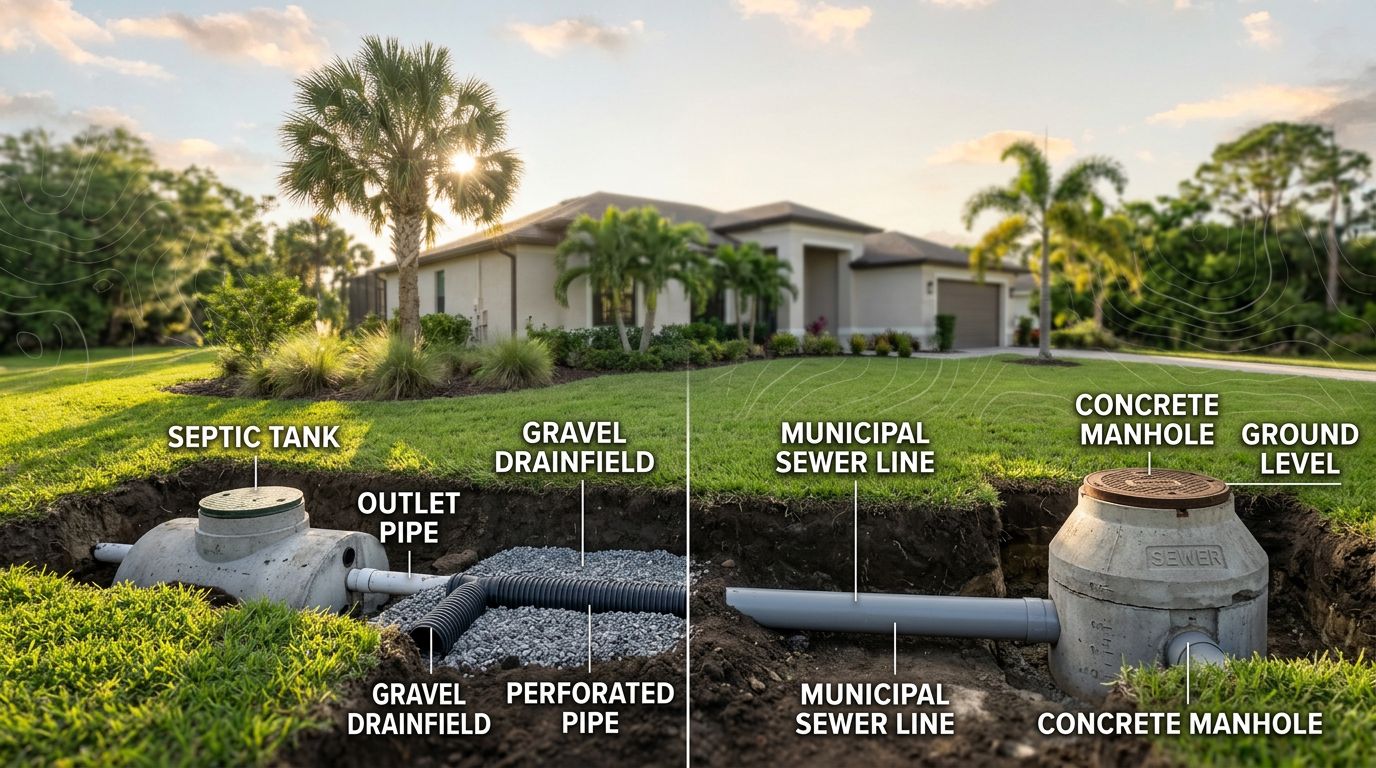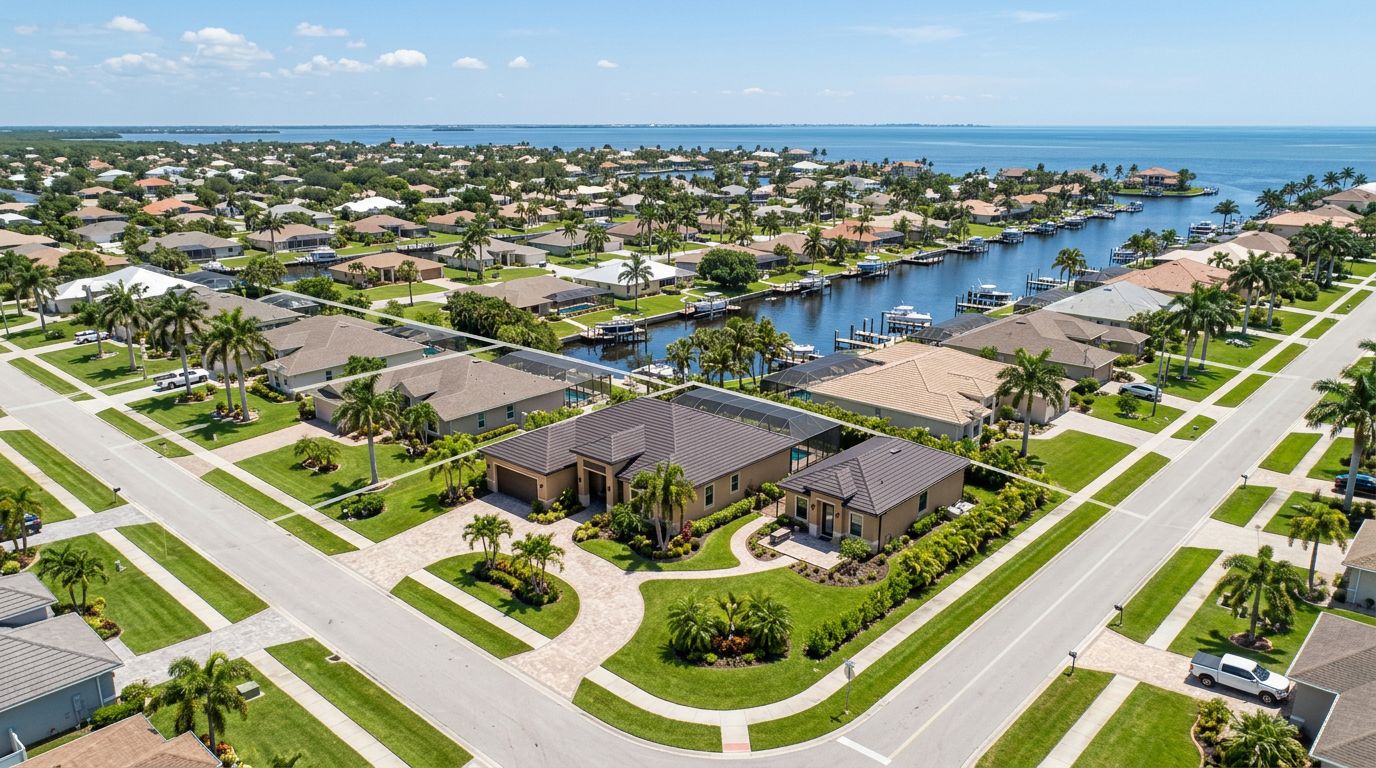
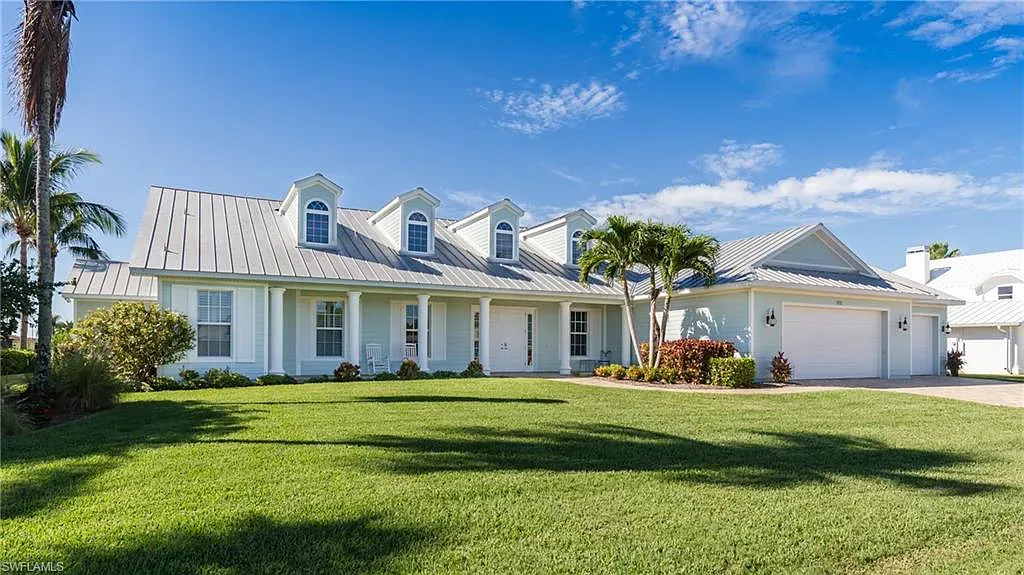



A Cape Coral canal lot sounds simple on paper: buy the land, pick a plan, start building. Then reality hits, seawall questions, flood rules, and a waterfront setback that can shrink your “buildable” yard fast.
The good news is that most surprises are preventable. If you know what to verify before design and permitting, you can budget with fewer gaps, and avoid redesigns when the City or an HOA flags something late.
Start with the paper trail: zoning, future land use, plats, easements, and flood maps
Before you fall in love with a floor plan, confirm what the lot actually allows. City rules set the baseline, then private restrictions can tighten it, and state or federal water rules can affect anything at the shoreline.
Begin with City references for the codes and maps used in review. Cape Coral posts code resources and links under its current codes and helpful links , including the Land Development Code and flood-related ordinances. Those documents drive setbacks, allowable coverage, and what counts as “waterfront” for measurement.
Next, pull the recorded plat and any recorded easements. In Cape Coral, it’s common to find utility easements, drainage easements, and canal-related notes that affect where you can place a pool, fence, or even your driveway approach. The plat can also clarify your canal frontage, which matters for seawall scope and cost.
Flood risk is the other big “paper” item that becomes very real. Don’t rely on a listing’s flood zone label. Look up the FEMA flood zone and the Base Flood Elevation (BFE), then plan for an elevation certificate when it’s needed for permitting and insurance. Cape Coral also maintains flood guidance through its Flood Protection Information , which is a helpful starting point for understanding local floodplain administration.
Practical verification steps that save time later:
- Confirm zoning and future land use (FLU) with the City maps, then match them to what your designer is assuming.
- Order a boundary and topo survey early, especially on older canal lots where corners and seawall lines can be tricky.
- Check the recorded plat and easements in the official records so you don’t place a pool cage or slab over a protected strip.
- Verify flood zone and BFE , then discuss finished-floor height with your designer and engineer before plans are drawn.
Seawalls on Cape Coral canals: permits, sequencing, and what they cost in 2026
On a Cape Coral canal lot , the seawall isn’t a nice-to-have. It’s often the first domino. If the existing seawall is failing, or if the lot is missing one, you may need to address it before you can safely finish site work and start the home.
Permitting is usually local, but it can extend beyond the City depending on the canal type and shoreline conditions. Cape Coral’s building and permitting hubs are the best place to start for forms and submittal expectations, including the Permit Document Center. For certain waterfront scopes, you may also need review or authorizations from Florida DEP (environmental resources, mangroves, wetlands) and the U.S. Army Corps of Engineers (work that affects navigable waters). Those agencies are about protecting waterways and habitat, so timeline and documentation matter.
Cape Coral also publishes specific guidance for non-traditional seawall designs in limited cases. For example, the City’s Seawall Alternative Guideline (Residential) notes that alternative seawalls are only allowed on freshwater canals, with defined scenarios and submittal requirements.
Typical seawall costs you’ll see (and why they swing)
In 2026, many homeowners hear seawall pricing in two ways: per linear foot, or as a total for a standard Cape lot frontage. A common working range is about $200 to $400 per linear foot for seawall repair or new construction, but the final number depends on access, soil, canal type (freshwater vs saltwater), engineering, tiebacks, and permitting.
Here’s a simple comparison to help budget conversations:
| Seawall scope (typical) | What it usually includes | Typical 2026 cost range |
|---|---|---|
| Repair or reinforcement (localized) | Concrete patching, cap work, limited panels, tieback repairs | Often falls within $200 to $400 per linear foot , depending on extent |
| Full replacement (most or all frontage) | Demo, new panels, new cap, tiebacks, engineering, inspections | Commonly lands near the upper end of the range , plus engineering and access costs |
One more reality check: seawall work can stretch timelines. If DEP or USACE coordination is needed, build that into your schedule before you pick a start date for the house.
Setback rules on waterfront lots: the 25-foot line and the “buildable box” problem
A canal lot can feel wide open until you draw the setbacks. In Cape Coral, a key rule that catches first-time buyers is the minimum 25-foot setback from the seawall or water’s edge to the house (measured per City requirements). That single line can shift the whole design forward, sometimes forcing a shorter lanai, a tighter pool deck, or a smaller rear garage depth than you planned.
Also remember that “City setback” is only one layer:
- City of Cape Coral rules control required setbacks, height limits, lot coverage, and permit approvals for structures.
- HOA rules and deed restrictions can add stricter limits on exterior style, roof type, minimum square footage, driveway materials, fencing, and sometimes dock appearance.
- State and federal waterway rules can apply to docks, lifts, dredging, mangrove trimming, and shoreline impacts.
Because the buildable area can shrink fast, design for the lot, not for a generic “canal plan.” A survey helps your designer place the home footprint correctly, and it helps avoid the classic mistake of assuming the seawall line equals the rear property line. They’re not always the same thing.
Budget planning matters here too. Canal-lot builds often include added line items that inland lots skip, seawall work, marine permits, possible dock or lift, and extra site coordination. This is where choosing a cost-plus home builder can feel less stressful, especially if you want transparent pricing with itemized costs as waterfront details evolve.
For permitting logistics and fee research, Cape Coral publishes its schedules on the Permitting Fees page, and the City’s Building Division page is a solid starting point for understanding the review process and inspections.
Conclusion
Building on a Cape Coral canal lot can be a great move, but the waterfront comes with real constraints: seawall condition and permits, a 25-foot waterfront setback, and flood-driven elevation decisions that change the design and cost. Start by verifying zoning, FLU, plats, easements, and flood data, then confirm seawall scope and timelines before final plans. Rules and costs vary by lot , so confirm details with the City of Cape Coral, your engineer, and your licensed contractor before you commit to a design or start date.