


A lot can look ready for a house and still have hidden limits. Southwest Florida utility easements can shape where your fence goes, where a pool fits, and whether a lanai slab can stay in place.
Before you sign off on a lot or a site plan, it pays to know who can enter the property and where. Utility companies often keep access rights even after the lot changes hands, and those rights can override a nice-looking layout.
The documents tell the real story, not the pretty lot diagram. Start there, before the design gets too far along.
What a utility easement actually means
A utility easement is a recorded area on the lot that someone else can use for a limited purpose. In most cases, that means access for water, sewer, electric, gas, cable, or telecom lines.
You still own the land in most situations, but the easement holder has rights inside that strip. They can usually enter to inspect, repair, replace, or maintain the lines without asking every time.
That access right matters because it can limit what you build. Permanent structures, such as houses, sheds, walls, slabs, decks, and pools, can block work in the easement. If a utility needs that space later, the owner may have to remove what sits there.
Some low-impact use may still be allowed, but only if it does not block access or conflict with the recorded language. That is why easements are not the kind of detail you want to skim.
Design around the easement, not through it.
Not every easement is the same, either. Some are narrow and easy to live with. Others run through the middle of the build area and change the whole site plan.
Why Southwest Florida lots need a closer look
Lots in Southwest Florida often carry more than one restriction at the same time. A parcel can have a utility easement, a drainage swale, a setback line, and HOA rules all in the same yard.
That mix matters because the usable space can shrink fast. A lot that looks wide on paper may feel much smaller once the survey and permit set are in front of you.
Drainage swales are a common issue here. These shallow channels move stormwater away from homes and streets, so they are part of the site design. Filling them, covering them, or building across them without approval can create permit problems and drainage headaches.
Corner lots also deserve extra attention. They often face more setback limits, driveway sight-line rules, and utility placement issues than an interior lot. In other words, the yard you hoped to use for a play area or pool cage may be the yard that local rules protect the most.
Production builders can make this easier to miss because the neighborhood looks uniform from the street. The lot still has its own legal limits, even if every house around it looks similar.
The documents that tell you what's real
The safest time to review easements is before the design gets expensive. Once the foundation plan, pool layout, and permit drawings are set, small surprises turn into costly edits.
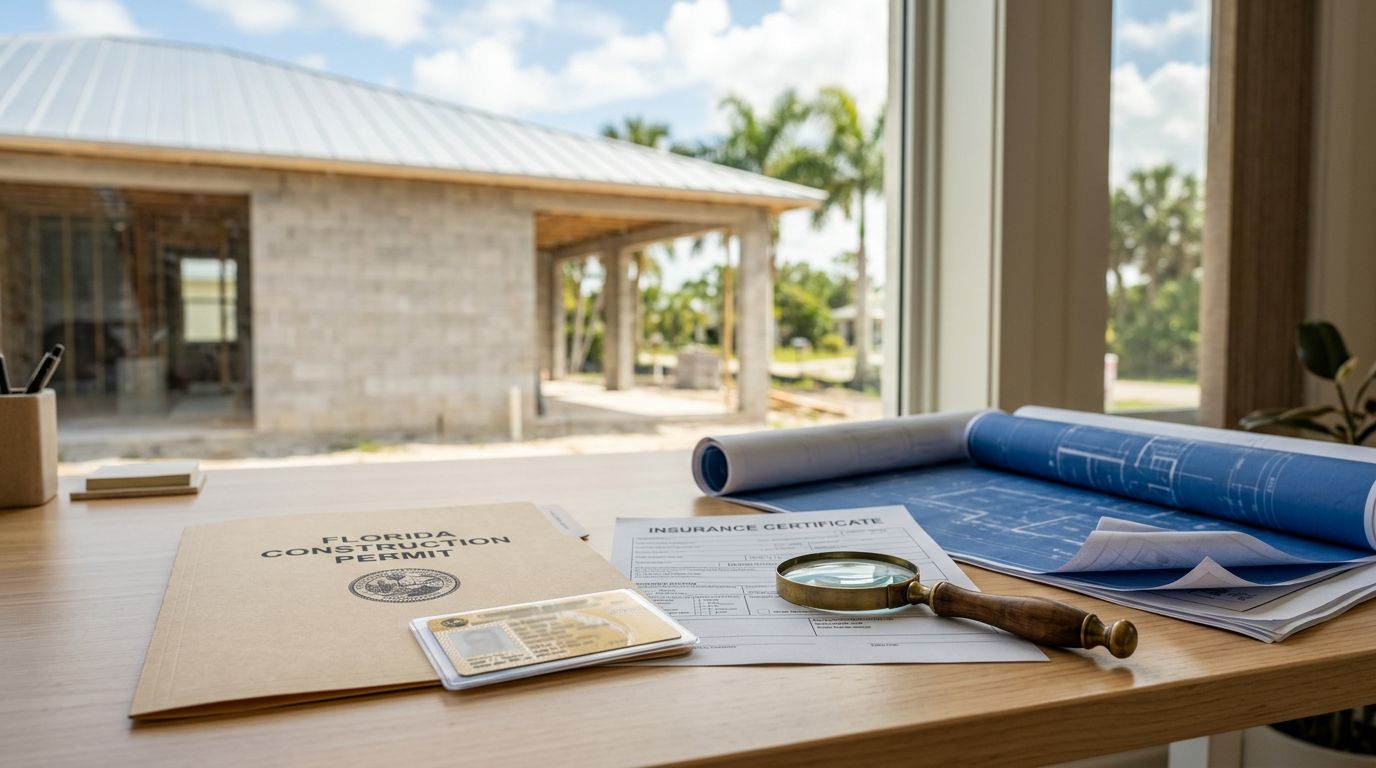
A quick document check catches most of those issues early. These records should match, or at least explain any differences.
| Document | What it shows | Why it matters |
|---|---|---|
| Survey | Lot lines, easements, swales, and improvements | Shows the true buildable area |
| Plat | Recorded lot layout and public dedications | Confirms how the subdivision was approved |
| Title documents | Recorded easements and restrictions | Reveals rights that may affect the lot |
| HOA or deed restrictions | Fence, landscaping, and exterior rules | Adds another layer beyond the survey |
| Builder plans and permit set | The site plan used for approval | Shows what the builder is asking to place |
If one record says a pool fits and another says it does not, stop there and sort it out. The conflict is a warning, not a small detail to ignore. A surveyor, title company, or real estate attorney can help interpret the records when the language is unclear.
A cost-plus home builder with transparent pricing also helps here, because site changes show up in the numbers before they become change orders. If you're comparing proposals, a cost-plus home builder bid comparison helps you see whether easement work, reroutes, and site prep are already included.
Permits matter too. Local permitting staff may want setbacks, drainage details, or easement notes before they approve the plan. If the build depends on a utility relocation or easement modification, that work needs to happen early.
Where new home plans usually run into trouble
Fences and gates
A fence can look harmless, yet it can block utility access in a narrow strip. Posts, corner columns, and gate swings all matter because crews need room to reach buried lines later.
Even if a fence is allowed near an easement, it may come with conditions. The owner could be required to move it for utility work, and that cost usually falls on the owner, not the utility company.
Pools and lanais
Pools and lanais are some of the most common conflicts on new lots. A concrete deck or pool cage can land right where a utility company needs clear access.
That creates a problem for both design and timing. The builder may need to shift the pool, resize the lanai, or move equipment pads to keep the plan legal. When that happens late, the delay can touch the whole schedule.
Irrigation and landscaping
Irrigation lines, valve boxes, and planting beds can also create trouble. Shallow lines are easy to damage, and a repair crew will need room to dig without tearing up a finished yard.
Low plantings are usually safer than tall shrubs or trees, but landscaping still has to respect the recorded easement. A hedge that looks neat on move-in day can become a problem if it blocks access later.
Underground lines and drainage swales
Underground utilities are easy to miss because they disappear once the lot is graded. Before any digging, use the local utility-marking process and wait for the lines to be marked.
Drainage swales deserve the same care. They are part of the stormwater system, so they cannot be ignored just because they look like part of the yard. If a swale sits where you wanted a patio or storage pad, the plan needs to change, not the swale.
Corner lots and driveway space
Corner lots often feel generous until the measurements come out. Extra setbacks, utility strips, and visibility rules near driveways can shrink the yard and affect where you place a garage or front entry.
That matters even more when the driveway, mailbox, and utility meters all compete for the same corner of the lot. A site plan that looks clean on paper can turn awkward after the local rules are applied. In that case, moving the house a few feet can make a big difference.
When lot work starts changing the design, the budget changes too. A custom home budget breakdown helps you separate the house itself from site prep, utility work, and other soft costs before you make a final decision.
Conclusion
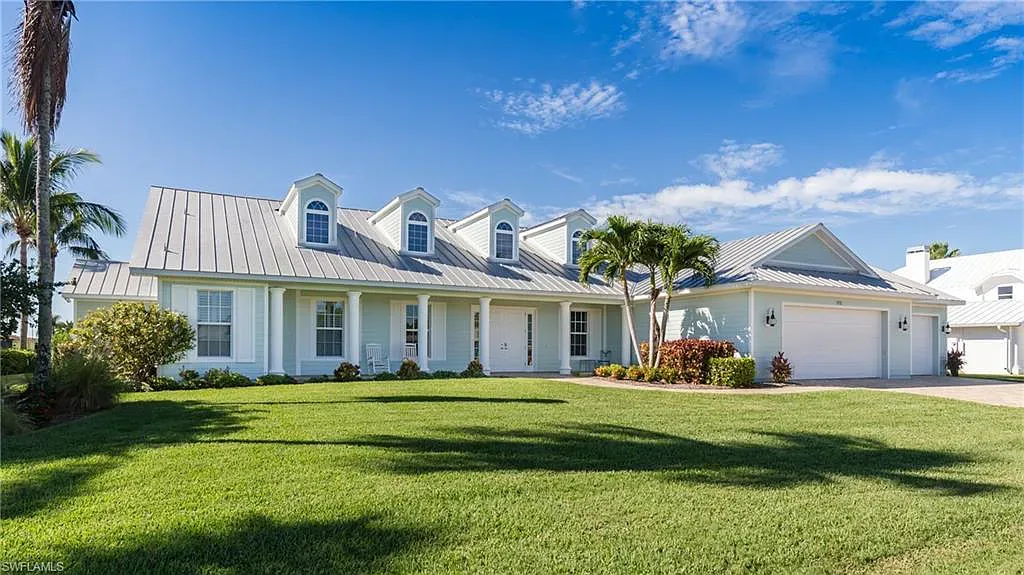
A lot with a clean view can still hide hard limits. The easement lines, swales, and setback rules decide what really fits, and utility providers may keep access rights long after closing.
Before you buy or build, compare the survey, plat, title documents, HOA rules, builder plans, and permit requirements. Because rules vary by jurisdiction and property, confirm the details with local officials, a qualified real estate attorney, or a surveyor before you commit.
When you know where the utility easements sit, you can plan the house around them instead of fighting them later. That saves redesigns, reduces delays, and gives you a lot more confidence before the first shovel hits the dirt.