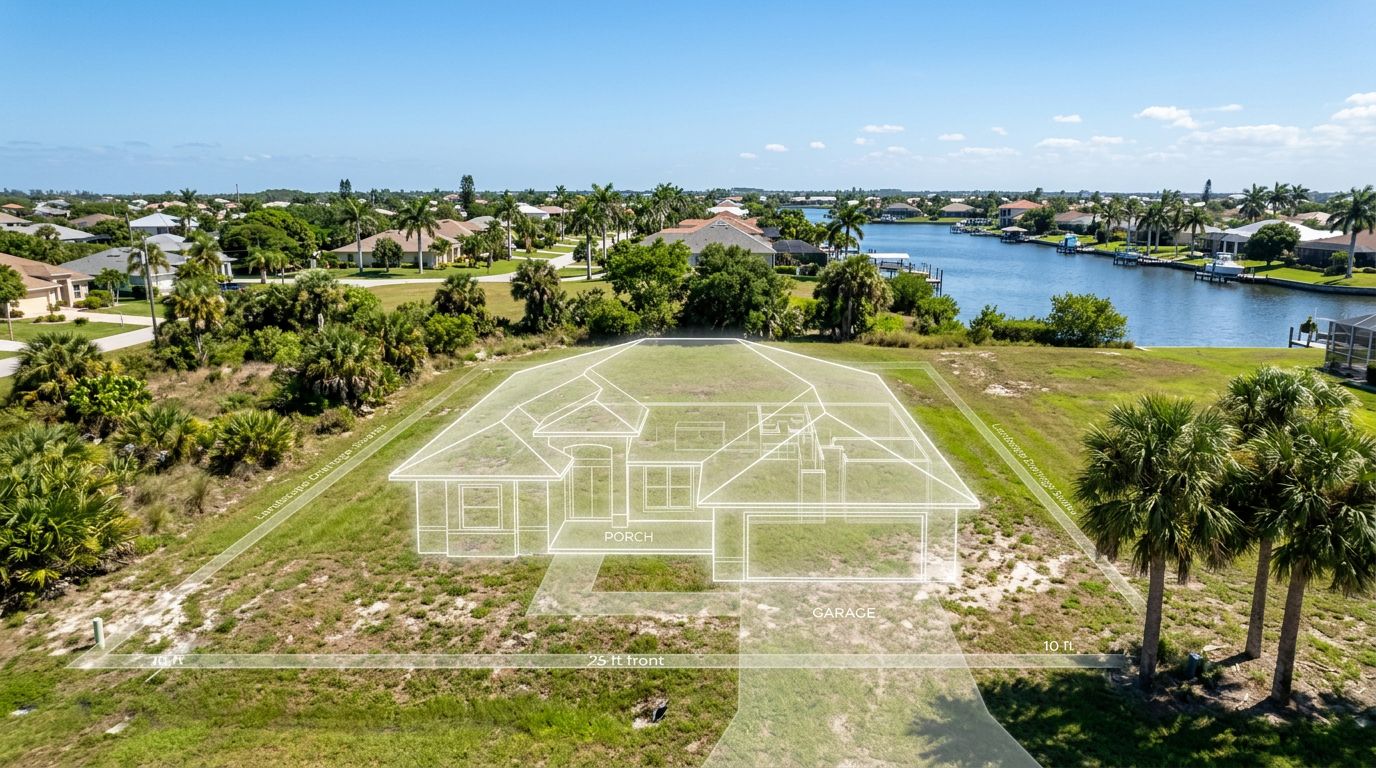



An 80-foot lot width sounds generous until you start drawing walls, garages, setbacks, and outdoor space on paper. Then the number shrinks fast.
That's why the "right" house width in Southwest Florida is rarely the full lot width. Between zoning, easements, HOA rules, drainage, and pool plans, the best fit is usually narrower than owners expect. The sweet spot depends on how much home you want, how much yard you want, and how much flexibility you want when the build starts.
What an 80-foot lot really gives you
The lot line is only the starting point. Your real buildable width comes from the rules around it, and those rules vary by city, county, subdivision, and even the lot itself.
A simple way to think about it is this: if side setbacks take up 20 feet total, an 80-foot lot leaves 60 feet before easements, utility corridors, and HOA design limits enter the picture. If the parcel has wider setbacks, a rear drainage swale, or a side-entry driveway requirement, that number drops again.
Here's a practical way to look at the space you may actually have:
| Lot scenario | Rough buildable effect | What it means in practice |
|---|---|---|
| Minimal side setbacks | More usable width | Wider one-story plans may fit |
| Typical suburban setbacks | Moderate usable width | Most buyers land in the middle range |
| HOA or site constraints | Less usable width | Narrower footprint becomes safer |
The takeaway is simple. The lot may be 80 feet wide, but the house should be sized to the buildable envelope, not the property line. If you start with the envelope, you avoid redesign later.
That matters even more in Southwest Florida, where homes often include impact windows, deeper roof overhangs, screened lanais, and garage space that all consume width.
A pretty floor plan means little if it can't pass setback and site plan review.
House widths that work well on 80-foot lots
Most homeowners on an 80-foot lot do best with a house width somewhere in the 48- to 60-foot range . That gives room for the house itself, side clearance, and a usable backyard. Wider plans can work, but they leave less breathing room outside.
A narrow home around 42 to 48 feet wide can fit comfortably on tighter envelopes. It works well for buyers who want more side yard, a larger pool area, or a simpler roofline. These homes often pair well with a two-story design, because the square footage can stack upward instead of spreading out.
A middle-width home around 50 to 56 feet is often the most balanced choice. It can usually support three or four bedrooms, a 2-car garage, and a decent lanai without making the lot feel cramped. For many Southwest Florida families, this is the sweet spot.
A wider home around 58 to 64 feet can still work on some 80-foot lots, but it needs careful planning. It is more likely to feel right on a larger corner parcel, a lot with favorable setbacks, or a site where outdoor space is less of a priority.
Quick width guide
- 42 to 48 feet : better for compact plans, deeper yard space, or a two-story layout.
- 50 to 56 feet : a strong middle ground for many family homes.
- 58 to 64 feet : better when the lot rules are favorable and the home is the main priority.
On an 80-foot lot, many buyers end up happiest in the middle. That range leaves enough room for the house to feel substantial without crowding the property.
Garages, lanais, and pools change the footprint fast
A floor plan can look modest on paper and still swallow a lot of width once the garage and outdoor living pieces are added.
A 2-car garage usually keeps the house width more manageable. It gives you more flexibility for side yards, windows, and lanai placement. A 3-car garage , especially when it sits side by side, can push the footprint wider very quickly. If the lot is tight, a courtyard-style or tandem garage arrangement may work better than a broad front-facing setup.
The lanai matters too. In Southwest Florida, outdoor living is not an afterthought. It's part of the plan. A shallow lanai may fit into a narrower footprint, but once you want room for seating, dining, and a grill, the home needs more usable rear space. Add a pool and screen enclosure, and the width conversation changes again because the home can't crowd the pool deck or the side setbacks.
A helpful way to compare the major footprint drivers is to look at them side by side:
| Feature | Width impact | Best use case |
|---|---|---|
| 2-car garage | Lower | Standard family build, tighter lot envelope |
| 3-car garage | Higher | Larger homes, storage, hobby space |
| Courtyard garage | Moderate to high | Premium lots, privacy, interesting street presence |
| Deep lanai | Moderate | Outdoor dining, entertaining, shaded living |
| Pool and cage | Site-dependent | Backyard-focused plans that still need clearances |
If you want a pool, plan for it early. A house that fits the lot without a pool may not fit once the pool deck, screen cage, and required clearances are added.
Single-story or two-story on an 80-foot lot
This choice changes more than the look of the house. It changes the footprint, the yard, and the way the home lives over time.
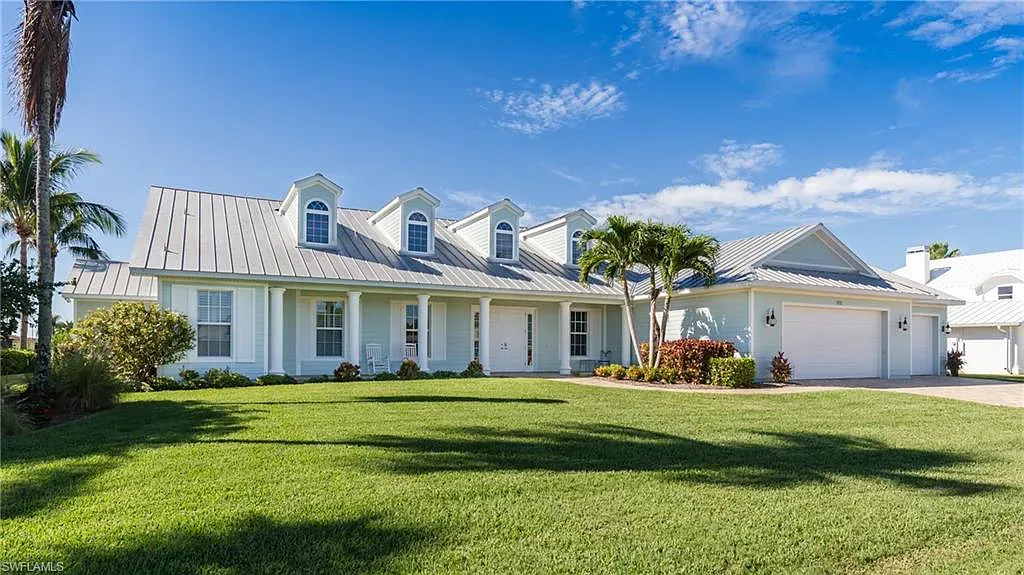
A single-story home spreads out. That usually means more width is needed to reach the same square footage. It also means more roof area, more foundation, and more wall length. Many buyers like this option because everything sits on one level, which makes daily living easier and aging in place more practical.
A two-story home often saves width because it stacks square footage vertically. That can be a smart move on an 80-foot lot when you want more backyard space, a larger pool area, or better side setbacks. It also allows more design flexibility if the front elevation needs to stay within a narrower envelope.
Still, a two-story home is not automatically the better fit. The upper floor adds stair space, structure, and sometimes a more complex roofline. It can also change how the house feels from the street. A compact two-story can look tall and efficient, while a wide single-story often looks grounded and open.
For many Southwest Florida lots, the best answer depends on priorities:
- Choose single-story if you want easier circulation, fewer stairs, and a broader indoor-outdoor feel.
- Choose two-story if you want to protect yard space and keep the footprint narrower.
- Choose either if the plan fits the setbacks, garage, and outdoor areas without crowding the lot.
If you are weighing layout options, planning your Southwest Florida custom home construction helps you line up lot size, lifestyle needs, and the right floor plan before drawings get too far along.
Setbacks, easements, and HOA rules can shrink the usable width
This is where many first-time builders get surprised. The lot may look wide enough on a listing, but the usable width can be reduced by rules you don't see at first glance.
Side setbacks are the most obvious factor. Easements can remove more space along one side or both sides. Utility lines, drainage swales, and lot-specific restrictions can narrow the build area again. If the property sits in a neighborhood with an HOA, architectural review may add another layer of limits on garage placement, rooflines, exterior width, and even how close the house feels to the property line.
Site conditions also matter. A lot with poor drainage may need grading changes. A flood zone may affect elevation and site planning. Corner lots can have different frontage rules. Mature trees, privacy walls, and screen enclosures can all influence how the home sits on the parcel.
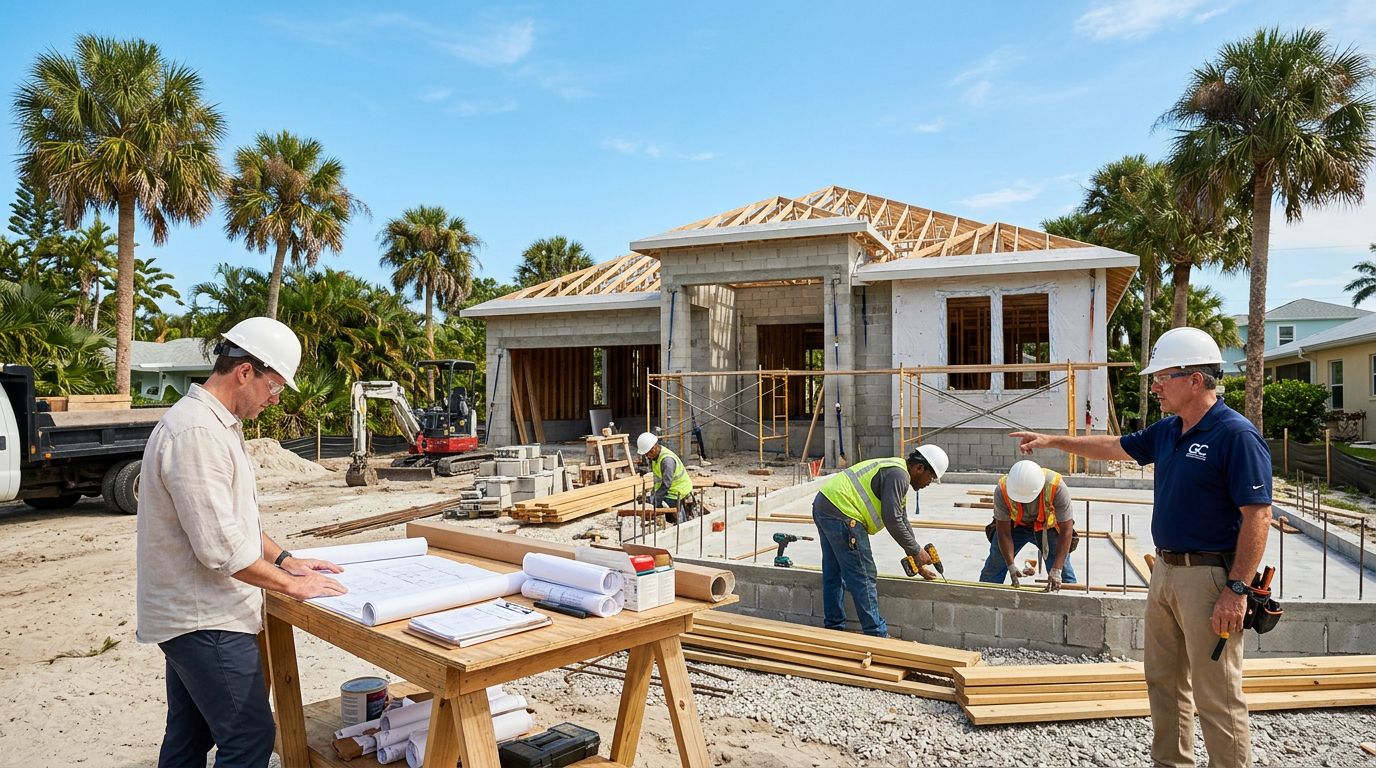
Because of that, the smart move is to treat the survey and site plan as the starting point, not the closing paperwork.
If you're comparing plans or builders, understanding Southwest Florida construction estimates helps you ask better questions about what is included, what is assumed, and what could change once the site plan is drawn.
The house width that works on one 80-foot lot may fail on the next lot over.
That is why a good design process starts with the actual parcel, not a favorite floor plan pulled from a brochure.
How to choose the right width before you sign a plan
Before you commit to a layout, make three decisions in order. First, decide how much outdoor space you want. Second, decide whether the garage is a 2-car or 3-car priority. Third, decide if you want single-story convenience or a narrower two-story footprint.
Those three choices usually tell you more than square footage alone.
If you want a large lanai, a pool, and open side yards, a narrower home is safer. If you want a bigger front elevation and a broad family room, a middle-width home may be the better fit. If the lot is in a neighborhood with tighter controls, choose a plan that leaves room to adapt. A home that fits with a little margin is far easier to build than one that fills every inch.
It also helps to talk budget at the same time. Wider homes usually mean more foundation, framing, roofing, and exterior finishes. With a cost-plus home builder , those differences are easier to see because the costs are itemized. That kind of transparent pricing gives you a clearer view of how a wider garage, larger lanai, or more complex roof changes the budget before construction starts.
For a closer look at how those numbers break down, this 2026 Southwest Florida cost guide shows why sitework, elevation, and finish choices matter as much as the floor plan itself.
Conclusion
The best house width for an 80-foot Southwest Florida lot usually falls in the middle, not at the edges. That gives you enough room for a real home, but it still leaves space for the outdoor life people want here.
The right choice comes down to the buildable envelope, the garage, the lanai, and whether you want to spread out or stack up. Once those pieces are clear, the lot stops feeling restrictive and starts feeling usable.
A good plan respects the site first, then shapes the home around it. That's how an 80-foot lot width turns into a house that fits the property and the way you live.