


Your lot can lock in more of your home design than the floor plan does. In Southwest Florida, elevation, drainage, setbacks, and HOA rules can reshape what you can build before the first wall goes up.
If you choose the house plan first, you may end up shopping for land that never truly fit the design. If you choose the lot first, you can match the plan to the site instead of forcing the site to fit the plan.
For most buyers, the safer move is to buy the lot first . The exceptions matter, though, and they can save you time and money when handled the right way.
Why the lot usually comes first
A lot is more than a piece of dirt with an address. It comes with rules, limits, and hidden costs. In Southwest Florida, that matters even more because site conditions can change the whole budget.
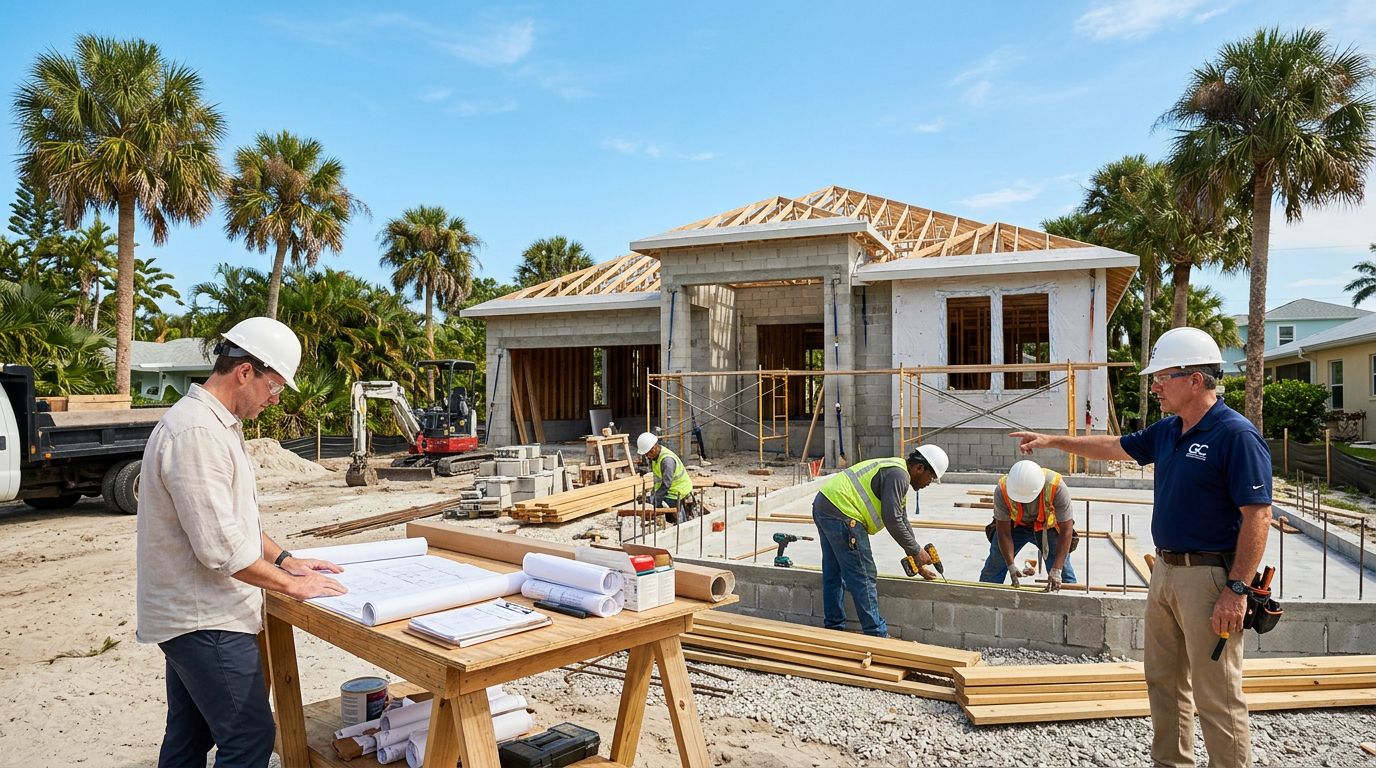
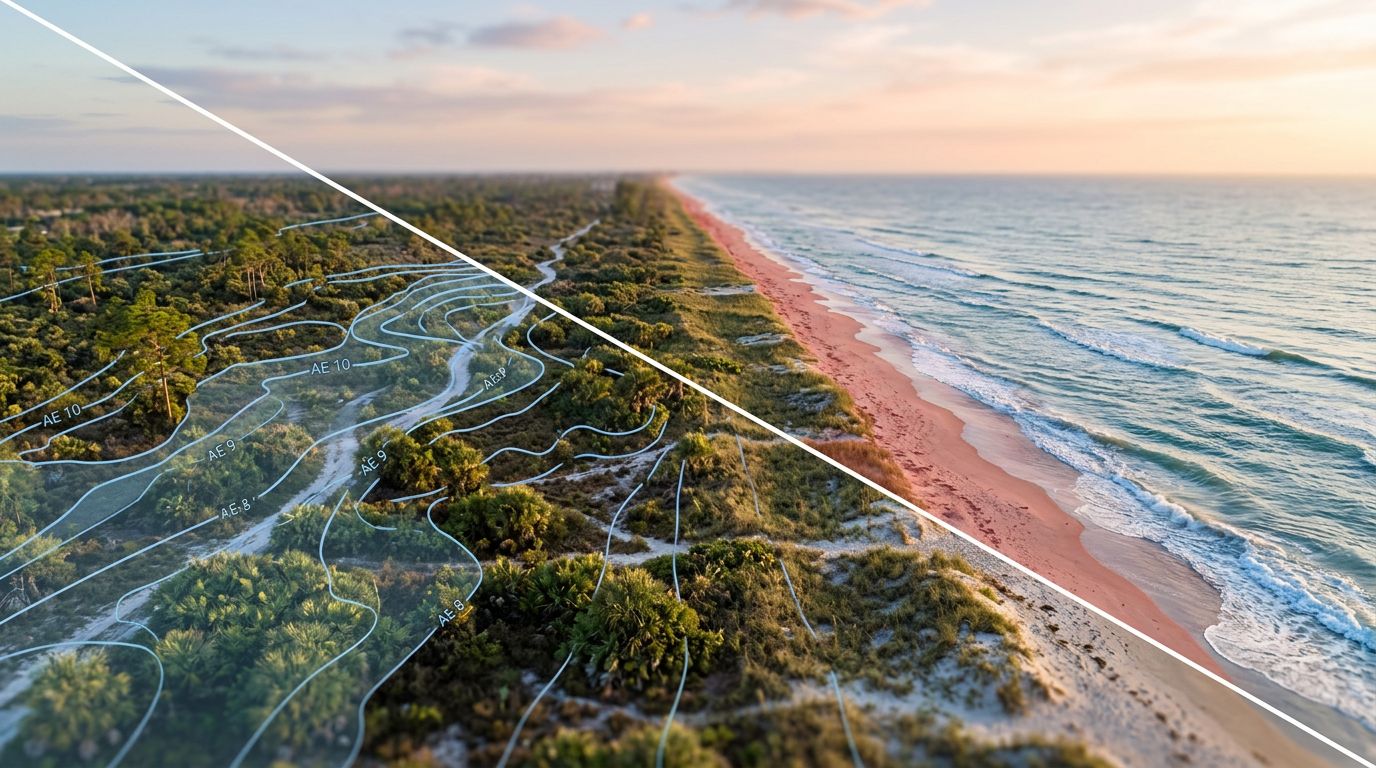
The lot affects setbacks, drainage, flood zone issues, utility access, and how much prep work the property needs. A narrow lot may limit the width of your home. A low lot may need fill, compaction, or extra grading. A corner lot may have different setback rules than the one next door.
That is why land should be checked before you fall in love with a plan. A Southwest Florida lot prep checklist can help you see how clearing, fill, and grading affect the total cost.
The lot sets the limits. The house plan works inside them.
If the site has drainage issues or needs a lot of fill, a beautiful floor plan can become expensive fast. A design that looks affordable on paper may stop making sense once the real site work starts. That is where buyers get surprised.
The lot also affects the way the house sits on the property. You may want a larger lanai, a pool, or a certain garage layout, but the lot shape may not allow it without changes. In Southwest Florida, those choices matter because outdoor living is part of the home, not an afterthought.
When choosing the house plan first makes sense
There are times when the plan should come first. That usually happens when the community, builder, or lot package already limits your choices.
If you are buying in a subdivision with pre-approved plans, the lot may be tied to a short list of elevations and layouts. In that case, the plan is almost part of the purchase. The same is true with builder packages that include a fixed set of designs, finishes, and lot options.
Plan-first can also work when you already know your must-haves. Maybe you need four bedrooms, a three-car garage, and a home office. If those details are non-negotiable, you can use the plan to narrow your lot search instead of starting blind.
That approach helps in neighborhoods where lots are scarce or expensive. If you know the exact footprint you need, you can rule out sites that are too narrow, too deep, or too constrained by setbacks. It also works when a builder already has a plan library that fits local rules.
Still, plan-first only works well when the land is predictable. If the lot is custom, wooded, low, or subject to special drainage or HOA limits, the site should lead the process.
Lot first vs house plan first
Here is the short version side by side.
| Factor | Buy the lot first | Buy the house plan first |
|---|---|---|
| Buildability | The site rules shape the design | The design shapes the land search |
| Budget risk | Lower after site review | Higher if the lot needs surprises |
| Flexibility | More room to adjust the plan | Less room if the lot is fixed |
| Best fit | Custom homes and tricky lots | Builder packages and approved communities |
| Speed | Better when you need land-specific decisions | Better when plans are already set |
If the site is unusual, lot first usually wins. If the community already controls the design, plan first can be the cleaner path.
A simple way to decide
Use this sequence before you commit.
- Write down your must-haves.
Decide on the basics first, like bedroom count, garage size, outdoor space, and budget ceiling. - Check the lot rules before the plan.
Look at setbacks, zoning, flood zone, access, HOA restrictions, utility availability, and any known drainage concerns. - Price the site work, not just the house.
A lot can look cheap until clearing, fill, permitting, utility runs, and grading get added. - Match the plan to the real site.
If the plan fits with only minor changes, you are on solid ground. If it needs major revisions, keep searching. - Ask what can change later.
Some items, like finishes, are easier to adjust. Others, like lot width or home placement, are fixed from the start.
Once the lot and plan are both under control, the rest of the process becomes easier to map out. A new construction home timeline can help you see how the project moves from slab to close.
Budgeting with a cost-plus builder
Budget clarity matters because lot costs and home costs blend together fast. That is especially true in Southwest Florida, where site work can add more than expected.
If you are working with a cost-plus home builder , transparent pricing is a big advantage. Itemized costs show what you are paying for land prep, contractor fees, allowances, and upgrades. That makes it easier to see whether a lot that looks affordable will stay affordable after the site is ready.
A low-priced lot can hide expensive prep work. A higher-priced lot can actually be the better deal if it already has good access, better drainage, or fewer grading needs. That is why the cheapest option on the market is not always the smartest one.
Ask for pricing that separates the land from the build as early as possible. You want to know what site work may cost, what plan changes may cost, and what happens if the lot needs extra fill or drainage work. Those numbers matter more than a glossy floor plan.
If you are still shaping the bigger picture, a guide to building a dream home in Southwest Florida can help you connect the early decisions to the rest of the build.
The smarter choice for most Southwest Florida buyers
For most buyers, the lot should come first because the site sets the rules. That is especially true in Southwest Florida, where drainage, elevation, and lot shape can change the whole project.
Choose the plan first only when the community or builder has already narrowed your options. Pre-approved plans, builder packages, and fixed lot-and-home combinations are the clearest exceptions.
If you keep one question in mind, it becomes simpler: what is fixed, and what can still change? In most cases, the lot is fixed first, and the plan follows. That order gives you fewer surprises and a better shot at a home that fits the land, the budget, and the way you want to live.