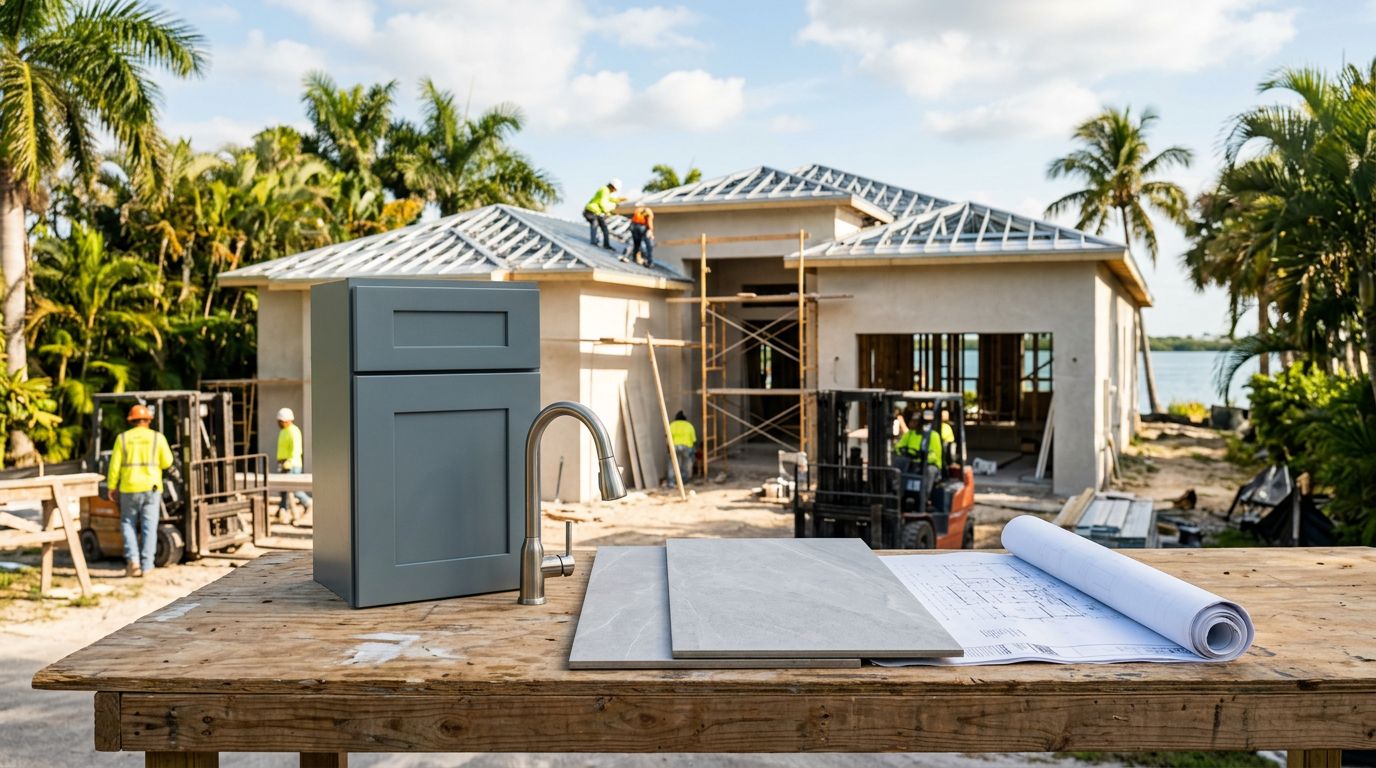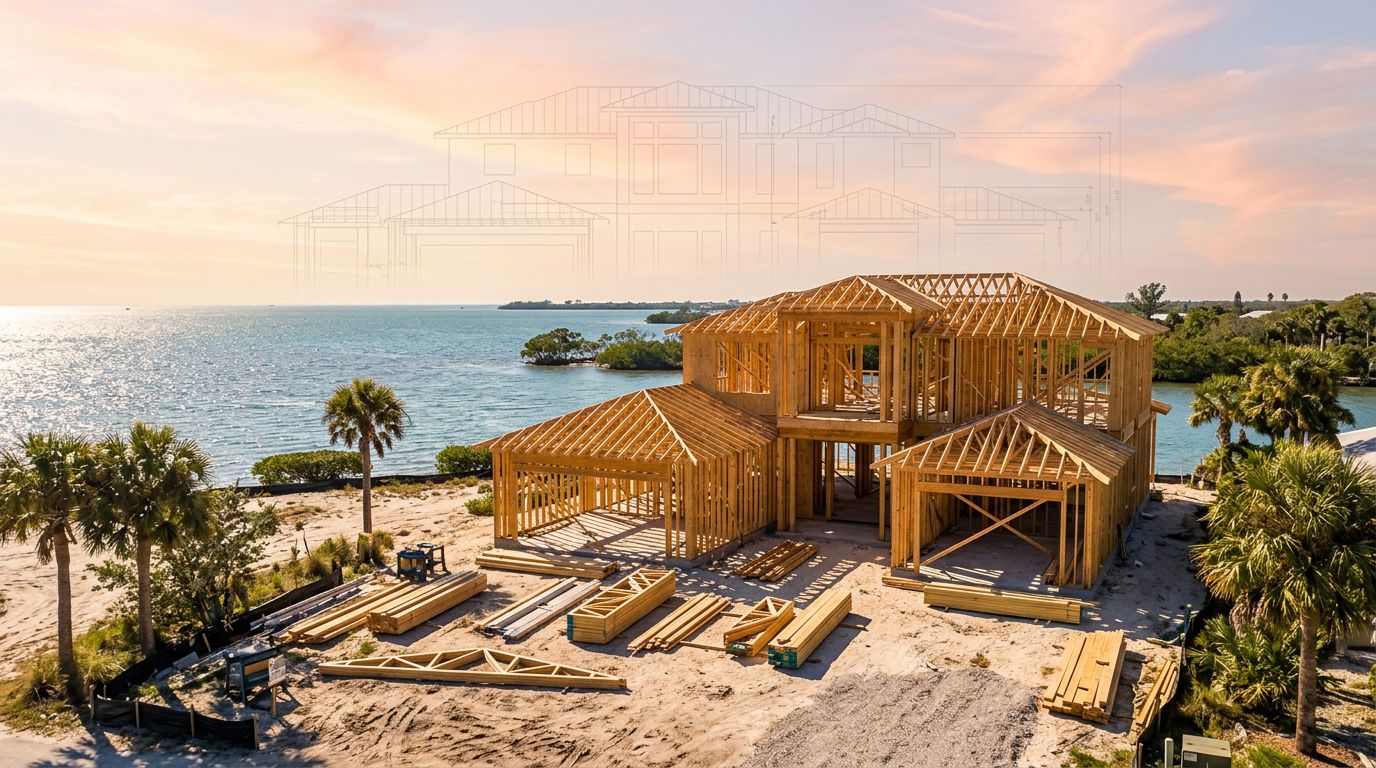
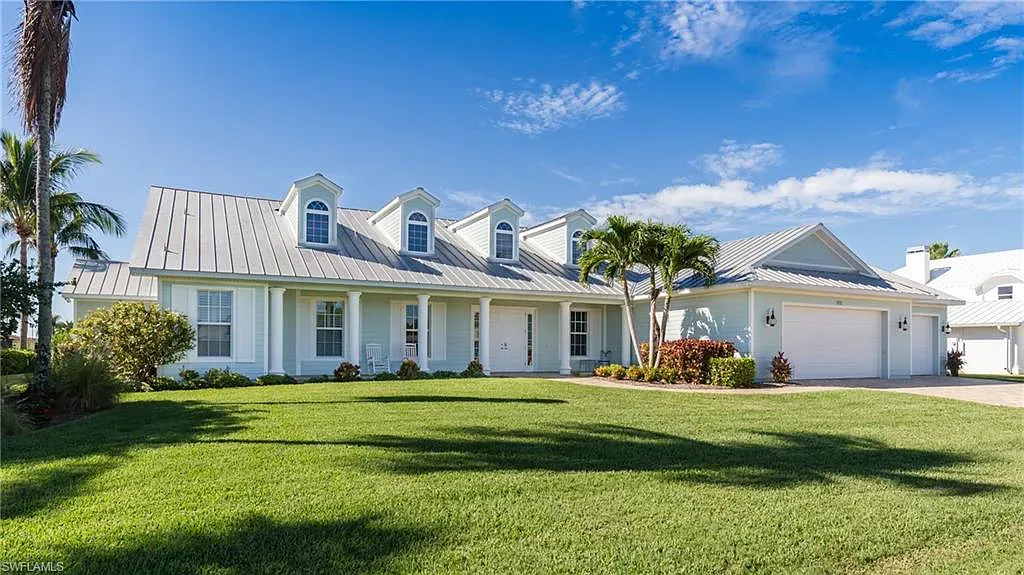


Waiting on a new build can feel like watching a pot that never boils. One week the site is wide open, the next it looks like nothing’s changed. That’s normal, and it’s why having a new construction timeline you can actually picture matters.
Below is a practical, week-by-week view of what usually happens in Southwest Florida from slab to closing. Timelines vary by builder, city or county rules, and weather (summer storms and hurricane season can slow things down fast). Use this as a planning tool, not a promise.
If you’re working with a cost-plus home builder who shares transparent pricing , you’ll also see schedule decisions more clearly, because you can tie changes and lead times to real invoices, not guesswork.
Week-by-week snapshot from slab to closing (typical SWFL build)
| Weeks | What’s happening on-site | What you should be doing | Typical inspections | Most common reasons this phase slips |
|---|---|---|---|---|
| Weeks 1–2 | Form and prep for slab, plumbing and steel in place | Confirm final plan set, review site plan, finalize lender draw schedule | Slab steel, slab plumbing, pre-pour (varies by jurisdiction) | Rain, failed pre-pour items, survey or elevation questions |
| Weeks 3–4 | Slab pour, cure time, start block or framing | Lock in windows and exterior doors, confirm roof material | Slab/pour sign-off (where required) | Concrete crew timing, material shortages, inspection availability |
| Weeks 5–6 | Walls up, trusses set, sheathing and roof dry-in starts | Choose exterior colors, confirm impact window specs, start insurance shopping | Framing or structural (often at key milestones) | Truss delays, wind/rain, change orders that affect structure |
| Weeks 7–8 | “Dried-in” shell, rough openings, underlayment | Electrical and lighting plan review, low-voltage needs | Framing tie-downs/straps (as required) | Window/door lead times, rework from plan changes |
| Weeks 9–10 | Rough plumbing, electrical, HVAC, in-wall work | Finalize tile layout areas, cabinet design meetings | Rough MEP (plumbing, electrical, mechanical) | Trades stacking on each other, failed rough inspection items |
| Weeks 11–12 | Insulation, air sealing (where used), drywall hang | Pick paint, flooring, and interior trim profiles | Insulation (where required), drywall/nail pops checks (varies) | Backordered insulation/drywall, humidity control issues |
| Weeks 13–16 | Cabinets, interior doors/trim, tile, showers | Order appliances, confirm countertops template dates | Shower pan or waterproofing (common), trade re-inspections | Tile crew gaps, waterproofing rework, appliance delays |
| Weeks 17–20 | Countertops, plumbing/electrical trim-out, fixtures | Schedule walkthroughs, confirm mailbox and address posting | Final electrical, final plumbing, final mechanical | Missing fixtures, wrong items delivered, punch list grows |
| Weeks 21–24+ | Final grading, driveway flatwork, landscaping, final clean | Utilities, lender conditions, insurance binder, closing documents | Final building, Certificate of Occupancy (CO) | Final inspection corrections, utility scheduling, paperwork delays |
For a local example of how permitting and inspection requests work, review Lee County Building & Permitting Services. Even if you’re building in Cape Coral, Fort Myers, or Collier County, the same idea applies: permit status and inspection scheduling drive the calendar.
Slab to dried-in shell (Weeks 1–8), where the schedule is made or broken
This stage is the foundation of the whole build, both literally and on the calendar. In Southwest Florida, early steps often include elevation checks, soil prep, and careful slab planning for plumbing runs. If something is off here, it’s harder (and slower) to fix later.
On-site, you’ll see quick bursts of progress, then pauses while concrete cures, inspectors sign off, or crews rotate. Think of it like a relay race: the next trade can’t sprint until the baton (approval) is handed off.
As the buyer, your job is to prevent “decision gaps.” Windows, exterior doors, roof selections, and any structural options need to be locked in early. If you change window sizes after framing is underway, the schedule doesn’t just slide, it can ripple into stucco, drywall, and even cabinetry.
Inspections vary by jurisdiction, but slab and early framing checks are common. If you want a feel for typical submittal and review steps, Lee County’s residential permit application requirements are a good reference for the kinds of documents and approvals that can slow down a start.
If you’re choosing a builder now, it helps to work with someone who’s used to the local pace of inspections and weather. Here’s one option for Southwest Florida new home builder services.
Rough-ins through drywall (Weeks 9–16), the “hidden work” that protects your home later
Once the house is dried in, progress can feel less visible from the street, but this is when the systems that make the home livable go in. Plumbing, electrical, HVAC, and sometimes gas (if used) all compete for space in the walls and ceilings. Coordination matters.
Your biggest leverage point as a homeowner is selections that affect rough-ins. Lighting locations, shower valve placement, appliance specs, and any special wiring (for cameras, networking, or a generator inlet) should be settled before walls close. If you’re building with transparent pricing , you’ll also see where changes create extra labor, re-inspections, or restocking fees, which helps you make calm decisions instead of rushed ones.
Inspection-wise, “rough” approvals are the gate. If a rough plumbing or electrical inspection fails, drywall usually can’t move forward. The most common causes are simple: missing nail plates, incorrect venting, a grounding detail, or a shower pan that doesn’t hold.
Slips in this phase often come from trade stacking and humidity. One crew runs late, the next crew can’t start. Add a week of heavy rain and delivery delays, and the calendar shifts.
If you like reading the official how-to on permitting steps and inspection requests, Lee County provides a detailed PDF guide, Residential Building Application and Permitting Guide.
Finishes to close (Weeks 17–24+), punch lists, CO, and the paperwork sprint
This is the stage buyers dream about, until they realize how many small parts have to arrive on time. Trim-out depends on having the right fixtures on-site. Countertops depend on cabinets being set and level. Final inspections depend on safety items, address posting, and often even site access.
You can keep this phase tighter by doing two things: confirm long-lead items early (appliances, special-order tile, custom shower glass), and do walkthroughs that catch issues before the final push. A good builder will welcome this, because it’s cheaper to adjust a cabinet door before countertops go in than after.
In Southwest Florida, also watch insurance and flood details. If your property is in or near a flood zone, your lender and insurer may require documents tied to elevation and mapping. If you’re in Lee County, it’s worth checking 2026 FEMA proposed flood map revisions so you’re not surprised late in the process.
Finally, remember that closing isn’t just a construction milestone. It’s a legal and lending event under Florida’s permitting framework (see Florida Statute 553.79 for the state’s building permit law). If paperwork lags, you can be “done” on-site and still not close.
Final 30-day checklist (keep this moving every week):
- Final walkthrough : Do it with your contract scope in hand, note what’s incomplete versus what’s cosmetic.
- Punch list : Keep it written, dated, and prioritized (safety and water issues first).
- Certificate of Occupancy (CO) : Confirm what the city or county needs for issuance, then track corrections fast.
- Lender conditions : Final appraisal, inspection sign-offs, and any title requirements.
- Homeowner’s insurance : Binder in place, ask about wind features and any wind mitigation documentation they want.
- Utilities : Electric, water, sewer, internet scheduling, and account setup.
- Closing documents : ID, wire instructions, final numbers, and warranty documents.
Conclusion
A Southwest Florida build moves in bursts, then waits on inspections, materials, and weather. When you understand the week-by-week pattern, the pauses don’t feel mysterious, they feel manageable. A builder who runs a cost-plus home builder model with transparent pricing can also make the final stretch less stressful, because you’ll see what’s ordered, what’s pending, and why. The best question to keep asking is simple: what decision, inspection, or document is the next gate to clear?