


A double lot can make a Cape Coral home feel open and private, but it can also stretch the budget fast. In 2026, the land is only part of the story. Fill dirt, drainage, utilities, flood rules, and the home itself can shift the number far more than many buyers expect.
If you're planning a new build in Southwest Florida, the smartest move is to price the lot, the site work, and the house as separate pieces. That gives you a clearer picture before the first permit is filed.
Why a double lot changes the math
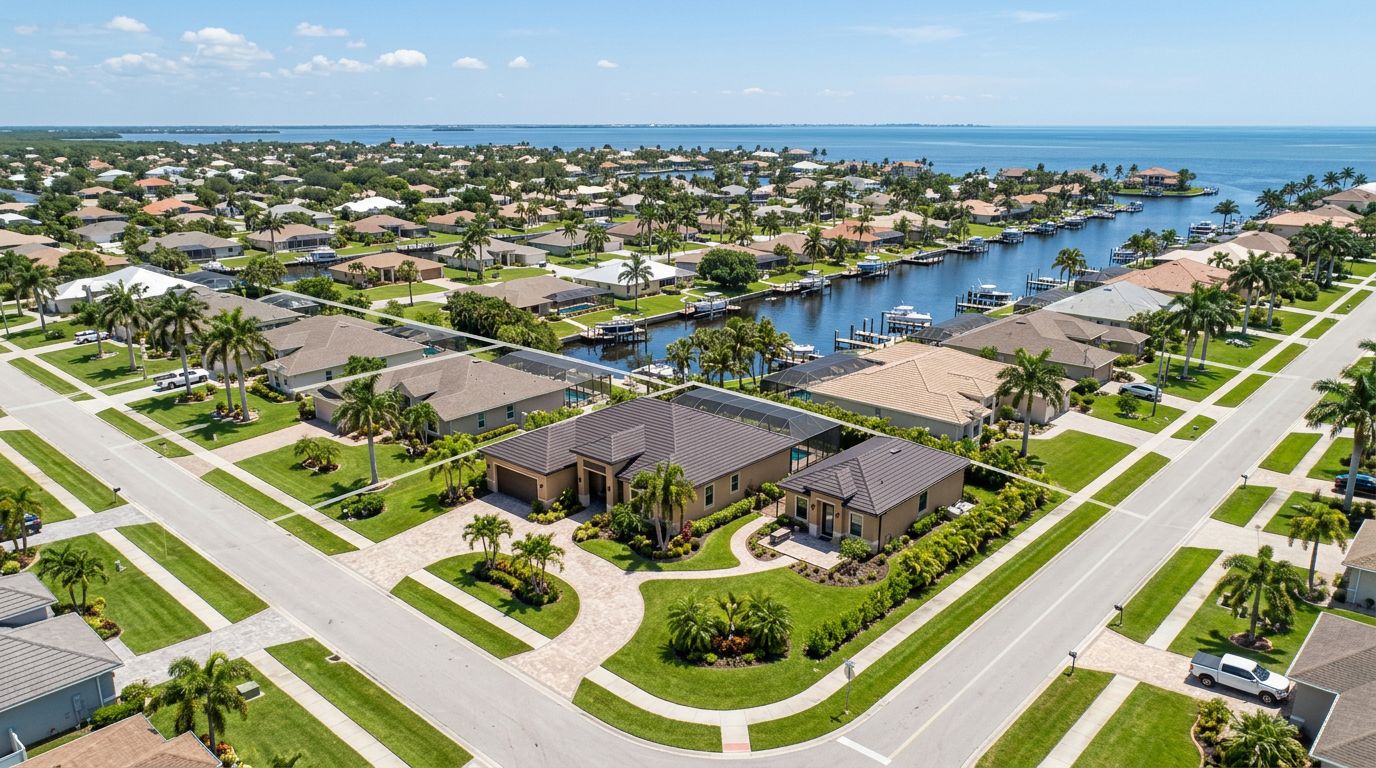
With a double lot, you are often buying more than extra yard space. You may also be buying a wider build envelope, a longer driveway, more drainage work, and a larger outdoor area to finish later.
The lot itself can look simple on paper. The budget rarely does.
Here is a quick look at the main cost pieces many Cape Coral buyers face in 2026:
| Cost piece | Typical 2026 range | What pushes it higher |
|---|---|---|
| Inland double lot | $100,000 to $180,000 | block, location, condition, seller premium |
| Waterfront or canal-access double lot | $300,000 to $1,000,000+ | view, access, depth, neighborhood demand |
| Site work and fill | $10,000 to $30,000+ | low elevation, clearing, drainage, soil condition |
| Permits and utility tie-ins | $5,000 to $15,000+ | lot size, utility distance, local fees |
| House construction | $300,000 to $600,000+ | size, finish level, hurricane specs, design complexity |
That table is the starting point, not the finish line. In many cases, an inland double lot with a mid-range new home lands in the $450,000 to $750,000 range before a pool or major outdoor upgrades. Waterfront projects can run much higher.
The extra space does give you more freedom. It can also add more square footage to the build, a larger roof, more windows, more concrete, and more finish work. Every one of those choices changes the final number.
Land price is only the starting point
Cape Coral lot costs for new homes in 2026 depend on more than lot size. Two lots next to each other can still behave very differently once you look at elevation, access, and utility service.
A clean inland lot is easier to price. A low, wet, or overgrown parcel is not. If the site needs fill dirt, grading, or better drainage, the land starts acting like a second project.
Flood zone matters too. Even when the home site looks flat and usable, the lot may need more elevation work to satisfy code, builder standards, or insurance concerns. That can mean extra dirt, more labor, and more time before the slab is ready.
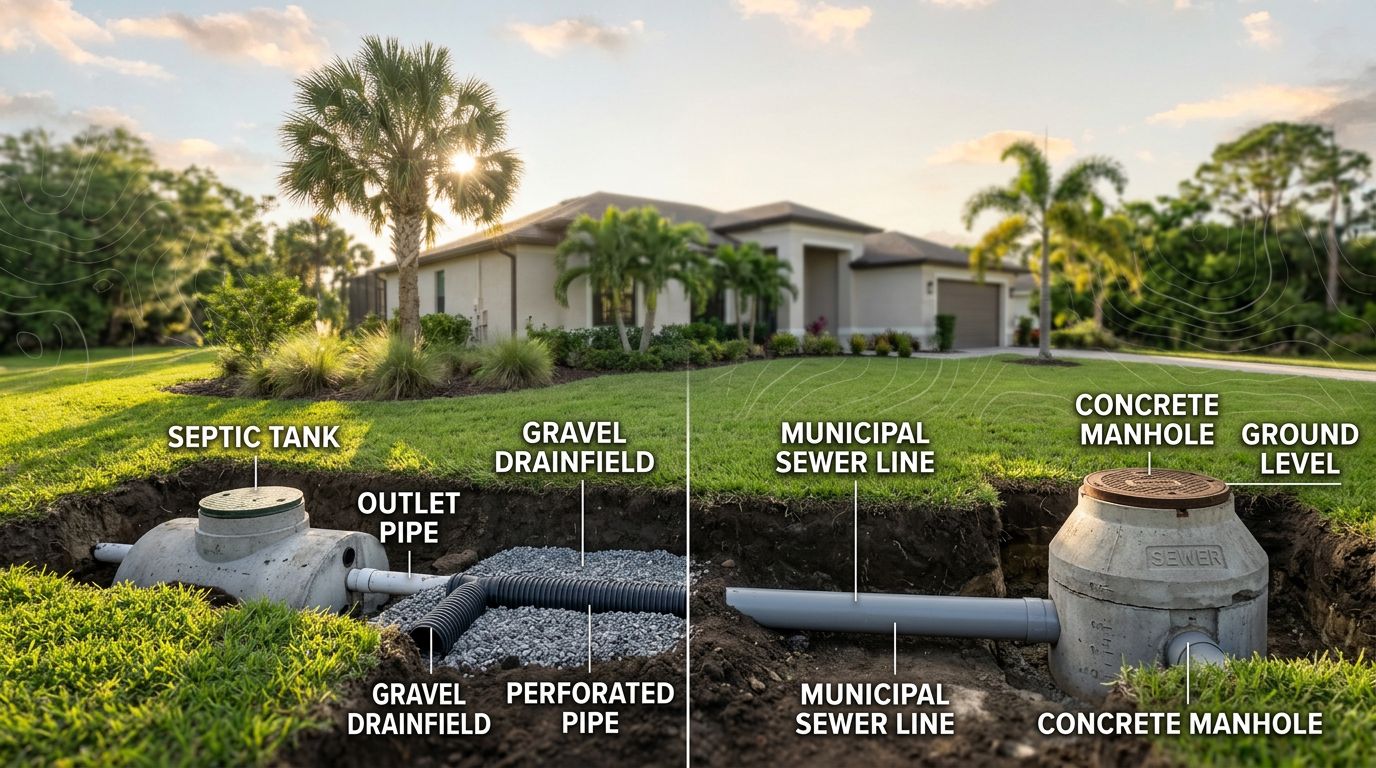
Utilities matter in the same way. If water, sewer, electric, or internet service are already close, the site is easier to manage. If the runs are longer, the cost goes up. On a double lot, that can happen faster than buyers expect because the house may sit farther from the street or the service point.
Neighborhood rules can also change the math. Some communities have HOA standards for setbacks, driveway width, fences, or exterior features. Others limit where pools, accessory structures, or storage areas can go. That can force a different layout, and a different cost.
A double lot can look simple on the listing sheet, then turn into a site work project before the slab is poured.
If the lot is waterfront or canal-adjacent, the budget can change again. Seawall work, dock planning, and waterfront drainage can add a large sum before the house even starts. For some buyers, that is worth it. For others, it pushes the project into a price range that no longer fits.
Hidden costs that shape the final number
A double lot often looks affordable until the smaller line items show up. Those line items add up fast.
The most common ones are easy to miss because they do not look like part of the house.
- Permits and impact fees : These often land around $5,000 to $15,000, depending on scope and local requirements.
- Site clearing and grading : Brush removal, tree work, fill, and grading can run $10,000 to $30,000 or more.
- Temporary utilities : Power, water, and setup costs add several thousand dollars in many builds.
- Engineering and surveying : You may need surveys, drainage plans, or soil-related checks before work can move ahead.
- Outdoor scope : A bigger lot often leads to a bigger patio, fence, driveway, or pool plan.
If you already know the backyard will include water features, start that budget early. Southwest Florida pool costs for new construction in 2026 give a better sense of how pool shells, cages, and deck work affect the full project.
The same is true for inspections. A modest line item can save a much larger headache later, especially before walls close. Pre-drywall inspection costs for new Florida homes are worth reviewing before you lock in your construction budget.
If you plan to fence a bigger yard, add irrigation, or finish a larger lanai, those costs belong in the first budget draft, not the last one. A double lot gives you room, but that room is not free.
How transparent pricing helps on a double-lot build
A fixed quote can look tidy, but it can hide too many assumptions. On a Cape Coral double lot, those assumptions matter.
A cost-plus home builder lays out the real numbers instead of burying them inside one big lump sum. That matters because site conditions often change during the build. Extra fill, a longer utility run, or a different drainage plan can all show up after work begins.
With transparent pricing , you can see the house cost, the site cost, the allowances, and the builder fee. That makes it easier to compare lots and design options side by side. It also helps you spot where a builder has padded the estimate and where the site may need more attention.
If you want a broader baseline for the house portion of the budget, this real budget breakdown for a custom home in Southwest Florida is a helpful companion piece. It shows how site work, finishes, and soft costs can stack up even before outdoor upgrades enter the picture.
On a double lot, the cleanest estimate is the one that separates the land from the home, and the home from the extras. That includes the pool, the fence, the lanai, and the contingency. When those pieces stay visible, the project feels a lot less mysterious.
Building a realistic 2026 budget for a Cape Coral double lot
A smart budget starts with the lot itself, then works outward. That order keeps the bigger surprises from hiding in the corners.
- Price the land first, and ask what the lot really includes.
Two adjacent parcels are not always priced the same way as one combined site. Ask whether the price reflects clearing, survey work, or any seller assumptions. - Review the site before you fall in love with the house plan.
Flood zone, elevation, drainage, and utility access can all change the build cost. A lot that looks easy online may need more work than expected. - Separate the house from the backyard.
A pool, screen enclosure, large patio, fence, and landscaping should each have their own number. That keeps the budget honest when the lot is bigger. - Leave room for the small things that are not small.
Permits, inspections, temporary utilities, and last-minute plan changes can move the total. A little room in the budget is better than scrambling later.
A double lot can be a great fit if you want more privacy, a bigger home, or a stronger outdoor plan. It can also be the wrong fit if the lot needs heavy fill or expensive utility work. The difference is often in the details.
Conclusion
Cape Coral double-lot costs in 2026 are shaped by much more than the land price. The lot condition, flood zone, utilities, site work, and outdoor plans all play a part.
When you break the budget into clear pieces, the project becomes much easier to judge. That is the real value of transparent pricing . It shows where your money is going before the dirt starts moving.
The strongest budget is the one that still makes sense after the site surprises show up. In Cape Coral, that kind of planning is worth just as much as the extra yard space.