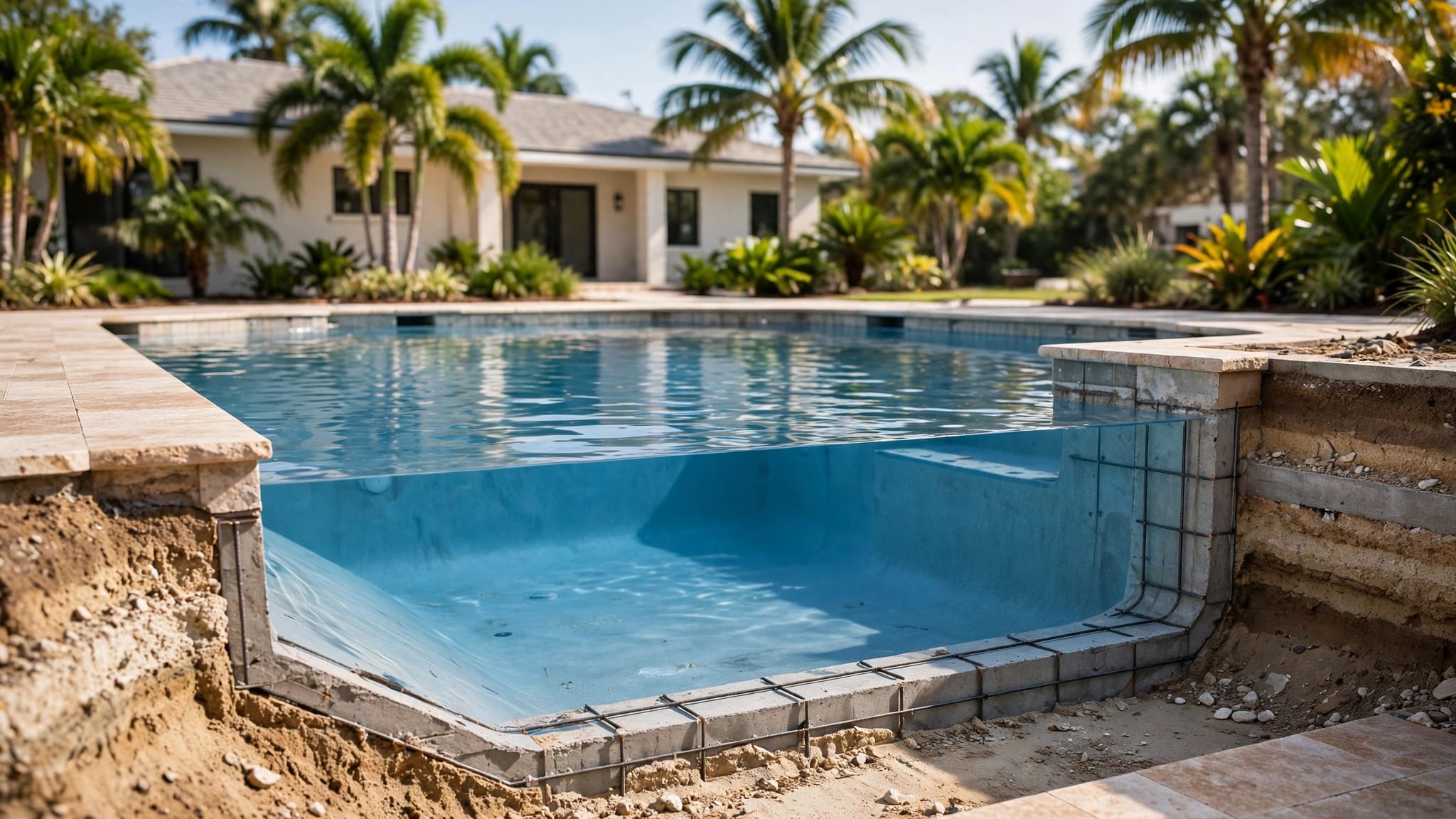
Fort Myers Kitchen Sink Replacement Without New Counters
Explore Our Services
Contact Us Today!
(239) 322-9295
Replacing a damaged or dated sink doesn't always mean buying new countertops. In many Fort Myers kitchens, a kitchen sink replacement works when the new basin matches the existing cutout, mounting style, cabinet space, and plumbing connections.
A countertop can stay in place when the opening and finish remain compatible. Changing sink size or mount may require more work, so start with measurements and a fit assessment before removing the old sink.
Key takeaways
- A replacement sink is most likely to fit when it uses the same mounting style and works with the existing cutout.
- The sink's outside dimensions matter, but so do bowl depth, faucet holes, clips, and cabinet clearance.
- A larger sink may need a wider cabinet or a modified countertop opening.
- Stone, quartz, solid surface, and laminate have different fabrication needs.
- For stone cutouts, mount changes, or damaged counters, a qualified installer can help prevent costly damage.
When a sink can be replaced without changing the countertop
A sink can often be replaced while keeping the countertop if the new model fits the opening and mounts in a compatible way. The simplest swap is usually like for like: a top-mount sink replacing another top-mount sink, or an undermount sink replacing one with a matching cutout and support system.
The countertop also needs to be sound around the opening. Cracks, swelling, loose laminate, or a deteriorated edge can make a direct replacement risky, even when the new sink's dimensions appear suitable.
Match the mounting style
A top-mount, or drop-in, sink rests on the countertop. Its rim covers the cut edge, so the replacement must have a rim that fully covers and supports the opening. An undermount sink attaches below the counter, leaving the cut edge visible. That edge needs to be finished appropriately, and the sink must attach securely underneath.
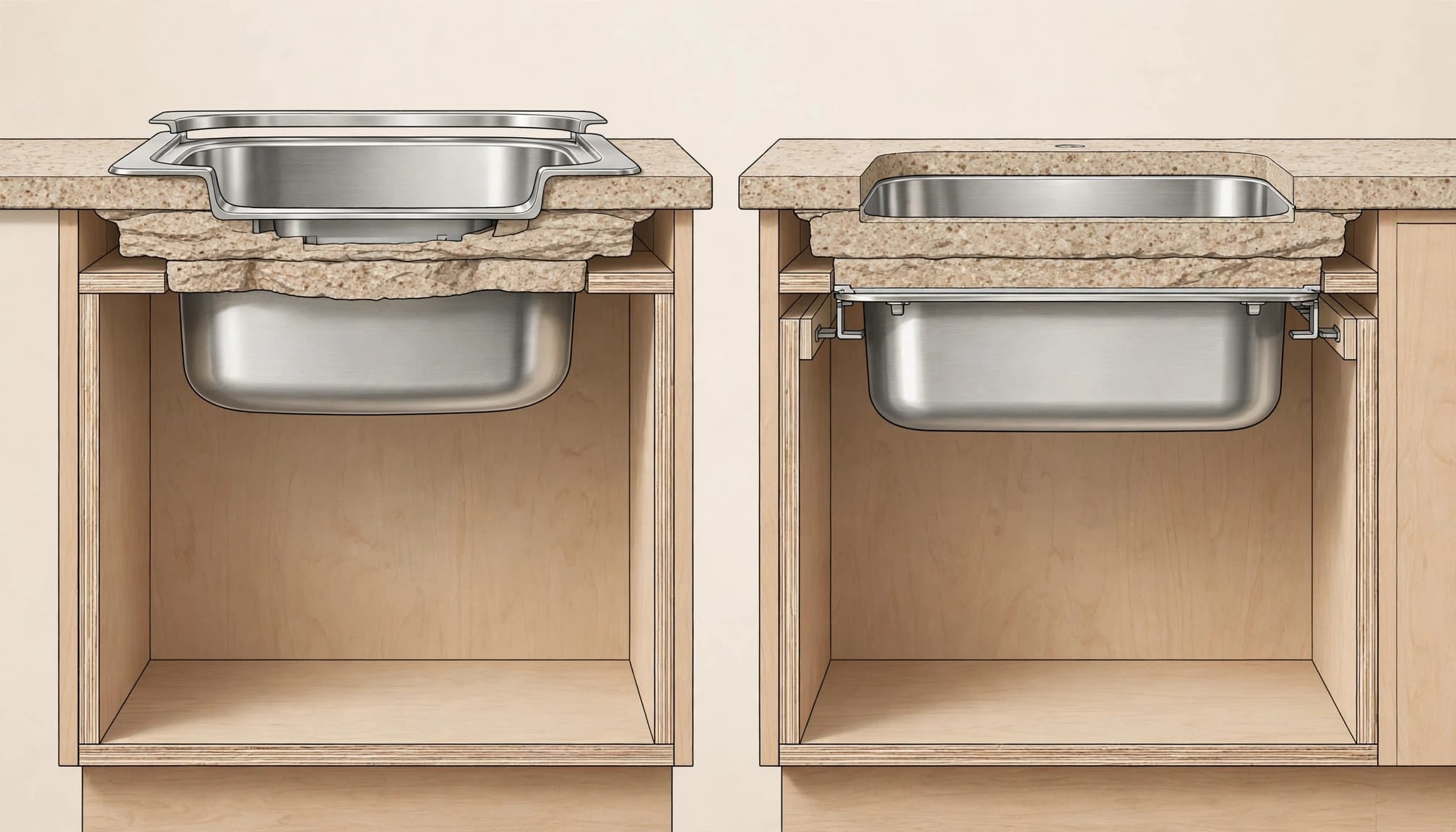
Switching from one mount style to another can be more involved than replacing a sink with the same style. The new rim or basin may not conceal the old cutout, and the existing countertop edge may not suit the new installation.
Check what holds the sink in place
Top-mount sinks use a rim and clips or other fasteners. Undermount sinks need secure support beneath the counter, along with a suitable seal at the edge. The replacement needs to work with the existing attachment area, not merely fit the hole.
How sink dimensions affect compatibility
Product listings often emphasize overall width and length, but those measurements don't tell the whole story. Compare the new sink's cutout requirements with the actual opening, and consider how the basin sits inside the cabinet.
A sink's bowl depth, corner shape, rim width, faucet deck, and drain position can all affect fit. A deeper basin, for example, may leave less room for the drain assembly or disposal under the sink.
Measure the sink and the opening
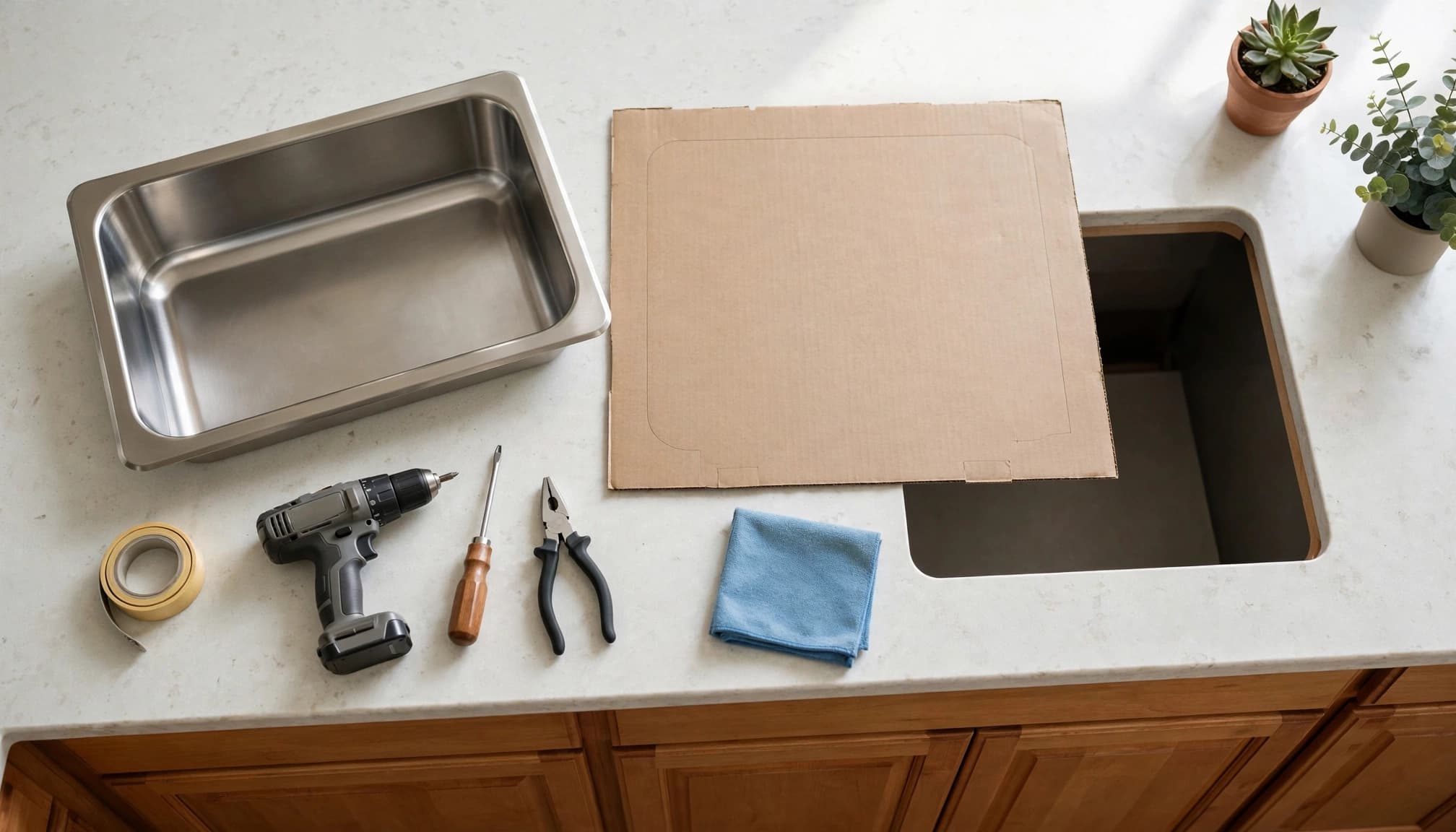
Before ordering, record the current sink's outer dimensions and the countertop opening. For an undermount sink, note the exposed cutout and the space available below the counter. Check the manufacturer's cutout template for the replacement model, since its required opening may differ from the sink's outside measurements.
Also look at the sink cabinet. Interior width, drawer parts, supports, and plumbing can restrict the size or depth of a new basin. The cabinet must accommodate both the sink and its drain connections.
Account for bowls, faucets, and drains
A single-bowl sink can offer more uninterrupted space for large cookware, while a double-bowl model divides the basin for separate tasks. Either style can work, but the new bowl arrangement must fit the opening and cabinet. A double-bowl sink also needs room for its drain assembly beneath the cabinet.
Faucet holes deserve the same attention. Check the replacement sink's faucet deck against your current faucet and accessories, such as a soap dispenser or filtered-water tap. For more help choosing a configuration, see our guide to single-bowl versus double-bowl sinks.
What the existing cutout and countertop tell you
The existing opening often determines whether the countertop can remain untouched. A new sink that is too large may require the opening to be enlarged. If it's too small, the rim may fail to cover the cut edge, or an undermount basin may reveal an unfinished area.
A smaller top-mount sink can sometimes fit an existing opening if its rim covers the cutout fully and rests securely. However, the new sink's shape must match closely enough to provide support all around. A wider rim alone doesn't solve a mismatch if the opening has a different outline.
Countertop material affects the options. Stone, quartz, solid surface, and laminate have different fabrication requirements. Even when a cutout change is possible, it should be planned for the specific material and installation.
A sink upgrade may also affect more than the counter. A larger single bowl can require a wider cabinet or a new cutout, while a deeper basin may conflict with the drain height or disposal. Keeping the same sink location can help avoid added plumbing work, but it doesn't guarantee the new sink will fit.
Protecting stone and laminate during removal
Removing the old sink can damage the surface if the installer pries against a fragile edge or cuts through a sealed joint carelessly. Stone and quartz can chip or crack near the opening, especially if the sink is stuck or its supports are carrying weight. Undermount sinks also need proper support before their fasteners or adhesive are released.
Laminate has different risks. Moisture can damage the core if water reaches an exposed cut edge, and forceful removal can lift or chip the surface around the opening. The replacement sink's rim and seal need to protect that edge.
Before removal, clear the cabinet and protect the counter. Shut off the water, disconnect the faucet and drain connections, and support the sink before releasing its clips or brackets. If the sink won't release with controlled effort, stop rather than using the countertop as a lever.
The seal must be removed without gouging the counter. After the sink comes out, the opening needs to be clean and dry before the replacement is set. Damage discovered at that stage can change the scope of the work, so avoid ordering a sink based only on a quick glance at the old one.
A practical sequence for replacing the sink
A planned sequence reduces the chance of discovering a mismatch after the old sink is already out. Keep the replacement sink, template, and installation details on hand before disconnection begins.
- Measure the current sink, cutout, cabinet interior, faucet deck, and available plumbing space.
- Compare those measurements with the new sink's template and mounting requirements.
- Check whether the faucet, disposal, drain fittings, and clips will work with the replacement.
- Disconnect water and drain lines, support the old sink, then remove its fasteners and seal.
- Clean and inspect the opening, dry-fit the replacement, then install and seal it as directed.
- Reconnect the plumbing and test for leaks, including beneath the sink and around the drain.
Dry-fitting is important. It can reveal a mismatch before sealant or fasteners make the installation harder to correct. If the sink rocks, the rim does not sit evenly, or the cutout edge remains exposed where it shouldn't, pause and address the fit.
When to hire a qualified installer
A straightforward top-mount replacement may be manageable for a capable homeowner when the opening, sink style, and connections match. Still, an installer is the better choice when the sink is undermounted, the countertop is stone or quartz, or the old sink has a stubborn adhesive bond.
Hire a qualified professional if the cutout needs to change, the counter has a crack or damaged edge, or the replacement requires new support. Plumbing changes also warrant a professional when drain alignment, disposal placement, or water connections need adjustment. If you're unsure how to disconnect or reconnect a fitting safely, don't force it.
The sink's full installed cost can depend on material, size, countertop, cabinetry, and labor. Mounting style, faucet drilling, disposal work, cabinet support, plumbing changes, demolition, and countertop fabrication can affect the work as well. Compare the complete scope rather than judging the project by the sink's purchase price.
Planning a sink replacement in Fort Myers
For many Southwest Florida homeowners, keeping a sink on its existing plumbing wall can reduce access work and simplify the dishwasher connection. If the current location works, a new sink can update daily use without shifting the kitchen layout. Our article on whether to relocate kitchen plumbing covers the tradeoffs involved.
If the sink replacement is part of a larger remodel, coordinate the sink, cabinet, counter, faucet, and appliance decisions before work begins. A larger basin may affect cabinet choices, and a different cutout may need countertop fabrication. Planning the details together can prevent one selection from forcing a last-minute change to another.
Cutting Edge Homes & Renovations provides kitchen remodeling in Fort Myers. For a sink-only update or a broader kitchen project, the right scope depends on the condition of the counter, the cabinet fit, and how much the new fixture changes the existing setup.
Frequently asked questions
Can I replace an undermount sink with a top-mount sink?
Possibly, but the top-mount rim must cover and support the existing opening. The old cutout and counter edge also need to suit that installation. A fit assessment before removal can reveal whether the change is practical.
Can a larger sink fit the existing countertop?
It may fit if the countertop opening can be enlarged and the cabinet can hold the wider or deeper basin. Stone and quartz require careful fabrication, and the drain and disposal need adequate cabinet space.
Can I keep my existing faucet and disposal?
Often, but compatibility depends on the new sink's faucet holes, drain position, bowl configuration, and available cabinet space. A different basin depth or drain location may require adjustments.
Does replacing the sink require replacing the countertop?
No. If the replacement works with the existing cutout, mounting style, counter condition, and cabinet, the countertop can often remain. A mismatch or damaged edge may require countertop work.
Keep the countertop when the fit works
A sink replacement can preserve a countertop when the new basin suits the existing opening, mounting method, and cabinet. Measure before ordering, protect the cutout during removal, and treat material compatibility as part of the decision. The sink may be a small part of the kitchen, but a reliable fit is what makes the countertop reusable.