Single vs double sinks for a Cape Coral kitchen
Explore Our Services
Contact Us Today!
(239) 322-9295
Your kitchen sink handles more work than almost any other fixture in the room. It affects food preparation, dishwashing, counter space, cabinet storage, and the way your kitchen feels during cleanup.
When comparing single vs double sinks , start with your daily routine instead of choosing by appearance alone. A large single bowl may suit homeowners who cook with oversized pans, while a double-bowl sink can make washing and rinsing easier.
Both options can work well in a Cape Coral kitchen remodel. The better choice depends on your cabinet layout, countertop material, plumbing location, accessibility needs, and plans for the home. Here is how the two designs compare in practical terms.
Single vs double sinks: the daily-use tradeoff
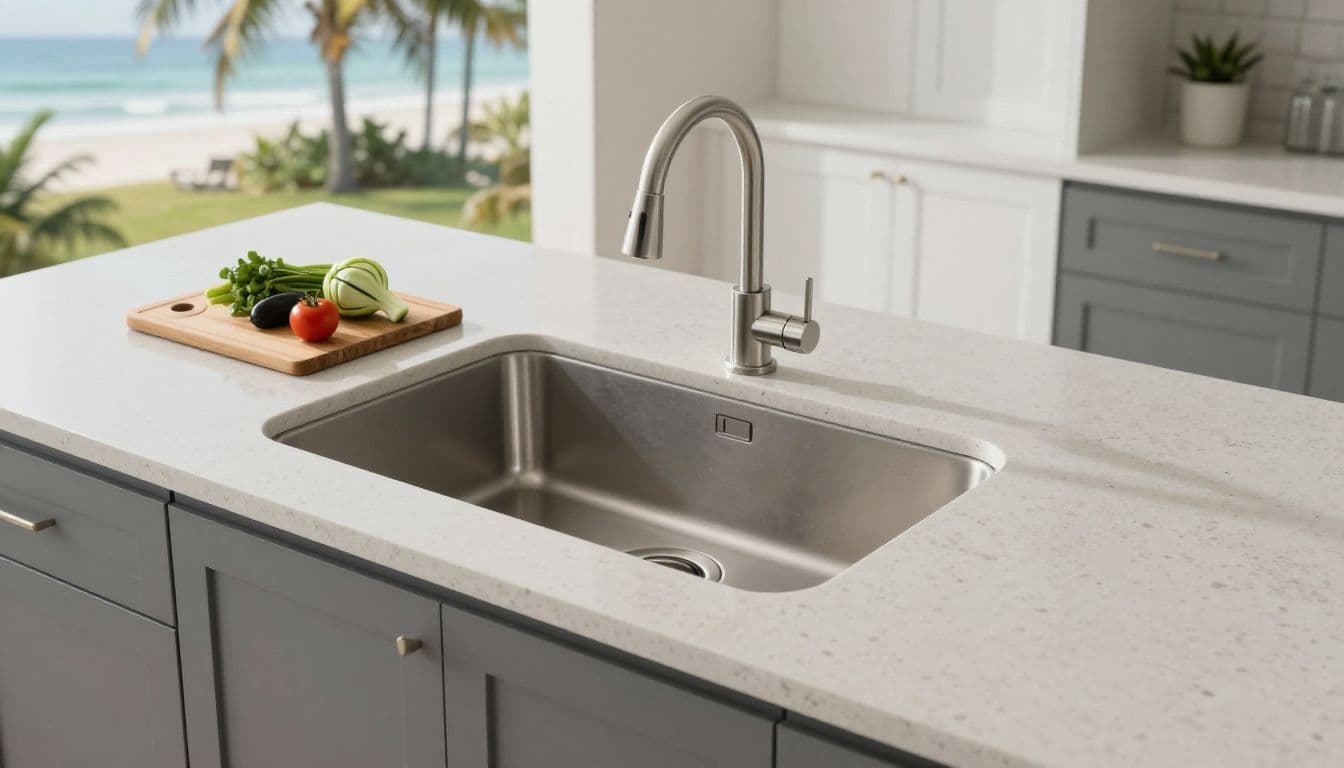
A single-bowl sink has one uninterrupted basin. That open space makes it easier to wash roasting pans, baking sheets, stockpots, and large serving dishes. The basin can also provide more room for a removable colander, drying rack, or cutting board.
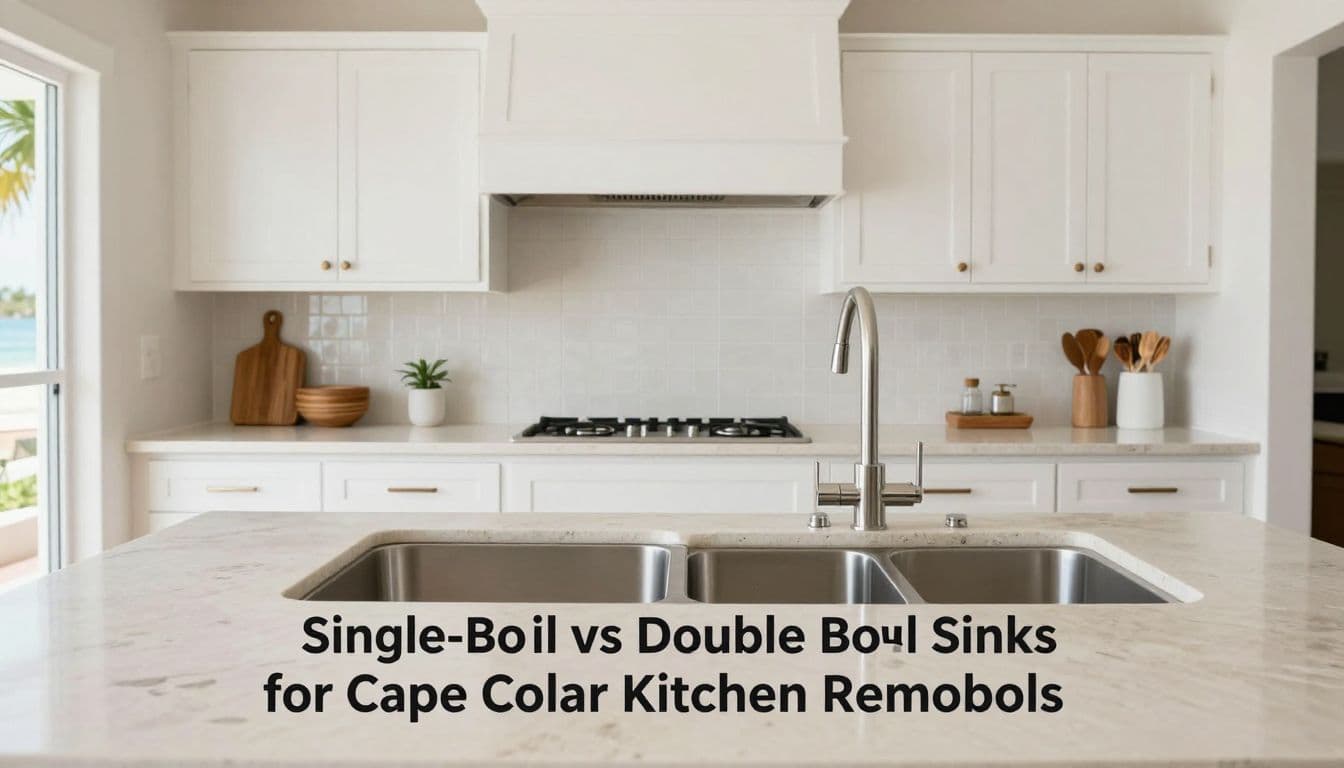
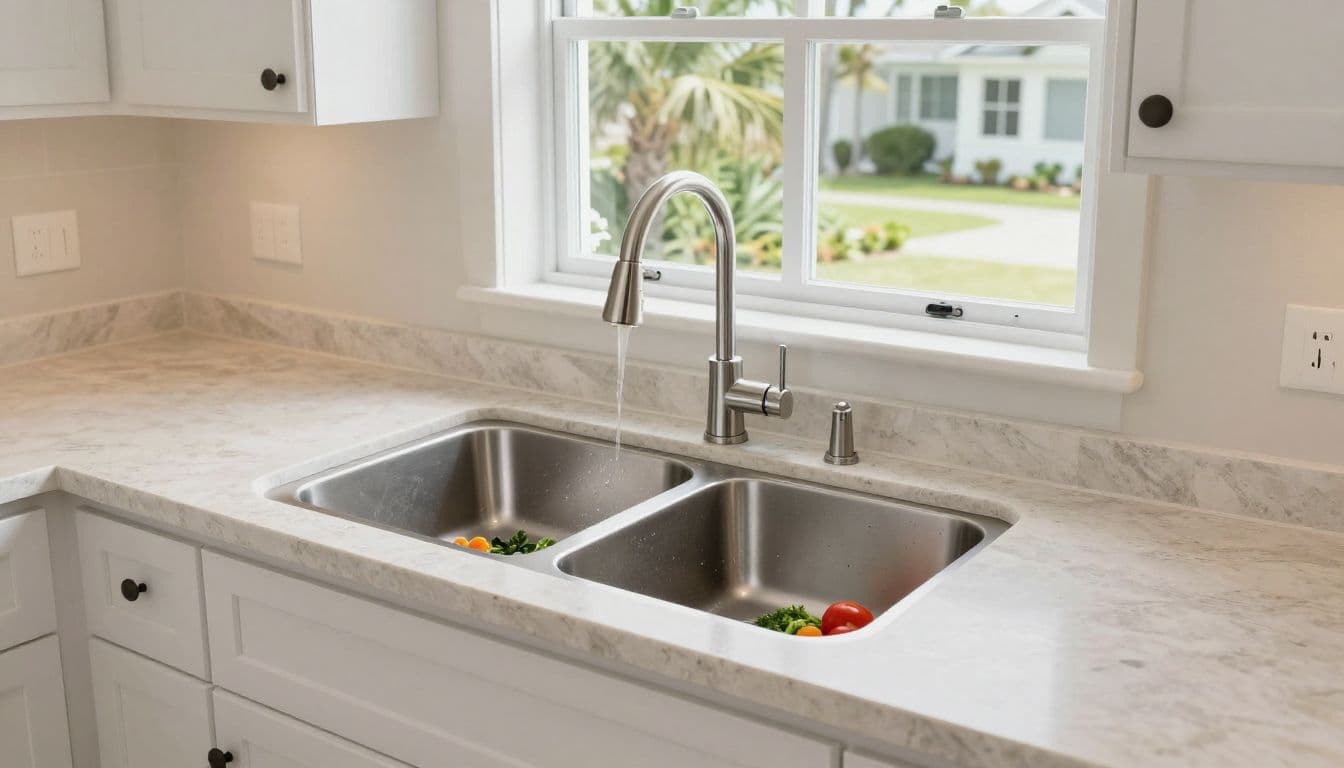
A double-bowl sink divides the basin into two sections. The bowls may have an equal 50/50 split, or one side may be larger in a 60/40 design. You can soak dishes in one side while rinsing produce in the other, although each basin offers less width.
The single vs double sinks decision often comes down to one question: do you need more basin space, or do you prefer separate work areas?
A single bowl generally offers:
- More room for large cookware
- A simpler basin to wipe and rinse
- Better flexibility for workstation accessories
- Less separation between dirty dishes and food preparation
A double bowl generally offers:
- Separate areas for soaking and rinsing
- A staging spot for dishes during cleanup
- More control when washing items by hand
- Smaller basins that may limit large cookware
Basin size changes prep and cleanup
The outside dimensions of a sink don't tell the whole story. The divider, bowl depth, drain position, and corner shape all affect how much usable space you have.
When a single bowl gives you more working room
A single-bowl sink works well for people who cook large meals or clean oversized cookware regularly. A wide basin lets you lay a sheet pan flat, rinse a large cutting board, or fill a tall pot without angling it around a divider.
The open design also helps during food preparation. You can wash large vegetables, rinse a colander, or use a roll-up rack across the basin. A workstation sink may include accessories that add prep space, but these should not replace the counter area you need beside the sink.
The tradeoff is that a single bowl doesn't create separate zones. If dishes are soaking, you may need to clear the basin before rinsing food. A dishwasher helps reduce this issue, especially when it sits close to the sink.
When two basins make kitchen tasks easier
A double-bowl sink gives each task its own space. One basin can hold soapy water while the other handles rinsing. You can also keep a few dishes in one bowl while using the other for a quick task.
The size of each bowl matters. A 50/50 sink offers balanced space, while a 60/40 sink gives you one larger basin for pots and one smaller basin for rinsing or prep. If you wash large pans by hand, check the interior measurements instead of relying on the sink's overall width.
Cabinet fit and installation details matter
A sink must fit the cabinet below it and the countertop above it. Choosing a model before checking those dimensions can create expensive changes late in the project.
Measure the sink base before you shop
Sink size and cabinet size are related, but they aren't the same measurement. Many sink models list a minimum cabinet width, and that requirement can change with the bowl shape, depth, mounting style, and material.
Measure the inside width of the sink base cabinet. Then check its depth, plumbing location, drawer placement, shelf position, and clearance for a garbage disposal. A larger sink may require a wider cabinet, while an apron-front model may require a modified cabinet face.
Undermount sinks also need an exact countertop cutout. Top-mount sinks have different edge and support requirements. If you're changing cabinets during a remodel, share the sink model with the cabinet designer before ordering.
For a broader project plan, homeowners can review expert kitchen remodeling in Cape Coral before finalizing the layout.
Plan the drain, disposal, and countertop cutout
Both sink styles need hot and cold water supply lines, a drain connection, and a properly planned dishwasher connection. A double-bowl sink uses two basket drains that join under the cabinet, so the drain assembly needs enough room around the trap and disposal.
Most homeowners place the disposal under one bowl, but the best position depends on the cabinet, drain location, and how you use the sink. Your plumber should also check the existing drain height before selecting a deep basin. A sink that sits too low can interfere with the drain path.
Moving the sink to a new wall or island may change plumbing lines and could trigger permit requirements. Review Cape Coral kitchen remodeling permits before construction begins.
The countertop fabricator will need the final sink specifications for the cutout. Changes after templating can affect the counter schedule, faucet holes, edge details, and cabinet alignment.
Dishwashing, maintenance, and accessibility
Daily comfort matters as much as the sink's appearance. A sink that looks attractive but creates awkward reaches or difficult cleanup will become frustrating quickly.
Match cleaning habits and material choices
A single bowl is often faster to wipe because it has one basin and no center divider. A double bowl adds another set of corners and surfaces, but it can reduce the need to pile soaking dishes around the area used for rinsing.
Stainless steel is popular because it works with many cabinet and countertop styles. It can show water spots or develop light scratches, especially with heavy use. Composite sinks offer a different texture and color range, while fireclay and cast iron can bring a more traditional look. Heavier materials may need additional cabinet support.
Cleaning instructions depend on the material. Avoid harsh abrasives unless the manufacturer approves them. If your water leaves mineral marks, regular rinsing and drying can help. In Southwest Florida, use sink, faucet, and drain hardware suited to a warm, humid environment, especially if the kitchen receives coastal air.
A leak sensor inside the sink cabinet can provide an early warning, regardless of which basin layout you choose. Keep the area dry and inspect supply lines, shutoff valves, and the disposal connection during routine cleaning.
Build in comfortable access
Neither sink style automatically improves accessibility. Basin depth, counter height, faucet reach, handle type, and space beneath the sink all affect comfort.
A deep single bowl may require more reaching, particularly for someone who cooks from a seated position. A double bowl can make small tasks easier to separate, but the divider may interrupt reach across the sink. Low-divide models reduce that barrier while keeping two work areas.
If you're planning for aging in place or a family member with limited mobility, consider a shallower basin, a single-handle faucet, and controls that sit within easy reach. Cabinet changes may also provide knee clearance, but that decision affects plumbing and storage. Have the designer and contractor review the complete work area together.
Cost and resale appeal in a remodel
The sink itself is only one part of the installed cost. Pricing varies by sink material, sink size, countertop, cabinetry, and labor . Mounting style, faucet drilling, disposal work, cabinet support, plumbing changes, demolition, and countertop fabrication can also affect the total.
Account for the full installed cost
A simple replacement that keeps the existing sink location may require less work than a new sink installed in an island. A larger single bowl may require a wider cabinet or a new countertop cutout. A double bowl may involve more drain fittings, but that doesn't automatically make it the more expensive choice.
Countertop material matters as well. Stone, quartz, solid surface, and laminate each have different fabrication requirements. Undermount installation usually requires careful finishing around the cutout, while a top-mount sink covers more of the countertop edge.
For planning purposes, compare complete installed proposals rather than sink prices alone. A Cape Coral kitchen remodeling costs guide can help you organize the larger budget before selecting fixtures.
Resale favors fit, not a universal winner
Buyers don't all prefer the same sink. Home cooks often value a wide single basin for large cookware. Households that wash dishes by hand may prefer a double bowl for soaking and rinsing.
Resale appeal usually depends more on the sink's condition, size, finish, and fit within the kitchen than on the number of bowls alone. A deep, neutral, well-installed sink can appeal to more buyers than a small or awkward model with the "right" configuration.
In a Cape Coral home, the overall kitchen also matters. Storage, countertop durability, appliance placement, lighting, and documented permitted work can influence buyer confidence. Choose a sink that fits the room and looks intentional rather than selecting an unusual style only to stand out.
A practical way to make the final choice
The best single vs double sinks choice depends on how your household uses the kitchen now and how you expect to use it later.
A single bowl is a strong fit when you:
Cook with large pots, sheet pans, roasting trays, or oversized cutting boards. You also benefit from a single bowl if you use a dishwasher for most dishes and want an open basin for quick rinsing.
This design works especially well when the kitchen has limited counter space and the sink can accept a removable rack or cutting board. Check the accessory sizes before ordering, since some workstation systems reduce usable basin space when installed.
A double bowl is a strong fit when you:
Wash dishes by hand, soak cookware often, or prefer to keep food preparation separate from cleanup. A 60/40 model can offer a useful compromise if you want a larger side without giving up a second basin.
Before approving the sink, confirm the minimum cabinet width, interior basin measurements, counter cutout, faucet position, drain layout, disposal location, and ease of reach. Those details will tell you more than the product photo.
Choose the sink that fits your kitchen
Single-bowl and double-bowl sinks can both work in a Cape Coral kitchen remodel. The right choice depends on basin size, cooking habits, dishwashing preferences, cabinet dimensions, installation scope, maintenance needs, and comfort.
Choose the open capacity of a single bowl when large cookware and flexible prep space matter most. Choose a double bowl when separate soaking, rinsing, and cleanup zones better match your routine. When the sink fits the cabinet and supports the way you actually use the kitchen, it will serve your home well and remain a sensible choice for future buyers.