Fort Myers Custom Home Shower Pan Flood Test: What It Checks
Explore Our Services
Contact Us Today!
(239) 322-9295
A shower can look finished and still hide a leak beneath its tile. A shower pan flood test checks whether the shower base and drain area hold water before finishes conceal the waterproofing.
For a custom home in Fort Myers, the test is one part of a larger inspection process. The exact steps and requirements can vary by project and jurisdiction, so knowing what the test can reveal helps you understand what an inspector is looking for.
What a shower pan flood test checks
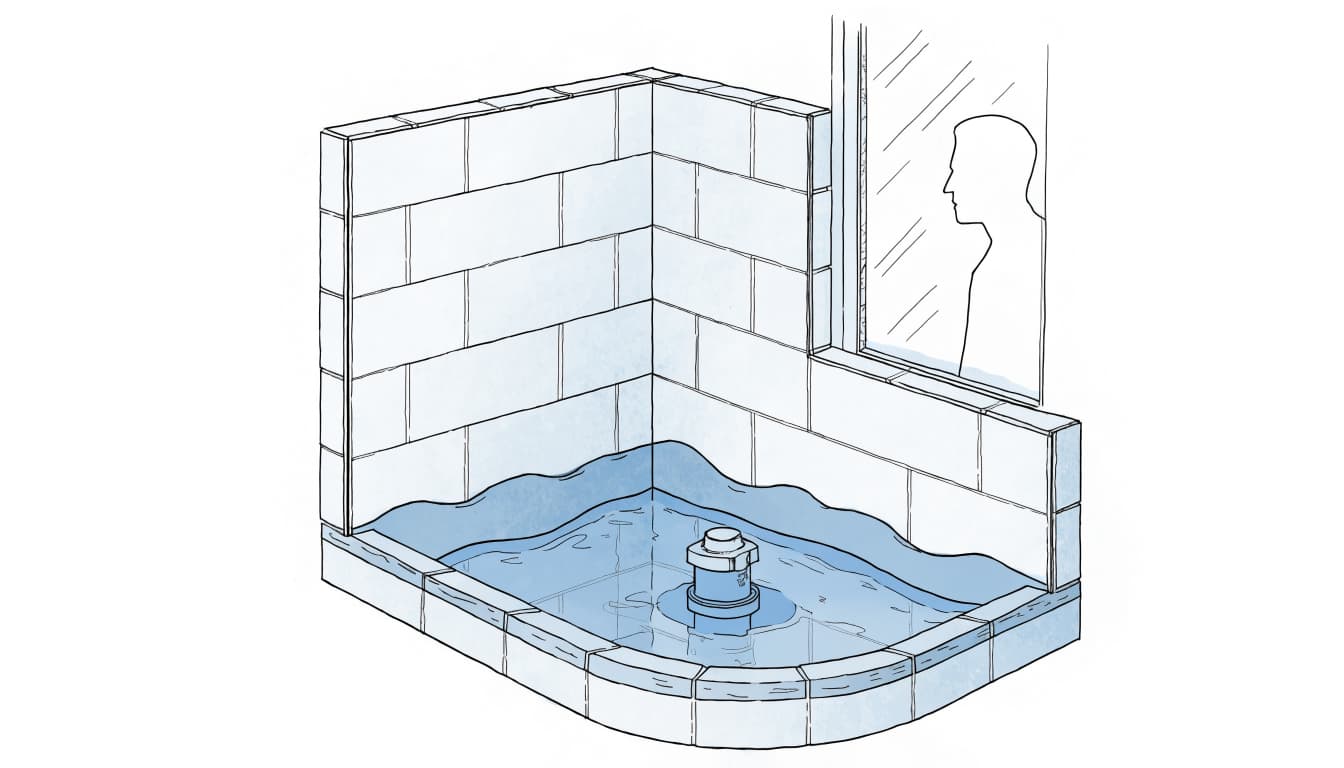
The shower pan is the waterproofed base that directs water toward the drain. During a flood test, water sits in the receptor while the drain is temporarily sealed. The test helps reveal leaks through the pan or at its connection to the drain.
The receptor and drain connection
Water held in the shower puts the receptor and drain connection under conditions that can expose a weak seal or damaged waterproofing. The installer or inspector may watch the waterline and look for moisture beyond the shower base, including on nearby floors or accessible framing.
A stable waterline and no visible leakage support a pass under the project's criteria. A drop in the waterline or moisture outside the pan calls for investigation, but it doesn't identify the exact defect by itself.
What the test does not cover
The flood test focuses on the shower base and drain area. It doesn't prove that every wall seam, niche, bench, pipe opening, curb, or transition is waterproof. Those areas still need a visual review before tile or other finishes cover them.
For example, a pan can hold water while a wall penetration has an incomplete seal. A separate pre-tile shower waterproofing inspection can help identify details that the standing-water test cannot assess.
How the test is typically performed
The test usually takes place after the waterproofing system has been installed and before tile hides it. The exact sequence depends on the shower design, materials, project plans, and inspection requirements.
Preparing the shower base
First, the installer allows the waterproofing materials and sealants to cure as required by their product instructions. A test plug is then placed in the drain to seal the pipe below the receptor connection. This matters because a plug that only covers the drain opening may not test the drain assembly itself.
The shower base is filled to the level set for that project. The starting waterline is marked or photographed, and the test area remains undisturbed during the observation period. The shower can't be used normally while water is being held in the pan.
Watching for signs of leakage
During the test, the installer or inspector observes the waterline and checks accessible areas around and below the shower for dampness. The test ends according to the applicable project criteria, then the plug is removed and the pan is drained.
A clear record can include the date, test conditions, waterline photos, inspection notes, and any repair or retest information. Documentation helps homeowners understand what was tested, especially when several inspections happen at different stages of construction.
What a pass or failure may indicate
A pass generally means the shower base held the test water without visible leakage and met the criteria for that project. It's useful evidence that the receptor and drain area performed as expected during the test. It doesn't guarantee that every shower component or bathroom surface is free of defects.
When the test passes
After a pass, the construction team can proceed according to the project schedule and inspection approvals. The wall waterproofing, seams, corners, and penetrations still need their own visual checks before they're covered.
In a curbless shower, the transition to the bathroom floor also deserves attention because water could escape through a poorly detailed entrance even when the pan itself holds water. A curbless shower flood test and inspection includes related details to review.
When the test fails
A falling waterline or visible moisture can point to a problem in the membrane, drain connection, or another part of the receptor. The installer needs to locate and repair the defect before finishes cover the area. Then the repaired section should cure as required, and the test should be repeated.
A failure is a warning to pause, not a diagnosis. The observed leak may appear some distance from its source, so the construction team needs to trace the water path rather than assume the nearest visible damp spot is the cause.
What Fort Myers homeowners can expect
In a custom home, the shower test is scheduled as one milestone among many. Construction visits and inspections occur as work progresses, and timing can shift with permit reviews, trades, materials, and weather. A Fort Myers new home construction site visit schedule can help homeowners understand how these milestones fit into the broader build.
Project requirements can vary
Fort Myers-area homes may fall under different permitting jurisdictions, including the City of Fort Myers or unincorporated Lee County. The approved permit documents identify inspection requirements for the specific project. Test steps and acceptance criteria can also depend on the shower system and approved plans, so one project's procedure shouldn't be treated as universal.
A Fort Myers bathroom remodel permit checklist explains how inspection requirements can vary with the scope of work. Custom-home construction has its own approved plans and inspection sequence.
The homeowner's role on test day
The builder or installer typically coordinates readiness and access. You can expect the shower to remain unavailable while the test is underway, and the inspector may need access to nearby areas where signs of leakage could appear.
Ask for a brief explanation of the result and keep any test documentation with your construction records. If a repair is needed, ask what was corrected and whether the repaired area passed a repeat test before tile installation continues.
Key takeaways
A shower pan flood test checks whether the waterproofed base and drain area hold water. It can expose leaks before tile conceals the work, but it doesn't replace a visual inspection of walls, seams, niches, or transitions.
For Fort Myers homeowners, the test procedure and inspection requirements depend on the approved plans and project conditions. A pass is useful evidence for the shower receptor, while a failure calls for repair and retesting before the work is covered.
A useful checkpoint before tile
The flood test is a practical checkpoint in custom-home construction because it gives the team a chance to address leaks while the shower assembly is still accessible. Keep the result with your records, and treat it as one part of a broader waterproofing review.