

Choosing a roof shape changes more than the look of a new home. In Southwest Florida, it affects framing cost, labor, storm performance, and the work you may face later.
If you're planning a 2026 build, the lowest bid may not tell the full story. A cost-plus home builder with transparent pricing can show how much the roof shape adds before you lock in the plan.
What makes a hip roof more expensive to frame
A gable roof is simple by design. It has two main slopes and a clean end wall. That usually means fewer cuts, less framing, and less time on the job.
A hip roof slopes on all sides, so it asks for more from the crew. It needs more framing members, more layout time, and more careful assembly. The shape also creates more ridges and transitions, which add labor and material waste.
The roof plan matters too. A plain hip roof on a rectangle is one thing. A roof with porches, garages, lanai connections, and multiple pitch changes is another. Each tie-in adds more work. Each extra angle can raise the price.
Material choice changes the budget as well. Asphalt shingles often keep costs lower than metal or tile. Still, the roof shape sits underneath all of that. If the frame is more complex, the whole system usually costs more.
On a simple home, the difference can feel modest. On a larger custom home, the gap grows fast. That is why roof shape should be priced with the rest of the structure, not treated like a small design detail.
Hip vs gable roof cost drivers side by side
Here is a quick look at the parts of the budget that move most.
| Cost factor | Hip roof | Gable roof | What it means for your budget |
|---|---|---|---|
| Framing complexity | More complex | Simpler | Hip usually starts higher |
| Labor time | More cuts and setup | Faster install | Gable often lowers labor cost |
| Material use | More surface changes and trim points | Fewer transitions | Hip can use more material |
| Waste | More corners and offcuts | Less waste | Hip may create more waste |
| Wind behavior | Better in strong wind | More exposed end walls | Hip may add value in storm-prone areas |
| Maintenance access | More joints to monitor | Easier to inspect | Gable can be simpler to keep up |
The table shows the basic trade-off. Gable roofs usually win on upfront cost. Hip roofs usually cost more at the start, but they fit the Southwest Florida climate better on many lots.
That said, the roof shape is only one piece of the final number. A busy gable roof with dormers or several valleys can cost more than a clean hip roof. So the smartest comparison is not shape alone. It is the full roof plan, the material choice, and the structural details under it.
Why Southwest Florida changes the decision
Southwest Florida puts roofs in a tough spot. Strong wind, heavy rain, sun, and salt air all push the system harder than a mild climate does.
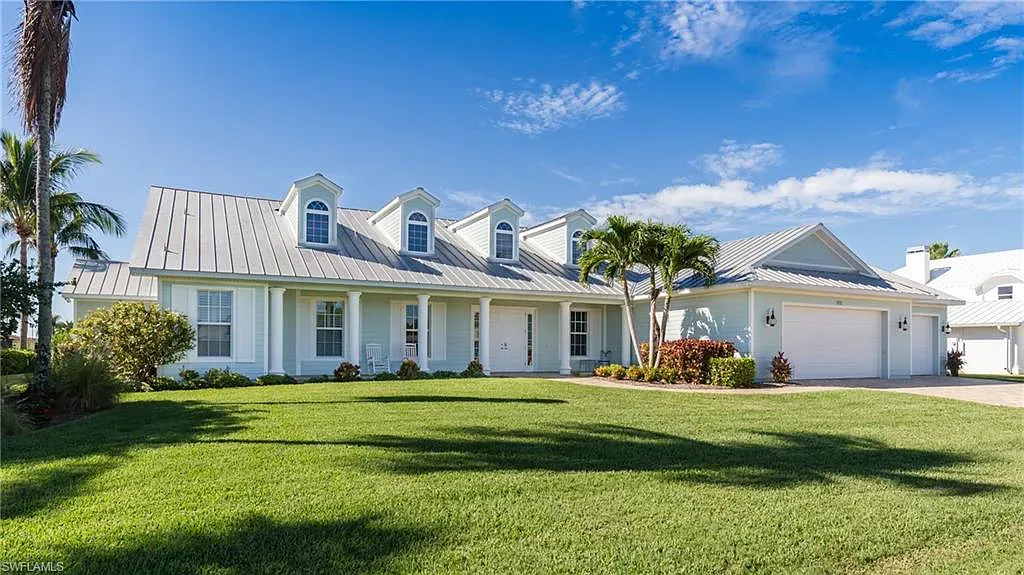
A hip roof handles wind from several directions better because it slopes on all sides. That shape gives the wind fewer big flat faces to grab. A gable roof has a large end wall, so it can take more stress if the framing or bracing is weak.
That does not make a gable roof a bad choice. It means the design needs to be built with care. Roof-to-wall connections, fasteners, decking, underlayment, and overhang support all matter. A roof that looks simple on paper can still perform well if the details are right.
Storm season also changes the value math. A roof that stands up better in wind may reduce the chance of damage later. That can matter more than a small savings on day one, especially on exposed lots or homes closer to the coast.
A hip roof can help in wind, but it does not replace strong framing, good fasteners, or clean flashing.
When you compare hip and gable roof costs in Southwest Florida, it helps to think beyond the build sheet. The roof has to live here long after the last nail goes in.
Insurance, wind mitigation, and roof inspections
Insurance companies in Florida look at more than roof shape. They also care about the roof covering, roof age, roof-to-wall connections, decking, and opening protection. Still, the roof design can affect how those parts work together.
A hip roof may help during a wind-mitigation review because it offers fewer weak points at the ends. A gable roof can still perform well if the structure is built and braced the right way. The final result depends on the full system, not just the shape.
That is why two homes with the same roof style can get very different insurance results. One may have solid attachments and better detailing. Another may have weaker connections or a more exposed site.
If you are comparing an older roof, a redraw of an existing plan, or a home you're thinking about buying, a professional roof inspections in Cape Coral can help you see what the structure can support. That matters before you spend money on upgrades that do not solve the real issue.
Insurance costs can move for many reasons. Roof shape is only one part. Age, claims history, roof covering, and opening protection can matter just as much. So the better question is not, "Which roof is cheaper?" It is, "Which roof gives me the best mix of price, strength, and approval from the rest of the house systems?"
Where long-term value starts to separate
Maintenance is where the roof shape starts to show its second cost. Hip roofs often have more ridges, hips, and valleys. Those spots need careful flashing and routine checks. They can also catch leaves, dirt, and debris after a storm.
Gable roofs are usually easier to inspect and repair because the layout is simpler. Fewer joints can mean fewer places for leaks to start. That can save time during annual checks and minor repairs.
Still, a simpler shape does not guarantee lower repair bills. Gable end walls can take more wind load, and overhangs need good support. If the design is weak, the fix can become more expensive than expected.
This is where a cost-plus home builder helps. With transparent pricing , you can see the line-item difference between roof framing, sheathing, underlayment, and final roofing. Then you can compare that cost against other upgrades, like better roof material or impact protection, instead of guessing where the money goes.
Long-term value often comes down to how long you plan to own the home. If you want the lowest upfront cost and a straightforward roof, a gable roof often makes sense. If you want better wind behavior and a shape that fits many Southwest Florida neighborhoods, a hip roof may offer better value over time.
A few situations make the choice clearer. A hip roof often fits better when the lot has open wind exposure, the home has a more custom layout, or the owner plans to stay for years. A gable roof often fits better when the floor plan is simple, the budget is tight, or the goal is to keep the framing package as lean as possible.
The smarter way to compare roof costs in 2026
A roof shape should fit the home, the lot, and the budget. In Southwest Florida, a gable roof usually costs less up front. A hip roof usually costs more, but it can offer better wind performance and a stronger fit for coastal weather.
The best choice is the one that matches your plans, not the one that looks cheapest on paper. Ask for an itemized comparison, review the structural details, and look at the full cost of ownership before you sign off on the design.