


A roof in Southwest Florida has a tougher job than one in most places. It has to handle wind, heat, heavy rain, humidity, and salt air, often all in the same season.
That's why the metal roof vs. shingle roof decision matters so much on a new home. Shingles cost less at the start, but metal often fits this climate better over the long haul. If you're building now, the right answer depends on your budget, your timeline, and how long you expect to stay in the home.
What matters before you compare roof materials
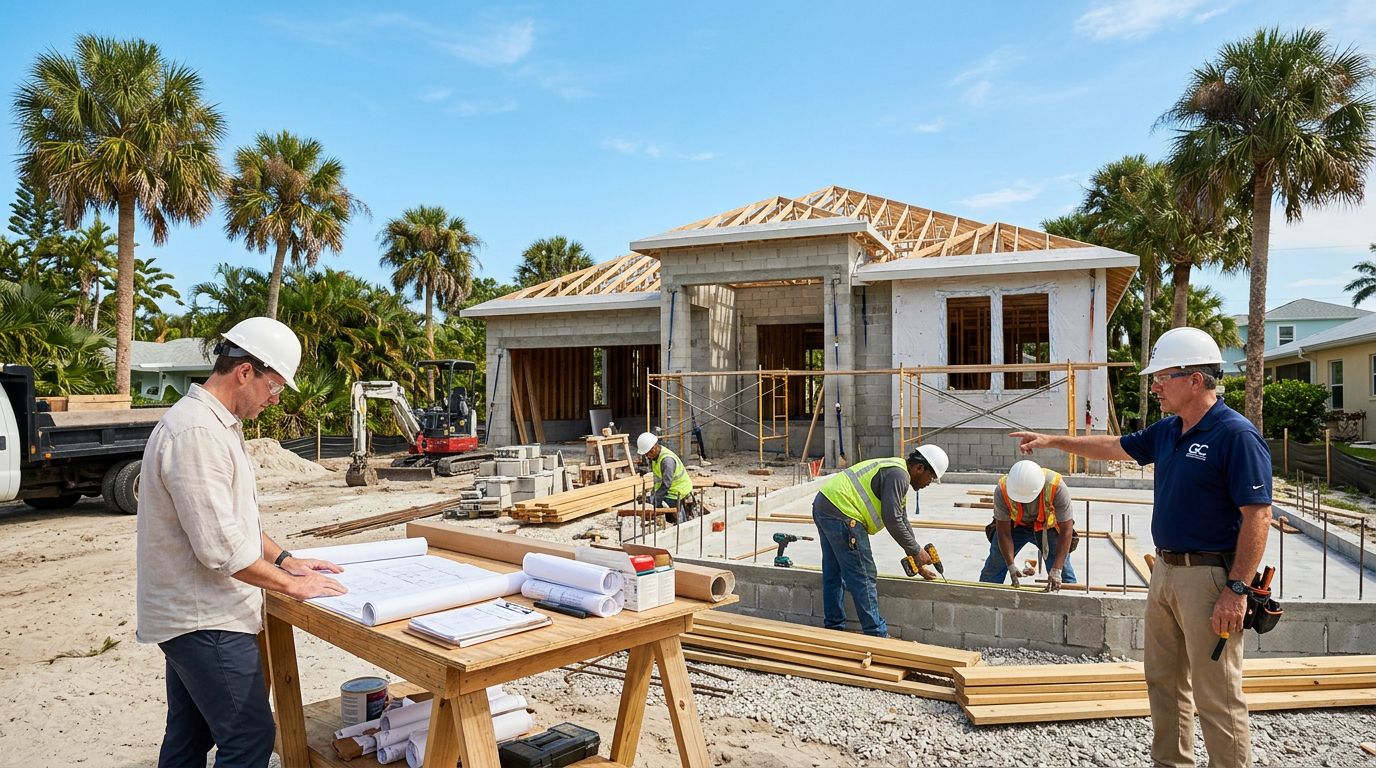
The roof covering gets the attention, but the full roof system does the real work. In new construction, you can shape that system before the house is finished, which gives you more control than a buyer has with an older home.
That control matters in Southwest Florida. Roof pitch, overhangs, underlayment, flashing, attic ventilation, and fastening patterns all affect how a roof handles storms and heat. A good material installed poorly can still fail early. A basic material installed with care can perform better than many people expect.
If you're working with a cost-plus home builder , this part of the conversation gets easier. You can see itemized costs, compare roof upgrades line by line, and keep transparent pricing in view instead of guessing where the money went.
The smartest roof choice is the one that fits the whole build, not just the surface layer.
Metal and shingles face Southwest Florida weather in different ways
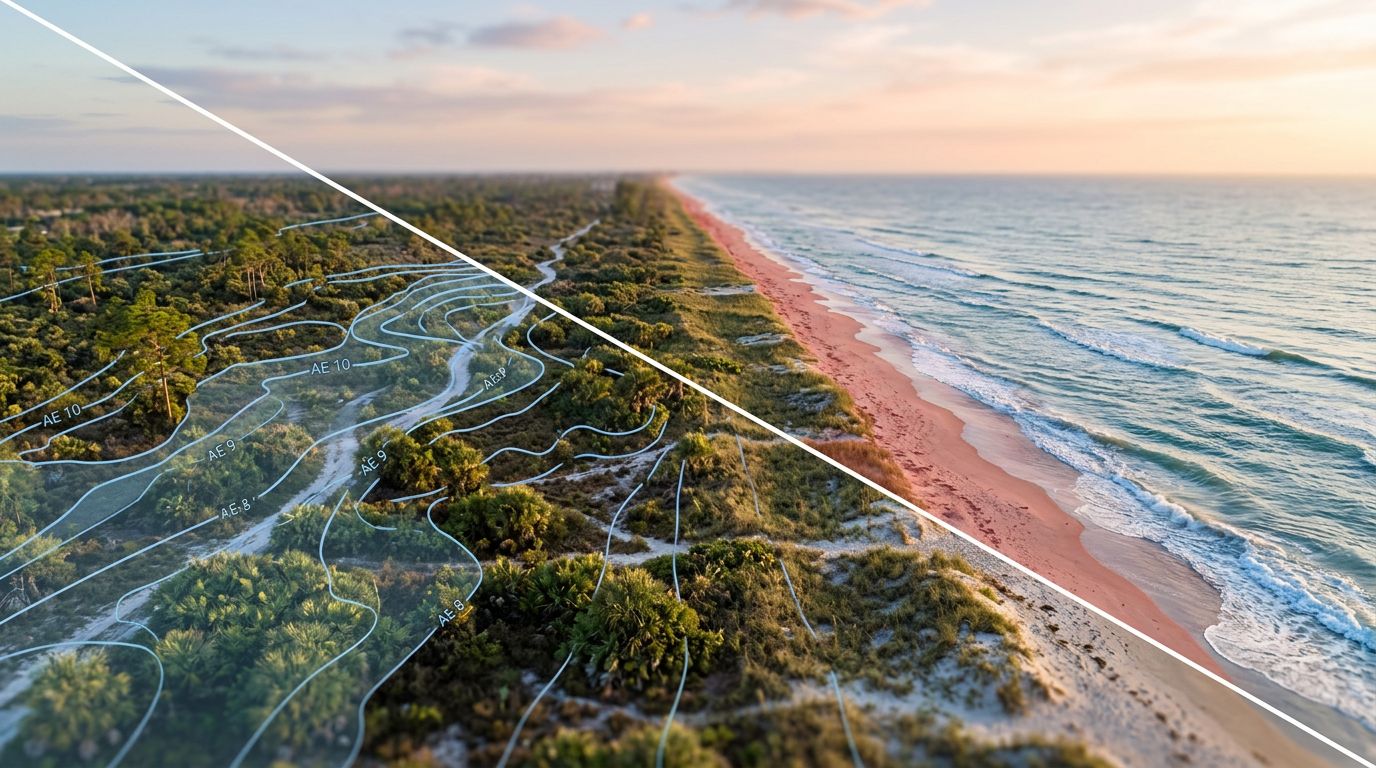
Southwest Florida weather is hard on roofs because it attacks from several angles. Wind tries to lift the edges. Sun bakes the surface. Rain pushes into seams. Humidity and salt air wear down weak points.
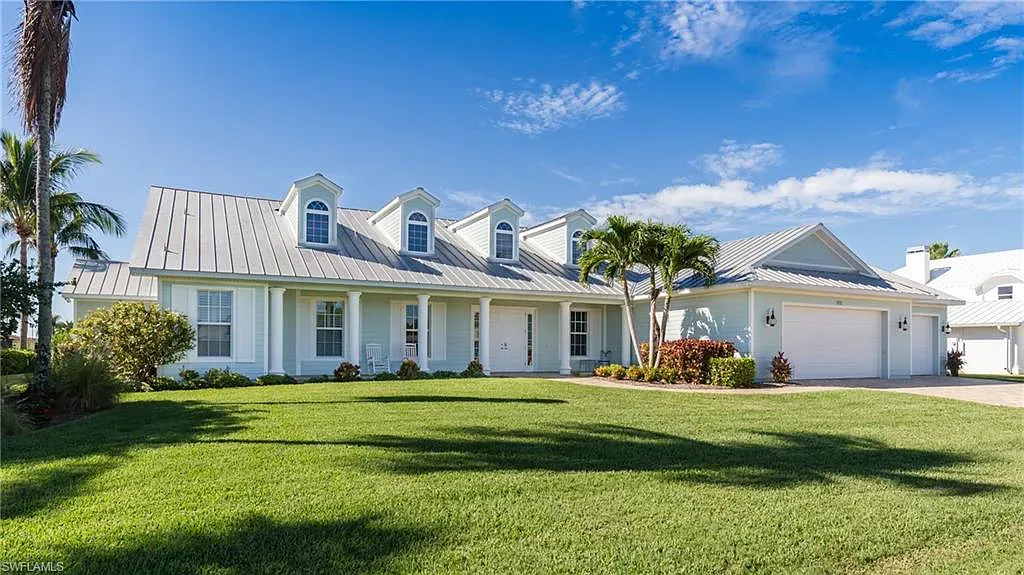
Metal roofs usually do better in this mix. They handle wind uplift well, especially when the system is designed and fastened correctly. Standing seam metal is often a strong choice because it hides fasteners and reduces the number of exposed points that can loosen over time.
Shingle roofs can still work, but they depend more on age and installation quality. High-wind shingles offer better performance than basic products, yet they still face more wear from storm cycles and heat. In a hurricane-prone area, that difference matters.
Here's a quick side-by-side look at how the two options usually compare in new construction:
| Factor | Metal Roof | Asphalt Shingle Roof |
|---|---|---|
| Upfront cost | Higher | Lower |
| Wind and storm resistance | Strong | Good with the right rating, but less durable over time |
| Expected lifespan in Florida | Often 40 to 70 years | Often 15 to 25 years |
| Heat handling | Reflects more sunlight | Absorbs more heat |
| Maintenance needs | Lower, but still needs checks | Higher, with more frequent repair and replacement |
| Long-term ownership value | Often stronger | Can make sense for short-term ownership |
The takeaway is simple. If storms and long-term durability matter most, metal usually wins. If the first cost is the main concern, shingles have the lower entry point.
Heat, humidity, and salt air change the math
Florida roofs don't just battle storms. They also sit under strong sun for months at a time. That constant heat can age shingles faster and dry out parts of the roof system.
Metal reflects more solar energy than asphalt shingles, so it can help reduce heat gain in the attic. That does not replace good insulation or ventilation, but it helps the roof work with the rest of the house instead of against it. In a hot climate, that can make a real difference in comfort and cooling load.
Humidity is another issue. Moist air can shorten the life of shingles, especially when ventilation is weak. It can also encourage algae growth and streaking. On the coast, salt air adds one more layer of wear, so the quality of coatings, fasteners, and trim matters more than it would inland.
That said, metal is not a magic fix. A lower-grade metal roof with the wrong fasteners can still bring trouble. The material helps, but the details help more.
The best setup is a roof system built for Southwest Florida, not a generic version shipped in from a milder climate.
Maintenance and lifespan are where the gap grows
A roof doesn't need much attention when it's new, but time changes that. After a few storm seasons, the difference between metal and shingles becomes easier to see.
Shingle roofs usually need more watching. Creased tabs, cracked seal strips, granular loss, and lifted edges can show up after hard weather or years of sun. Once the surface starts to age, small issues can turn into leaks faster than many owners expect.
Metal roofs usually need less frequent repair, but they still need checks. Fasteners, seams, flashing, and sealant points should all be inspected over time. Coastal homes need special attention here because water intrusion often starts at the weakest detail, not the largest one.
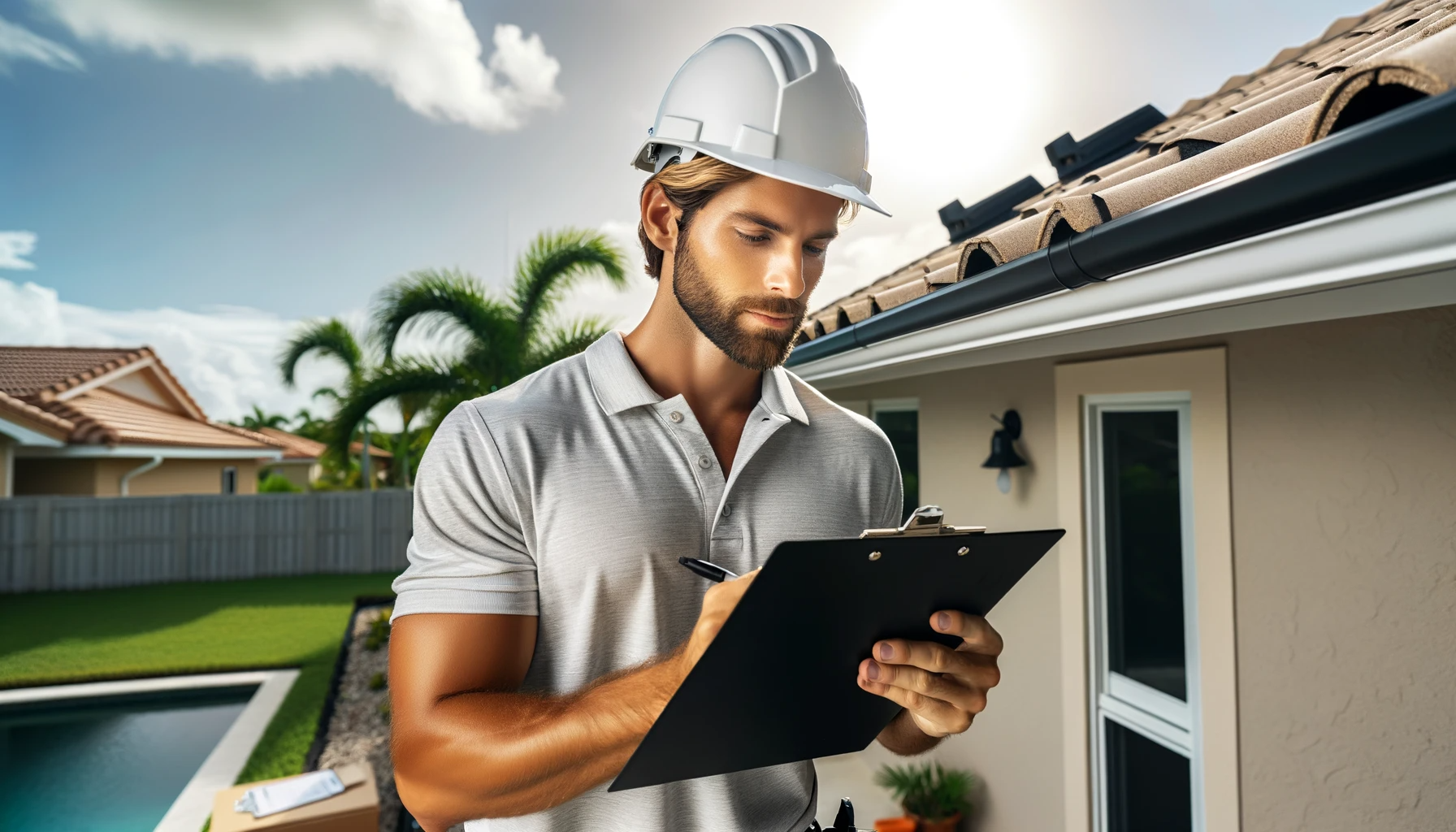
A good next step after installation is a third-party roof inspection for new builds. That kind of review can catch flashing problems, missing sealant, or fastening issues before they become expensive problems.
A new roof can still fail early if the details are rushed.
If you're building in Southwest Florida, the roof should be checked like any other major system. The material matters, but the installation matters just as much.
Upfront cost, insurance, and long-term ownership value
This is where the decision often gets made. Shingles cost less to install, so they help when the budget is tight. Metal costs more at the start, but the long-term picture can look better if you plan to stay in the home.
Insurance is part of that picture. A metal roof may help a home look less risky to an insurer because of its storm resistance and durability. That does not guarantee a lower premium, but it can help. Roof age, wind mitigation features, and the overall quality of the build still matter.
The permit and inspection side of the budget matters too. A roof choice can affect project costs beyond the material itself, so it helps to look at the whole build picture, not just the line item on the roofing quote. If you want to get a better sense of those project costs, budgeting for new construction inspection costs is a useful place to start.
The bigger question is ownership length. If you expect to sell in a few years, shingles may fit the math. If you want the house to last and you plan to stay put, metal often pays back over time through fewer repairs and a longer service life.
How to choose the right roof for your build
The best choice starts with how you plan to live in the home. A roof should fit your budget now, but it should also fit the weather you'll live with later.
Use these questions to narrow it down:
- How long do you expect to stay? If this is a long-term home, metal usually makes more sense.
- How tight is your upfront budget? If every dollar matters now, shingles give you a lower entry cost.
- How exposed is the lot? Open lots, coastal streets, and wind-prone spots often favor metal.
- How important is lower maintenance? If you want fewer roof worries over time, metal has the edge.
You should also talk through the roof choice with your builder before framing is far along. That is the right time to confirm ventilation, underlayment, flashing, and roof-to-wall connections. Those details matter whether you choose metal or shingles.
The right answer is rarely the cheapest roof on day one. It's the one that fits the house, the climate, and the way you plan to own the home.
Conclusion
In Southwest Florida, the metal roof vs. shingle roof decision comes down to more than price. Metal usually gives you better wind performance, longer life, and lower maintenance in a harsh coastal climate.
Shingles still have a place, especially if you need to protect the budget or you may not stay in the home for decades. The key is to match the roof to your goals, your lot, and your long-term plans.
A roof is one of the few choices you live with every day. In this part of Florida, that choice works best when it's made with the weather in mind.