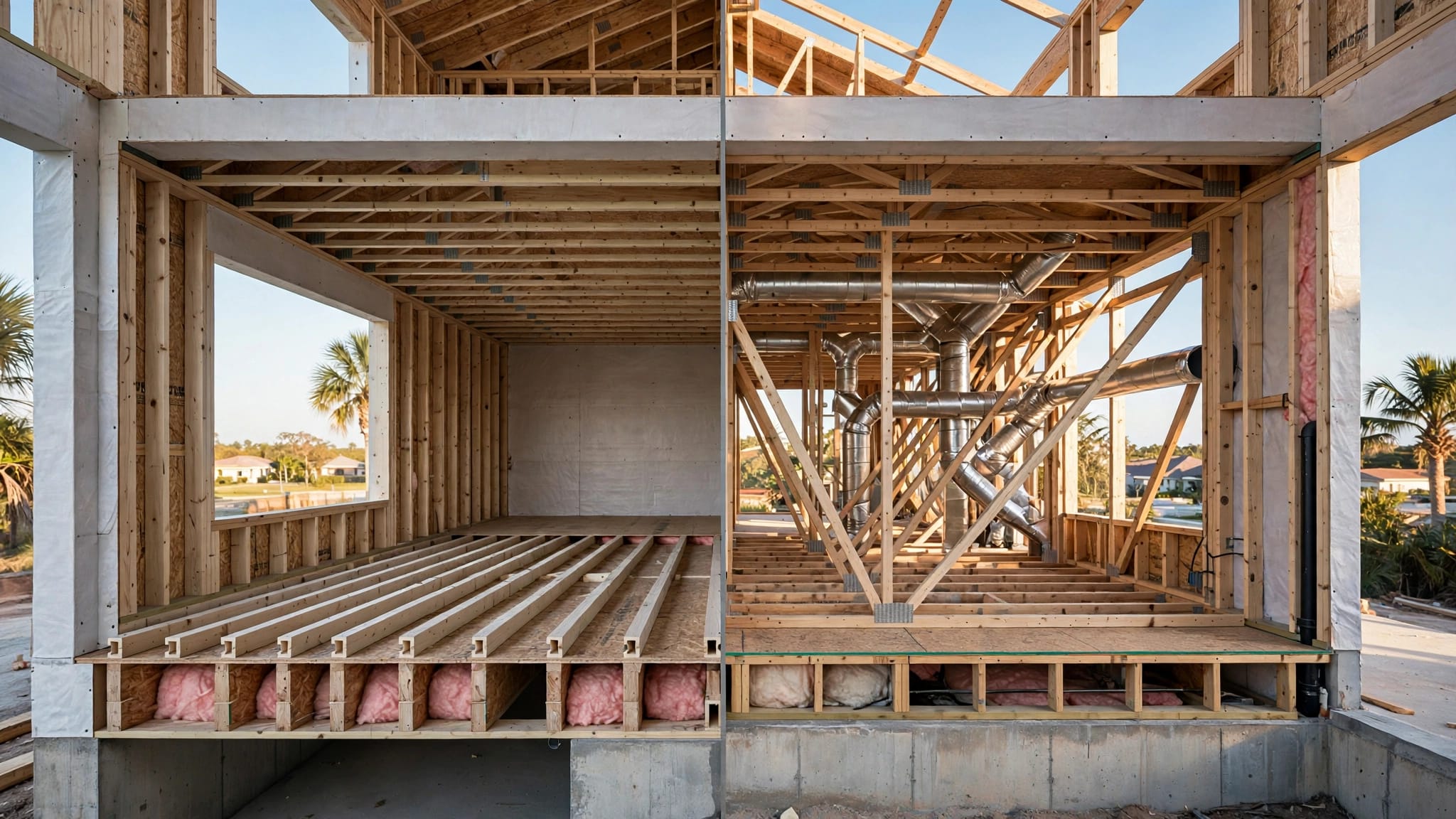
Solar Panel Reroofing in Naples: Removal and Reinstallation
Explore Our Services
Contact Us Today!
(239) 322-9295
Your roof may need replacing years before your solar panels need replacing. For Naples homeowners, solar panel reroofing requires one coordinated plan for electrical work, roofing, and the system's return to service.
A poorly managed handoff can leave equipment unprotected or create leaks around new attachments. Start by assigning responsibilities before anyone removes a panel or begins tearing off roofing.
Key Takeaways
- Coordinate the roofer and solar installer before scheduling removal, including storage, inspections, and reinstallation.
- Confirm whether the City of Naples or Collier County handles permits for your property.
- Keep the array off until decking repairs, roof installation, and required inspections allow reinstallation.
Plan Solar Panel Reroofing Before Tear-Off
Solar contractors often call temporary removal and reinstallation a "detach-and-reset." Although the panels may remain usable, their attachments, flashing, and electrical connections need review before they return to the roof.
Give both contractors the same scope
Arrange a joint review with your roofing contractor and solar installer. They should identify the roof covering, array layout, attachment locations, wiring routes, and any existing leaks.
Then assign responsibility for electrical shutdown, equipment handling, roof penetrations, and final testing. Confirm each contractor's qualifications and insurance for the work they'll perform.
Choose one project contact who tracks both schedules. Otherwise, the roofer may finish while the solar crew remains unavailable, extending the system's downtime.
Document the starting condition
Ask the installer to photograph the modules, mounting hardware, inverter, and visible wiring. Save available monitoring records and note any existing alerts before shutdown.
Also collect the original solar plans, equipment specifications, contracts, and warranty documents. If you lease the system or have a power purchase agreement, contact its owner before authorizing removal.
The Fort Myers roof replacement checklist offers useful preparation steps, but your Naples project needs its own jurisdiction and permit review.
Confirm Naples Permits and Inspection Requirements
A Naples mailing address doesn't establish the permitting authority. Homes inside city limits use the City of Naples Building Department; unincorporated properties use Collier County.
Identify the authority for your address
Have your contractor verify the parcel's jurisdiction before submitting applications. The City of Naples uses an electronic permitting program. Collier County publishes separate application requirements for roofing and solar work.
Ask who will submit the applications, respond to review comments, and schedule inspections. Also confirm any homeowners association approval separately.
Association permission doesn't replace building permits. Likewise, an existing solar approval doesn't settle the requirements for removing and reinstalling equipment during a roof replacement.
Confirm how the existing array affects the permit
Collier County's Roof (PRRF) instructions direct applicants with existing photovoltaic panels to Bulletin #4: Solar Photovoltaic Inspection Process .
The county also publishes Solar PRSO paperwork. Its solar checklist includes equipment specifications, a riser diagram, fastening details, equipment locations, and structural and wind-load information.
However, don't assume every detach-and-reset requires a separate PRSO permit. Your contractor should confirm the required scope with the county.
For reroofing, county paperwork requests applicable Florida Product Approval or Miami-Dade NOA numbers. Confirm current submittal and inspection requirements before work begins.
Remove the Panels and Protect Stored Equipment
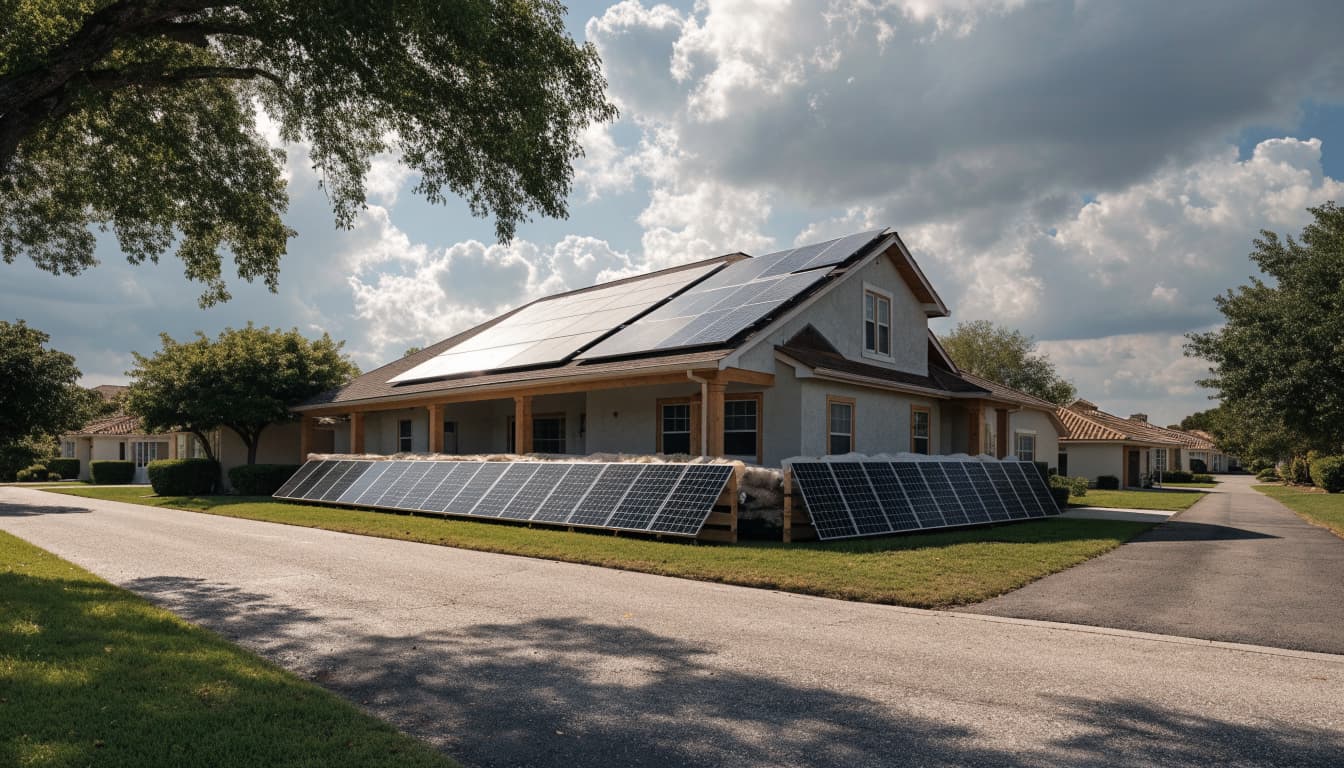
The solar installer should follow the system manufacturer's shutdown procedures before disconnecting equipment. This includes reviewing batteries or other connected equipment where present.
Turning off an inverter doesn't eliminate every electrical hazard. Photovoltaic modules can produce electricity whenever light reaches them.
Keep panel removal and electrical disconnection with appropriately qualified professionals. Homeowners shouldn't unplug connectors, cut cables, or attempt to lift modules onto ladders.
Before lifting, the crew should document module positions and identify associated wiring and equipment. This helps preserve the layout and supports troubleshooting after reinstallation.
Agree on a storage location before removal begins. It should protect modules against impact, theft, roof debris, and changing weather. Use manufacturer-approved supports and handling methods rather than improvised stacks.
Keep modules off the ground and outside demolition paths. Protect connectors and associated equipment from contamination and moisture according to their instructions.
The written scope should identify who supplies storage materials, who transports equipment if needed, and who is responsible for damage while it's off the roof. Photograph the stored equipment before roofing work starts.
Inspect and Repair the Exposed Roof Deck
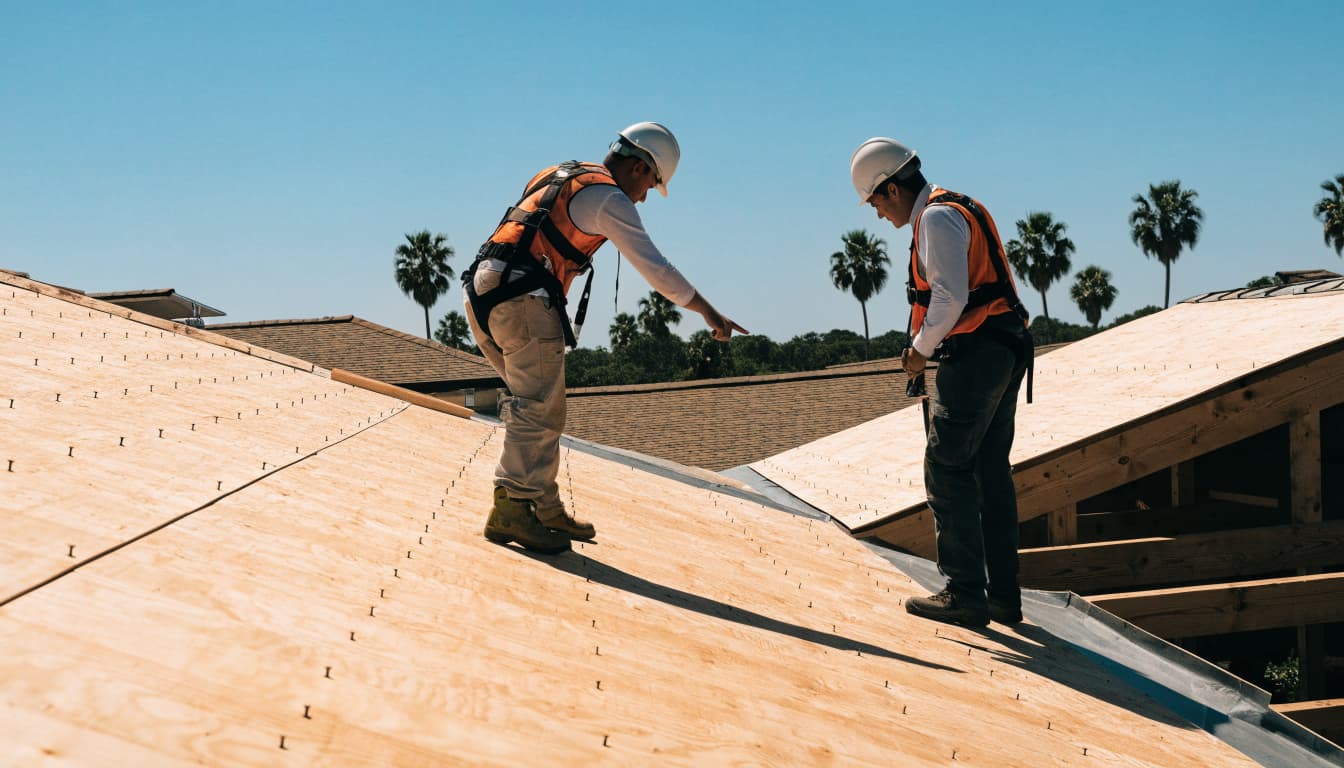
With the array and old roofing removed, the roofer can examine areas previously concealed beneath the modules. Complete necessary repairs before installing the new roof covering.
Check moisture damage and attachment areas
Inspect sheathing around former solar mounts, valleys, vents, and roof-to-wall connections. Look for softened wood, swollen edges, staining, loose fasteners, and panels that no longer sit flush.
Staining alone doesn't establish whether decking needs replacement. A licensed contractor should assess its condition and determine whether it has dried adequately or requires repair.
Arrange professional roof inspections in Southwest Florida when you need a documented assessment. Photograph concealed damage and approve any added work before the crew covers it.
Prepare a sound base for the new roof
Replacement sheathing should arrive dry and remain elevated and protected before installation. Storage protection should allow ventilation rather than trapping moisture.
After rain, the contractor should recheck exposed decking before covering it. Installing another layer over questionable wood hides the condition without resolving it.
Also review old attachment holes and the proposed mounting locations. The roofer and solar installer should agree on repairs and attachment details before underlayment goes down.
Attic insulation can't dry wet decking. Ventilation decisions must also match the home's roof design and mechanical system.
Build for Naples Sun, Rain, and Hurricane Exposure
Naples weather makes the roof's concealed details important. Strong sunlight affects exposed materials, while heavy rain tests underlayment, flashing, and penetrations.
Ask how the crew will protect the home during tear-off and respond to approaching rain. The schedule should account for dry-in work and avoid leaving unfinished areas exposed through repeated rain events.
Underlayment is the water-control layer above the deck. Its connections at drip edges, valleys, walls, and penetrations deserve careful installation because wind-driven rain can reach small gaps.
A secondary water barrier isn't automatically required for every Florida home. Its details depend on the project scope, permitted plans, and applicable requirements.
Similarly, hurricane exposure requires project-specific wind design. Roof height, location, exposure category, and attachment details can affect the design. Don't accept a generic "hurricane-rated" description as the entire specification.
Cutting Edge Homes & Renovations' Southwest Florida roof installation services include decking repairs, underlayment, flashing, and ventilation work. Discuss those components alongside the solar mounting plan.
Reinstall the Array and Verify Operation
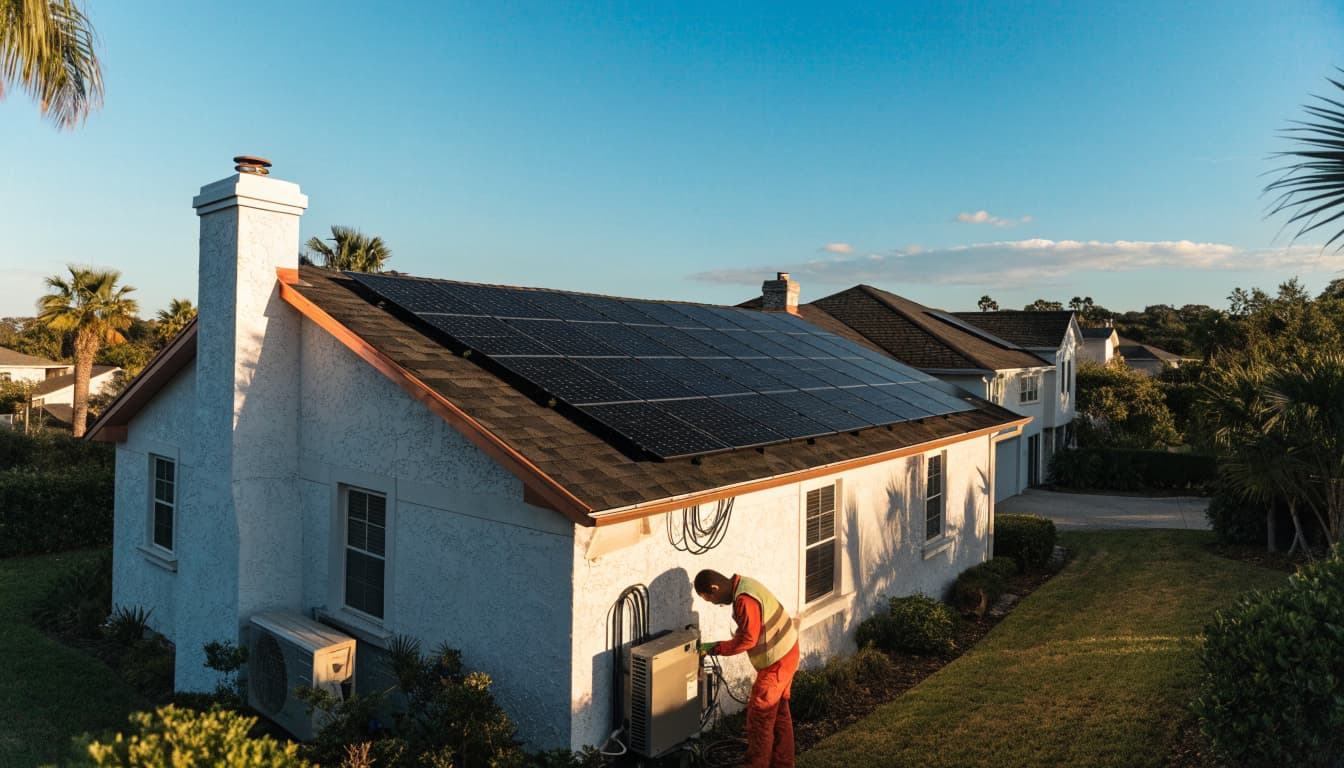
Reinstallation should follow the agreed roofing completion and inspection sequence. Before scheduling it, both contractors should confirm that the finished roof is ready for attachments and foot traffic.
Match attachments to the finished roof
The installer should inspect modules, rails, wiring, and connectors before reuse. Replace damaged components rather than reinstalling them to avoid additional expense.
Mounts and flashing must suit the new roof covering and approved attachment design. Existing hardware shouldn't return automatically just because it fitted the previous roof.
The roofer and installer should agree on penetration details and responsibility for sealing them. Attachments need proper structural support; sealant alone isn't a complete mounting or waterproofing detail.
Test the system before closing the job
Ask the installer to document applicable electrical checks, grounding and bonding verification, inverter operation, and monitoring status. The testing scope should match the equipment and work performed.
Then review alerts and confirm that monitoring reconnects. Immediate production won't necessarily match an earlier reading because sunlight and temperature vary.
Have the installer confirm whether the serving utility requires notice or other interconnection steps. Finally, collect required inspection approvals, updated equipment records, and photographs of the completed attachments.
Compare Costs, Schedules, and Warranty Responsibilities
Solar panel reroofing estimates should separate roof replacement from detach-and-reset work. Panel count matters, but access, roof pitch, equipment condition, and attachment changes also affect the scope.
Published Florida pricing illustrates why written estimates need careful comparison.
| Provider | Advertised detach-and-reset example |
|---|---|
| Ape Solar | $165 per panel |
| Ape Solar, very steep roofs | $190 per panel |
| Florida Solar Reset | $265 per panel |
These are advertised Florida examples, not Naples quotes . Confirm availability, inclusions, and current pricing directly before using them for budgeting.
Request an itemized proposal covering removal, storage, reinstallation, replacement hardware, testing, and permit responsibilities. Also clarify how concealed decking damage and damaged solar components will be priced.
Avoid relying on a universal completion time. Weather, repairs, inspections, and contractor availability can change the sequence.
Before signing, ask the roof manufacturer and solar provider how the proposed work affects their written warranties. Identify who handles a later roof leak, attachment problem, or electrical fault. Don't assume one contractor's warranty covers another contractor's work.
Frequently Asked Questions
Can I replace the roof without removing solar panels?
For a complete replacement beneath the array, temporary removal is generally necessary to access the roof and rebuild its layers. Limited repairs may require a different approach, so have both contractors inspect the affected area.
Will my original solar panels go back on?
They can return if their condition and compatibility support reuse. However, the installer should inspect them first. A change in roof material may also require different mounts or flashing even when the modules remain serviceable.
A Clear Handoff Protects the Roof and Solar System
Successful solar panel reroofing depends on clear responsibilities at every handoff. The roof must be ready before the array returns, and the system must pass its checks before closeout.
Before scheduling tear-off, request a shared scope covering permits, storage, decking repairs, attachments, and testing. That plan protects both investments without relying on unsupported promises about cost, timing, or warranties.