Southwest Florida Pool Permit Fees and Engineering Costs
Explore Our Services
Contact Us Today!
(239) 322-9295
For Southwest Florida gunite pools, permits and inspections may require a planning allowance of $500 to $2,000, while engineering may add $1,000 to $5,000. These are regional budgeting ranges, not a quote, and surveys or unusual site requirements can add separate costs.
Your reviewing jurisdiction and project scope determine what belongs in those allowances. Start by separating government charges, professional services and construction expenses so a small permit line doesn't hide a larger preconstruction budget.
Key Takeaways for Your Pool Budget
- Keep government fees separate from engineering, surveying and the contractor's permit-management charges.
- City and county requirements aren't interchangeable, even when properties share a mailing address.
- Include inspections, plan corrections and final documentation in the written scope, along with responsibility for additional charges.
A complete allowance covers the path through final approval. An application fee alone doesn't describe that cost.
What Pool Permit Fees Cover
Government charges pay for application processing, plan review, inspections and related regulatory work. Engineering and surveying pay professionals to prepare documents supporting that review.
For early budgeting, separate the main categories this way.
| Cost category | Planning basis | What it covers |
|---|---|---|
| Permits and inspections | Roughly $500 to $2,000 regionally | Government charges, subject to jurisdiction and scope |
| Engineering | Roughly $1,000 to $5,000 regionally | Sealed drawings, calculations and defined design services |
| Surveys | Property-specific pricing | Boundaries, elevations, layout or final documentation |
| Site investigations | Scope-specific pricing | Soil evaluation or other technical investigation |
| Permit coordination | Contract-specific pricing | Application preparation, submission and review responses |
These ranges don't establish a complete project price. Combining the first two allowances gives $1,500 to $7,000, before separately priced surveys, investigations or coordination.
Also distinguish an allowance from an included fixed price. An allowance can change when actual charges arrive, while a fixed-price inclusion should identify the work it covers.
A proposal that says "permit included" should define whether that includes reviews, trade permits, inspections and closeout documentation.
How Local Charges Differ Across Southwest Florida
Published county charges show only part of the total
Collier County's 2026 permit fee schedule and Charlotte County's residential pool permit requirements show why base fees need context.
| Jurisdiction | Published charge | Additional costs identified |
|---|---|---|
| Unincorporated Collier County | $100 private-pool or spa application | Applicable inspection fees |
| Unincorporated Charlotte County | $200 in-ground pool building flat fee | Surcharge, zoning review, right-of-way review and applicable valuation charge |
Collier's schedule took effect January 1, 2026. Its $100 application charge isn't the total permit cost.
Charlotte adds a 2.5% surcharge to the $200 building fee, plus $22 for zoning review and $90 for right-of-way review. Those listed items total $317 before applicable additional charges.
For projects with an ICC valuation of at least $50,000, Charlotte also lists a charge calculated as 0.004 multiplied by that valuation. That calculation uses the schedule's valuation basis, which shouldn't automatically be treated as the contract price.
Municipal boundaries change the permitting path
A property inside Fort Myers follows the city's process. An unincorporated Lee County property follows the county's process, even with a Fort Myers mailing address.
Cape Coral, Bonita Springs and other municipalities have their own requirements. Therefore, a neighbor's fee receipt isn't a reliable budget for a property under another authority.
Project scope matters too. A pool with gas heating, a screen enclosure or substantial drainage work can require more review than a simpler installation.
What Engineering Costs Actually Cover
Compare defined services behind the price
The regional $1,000 to $5,000 engineering allowance covers a broad range of services. A standard design and a site-specific structural package can involve different work.
As a concrete example, Franca Engineering's Lee County package starts at $2,500. Its listed scope includes stamped deck, footing and enclosure drawings, wind and foundation calculations, and responses to plan-review comments.
County permit fees are separate. The package also includes resealing through approval, according to the firm's published scope.
That description matters because "pool engineering" can refer to different deliverables. The proposal should distinguish pool-shell design, deck details and enclosure calculations.
Enclosures and custom features can expand the work
Franca separately advertises pool-enclosure engineering at $2,000, including wind and connection calculations. That's enclosure engineering, not a standalone price for designing a gunite shell.
Don't automatically add both advertised packages together because their scopes can overlap. The selected services should identify exactly which structures and calculations they cover.
Raised spas, elevated walls and unusual loading conditions can also expand the structural design. Finalizing those features before submission reduces the chance of paying for redesign after review begins. Owner-requested changes should have written pricing separate from corrections included in the original engineering agreement.
Surveys and Site Conditions Need Separate Allowances
Boundary and elevation work support the layout
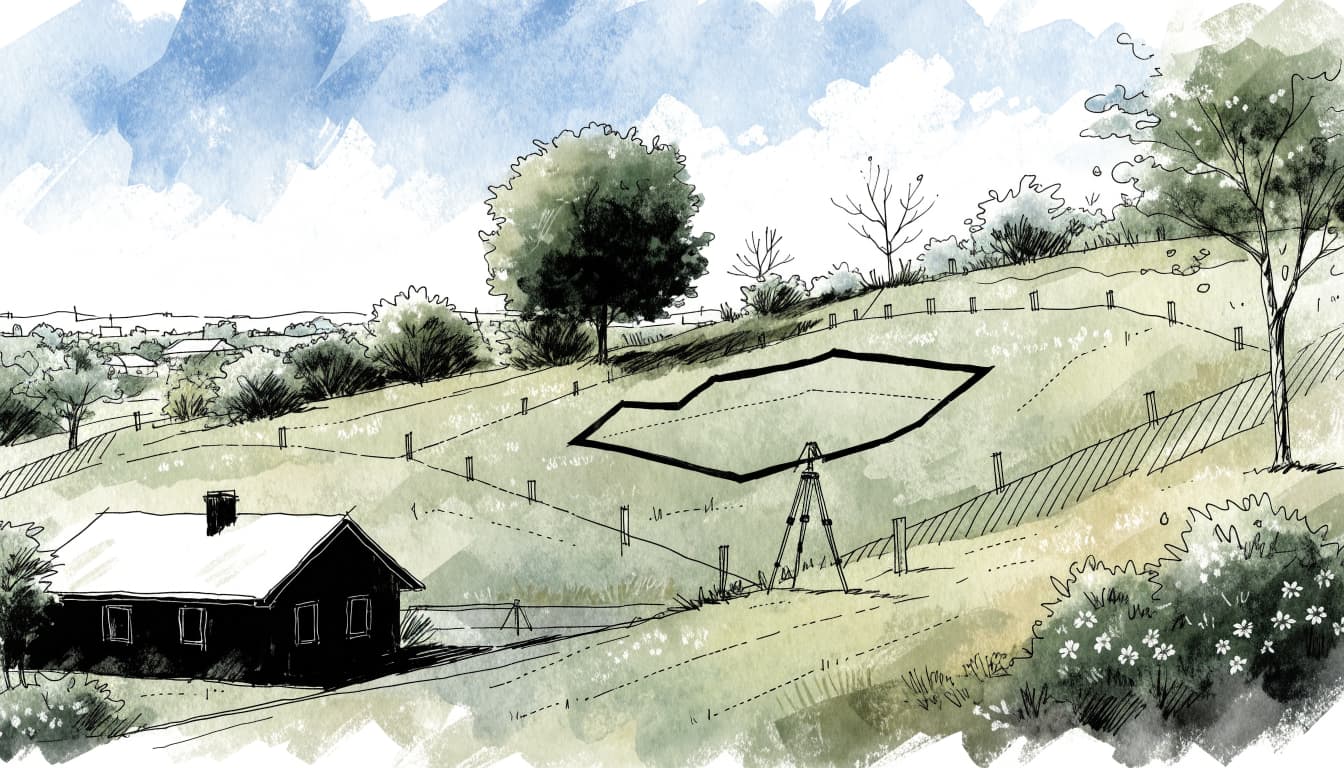
A boundary survey establishes property lines and recorded constraints. Elevation information helps the design team coordinate the pool, deck and drainage.
An existing survey may not include every deliverable needed for the proposed work. Initial planning, construction layout and final documentation can be separate services.
Cape Coral's final-survey requirement, effective September 1, 2025, illustrates this distinction. It calls for pool and equipment-pad setbacks, equipment-pad distances from easements, and at least seven elevations showing stormwater flow. Our guide to Cape Coral pool setback requirements explains the layout considerations.
Soil investigation and water management are different expenses
A survey doesn't establish soil-bearing conditions. A geotechnical investigation can evaluate soil support and settlement risk when the site or structural design warrants it.
Our explanation of pool soil report requirements covers how those concerns relate to engineering.
Meanwhile, temporary dewatering is construction work, not a survey service. High groundwater can affect pumping, discharge controls, access and excavation sequencing.
Keep investigation costs separate from the work needed to address the findings. Paying for a report doesn't include removing unsuitable material, changing foundations or managing excavation water.
Budget for Inspections and Plan Revisions
Pool inspections follow construction stages because inspectors need access before later work conceals important components. Depending on the approved scope, reviews can address reinforcing steel, bonding, plumbing, electrical work, safety barriers and final completion.
Our guide to Fort Myers gunite pool permits describes the documents and construction coordination involved.
The contract should identify who schedules inspections, corrects deficient work and pays any reinspection charges. It should also distinguish government inspection fees from private engineering visits or reports.
An included inspection allowance doesn't automatically include an engineer's site visit. Government inspections and professional field services are separate scopes.
Plan revisions deserve the same clarity. A reviewer-requested clarification differs from a homeowner adding a spa after submission. Define how the agreement treats each situation.
Finally, retain approved drawings, revision records and inspection documents together. Final approval belongs in the project scope, rather than appearing as an unresolved task after construction.
Build These Costs Into a Complete Proposal
Start with a written breakdown of government charges, engineering, surveying and permit coordination. Then identify whether each amount is fixed, an allowance or excluded.
For allowances, the contract should explain how actual charges affect the balance. It should also state whether unused amounts return to you and how additional expenses receive authorization.
Definitions matter. "Builder standard," "or equal" and "as selected" leave room for disagreement unless the specifications establish the product or performance requirement. Changes can affect equipment calculations, electrical details or approved drawings.
Also separate approval costs from backyard construction. Regional planning ranges place screen enclosures around $10,000 to $30,000 and decking around $5,000 to $20,000 or more. Those construction figures are distinct from enclosure engineering and permit charges.
Our guide to pool design cost factors connects these choices to the broader project budget.
A contingency should address the property's unresolved risks rather than compensate for an incomplete proposal. Restricted access, groundwater and concealed utilities deserve clear assumptions.
For a new home, coordinate pool elevations and drainage with the house plans early. Late changes to finished grades can affect the pool layout and require drawing revisions.
Frequently Asked Questions
Are permit fees included in the pool contract?
They can be, but the written scope controls. A complete inclusion should address application charges, reviews, applicable trade permits, inspections and final documentation. Contractor administration may appear separately.
Does every gunite pool need a soil report?
A soil report isn't a universal line item for every residential pool. Site conditions, structural requirements and the proposed design determine the investigation scope. It remains separate from the boundary survey and structural drawings.
Can I budget only for the published application fee?
No. An application charge is one component. Inspection charges, surcharges, related reviews, engineering and surveying can remain outside that figure. The $100 Collier application charge, for example, expressly excludes applicable inspection fees.
A Clear Scope Makes the Budget Useful
Pool permit fees make sense only alongside the engineering, survey and inspection work needed for your property. The strongest budget separates those responsibilities and explains how allowances and changes affect your price.
Use the regional ranges as a starting point. Then build the agreement around a complete written scope , so permitting and final approval remain part of the project from the beginning.