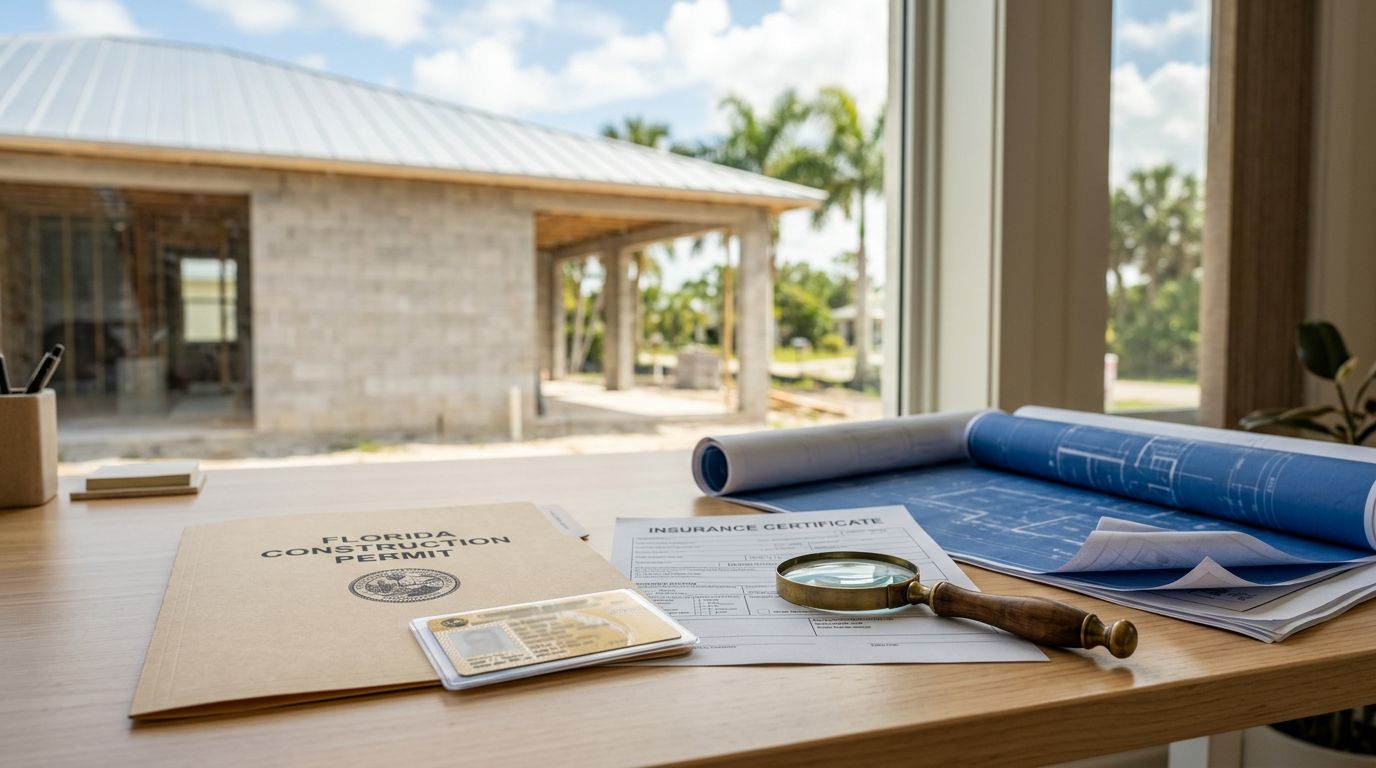


Before you stake a form board in Southwest Florida, one wet patch can change the whole plan. A wetland delineation cost is usually small beside the cost of a redesign, but the number can still swing by thousands from one parcel to the next.
In 2026, new-home buyers need more than a quick field visit. Access, vegetation, parcel size, hydroperiod, and follow-up review can all move the price. If you're working with a cost-plus home building model in Southwest Florida, this is one of the first site costs you want in writing.
Typical wetland delineation prices in 2026
For planning purposes, most Southwest Florida buyers should expect a basic delineation to start in the low thousands. Simple parcels with easy access often land near the bottom of the range. Larger, wetter, or harder-to-reach sites can climb fast.
| Parcel type | Planning range in 2026 | What usually drives it |
|---|---|---|
| Small residential lot with easy access | $1,500 to $3,000 | Basic field visit, simple plant cover, short report |
| Typical build lot with some wet spots or thick growth | $3,000 to $6,500 | More field time, mapping, and documentation |
| Large, coastal, or hard-to-access parcel | $7,000 to $15,000+ | Repeat visits, tougher access, more review time |
Those figures cover the delineation itself. They do not cover survey staking, permit prep, or mitigation. A low quote can look attractive, but the real budget may be much larger once the rest of the site work is added.
The cheapest line item is not always the cheapest project.
What pushes the price up on a Southwest Florida parcel
A wetland line is not priced like a flat lot survey. The consultant has to work through site conditions, local review needs, and the time it takes to map the boundary correctly.
- Parcel size matters because more acreage means more walking, more notes, and more mapping.
- Access matters too. If crews can't reach the site easily, field time goes up fast.
- Vegetation density changes the job. Thick mangroves, saw palmetto, cattails, or mixed native cover slow the work.
- Hydroperiod matters because sites that stay wet longer often need more visits and more judgment.
- County and district touchpoints can add time. Lee, Collier, and nearby counties may trigger different review paths depending on the parcel and project scope.
- Urgency can raise the price when a buyer wants a fast turnaround or a same-week field visit.
In plain terms, a dry lot with a clear edge is easier to price than a wooded site with standing water and limited access. That's why two parcels that look similar on a map can produce very different quotes.
What the estimate should include, and what it should not
A solid estimate should spell out the boundary work, the report, and any deliverables tied to the field visit. It should also say what is outside the scope. That distinction matters, because wetland work often overlaps with other site services.
If you're still shaping the full budget, a real budget breakdown for SWFL new builds helps you separate site costs from the house itself.
| Scope item | Usually part of a delineation quote? | Notes |
|---|---|---|
| Wetland field delineation and report | Yes | This is the core service |
| Boundary or topographic survey | No | Usually a separate surveyor fee |
| Environmental Resource Permit, or ERP, support | No | Application prep and review time are separate |
| Mitigation planning | No | Can become a major cost if impacts are involved |
| Listed species review | Sometimes | Often an add-on or separate screening |
| General environmental due diligence | Sometimes | Depends on lender, buyer, and site risk |
A few terms deserve extra care. A boundary survey maps property lines, while a delineation maps wetland edges. An ERP, whether it goes through FDEP or the local water management district, is a different step. The Army Corps of Engineers may also matter, depending on the parcel and the work proposed. None of those pieces should be bundled into one vague number.
When to order the work during pre-construction
The best time to order a delineation is early, before the design locks in. If the house footprint, driveway, pool, and drainage plan all sit on paper first, a wetland discovery can force a reset.
- Order it right after lot selection if the parcel looks low, wooded, or wet.
- Get it done before final design, so the building pad can move if needed.
- Use it before permit submittals, because late changes cost time and redraw fees.
- Finish it before clearing starts, since disturbance can complicate the review file.
If financing is part of the plan, early documentation helps there too. The construction loan basics in Southwest Florida article explains why lenders care about clean paperwork and predictable draw schedules.
For a builder who uses transparent pricing, early site data keeps allowances honest. It also keeps wetland costs from showing up as a surprise after the contract is signed.
What a consultant needs to price the job correctly
A consultant can give a much tighter estimate when the project details are complete. The more the site looks like a mystery, the wider the quote usually gets.
Have these items ready before you request pricing:
- The parcel address and, if possible, the legal description
- A recent survey or plat, if one exists
- Photos of the site access, vegetation, and any standing water
- The proposed home footprint, driveway, pool, septic, and utility paths
- Your target closing date or permit deadline
- Any prior environmental reports, tree surveys, or geotech work
If the plan is still loose, say so. A good consultant can price a basic delineation first, then quote the extra work separately. That approach is easier to compare and easier to budget.
Conclusion
A wetland delineation is a small part of the build budget, but it can shape the whole project. In Southwest Florida, the real cost depends on access, vegetation, hydroperiod, parcel size, and how much follow-up work the site needs.
The safest move is to order the study early and keep the scope clean. That gives you better numbers, fewer redraws, and a clearer path through the next permit step. For new construction, transparent pricing starts with knowing what the land will ask for before the first truck rolls in.