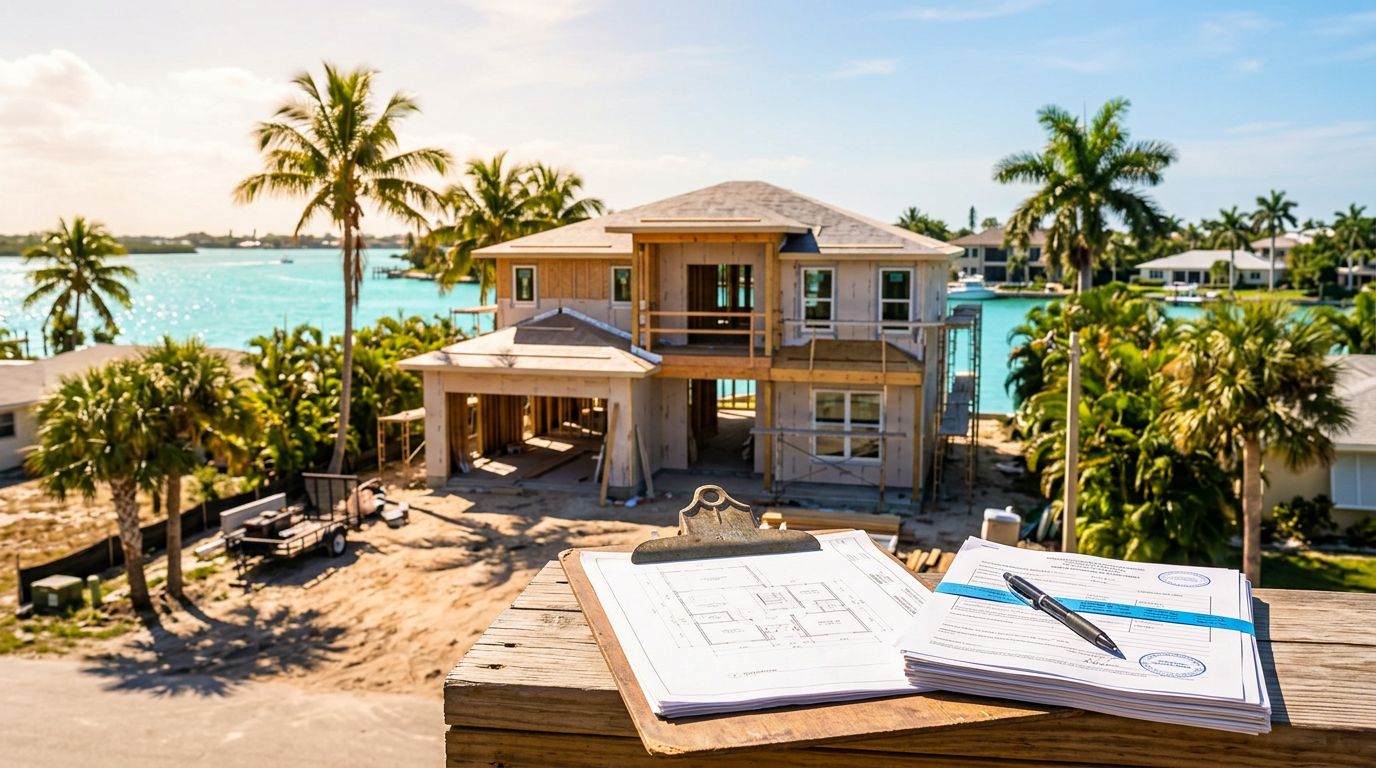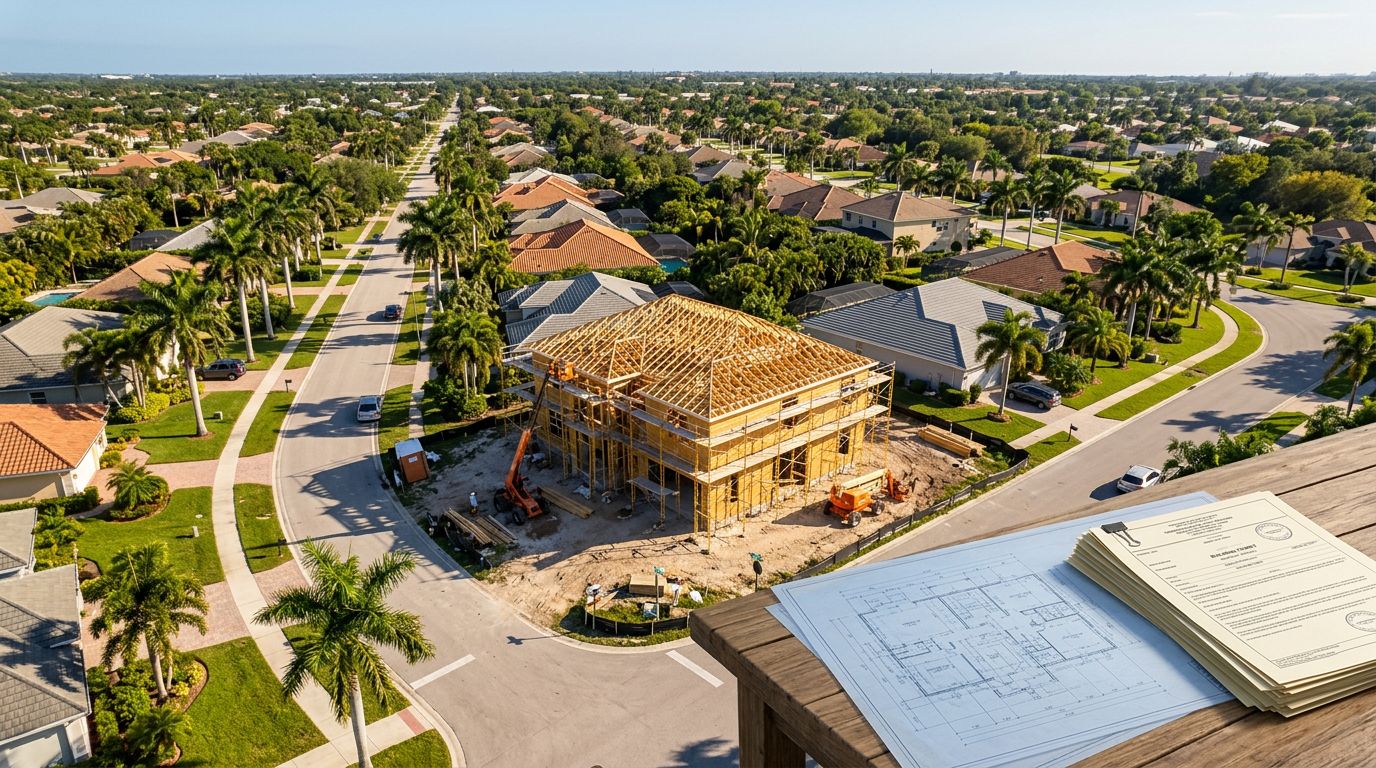
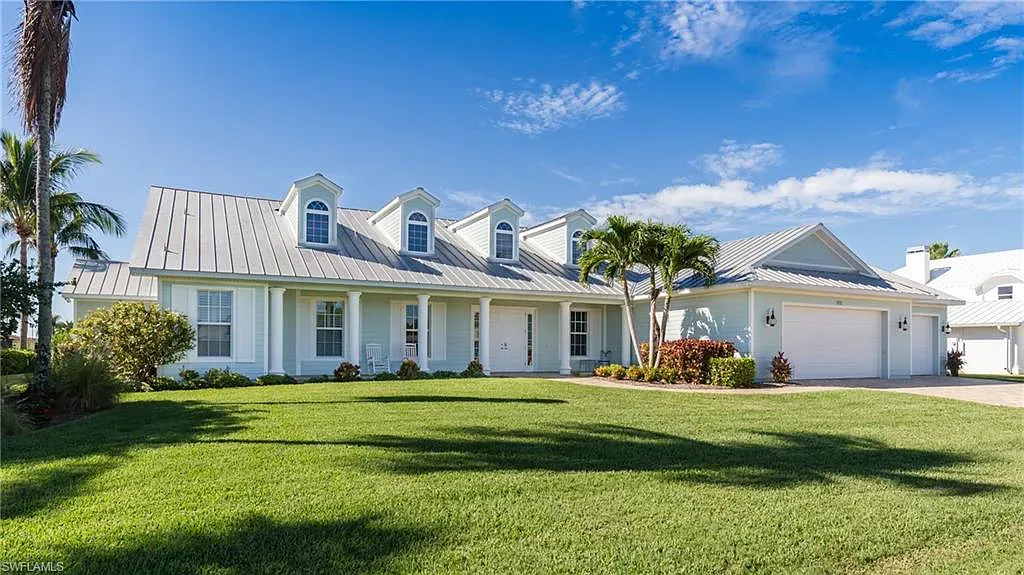



A new home can look finished while small construction problems remain hidden behind fresh paint, landscaping, and clean finishes. The 11-month warranty inspection cost is usually modest compared with the price of correcting a missed leak, drainage issue, or failed component after the builder's warranty deadline.
For many Southwest Florida homeowners, a professional inspection costs several hundred dollars. The exact price depends on the home's size, construction type, inspection scope, location, and provider. Scheduling the inspection before the warranty period ends gives you time to document concerns and submit them to the builder.
Key Takeaways
- A typical Southwest Florida warranty inspection often costs about $300 to $600 , while larger or custom homes may cost more.
- The inspection identifies conditions and documents defects, but the builder decides whether each item is covered.
- Local concerns include roof performance, stucco cracks, moisture, drainage, windows, doors, plumbing, electrical systems, and air conditioning.
- Your warranty documents control deadlines, exclusions, repair standards, and covered components.
- A detailed report, photographs, and prompt written notice give you a stronger record.
What an 11-Month Warranty Inspection Covers
An 11-month warranty inspection is a visual review of a recently completed home, usually scheduled before the first-year warranty expires. The timing gives the home enough time to experience normal use, seasonal rain, air-conditioning cycles, and settlement. It also leaves time for the homeowner to report findings.
The inspector checks accessible components and records visible conditions. Depending on the provider, the review may include the roof, exterior walls, windows, doors, foundation areas, attic, insulation, electrical system, plumbing, heating and cooling equipment, appliances, garage, and interior finishes.
This inspection is different from a warranty repair visit. An inspector does not represent the builder and cannot order the builder to correct a defect. The inspector reports what is visible and explains where further evaluation may be needed. The builder then reviews each item under the terms of its warranty.
Coverage depends on the contract. A builder may accept a reported defect, deny it as normal wear or homeowner maintenance, or request additional testing. Cosmetic cracks, nail pops, minor drywall movement, and landscaping concerns may receive different treatment than active leaks, unsafe electrical conditions, or failed equipment.
Your warranty may also contain separate periods for workmanship, materials, mechanical systems, and structural components. Some manufacturers provide their own warranties for roofing materials, windows, appliances, or air-conditioning equipment. Read the documents before scheduling the inspection so the report matches the deadlines that apply to your property.
An inspection creates evidence. It does not guarantee that the builder will approve every item in the report.
How Much Does an 11-Month Warranty Inspection Cost?
Homeowners in Cape Coral, Fort Myers, Naples, Bonita Springs, and nearby communities commonly see warranty inspection prices in the several-hundred-dollar range. A reasonable planning budget is often $300 to $600 for a standard single-family home , although larger, more complex, or custom properties may cost $500 to $900 or more .
These are budgetary ranges, not fixed local rates. Inspection standards, property size, builder warranty terms, travel distance, and provider pricing all affect the final quote. A small home with easy roof access may cost less than a large two-story home with multiple HVAC zones, a pool, detached structures, and extensive outdoor improvements.
The service level also changes the price. A basic visual inspection may cover the primary home, while a more detailed warranty review may include thermal imaging, moisture measurements, attic access, roof evaluation, or a return visit after repairs. Those tools can add value when the inspector has a clear reason to use them, but they shouldn't be added without understanding the fee.
| Inspection situation | Common planning range | Factors that can change the price |
|---|---|---|
| Standard new single-family home | $300 to $600 | Size, access, location, and report detail |
| Large or custom home | $500 to $900 or more | Multiple systems, elevations, garages, and structures |
| Roof or moisture add-on | Additional fee may apply | Roof design, access, suspected leaks, and equipment |
| Reinspection after repairs | Often separately priced | Number of items and whether the inspector returns onsite |
Ask for a written quote before booking. Confirm whether the price includes the report, photographs, roof access, attic inspection, pool equipment, detached garages, and a reinspection. A low base price may exclude areas that matter to your warranty claim.
A professional report can also prevent wasted time. However, the inspection fee is still an out-of-pocket homeowner expense in most cases. Your builder may agree to correct valid warranty items, but that doesn't usually mean the builder pays for your independent inspection.
Southwest Florida Problems Worth Checking
Southwest Florida homes face conditions that make a detailed warranty review useful. Heavy rain can expose roof, flashing, window, door, grading, and drainage problems. High humidity also makes moisture control important, especially around air-conditioning equipment, bathrooms, attic spaces, and exterior openings.
The inspector should look for accessible signs of water entry, staining, elevated moisture, damaged sealants, improper drainage, and areas where soil or paving directs water toward the house. A visual inspection cannot identify every concealed leak, so unusual readings may call for targeted testing or a qualified specialist.
Roof performance deserves careful attention. The inspection may identify damaged shingles or tiles, loose components, cracked sealants, blocked drainage points, or visible installation concerns. Roof access varies by design and safety conditions, so ask whether the provider will walk the roof, inspect it from the edge, or use another method.
Stucco and exterior finishes also deserve documentation. Small cracks may result from normal curing or settlement, while larger cracks, gaps around penetrations, or water stains may need closer review. The report should identify exact locations and include photographs rather than describing the issue as "stucco damage" without detail.
Inside the home, the inspector may test accessible outlets, switches, plumbing fixtures, doors, windows, smoke alarms, appliances, and HVAC operation. Air-conditioning performance matters in this climate, but an inspection does not replace service by a licensed HVAC technician. A system that runs during the visit may still have an intermittent problem.
Pools, irrigation, seawalls, docks, outdoor kitchens, and detached structures may fall outside a standard home inspection. Ask the inspector to list included and excluded areas. Separate warranties often apply to these features, so collect their contracts and manufacturer's information before reporting a problem.
How the Warranty Process Works After the Inspection
Start by locating the builder's warranty manual, closing documents, certificate of occupancy records, subcontractor warranties, and appliance paperwork. Look for the submission method, notice deadline, emergency repair instructions, and rules for maintenance-related claims.
Schedule the inspection early enough to receive and review the report. A report delivered a few days before the deadline may leave little time to clarify findings or submit proper notice. If you find an urgent leak, electrical hazard, or air-conditioning failure, report it promptly instead of waiting for the 11-month inspection.
After receiving the report, separate observations from conclusions. A finding such as "moisture detected at the lower window corner" gives the builder a location and condition to investigate. A statement that the window was installed incorrectly may require confirmation by the builder or another qualified professional.
Send the builder a written warranty request with a numbered list of items, photographs, inspection-page references, and the date you first noticed each condition. Keep copies of emails, portal submissions, work orders, inspection notes, and repair completion records.
The builder determines whether reported items are covered under the warranty. Coverage may depend on workmanship standards, product warranties, normal maintenance, homeowner alterations, weather events, or exclusions in the contract. An inspector can identify a concern, but cannot promise a repair outcome.
If the builder rejects an item, request the reason in writing and ask which warranty provision applies. For a disputed condition, an independent specialist may provide additional evidence. Structural, roofing, electrical, plumbing, and HVAC disputes may require different professionals.
Ways to Manage the Inspection Expense
The lowest quote isn't always the least expensive choice. A report that excludes the roof, attic, HVAC system, or exterior drainage may leave you paying for a second visit. Compare scope before comparing prices.
A useful quote should identify the property address, inspection type, included systems, report format, turnaround time, exclusions, and reinspection fee. Ask whether the inspector holds the license or credentials required for the services offered in Florida. Confirm that the provider carries appropriate insurance.
Homeowners can reduce delays by preparing the property. Unlock gates, clear access to electrical panels and water heaters, replace missing air filters, move stored items away from attic access, and gather warranty documents. These steps don't replace the inspection, but they help the inspector reach more components.
If you hired a builder under a cost-plus home builder agreement, keep the inspection separate from construction accounting unless your contract says otherwise. Cost-plus arrangements often use itemized project expenses, while an independent warranty inspection is a post-completion homeowner service. Ask for transparent pricing that shows the inspection fee and any optional services.
Don't choose testing because it sounds technical. Thermal imaging or moisture measurement can help investigate a suspected issue, but the inspector should explain what the tool can and cannot prove. In many cases, clear photographs and precise locations are more useful than a longer report filled with unsupported conclusions.
Finally, plan for possible follow-up costs. A roof specialist, mold assessor, structural engineer, or HVAC technician may charge separately if the inspection identifies a condition outside a general inspector's scope. That expense may be worthwhile when the suspected repair is significant.
Conclusion
An 11-month inspection gives Southwest Florida homeowners a documented review before a common first-year warranty deadline. Budget about $300 to $600 for many standard homes, while recognizing that custom properties, added services, and difficult access can raise the price.
The inspection report supports your warranty request, but the builder decides whether each item qualifies for repair. Review your contract, submit findings in writing, and keep a complete record. A careful inspection may cost a few hundred dollars, while missing a covered defect can cost far more after the warranty period closes.