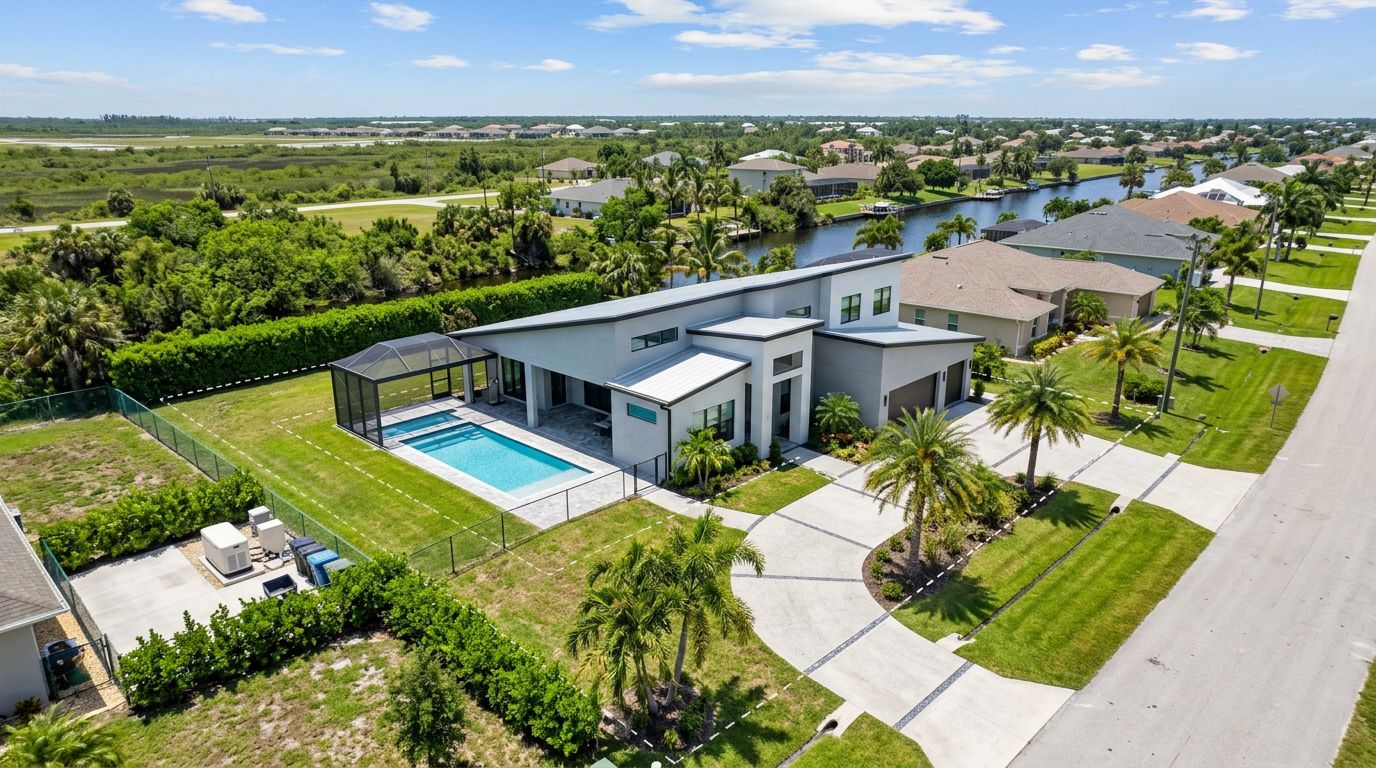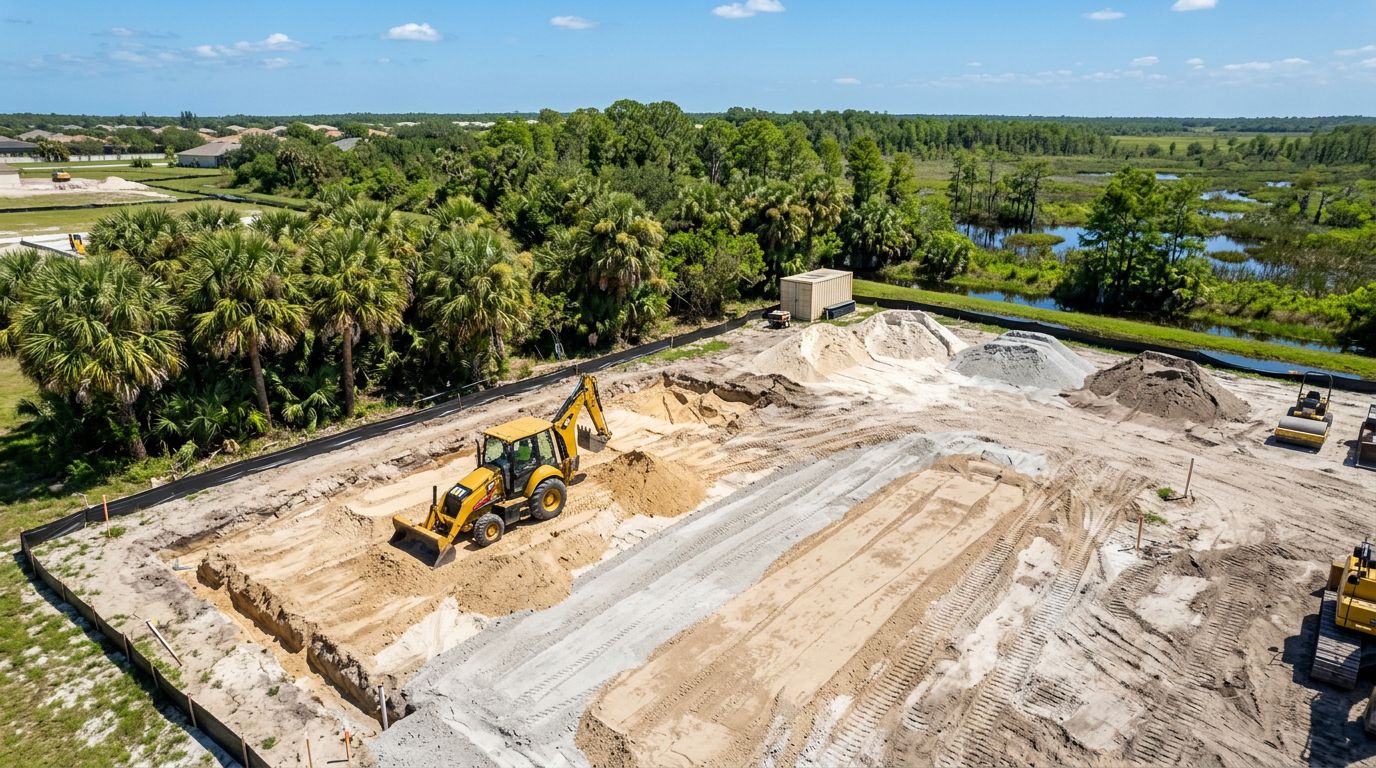
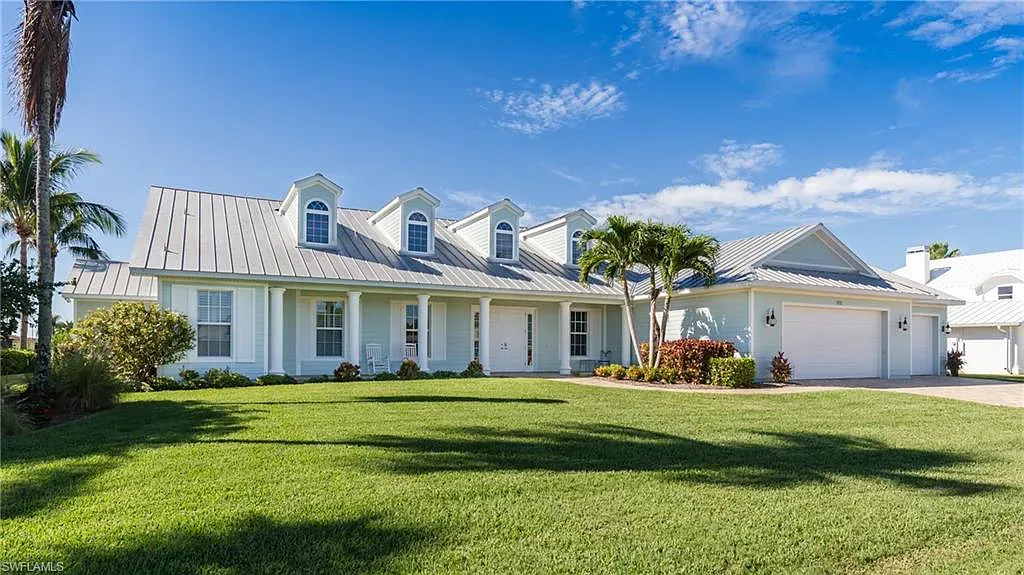



The best time to break ground in Southwest Florida is usually when the weather is dry, your lot is ready, and your permits are already moving. That sounds simple, but the real answer depends on rain, heat, storm risk, and how busy builders are.
A project that starts at the wrong time can lose days fast. Water sits in excavations, concrete crews get delayed, and schedules stretch out. If you're planning a new home, the smartest move is to match the season to your site conditions, not just the calendar.
What changes the calendar in Southwest Florida
Southwest Florida doesn't follow the same building rhythm as other parts of the country. Here, rain can show up hard and fast, then disappear just as quickly. The ground can also stay wet longer than you'd expect, especially on lots that need fill, grading, or drainage work.
That matters because the first stages of construction depend on access. Trucks need a stable path. Excavation needs a dry work area. Concrete needs the right weather window. If the site turns soft or muddy, everything slows down.
Storm season adds another layer. From late spring through fall, tropical systems can affect deliveries, inspections, and labor schedules even when a storm never makes landfall. Heat also matters. Summer temperatures can shorten workdays and put pressure on crews, which can slow production on big pours or framing days.
In Southwest Florida, the "best" time to start is often the time when the site is driest and the schedule is most predictable.
That is why many homeowners aim for a dry stretch before hurricane season gets busy. Still, that does not mean every other month is a bad choice. It means you need to weigh weather against the condition of your lot and the builder's calendar.
If you want a sense of how the early stages fit together, the Southwest Florida new construction timeline is a helpful way to see what happens after the first dig.
Spring often gives the cleanest start
Spring is a strong time to break ground in Southwest Florida, especially from late February through April. Rain is usually lighter than summer, and the extreme heat has not settled in yet. That gives crews better working conditions and gives your lot a better chance to stay dry.
For many homeowners, spring also lines up well with permit timing. If you started planning in winter, spring may be the first point when designs, approvals, and financing all come together. That creates a practical opening for sitework, slab prep, and utility coordination.
Spring does have one drawback. It can be a busy season for builders. If your contractor's schedule is already full, you may still wait for a slot. The weather may be ready before the crew is.
When spring works best:
- Your lot is mostly cleared and graded
- Drainage is already planned
- Permit approval is close
- You want lower rain risk before summer
A spring start is often the sweet spot for homeowners who want a cleaner path into summer framing. It is usually the least stressful season for sitework, as long as you do not wait too long and drift into peak rainy months.
Summer can work, but it needs more planning
Summer is the hardest season to start a home in Southwest Florida. Afternoon storms become part of the daily routine, and some sites stay wet for long stretches. Heat can also slow labor, especially during concrete work and framing.
That said, summer is not off-limits. If your lot is already prepared, drainage is in place, and your builder knows how to manage weather delays, a summer start can still move forward. The key is preparation. A flat, well-drained lot with clear access is much easier to build on than a site that still needs heavy fill or reshaping.
Summer can also be useful if your builder has more open time. Some homeowners see better scheduling flexibility after the spring rush. That can help if your plans were ready early but permits took longer than expected.
The risk is simple. One heavy rain can put off excavation or footings. A tropical system can pause work for days. If your construction loan or move-out date is tight, summer adds more pressure.
Summer can make sense when:
- The site is already dry and stable
- You have a strong drainage plan
- Your schedule can absorb weather delays
- You want to take advantage of builder availability
If you start in summer, build in extra time. Don't assume the first dig will lead straight into steady progress. It usually doesn't.
Fall can be a smart middle ground
Fall gives you mixed conditions in Southwest Florida. Early fall still carries storm risk, but late fall starts to improve. By November, the weather often settles down, and the air gets a little kinder to crews.
This is why fall can be a smart time to break ground if your paperwork is done. If permits are approved and your lot is ready, late fall can lead into a better stretch for sitework and slab work. You get out of the wettest part of the year and into a season with fewer rain delays.
The downside is timing. Early fall can still be messy. Hurricane season is active, and weather can change plans fast. A lot that needs major drainage work may be better off waiting until the storms pass.
Fall works well when:
- Your permit process finished on time
- The site does not need major storm cleanup
- You want to move into drier months
- You prefer a calmer stretch for inspections and scheduling
Late fall is often underrated. It gives you a better shot at steady progress before the holiday slowdown and before winter project demand climbs again.
Winter brings the driest stretch, with one tradeoff
Winter is often the most comfortable time to build in Southwest Florida. Rain is usually lighter, humidity drops, and crews can work more efficiently. For many sites, that makes winter the safest bet for breaking ground.
This is especially true if your lot still needs earthwork, fill, or utility trenching. Drier weather helps keep equipment moving and reduces the odds of muddy setbacks. Concrete work can also benefit from more stable conditions, as long as temperatures stay within normal ranges.
The tradeoff is scheduling. Winter is a popular building window. Good builders book up, and trades can stay busy. If you wait until winter to start planning, you may have missed the best window already.
Winter is a strong choice when:
- You finished design and permitting early
- Your builder has an opening
- You want the lowest rain risk
- Your lot needs clean, dry conditions
If you can line up winter with a ready site, it is hard to beat. If not, the season can pass while you wait on approvals or subcontractors.
Lot readiness matters as much as the season
The calendar is only part of the decision. A lot that is ready to build on can start in almost any season. A lot that still needs fill, clearing, or drainage fixes can turn a good month into a hard one.
Site conditions in Southwest Florida can change everything. Low lots may need elevation work. Wet spots may need more drainage planning. Some parcels need utility coordination before the first shovel hits dirt. All of that affects the start date more than the weather forecast alone.
Permitting matters just as much. If you're waiting on approvals, the "right season" may come and go. A late permit can push a project into summer when you were hoping for a winter start. That is why many homeowners begin design and permit work well before they want to break ground.
Budget planning matters too. If site conditions are still unknown, leave room for surprises. A real budget breakdown for building in Florida helps you see where the sitework, utility, and elevation costs usually show up.
The fastest way to miss a good start date is to wait on the lot, the permit, and the builder at the same time.
Choosing the right builder can change the timing
A good builder does more than schedule crews. They help you choose a start date that fits your lot, your plans, and the local weather pattern. That matters in Southwest Florida, where a few weeks can make a real difference.
If you work with a cost-plus home builder, the schedule conversation gets easier when the pricing is clear. Transparent pricing helps you see how sitework, allowances, and changes affect the budget before the first crew arrives. That matters when weather delays or soil issues add steps you did not expect.
The right builder should also tell you when to wait. If your lot needs more prep, starting early can cost more in delays than it saves in time. A rushed start rarely pays off.
Look for a builder who gives straight answers about:
- Site conditions
- Permit timing
- Trade availability
- Weather-related delays
- Budget exposure during early work
That kind of guidance is worth more than a fast promise. It helps you pick a start date that fits the actual job, not just the calendar.
Conclusion
If you want the simplest answer, late fall through early spring is usually the most practical time to break ground in Southwest Florida. The weather is drier, the ground is easier to work, and storm risk is lower.
Still, the best start date depends on more than the season. A ready lot, approved permits, and a builder with the right opening matter just as much. When those pieces line up, you can start with less stress and fewer delays, no matter what month it is.
The right time to break ground is the time when the site, the paperwork, and the builder are all in step.