Bonita Springs Drip Edge Repair Before Fascia Damage Spreads
Explore Our Services
Contact Us Today!
(239) 322-9295
Roof-edge water rarely starts with a ceiling drip. More often, it leaves a rust streak, peeling paint, or a dark line behind the gutter.
In Bonita Springs, heavy rain, strong winds, salt air, and humidity put constant pressure on roof edges. Scheduling drip edge repair Bonita Springs homeowners need early can keep a small flashing issue from becoming a larger fascia repair.
A clear look at the parts around your eaves makes it easier to spot trouble before it spreads.
Drip Edge Repair Bonita Springs: Know the Parts at the Eave
Several roof components meet in a narrow strip above your home's exterior walls. Because they sit so close together, it is easy to mistake one for another. Each part has a different job, and a problem with one can affect the rest.
The drip edge guides rainwater into the gutter
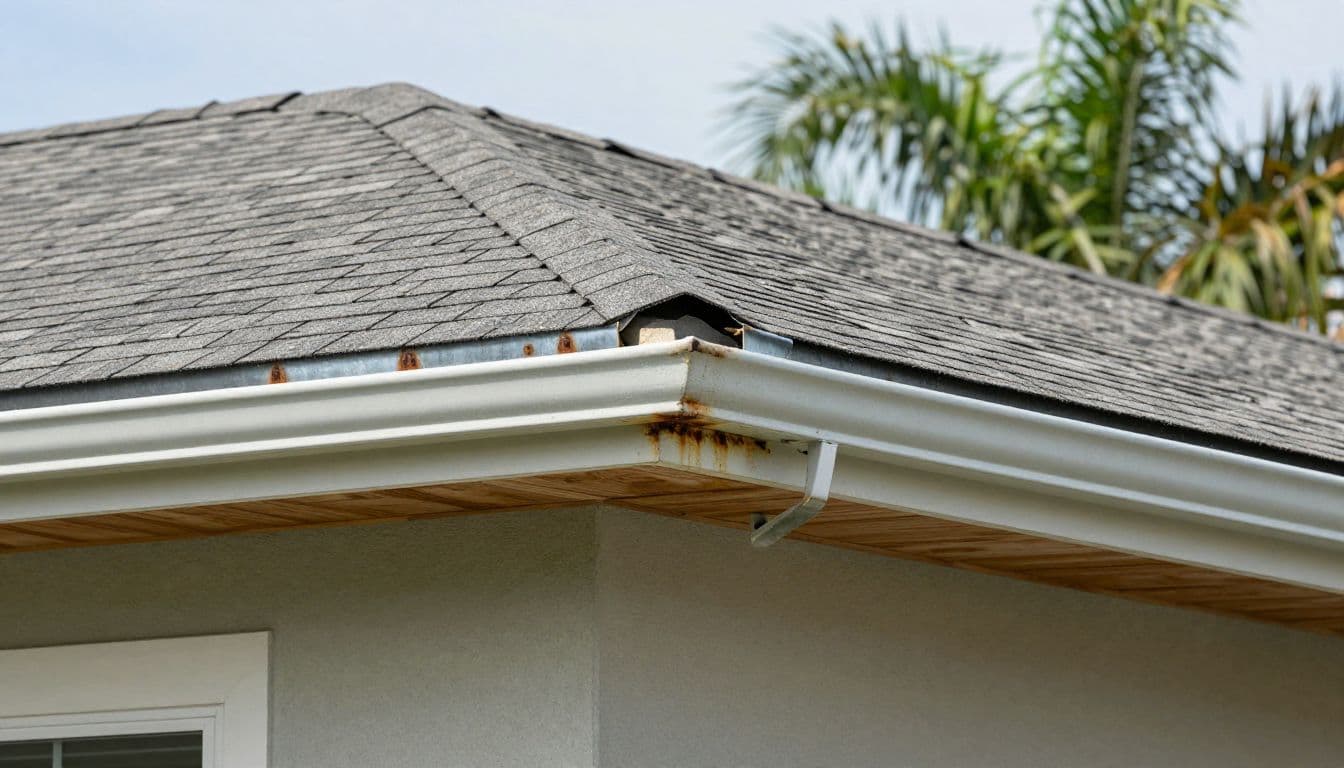
The drip edge is a thin, angled piece of metal flashing installed along the roof's outer edges. At the eaves, shingles overlap it, and its lower lip directs water toward the gutter instead of behind it.
This metal edge does not support the roof or carry the gutter's weight. Its job is to control the path of runoff and shield the wood at the roof line. When it bends, separates, corrodes, or sits in the wrong position, water can reach areas meant to stay dry.
Fascia, soffit, shingles, and gutters have separate roles
Fascia is the vertical board or trim at the end of the roof rafters. Gutters often attach directly to this board, so soft or rotting fascia can eventually affect the gutter's support.
The soffit is the finished underside of the eave. It closes the area between the wall and fascia, and it may include vents that help air move through the attic.
Shingles are the outer roof covering that sheds most rainwater. Beneath them sits roof decking, the structural panel that supports the roofing materials. The gutter is the open channel that collects runoff and moves it toward downspouts.
When drip edge flashing fails, water may bypass the gutter and wet the fascia. The soffit can then show stains or loosened panels nearby.
Bonita Springs Weather Tests Every Roof Edge
Florida roofs handle more than occasional rain. Roof edges take the first hit from sudden downpours, strong sun, and wind-driven water.
Heavy rain and humidity keep wood damp longer
A summer storm can send a large volume of water across the roof in minutes. If the metal edge no longer directs that water cleanly into the gutter, runoff can wash behind the gutter instead.
Humidity then slows drying at the shaded eave. Paint may bubble or peel, while wood fibers absorb moisture over repeated storms. Homes near the coast can also see faster metal corrosion because of salt in the air.
For drip edge repair Bonita Springs homes often need an inspection after a season of hard weather, even when there is no leak inside.
Wind, debris, and gutter overflow add pressure
Wind can loosen shingle edges, bend thin flashing, and deposit palm fronds or leaves into gutters. A blocked gutter may overflow over its front edge, but it can also force water behind the gutter.
Those conditions can resemble one another from the ground. A roofing professional can determine whether the source is a clogged gutter, damaged flashing, worn shingles, loose gutter fasteners, or more than one issue.
After a tropical storm, look for changes in the roofline instead of waiting for obvious interior damage.
Signs You Can Check Safely From the Ground
A walk around the house after dry weather and again after rain can reveal useful clues. Stay on the ground, and do not climb a ladder, walk the roof, pull on gutters, or try to bend flashing back into place.
Look for visible changes around the eaves
Use your phone camera's zoom or binoculars from a safe distance. Pay close attention to the lower roof edge above gutters, doors, patios, and exterior walls.
Look for signs such as:
- Metal flashing that appears bent, lifted, rust-stained, or separated from the shingle edge.
- Fascia paint that is peeling, blistered, stained, or darker in a narrow band.
- Gutters that sag, pull away, or show water marks on the wall beneath them.
- Soffit panels with stains, gaps, sagging sections, or visible deterioration near the fascia.
A single stain does not always mean the roof is leaking. However, it gives a contractor a helpful starting point for a closer inspection.
Watch the water path after a normal rain
During or soon after rain, observe where water leaves the roof. Water should enter the gutter and travel toward a downspout. Water spilling over the front of a full gutter can point to a blockage or poor drainage.
Water that appears behind the gutter deserves closer attention. So does a persistent wet strip on the fascia, a drip from the soffit, or water entering an enclosed patio area.
Water spilling over a gutter's front edge and water emerging behind the gutter can look alike from the yard. The second pattern may point to a roof-edge flashing or fascia issue.
If you notice soft, stained, rotting, or crumbling wood at a safely visible ground-level eave, request a prompt roof condition assessment. Active leaks also call for a timely professional visit.
Why Delaying Repairs Can Increase Fascia Damage
A small gap in flashing does not always create immediate, widespread damage. Still, repeated water exposure gives moisture the same access point after every storm.
Wet fascia loses the strength needed for gutters
Paint can hide early moisture damage for a while. Behind that painted surface, wet wood may soften, split, or decay. Gutter screws and brackets need sound fascia to stay secure, so weakened wood can allow the gutter to pull away over time.
Water can also reach the soffit beside the affected fascia. If it moves upward into the roof edge, a contractor may need to inspect the decking under the shingles as well.
Early repair limits how much material needs removal. Once wood deterioration spreads along a longer section, the work may involve more fascia, soffit, gutter adjustment, and roof-edge restoration.
Active leaks should not wait for the next storm
A wet ceiling spot, dripping soffit, or water entering the home during rainfall needs prompt attention. A contractor can locate the source and recommend the appropriate repair rather than covering visible damage.
When a storm has caused an active opening in the roof, temporary protection may be needed before permanent work begins. Temporary roof leak protection can help limit additional water entry while the repair is planned.
Dry weather between storms does not erase the need for an inspection. It only means the water path is not active at that moment.
What a Professional Drip Edge Repair May Include
The right scope for drip edge repair Bonita Springs homeowners need starts with identifying where water is entering. A good inspection looks beyond the stained board and traces the problem back to its source.
An inspection checks the entire roof-edge assembly
A roofer will examine the flashing's position, the shingle edge, gutter alignment, and the condition of the fascia and soffit. They may also check nearby roof decking when signs of moisture call for it.
Photos and a written scope help clarify what needs repair. They also separate roof-edge damage from a simple gutter-cleaning problem, which can save homeowners from paying for work that doesn't address the cause.
Repairs match the materials that are actually damaged
Depending on the inspection findings, the work may include:
- Removing or temporarily rehanging a gutter section for proper access.
- Replacing damaged drip edge flashing with compatible metal flashing.
- Repairing limited areas of soft or rotted fascia before reinstalling gutter fasteners.
- Replacing disturbed or damaged shingles at the roof edge.
- Securing soffit trim or addressing nearby decking damage when the inspection finds it.
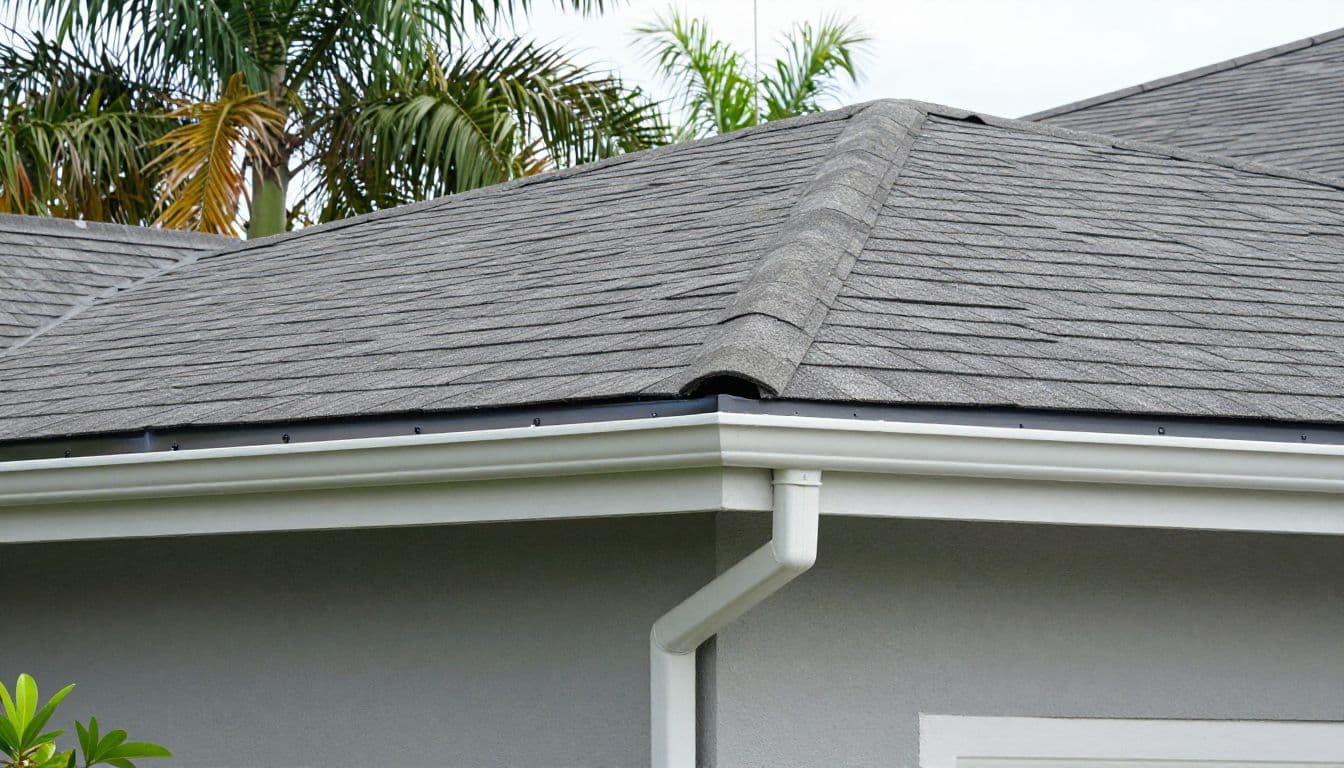
A properly installed drip edge directs roof runoff into the gutter without trapping water against wood trim. The contractor also checks that the shingles and flashing overlap correctly for the roof system.
Repair costs vary with roof height, access, the length of damaged edge, gutter work, and the condition behind the fascia. An on-site review provides a more useful answer than a generic price range. Contractors who handle residential roof leak repairs can assess the flashing, shingles, trim, and water path together.
Choose a Bonita Springs Roofer With a Clear Scope
Roof-edge repairs look small from the driveway, but the details matter. Choose a local roofing professional who inspects the water path instead of treating the visible stain as the whole problem.
Ask what caused the damage
A clear repair proposal should explain the condition of the drip edge, fascia, shingles, soffit, and gutters. Before work begins, ask questions such as:
- What is allowing water to reach the fascia?
- Which materials need repair or replacement?
- Will the gutter need removal and reattachment?
- Does the scope require any permits or coordination with other exterior work?
- Can the contractor provide proof of appropriate Florida licensing and insurance?
Ask for photos of the affected area and a written description of the planned work. Clear documentation helps when comparing repair proposals or reviewing storm-related damage.
Prepare for an efficient inspection
Take photos after rain if you can do so safely from the ground. Note where water appears, whether the gutter overflows, and whether you have seen indoor stains or drips.
Keep the area below the eave accessible for the inspection. If you have a low roof section near a pool cage, lanai, or landscaping, point it out before the visit.
Contact a qualified local roofing professional promptly when fascia is soft, stained, rotting, or showing an active leak. Fast inspection helps limit damage without treating every stain as an emergency.
Protect the Fascia by Fixing Water's Path
The drip edge is a small piece of flashing with a direct effect on the fascia, soffit, shingles, and gutters around it. An early inspection can separate a minor roof-edge repair from a larger wood-replacement project.
When rainwater follows the right path, the fascia stays drier and the gutter remains better supported. Prompt attention to soft wood, stains, bent flashing, or active leaks keeps a manageable repair from growing with each storm.