

Corner lots in Cape Coral can look like the smart buy, until the numbers start to stack up. Extra frontage, extra exposure, and extra site work can move the budget faster than most buyers expect.
In 2026, the real question is not whether a corner lot costs more. It's whether the premium fits your plan, your neighborhood, and your build budget.
The answer changes by block, flood zone, utility setup, and even the way your home faces the street. Here's how to size up Cape Coral corner lot costs without getting caught off guard.
What pushes Cape Coral corner lot prices in 2026
There isn't one clean price range that fits every corner lot in Cape Coral this year. Land values still move by neighborhood, and the spread can be wide from one area to the next. Lots near water, in stronger-demand pockets, or in areas with active new construction often hold firmer prices.
A corner lot can also cost more because it changes how the property works. Two street fronts can help with design, but they also add exposure, more landscaping, and sometimes more rules. In a market that has been softer in parts of Cape Coral, buyers may have more room to negotiate, but that does not erase the site-specific price drivers.
The biggest factors usually look like this:
| Factor | How it affects price | What to check |
|---|---|---|
| Neighborhood demand | Stronger areas usually carry a higher lot price | Recent nearby lot sales and builder activity |
| Lot size and shape | Larger or cleaner shapes often cost more | Buildable width, depth, and usable yard space |
| Road exposure | More frontage can raise value, but also adds noise and fencing costs | Traffic flow, intersection placement, and driveway options |
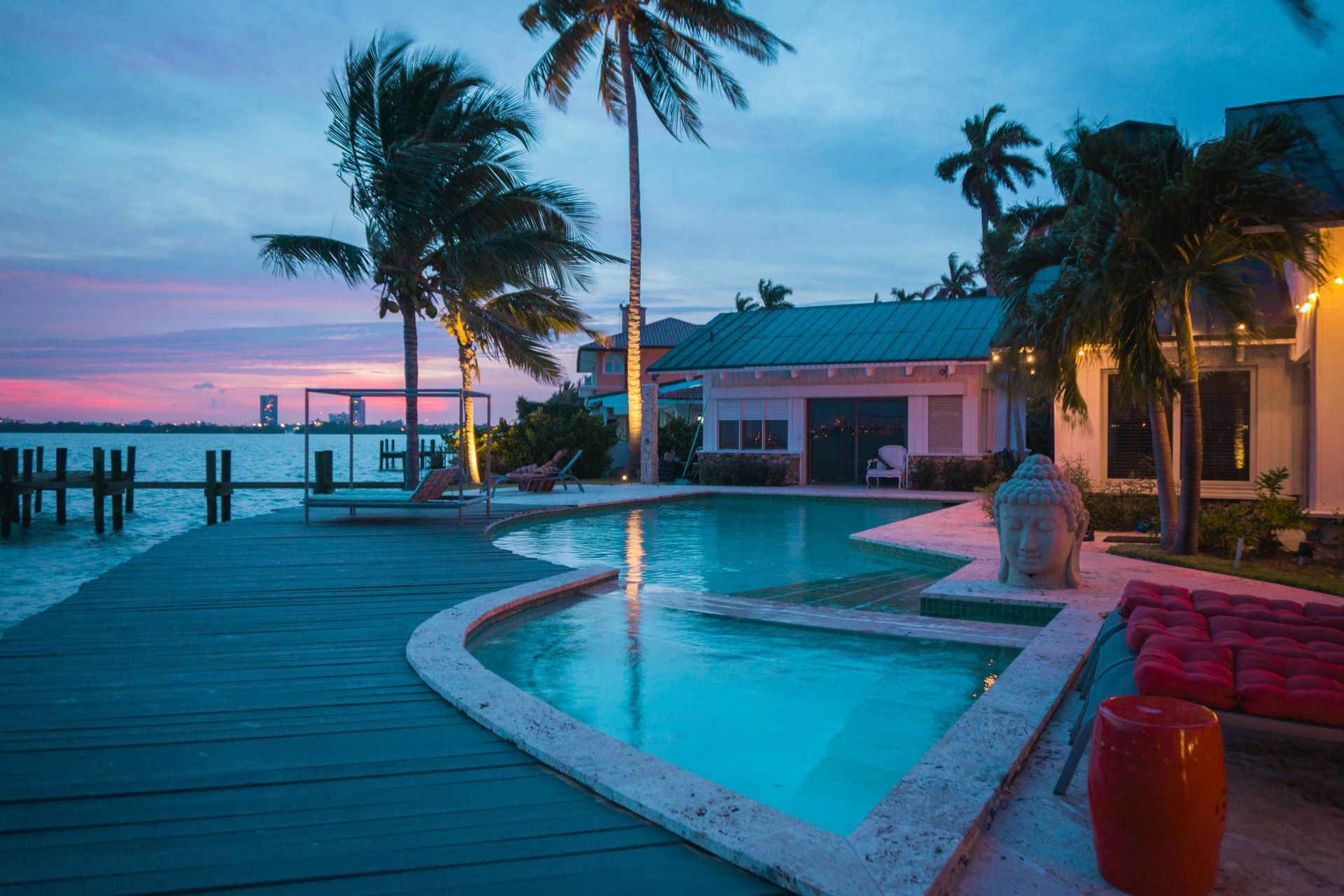
| Canal access | Water access can lift the price, then add build limits and insurance concerns | Dock potential, seawall condition, and setbacks |
| Flood zone and elevation | Safer, higher lots often command more | Flood zone, elevation certificate, and fill needs |
| Utilities and site prep | Existing utilities can save money, while long runs add cost | Water, sewer, power, clearing, and grading |
| Zoning and setbacks | Tight rules can limit design choices | Corner setback rules, easements, and lot coverage |
A corner lot is priced on more than its label. Buyers pay for what the lot allows, and what it makes harder.
When a corner lot earns its premium
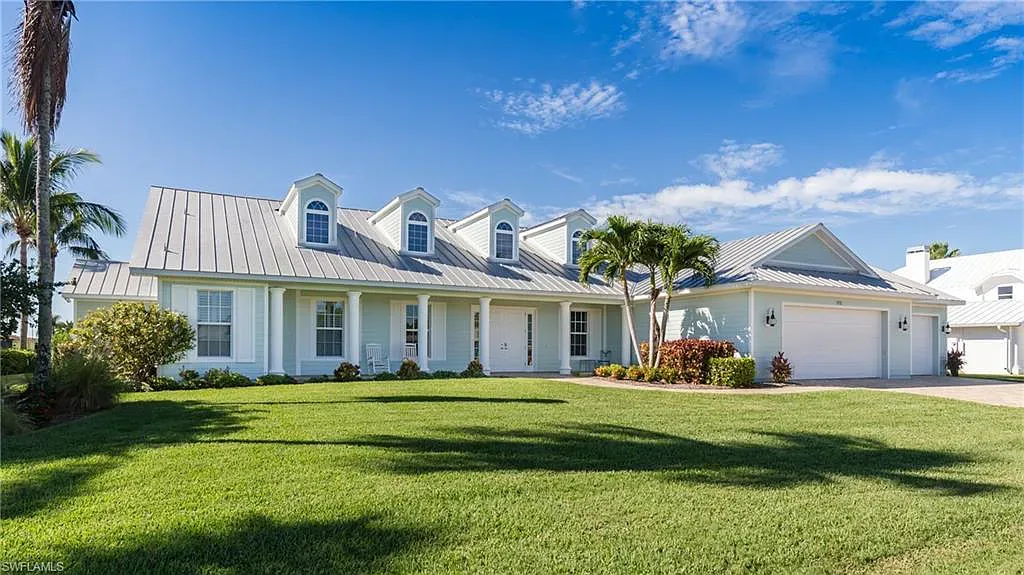
A corner lot makes sense when it solves a real design problem. Maybe you want a wider front elevation, a side-entry garage, or room for a pool that still feels private. Maybe the second street gives your home better visibility and a stronger curb appeal.
That extra openness can help resale later, too. In many Cape Coral neighborhoods, buyers notice a home that feels easier to access and easier to live in. The lot becomes part of the house experience, not just the dirt under it.
Still, corner exposure is not always a plus. A lot near a busy intersection, a stop sign, or a cut-through road can bring noise and headlights you'll notice every day. More frontage also means more fence, more irrigation, and more landscaping to keep up.
A corner lot can look like a bargain on paper and still be the wrong fit if traffic, setbacks, or drainage eat up the savings.
The premium tends to be easier to justify when a few things line up. The lot should have usable width, manageable traffic, simple access, and a house plan that actually benefits from the shape. If the lot gives you room for the design you already want, the extra cost can make sense. If the shape forces compromises, the premium starts to look thin.
Why the real budget is bigger than the lot price
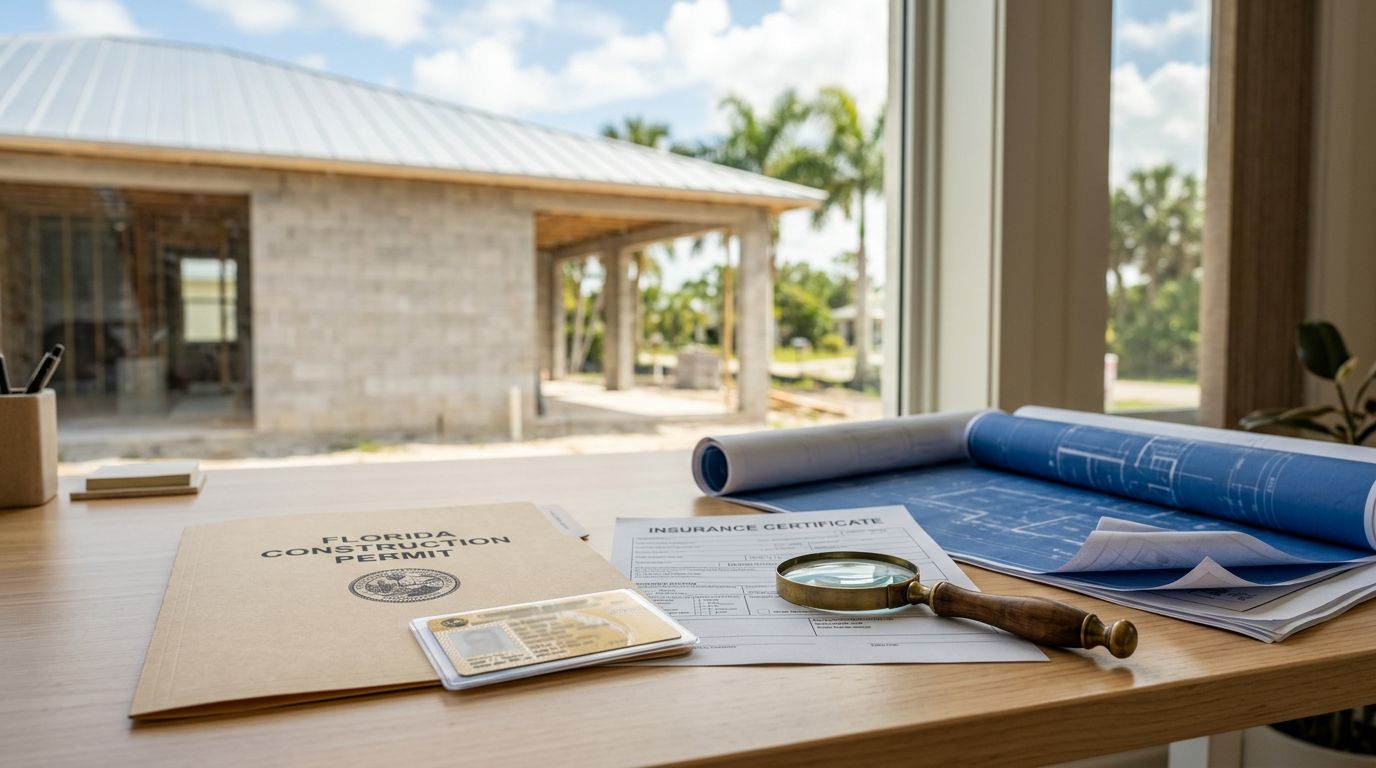
The lot price is only the opening number. The final budget also includes site work, utilities, permits, drainage, and any adjustments needed for flood conditions or corner-lot layout. That is where many buyers get surprised.
A corner lot may need a wider driveway approach, extra sidewalk coordination, more fencing, or a different garage placement. If the lot is on a canal, you may also need to think about seawall conditions, dock plans, and access setbacks. Even a lot that looks simple from the street can hide expensive prep work.
A cost-plus home builder with transparent pricing helps here, because open-book cost-plus contracts keep site work, allowances, and builder fees visible as the project moves. That matters most when the lot has moving parts.
If the lot needs extra fill, longer utility runs, or drainage fixes, the cheapest lot on paper can become the most expensive one to build on.
Before you commit, ask who is pricing the hard parts. Utility connections, clearing, compaction, drainage, and engineering should not be vague line items. The same goes for flood zone work, because elevation and water management can change the total in a hurry.
A clean site is easier to price. A corner lot with canal access, more frontage, or stricter setbacks needs a tighter estimate.
How to compare quotes for a corner lot build
If you're collecting bids, comparing custom home builder bids helps you spot missing site items before they turn into change orders. That matters even more with corner lots, because one builder may include items another leaves out.
Use the same lot details with every bidder. Give each builder the survey, setbacks, flood info, utility notes, and your floor plan. Then ask for pricing in the same format so the quotes are easy to compare.
- Ask for the lot premium and the house cost separately.
That keeps the land value from getting mixed into the build price. - Confirm what site work is included.
Clearing, grading, fill, drainage, and utility runs should be spelled out. - Check corner-lot setbacks and visibility rules.
A lot can look wide enough and still lose buildable space. - Review flood zone and elevation needs.
Those items can change slab height, fill, and insurance costs. - Compare fencing, landscaping, and driveway allowances.
Corner lots often need more of all three. - Ask what happens if conditions change after the contract.
You want clear rules for approvals, allowances, and change orders.
The cleanest bid is not always the lowest. It is the one that leaves the fewest surprises.
Conclusion
Cape Coral corner lot costs in 2026 come down to fit, not just frontage. The lot price matters, but so do flood zone, utilities, setbacks, road exposure, and the way the home will sit on the site.
If the lot gives you usable space and works with your plan, the premium can be worth it. If it brings more traffic, more prep work, or more hidden costs, the cheaper-looking lot may be the smarter buy.
The safest move is simple. Price the lot and the build together, then compare every line before you sign.