Cape Coral Tile Roof Lift-and-Reset: Is It Practical?
Explore Our Services
Contact Us Today!
(239) 322-9295
A leaking tile roof doesn't always mean the tiles need replacing. In Cape Coral, a tile roof lift-and-reset can be practical when the tiles remain usable but the waterproofing beneath them needs renewal.
The decision depends on what's beneath the tiles , along with storm damage, installation requirements, and the cost of careful removal. Before choosing this approach, you need an on-site inspection by a qualified, licensed roofing professional.
What a Tile Roof Lift-and-Reset Involves
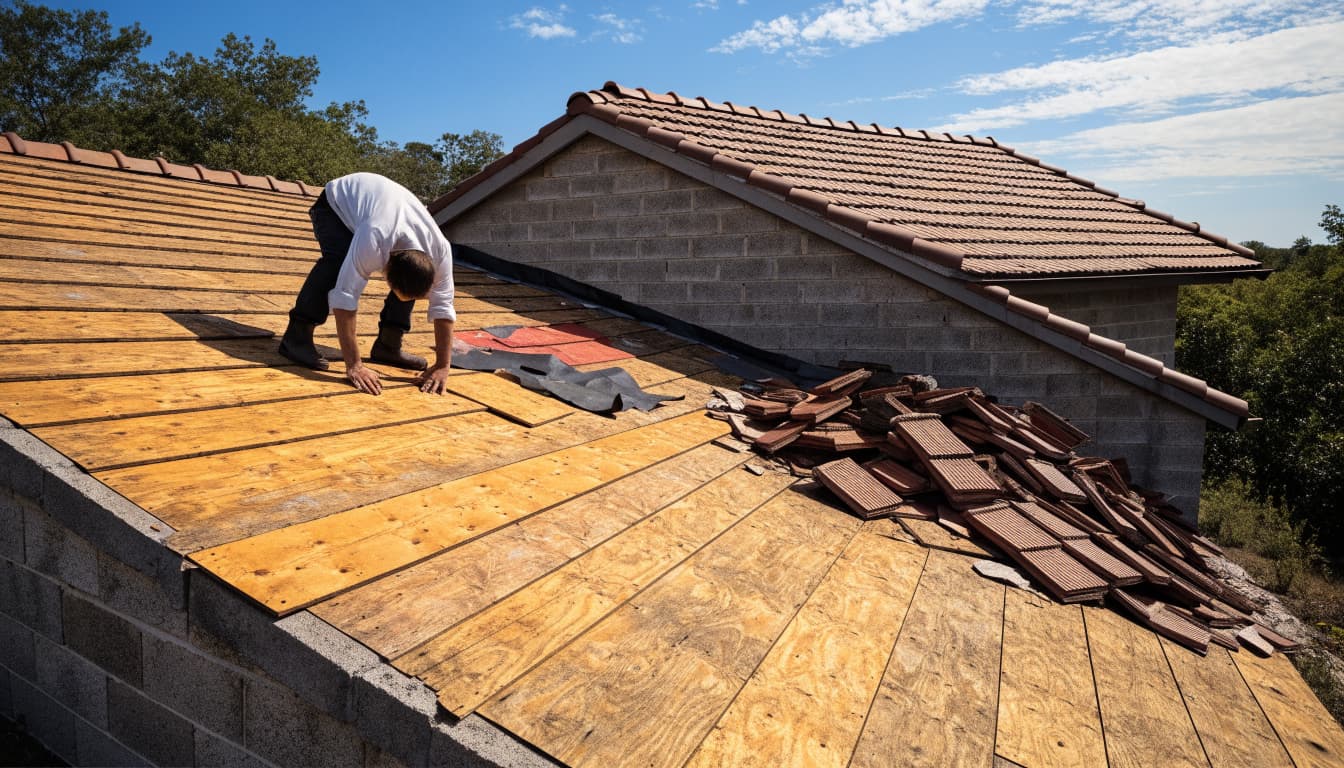
During a lift-and-reset, a roofing crew removes existing tiles, sets aside those suitable for reuse, and exposes the roof's underlying layers. The work typically includes removing old underlayment, inspecting the deck, completing necessary repairs, and installing an approved underlayment system.
Crews then reinstall serviceable tiles with the required attachment method and replace damaged pieces. Flashing, battens where required, and other components need evaluation as part of the scope.
The goal is to preserve a usable roof covering while renewing the layers that help keep water outside. However, lifting and resetting tiles remains substantial roofing work, even when homeowners keep the same appearance.
A localized leak should first be evaluated for roof repair in Cape Coral. Removing tiles across the entire roof may be unnecessary when the problem is limited and surrounding materials remain sound.
When Existing Tiles Are Worth Reusing
A lift-and-reset makes sense only if enough tiles can be removed and reinstalled safely. A roof that looks attractive from the street may still have cracked tiles or attachment problems.
Serviceable Tiles and Available Matches
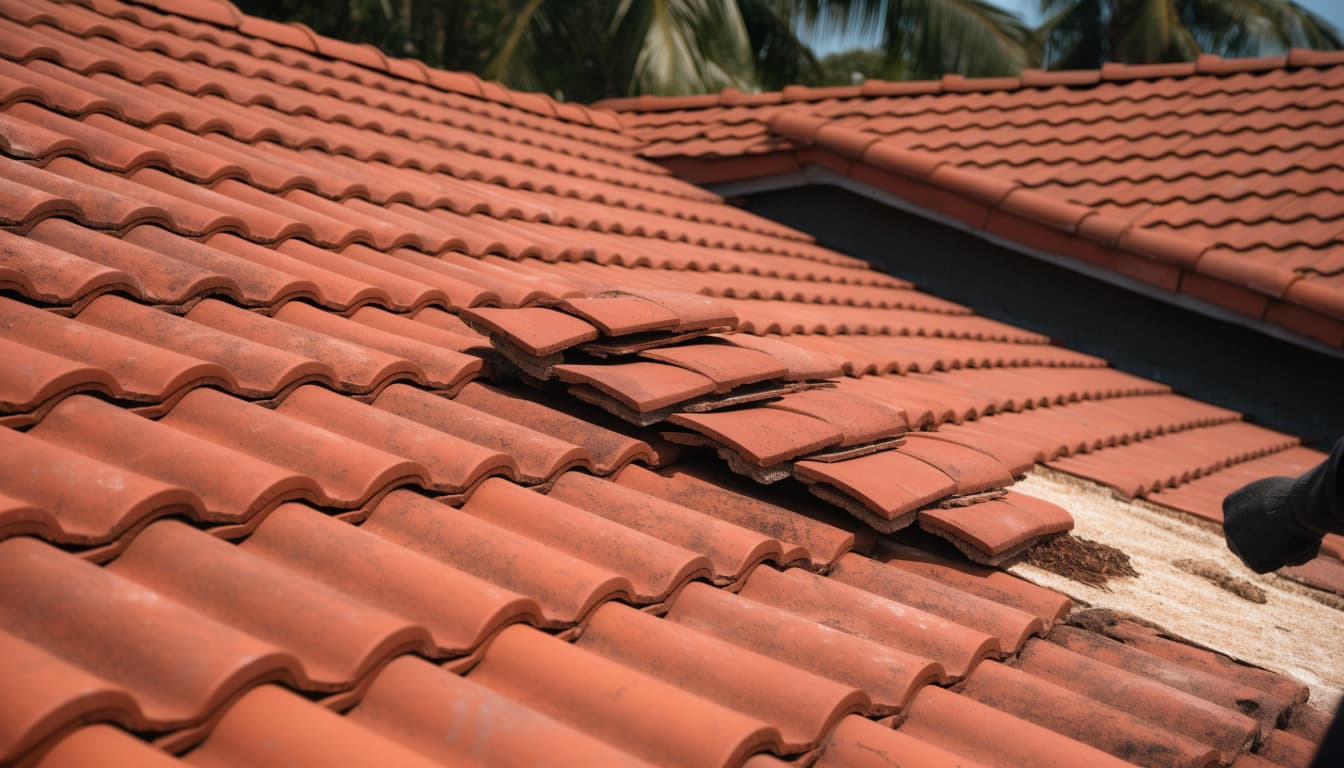
Concrete and clay tiles can remain usable even when the underlayment beneath them needs replacement. The inspection should assess cracks, broken corners, deteriorated attachment areas, and damage around ridges and penetrations.
Florida's residential roofing provisions prohibit reinstalling damaged, cracked, or broken tiles. Salvaged tiles used for repairs must match the existing material and profile.
That makes replacement availability important. An older or discontinued profile can complicate the project, even if most tiles are sound. Ask the contractor to confirm a compatible supply before committing to reuse.
Removal Damage and Remaining Value
Tiles may break during removal, particularly when existing attachments make separation difficult. The estimate should explain how handling damage and replacement tiles will be addressed.
There isn't a universal damaged-tile percentage that determines whether resetting is worthwhile. Condition, removal difficulty, compatible replacements, and installation requirements guide the decision.
If widespread damage leaves little material worth saving, full replacement may offer better value. Reusing tiles should reduce unnecessary material replacement without compromising the finished roof.
Roof Deck and Underlayment Condition Decide the Scope
The deck supports the roof assembly. Underlayment provides a water-control layer beneath the tiles, so problems in either area can change the recommendation.
Sound Decking With Manageable Repairs
Both properly rated plywood and oriented strand board (OSB) can perform well when their installation matches the roof design. The inspection should look for soft spots, swelling, delamination, loose fasteners, and evidence of prolonged wetting.
Staining alone doesn't establish whether a panel needs replacement. The roofer must assess its condition and, where necessary, involve a qualified design professional.
Limited deck repairs don't automatically rule out resetting tiles. However, widespread deterioration or framing damage can substantially expand the project. Any replacement panels must meet applicable thickness, span-rating, support, and fastening requirements.
Underlayment and Flashing That Need Renewal
A tile roof can leak while much of its covering remains intact. Failed underlayment, deteriorated flashing, or poorly detailed penetrations may explain the problem.
Renewing underlayment can justify lifting tiles across a broader area when isolated patches won't address the deterioration. The replacement assembly must suit the roof, approved products, and applicable installation instructions.
The 2023 Florida Building Code, Residential, includes provisions for approved self-adhering polymer-modified bitumen underlayment meeting ASTM D1970. The contractor must verify which requirements apply to your project.
Keeping the tiles doesn't justify keeping failed flashing or covering unsound decking with new underlayment.
Cape Coral Storm Exposure Changes the Evaluation
Southwest Florida's wind-driven rain and hurricane exposure make attachment details as important as visible tile condition. A roof may have intact tiles alongside weakened fasteners or damaged connections.
After a storm, the inspection should examine displaced tiles, ridge components, roof edges, flashing, and accessible decking. Interior leak evidence and attic conditions also help establish the extent of damage.
Tile attachment must suit the approved assembly and the home's wind-design requirements. The Florida roofing provisions reference manufacturer instructions or the FRSA/TRI Florida High Wind Concrete and Clay Roof Tile Installation Manual, Seventh Edition.
A contractor should verify the applicable requirements rather than assume the original installation remains acceptable. Coastal exposure, roof height, geometry, and attachment conditions can affect the work.
Resetting tiles can't correct every structural problem by itself. If inspection identifies damaged framing or deficient connections, those findings need separate evaluation before the roof is closed.
Cape Coral Permits and Code Checks Come First
Calling the work a "reset" doesn't remove permitting obligations. The City of Cape Coral evaluates roofing work according to its scope, including whether crews work below the roof surface.
Permit Documents and Inspection Stages
Cape Coral's 2026 tile-to-tile residential reroof guidance calls for a Roof Data Sheet. It also states that a Notice of Commencement is required when project valuation reaches $2,500 or more.
The city distinguishes surface-only repairs from repairs below the covering. Surface-only work receives a Roof Final inspection; below-surface repairs receive inspections applicable to a complete reroof.
Before signing, confirm who obtains the permit and schedules inspections. Reviewing Cape Coral roof replacement permits can help you prepare, but the city must confirm project-specific requirements.
Existing Roof History and Current Requirements
Previous permits and reroof records help establish applicable requirements. Older roofs may need sheathing inspection or documentation before new underlayment conceals the deck.
Florida's 25% roof rule also requires context. Under Florida Statutes section 553.844(5), qualifying roofs built, repaired, or replaced under the 2007 Florida Building Code or later may permit work limited to the affected portion, even when it reaches 25%.
That percentage isn't a tile-damage threshold or an automatic replacement order. Ask the roofing professional and building official to confirm eligibility, current code provisions, and any requirements affecting the proposed scope.
Repair, Lift-and-Reset, or Full Replacement?
The right choice follows the condition of the entire assembly, not simply the location of a ceiling stain.
These approaches address different conditions:
| Approach | Practical when | Main limitation |
|---|---|---|
| Targeted repair | Damage is localized and nearby materials remain sound | Doesn't renew deteriorated layers elsewhere |
| Lift-and-reset | Tiles are reusable and underlying layers need broader work | Removal labor, breakage, and hidden damage can reduce savings |
| Full replacement | Tiles or underlying components need extensive renewal | Requires new covering materials and a broader installation scope |
Targeted repair is often appropriate for an isolated flashing defect or limited tile damage. However, repeated repairs may offer poor value when deterioration extends across the underlayment.
A lift-and-reset addresses broader underlying problems while preserving usable tiles. Its value depends on how much material survives removal and whether the reinstalled assembly meets requirements.
Full replacement becomes more attractive when tiles are extensively damaged, matching pieces are unavailable, or reuse adds substantial labor without meaningful savings. Comparing professional roof replacement and installation with a reset proposal helps clarify what each option includes.
Also compare warranties. New underlayment beneath reused tiles doesn't necessarily carry the same coverage as an entirely new roof system. Get workmanship coverage, product warranties, and exclusions in writing.
What Affects Tile Roof Lift-and-Reset Cost?
Saving existing tiles reduces the need to buy new covering material. However, careful removal, sorting, storage, and reinstallation require labor that a replacement estimate may handle differently.
Labor, Access, and Replacement Materials
Roof area, slope, height, valleys, and penetrations affect the amount of work. Difficult access can also increase material handling and protection needs.
Existing fasteners, mortar, or adhesive attachments may make removal more demanding. The proposal should account for replacement tiles, ridge components, flashing, underlayment, and battens where needed.
Ask how crews will stage the salvaged tiles. Storage must protect the materials and avoid inappropriate concentrated loads on the roof. Landscaping, driveways, and pool enclosures may also need protection during the work.
Hidden Conditions and Comparable Estimates
Deck damage sometimes becomes clear only after removal. Your contract should explain how concealed damage will be documented, priced, and approved before additional work proceeds.
There's no verified Cape Coral price range that substitutes for an inspected estimate. Request dated, itemized local proposals covering the same scope.
Compare deck-repair allowances, tile-breakage provisions, permits, inspections, disposal, and temporary weather protection. Otherwise, a lower initial number may simply omit necessary work.
The useful comparison is the expected completed cost of each compliant option, together with its warranty and remaining serviceability.
What to Ask During the On-Site Inspection
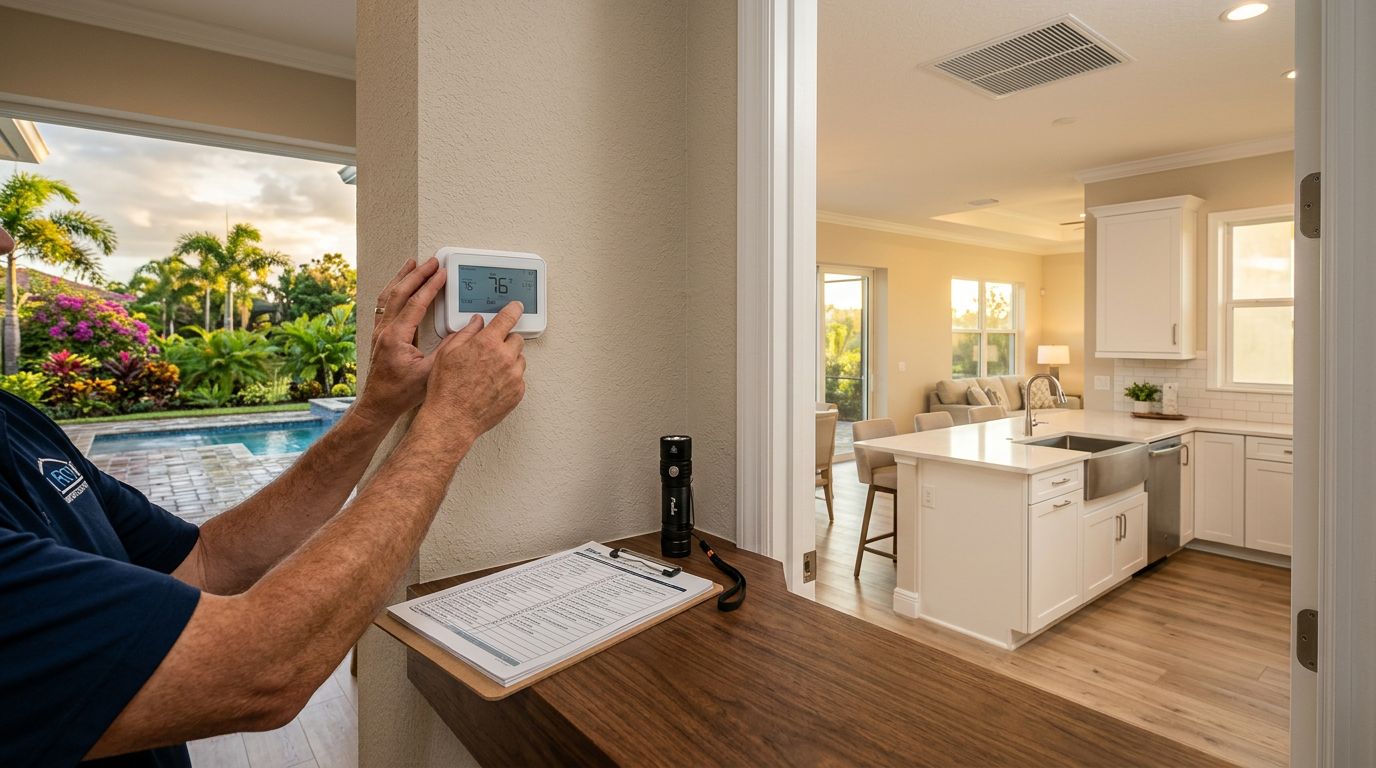
A qualified roofing professional should evaluate the covering, accessible attic conditions, leak locations, and available roof records. Limited tile removal may be necessary to assess hidden layers, with permission and appropriate protection.
Before accepting a recommendation, ask:
- What evidence supports localized repair, broader resetting, or full replacement?
- Which tiles can be reused, and are compatible replacements available?
- How will concealed deck damage and removal breakage affect the contract?
- Which permits, inspections, and installation requirements apply to this roof?
Ask for photographs and a written explanation of the findings. Also confirm the contractor's Florida roofing license and insurance.
After completion, retain permits, product information, inspection records, warranties, and photographs taken before the deck was covered. These documents can support future repairs and insurance discussions.
If a wind-mitigation inspection follows, its findings and any potential insurance credits depend on the documented features and your carrier's rules. A contractor shouldn't promise a particular premium reduction.
Choose the Scope the Inspection Supports
A Cape Coral tile roof lift-and-reset is practical when reusable tiles, manageable deck repairs, and a compliant installation make preservation worthwhile. Extensive damage or difficult salvage can shift the balance toward replacement.
The strongest starting point is an on-site inspection , followed by clear estimates for the reasonable options.
Choose the approach that addresses the roof's actual condition, including the layers you can't see from the street.