
The last stretch of a new home build can feel slower than the whole rest of the job. In Southwest Florida, that often happens because the house looks finished before the certificate of occupancy timeline is complete. One missed inspection, one utility release, or one rainy week can move the closing date.
If you're waiting on a new home in Lee County or nearby markets, the final steps matter as much as the big construction milestones. The good news is that most delays follow a pattern, so you can ask better questions and spot trouble early.
What a certificate of occupancy means when your new home is almost done
A certificate of occupancy, often called a CO, is the local approval that says a home can be occupied. It usually comes after final inspections, trade sign-offs, and any required paperwork are complete.
In Southwest Florida, the exact path changes by county, city, and project type. A home in Cape Coral may move on a different pace than one in unincorporated Lee County or Fort Myers. The builder's schedule matters too, because one small unfinished item can hold the whole file.
The CO is also the final checkpoint, not the only checkpoint. A home can pass the punch list and still wait on utility releases, floodplain items, pool paperwork, or corrected documents. That gap is where many buyers get frustrated.
A simple way to think about it is this, the house can be nearly done long before the local office agrees it is ready to live in. That is why the end of construction needs tight tracking, not guesswork.
A realistic 2026 CO timeline after final construction wraps
Most buyers want a date, but the last mile rarely fits into a neat box. In 2026, a smooth file may move fast after final approval, while a busy county can take weeks.
Here's a practical look at the closing stretch.
| Stage | What happens | Typical 2026 timing |
|---|---|---|
| Final punch list | Builder finishes small fixes and wraps remaining trade work | A few days, sometimes longer if materials or crews are delayed |
| Final inspections | Building, electrical, plumbing, HVAC, and other required finals are checked | Same day to several days, depending on inspector availability |
| Utility sign-offs | Power, water, sewer, septic, or other releases are confirmed | A few days to a week or more |
| Paperwork closeout | Fees, affidavits, surveys, and final documents are reviewed | A few days to several weeks |
| CO issuance | The local office releases occupancy approval | Often a few days after all final sign-offs, but longer in busy counties |
The shortest path is the one where every step passes the first time. The slow path starts when one inspection fails or a release is still missing.
A CO delay usually means one link in the chain is still open. That link can be a failed inspection, a missing utility release, or a document waiting in a queue.
Why Southwest Florida approvals slow down
County and city review queues
Building departments in Southwest Florida do not all move at the same speed. Lee County, Cape Coral, Fort Myers, and nearby jurisdictions may have different review lines, staffing levels, and file backlogs.
That matters more in busy seasons. If the office is handling a wave of new permits or rebuild work, even a clean file can sit longer than expected. Weather events and storm recovery can also add pressure.
If fees or revisions are still pending, the file can pause before it reaches final approval. For a closer look at that side of the process, understanding new home construction permit fees helps show why paperwork sometimes takes longer than the build itself.
Final inspections and utility sign-offs
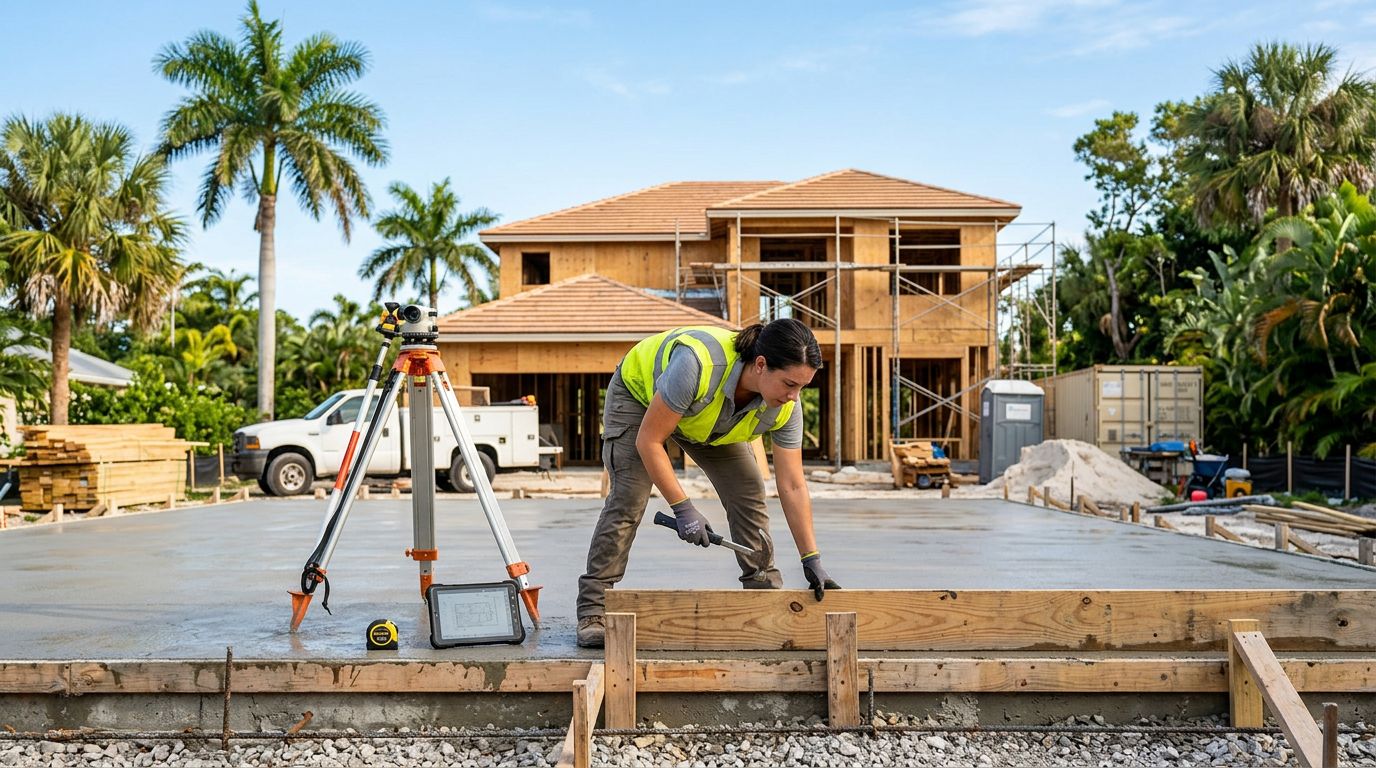
A home does not get a CO until the required finals pass. That can include building, electrical, plumbing, HVAC, and other trade inspections, depending on the job.
Utility sign-offs can slow things down too. Power, water, sewer, septic, or meter releases may need to be confirmed before the file closes. If one utility is waiting on a form or a scheduled visit, the closing date can slide.
This is where small misses matter. A failed final inspection usually means a correction, then a reinspection. That extra step can push the CO back a few days or longer.
Weather and hurricane-season interruptions
Southwest Florida weather can change the schedule fast. Heavy rain can stop grading, driveway work, landscaping, or exterior punch items. Storm threats can also delay inspectors and utility crews.
Late summer and fall are the hardest months to predict. Even if the interior is done, the outside work may still need a clean weather window. That is why buyers should treat the final date as a moving target until the last approvals are in hand.
Pools, cages, and backyard work can run on a separate track
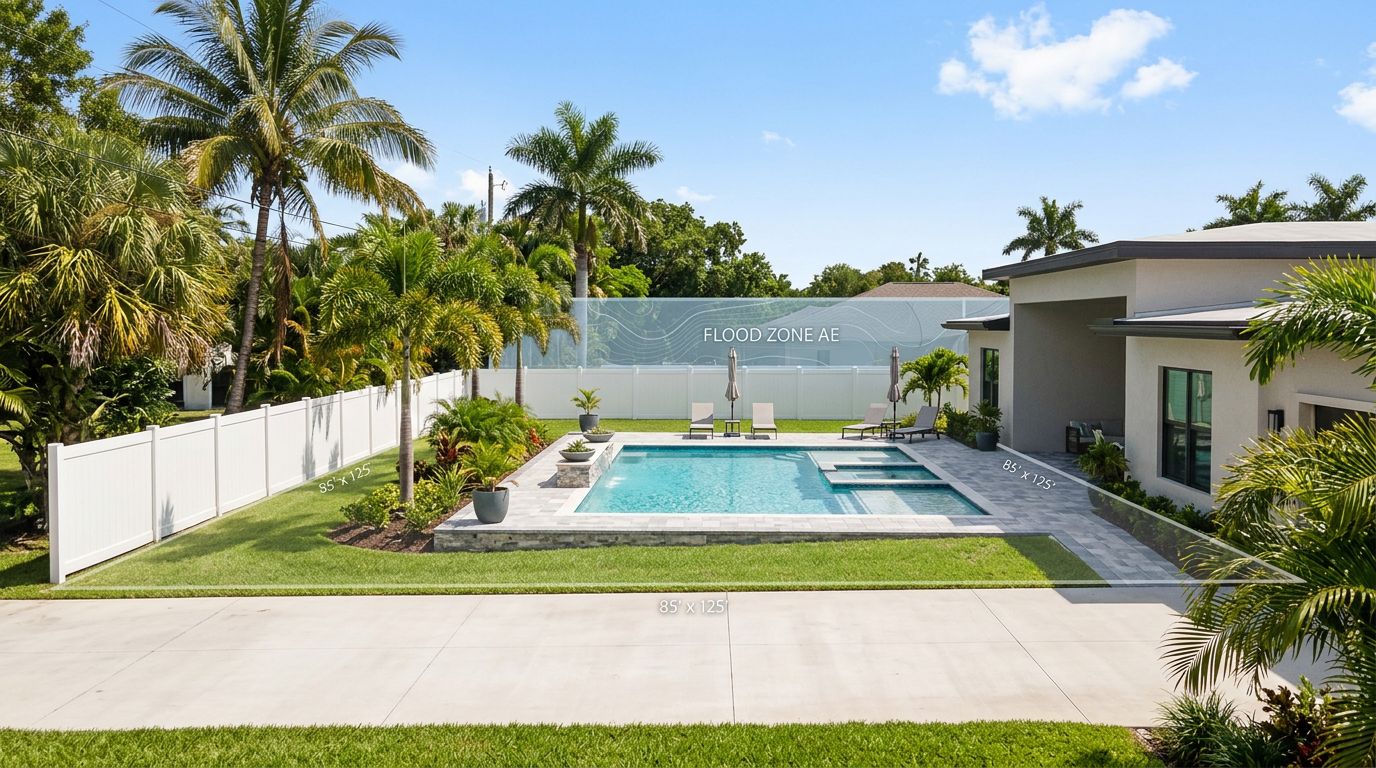
If your new home includes a pool, screen enclosure, or other backyard package, that work may follow its own permit path. The house and the backyard are not always on the same finish line.
That does not always block the home CO, but it can affect move-in plans and final closeout. If your build includes outdoor work, budgeting for a new home pool and backyard gives helpful context on why this part often takes extra time.
A backyard project can look close on the surface while still waiting on its own inspections. That is common in Southwest Florida, especially when screen cages, decking, or safety requirements are part of the plan.
Questions to ask before you set a closing date
If you are waiting on a move-in date, ask direct questions. Clear answers are better than hopeful guesses.
A cost-plus home builder with transparent pricing should be able to show you what is done, what is pending, and what could still affect the CO date. If you also want a better sense of how fees and soft costs fit into the larger build, custom home building costs in Southwest Florida gives useful budget context.
Ask these before you lock in movers or push your lender for a final date:
- Which inspections are still open, and which ones have already passed?
- Are any utility releases still pending?
- Is the county or city waiting on paperwork, corrections, or fee payment?
- If something fails, who schedules the reinspection and how soon?
- What is the best-case CO date, and what is the more realistic range?
- Are pools, cages, driveways, or other site items on a separate schedule?
Those questions help you see the real finish line. They also make it easier to tell the difference between a small delay and a bigger problem.
How to keep the last mile moving
Weekly updates matter more at the end of a build than they do in the middle. Ask for a current status on inspections, paperwork, and utility sign-offs, then write those answers down.
Keep your own move-in prep flexible. Don't schedule movers too early, and don't assume a passed walkthrough means the CO is already done. The last few approvals can still change the date.
It also helps to keep your lender, insurance contact, and closing coordinator in the loop. That way, once the CO is issued, the rest of the process can move without scrambling.
Most importantly, ask for specifics. "Waiting on county review" is not the same as "waiting on a final reinspection." One is a queue issue. The other is a fixable jobsite issue.
Conclusion
A Southwest Florida CO in 2026 can happen fast, but it can also stretch when inspections, utilities, paperwork, or weather get in the way. That is why the safest approach is to watch the final steps, not the drywall.
If your home is nearing completion, keep asking for the inspection list, pending releases, and any open fees. A clear timeline is easier to trust when everyone is looking at the same facts.
The last mile of a new build is short on paper, but it can still take patience. The closer you get, the more clarity matters.