
Choosing Interior Paint Sheen for a Fort Myers Custom Home
Explore Our Services
Contact Us Today!
(239) 322-9295
A paint color can look perfect on a sample card and feel entirely different across a sunlit wall. When you're choosing interior paint sheen for a Fort Myers custom home, the finish affects reflections, the look of drywall, and how you'll care for each room.
The practical starting point is simple: choose for the surface and the room , then check the performance of the exact paint you plan to use. A single sheen throughout the house rarely accounts for every window, wall, and cleaning routine.
What interior paint sheen changes in a room
Sheen describes how much light a painted surface reflects. Finish names usually run from flat or matte through eggshell and satin to semi-gloss and gloss. Those names describe an appearance, but they aren't a universal measure of durability.
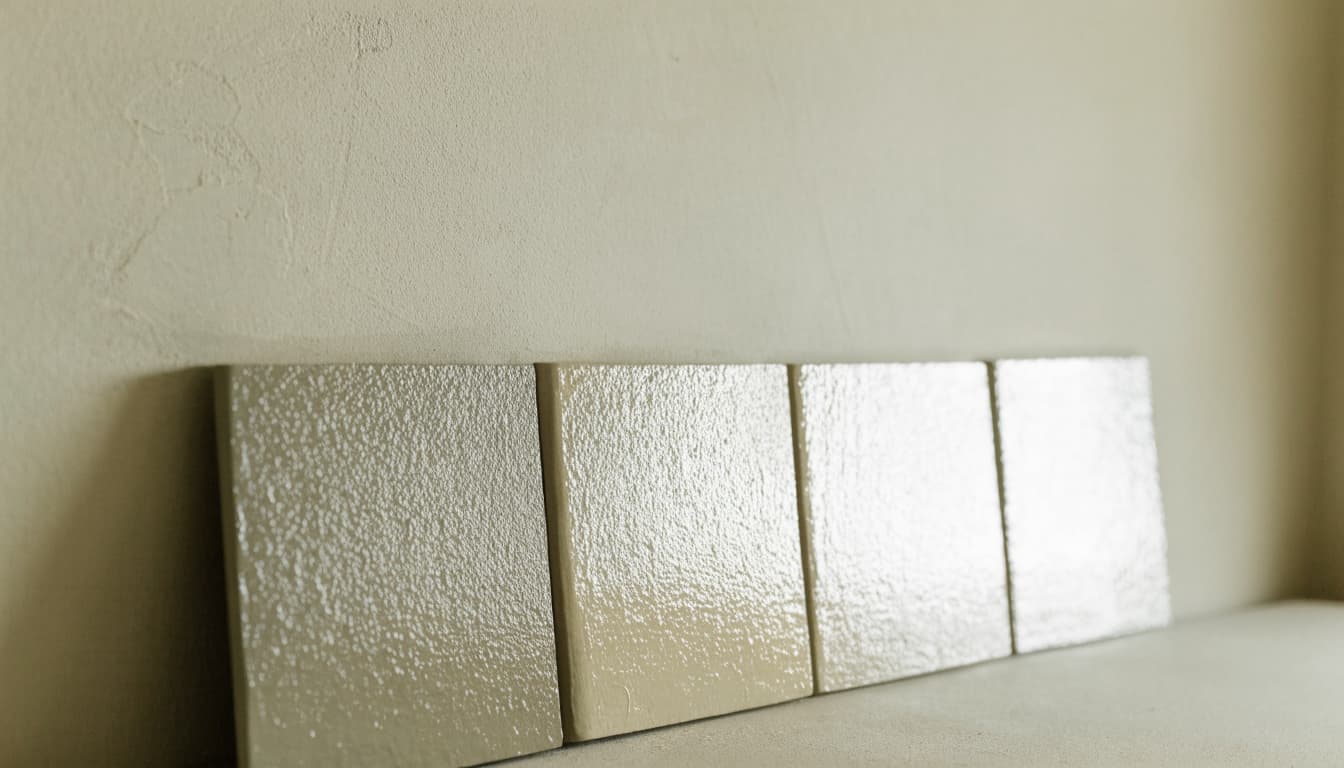
Reflections change how color reads
A wall with a noticeable sheen picks up bright windows, lamps, and movement in the room. As you walk past it, the color may appear lighter in one spot and darker in another. A subdued finish gives the eye fewer reflections to follow.
That difference matters in an open-plan home. A long wall may face a sliding glass door at one end and receive indirect light at the other. Test your finish across both conditions before approving it for the entire space.
Light can expose surface irregularities
Shallow ridges, drywall joints, and uneven patches become easier to spot when light travels across a wall. A reflective finish can draw attention to them, particularly on a long wall beside a window.
Sheen can't repair a poorly finished surface. Ask your builder or painter to assess wall preparation under the room's actual lighting. If a feature wall will receive strong side light, address visible defects before choosing its final finish.
Choose paint performance separately from sheen
It's tempting to use finish names as shortcuts: matte for appearance, satin for cleaning, semi-gloss for toughness. Paint formulas differ too much for those rules to settle a purchase. Two products with the same sheen name can have different care instructions and resistance to repeated wiping.
Check the exact product
Start with the manufacturer's product data and cleaning guidance. If children regularly touch a hallway wall or cooking leaves marks near a kitchen doorway, ask how that specific coating handles the cleaning you expect. Also check whether the manufacturer offers the color and sheen in the product line you've selected.
For a custom build, record the brand, product line, color, and sheen for each surface. That information makes future maintenance easier than a schedule that says only "eggshell walls."
Match cleaning methods to real use
A wipeable wall isn't an invitation to scrub every mark aggressively. Abrasive pads, harsh cleaners, and repeated rubbing can change the appearance of some finishes. Follow the product's instructions and test a mild cleaning method in an inconspicuous spot.
Durability also depends on preparation and application. Properly prepared drywall, suitable primer, and a complete coating system matter more than a finish name alone. Discuss those details before the painter starts, especially where different trades have patched the same wall.
Pick a starting finish room by room
A room's use gives you a sensible starting point, not an automatic answer. These choices help narrow samples; confirm care and performance against the paint manufacturer's guidance.
| Space | Finish to sample first | What to check |
|---|---|---|
| Living and dining areas | Matte or eggshell | Reflections across long, daylit walls |
| Bedrooms | Matte or eggshell | Window light and likely wall contact |
| Hallways and stairs | Eggshell or satin | Appearance after routine wiping |
| Kitchen walls | Eggshell or satin | Cleaning near cooking and dining areas |
| Bathrooms | Satin or another suitable wall finish | Product guidance for moisture-prone rooms |
| Interior doors and trim | Satin or semi-gloss | Contrast with adjacent walls and cleaning instructions |
| Ceilings | Flat or matte | Glare from windows and light fixtures |
Use the table to select samples, then judge them on the surfaces they'll cover. The same finish can look restrained in a bedroom and conspicuous on a long, brightly lit hallway wall.
Living areas, bedrooms, and hallways
In living spaces, look first at the walls facing the largest windows. If sunlight passes across a long wall, pay close attention to reflections and drywall texture. Bedrooms often allow more freedom because you can judge each room's light and use separately.
Hallways need a closer look at daily contact. Corners near doors, stair walls, and passages between the garage and kitchen may need frequent cleaning. Compare finished samples after following the manufacturer's cleaning directions, rather than assuming a sheen name predicts the result.
Kitchens, bathrooms, and laundry rooms
Kitchen walls near seating or preparation areas may collect fingerprints and splashes. Choose a product suited to that cleaning pattern, then select a finish that looks right beside cabinets, tile, and backsplash materials. For homeowners planning kitchen design and remodeling, samples are easier to judge once those nearby finishes are known.
In bathrooms, check the coating's intended use and the room's ventilation. Paint isn't a substitute for controlling moisture or repairing a leak. If you're coordinating tile, fixtures, and paint during bathroom remodeling in Fort Myers, review the wall finish as part of the complete room rather than choosing it from a chip alone.
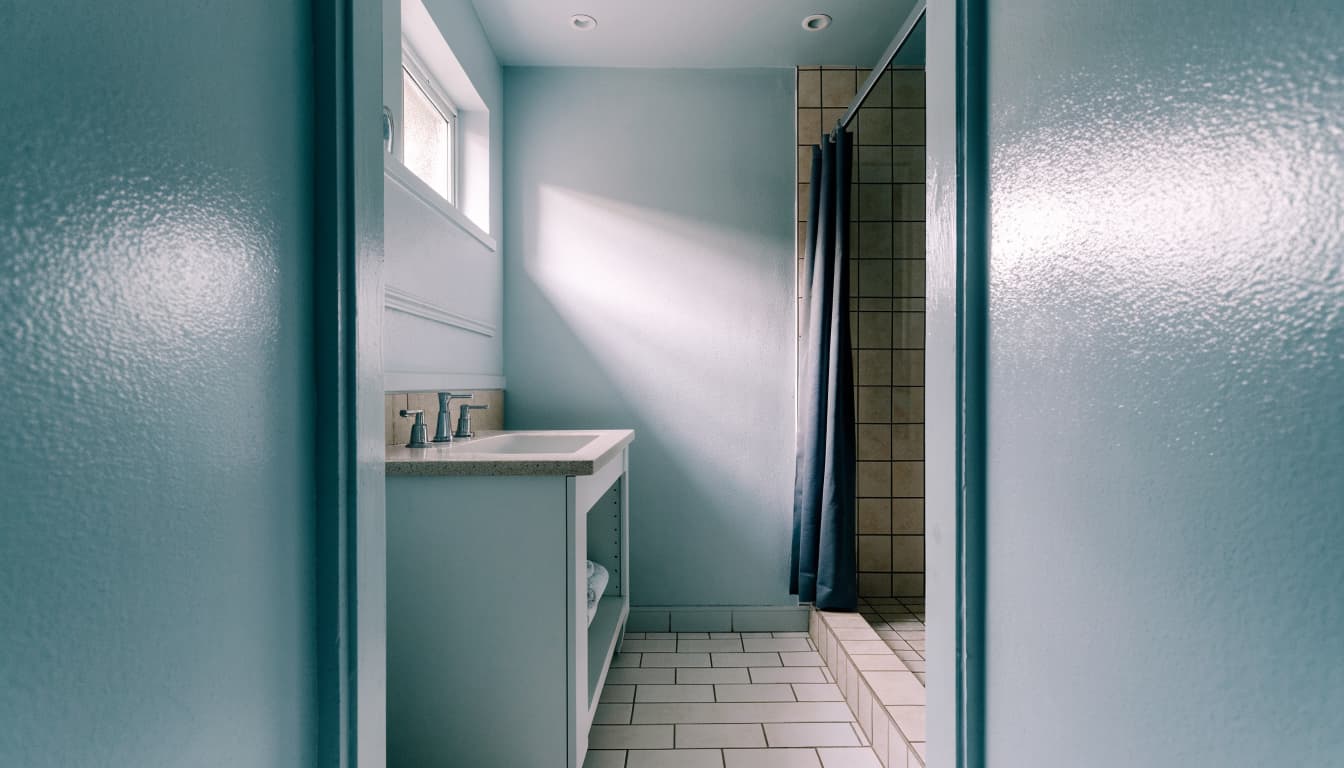
Account for Fort Myers humidity without asking paint to solve it
Fort Myers homeowners have good reason to think about humid air and long cooling seasons. Those conditions make moisture management important, but they don't make one sheen the correct choice for every interior wall.
Address the source of moisture
If a bathroom stays damp or a wall shows recurring staining, investigate ventilation, air movement, leaks, and the building assembly. A new coat of paint won't correct water entering around a window or humid air moving through an unsealed opening.
Cutting Edge Homes & Renovations' Fort Myers air-sealing guidance identifies gaps around wiring, duct chases, and attic openings as places builders should check before insulation hides them. That work belongs earlier in construction than the final paint decision. It helps keep the home's conditioned space separate from humid outdoor air.
Think about how the house will be used
A home that hosts frequent guests, has children or pets, or connects busy indoor rooms to a pool area may see more wall contact and cleaning. That use pattern is more helpful for finish selection than a broad claim about Florida weather.
Tell your painter where wet towels, bags, and hands are likely to meet walls. Then compare the selected products' care guidance for those locations. Keep high-contact areas on the finish schedule so a last-minute substitution doesn't change the intended appearance.
Set wall preparation and finish expectations early
Paint decisions become easier when everyone agrees on what the finished surface should look like. In custom home construction in Fort Myers, finish selections can be coordinated with room layouts, lighting, and other materials before painting begins.
Review walls under the planned lighting
Inspect large walls from several positions, including the doorway and nearby windows. Daylight can reveal joints or patches that overhead light misses. At night, wall-mounted fixtures and lamps may expose different areas.
If you notice an irregularity, discuss the drywall finish and repair plan before the final coat. Changing sheen after painting may alter the way the wall looks, but it won't remove a raised joint or uneven patch.
Specify more than a color name
A useful paint schedule identifies the surface, color, product, and sheen. Separate entries for walls, ceilings, doors, and trim prevent assumptions during purchasing and application. Confirm whether an accent wall, bathroom, or high-contact corridor needs its own entry.
Also ask for a sample of the proposed trim finish beside the wall finish. Contrast can sharpen architectural details, but reflections on broad doors may be more noticeable than they are on narrow baseboards. Judge the pairing in the room, not as two isolated chips.
Approve a sheen on a representative wall before it becomes the standard for every room.
Test finishes where you'll live with them
Small samples make a large decision less abstract. Choose a short list of products and finishes, then put them on representative surfaces or sufficiently large sample panels. Keep the color consistent when comparing sheens so color differences don't confuse the result.
Watch the light change
View samples in morning light, afternoon light, and after dark with the room's planned fixtures on. Stand where you'll normally sit or walk. A finish that looks subtle straight on may produce a distinct reflection from the dining table.
Include at least one wall that receives side light and one that doesn't. If your home has wide openings toward a lanai, check the connected interior space at the time of day you'll use it most.
Check the complete finish
Ask the painter how to evaluate a sample after the recommended application and drying process. A quick patch may not look like a properly prepared, fully coated wall. Follow product directions before judging color or appearance.
Once approved, keep a written record of the selection for every room. If you're undertaking whole-home remodeling in Fort Myers, that record also helps distinguish new finishes from existing paint that may need to remain.
Key takeaways
- Choose sheen by room, surface, and light , rather than applying one rule throughout the house.
- Check product-specific cleaning and care instructions before selecting paint for busy spaces.
- Repair visible wall defects and investigate moisture problems before relying on a finish change.
- Approve samples under the lighting you'll use every day, then record the complete paint specification.
Frequently asked questions
Is eggshell or satin better for interior walls?
Neither is automatically better. Sample both in the room and compare the specific products' cleaning instructions. Pay particular attention to window reflections, the wall's condition, and how often that area needs wiping.
Should a bathroom always have semi-gloss paint?
No finish name alone determines whether a coating suits a bathroom. Check the manufacturer's recommendations for the product, and address ventilation or water problems separately. Then choose the appearance you prefer from suitable options.
Can paint sheen hide bad drywall work?
Sheen changes the way light reflects from a surface, so it can change how defects appear. It can't flatten a ridge, fill a joint, or repair a patch. Have the surface corrected before final painting.
Do ceilings, walls, and trim need the same sheen?
They don't. Separate finishes let you control how each surface reflects light. View ceiling, wall, and trim samples together before approving the combination.
Choose the finish on the wall, not the label
The sample card that caught your eye is only a starting point. The finished wall is where light, workmanship, and daily use come together.
Select products for each room's needs, test their appearance in place, and put the approved choices in writing. That care turns a small finish decision into one you'll be comfortable living with.