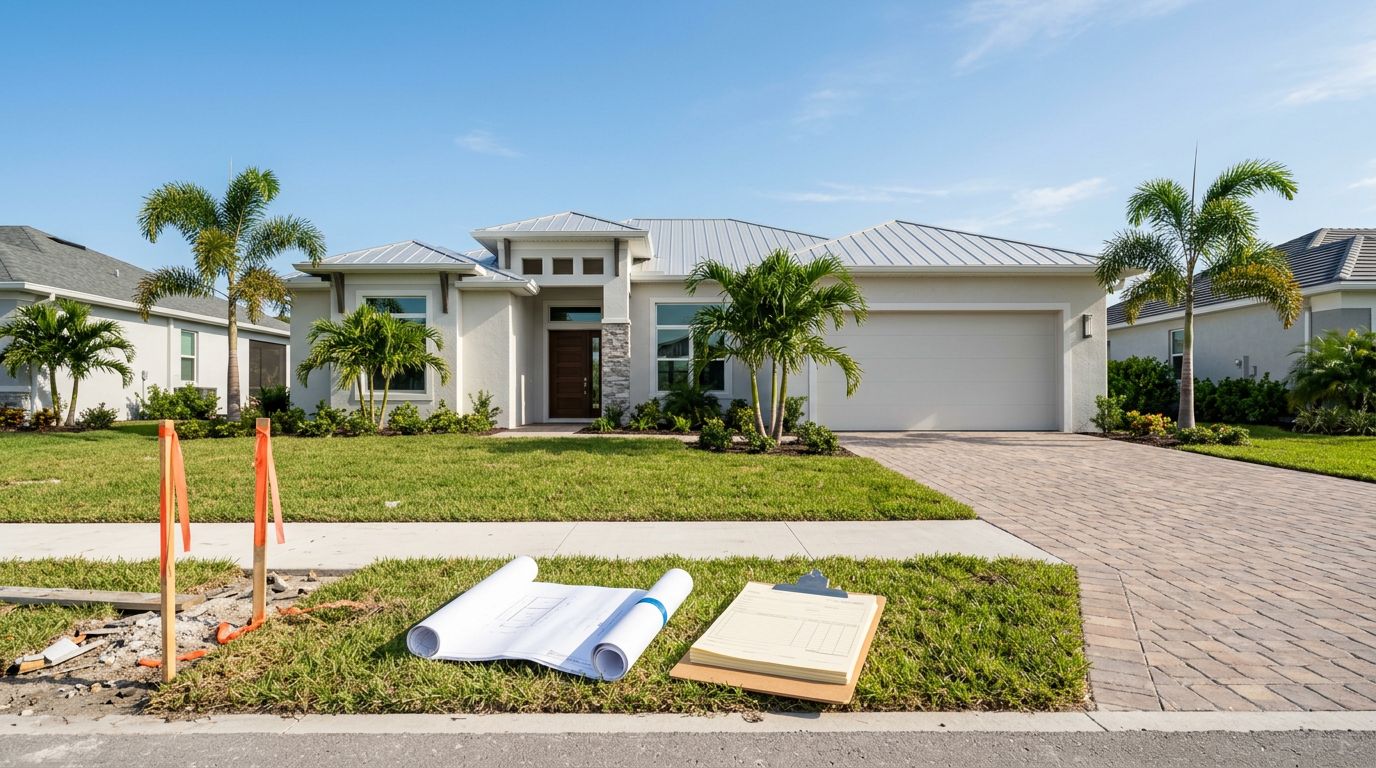



Fill dirt looks simple until the lot starts setting the price. In Southwest Florida, a few inches of elevation, soft ground, poor access, or a long truck haul can change the bill fast. In June 2026, delivered clean fill often runs about $20 to $45 per cubic yard , but the final number depends on the lot, the material, and the work behind the delivery.
That matters whether you're a homeowner, owner-builder, or developer. A low quote can leave out grading, compaction, trucking, or drainage work, and those missing pieces show up later. The numbers below give you a practical way to read bids before you commit.
What fill dirt costs in Southwest Florida right now
Here's a realistic 2026 snapshot for residential lots in the region.
| Material type | Typical 2026 price in Southwest Florida | Best use | Notes |
|---|---|---|---|
| Common fill dirt | $8 to $15 per cubic yard before delivery | Basic fill where compaction demands are light | Delivery can change the total a lot |
| Clean fill dirt | $20 to $45 per cubic yard delivered | Raising grade on home lots | Usually the most common choice for new construction |
| Structural fill | $30 to $60+ per cubic yard delivered | Pad build-up under slabs and support areas | Often includes tighter compaction and more labor |
| Topsoil | $35 to $70 per cubic yard delivered | Final landscape layer after construction | Not a substitute for building fill |
The delivered number matters more than the yard price. A nearby source may look cheap on paper, then trucking, spreading, and site time push it higher. If the lot is small or access is tight, the delivery charge can be a bigger share of the bill than the dirt itself.
Clean fill, structural fill, and topsoil are different jobs
Clean fill dirt is the default choice for many Southwest Florida lots. It should be free of trash, roots, and debris. It raises grade and helps shape the site, but it still needs the right handling.
Structural fill is a stronger category. Crews place it in lifts and compact it for support under pads, slabs, or other load-bearing areas. That extra work costs more because it takes time, testing, and careful moisture control.
Topsoil belongs at the end of the job, not under a house pad. It holds organic material, breaks down over time, and keeps too much moisture. Use it for lawn areas, planting beds, and final finish work only.
If someone wants to save money by putting topsoil where structural fill belongs, stop the plan. That shortcut can cause settlement, drainage trouble, and long-term repair costs.
Why the same yard of dirt can cost more on one lot
Lot conditions drive fill dirt costs as much as the material itself. Southwest Florida has a lot of low ground, high water tables, and drainage rules that affect how much fill you really need. Flood zone, finished-floor elevation, swales, and runoff paths all shape the final quantity.
A lot in Cape Coral or Fort Myers may need more than a simple raise if the survey shows the pad is low. Waterfront sites can add more complexity. So can corner lots, narrow access, or lots with soft soil that needs drying before equipment can work.
Haul distance matters too. A short run from a local supplier costs less than a truck making repeated long trips from farther inland. Truck size also matters, because tight streets or weak ground can limit what can reach the lot.
When drainage work enters the plan, the dirt bill often sits beside permit and sitework costs. That can tie into estimating Southwest Florida new construction permit fees, since swales, right-of-way work, and grading can affect the total just as much as the fill itself.
A cheap fill quote can turn expensive fast if the truck can't reach the pad.
Rainy season changes the picture again. Wet ground slows trucking, hurts compaction, and can leave ruts that need repair. Hurricane season adds schedule risk too, and that can affect both timing and price.
How to estimate your fill dirt budget
Start with the lot size and the average fill depth. Use this simple formula:
- Measure the area in square feet.
- Multiply by the average fill depth in feet.
- Divide by 27 to get cubic yards.
- Add 10% to 15% for compaction and waste.
A 10,000-square-foot lot raised by 6 inches needs about 185 cubic yards before extra allowance. At $30 per cubic yard, that's about $5,550 for material alone. Once you add trucking, spreading, and compaction, the real cost climbs.
That's why fill dirt should sit inside the full sitework budget, not as a standalone guess. It's one piece of the larger build picture, alongside grading, drainage, and utility work. For a broader view, compare it with this custom home construction budget breakdown for Southwest Florida.
A cost-plus home builder with transparent pricing should show these pieces separately. You should see the dirt quantity, delivery, spreading, compaction, and any testing or equipment time as separate lines. That makes it easier to see where the money goes.
Common add-ons that show up on the final bill
Fill dirt quotes often leave out the parts that make the lot usable. Watch for these items:
- Delivery and haul distance : Short hauls cost less. Long runs or multiple trips add up quickly.
- Spreading and grading : Dumping dirt is not the same as placing it where it belongs.
- Compaction passes : Structural work needs more than one pass, and sometimes testing too.
- Dewatering or drying time : Wet lots need extra time before equipment can work well.
- Mobilization : Small jobs can carry a higher setup charge per yard.
Low bids often miss one or more of those items. If a quote says only "fill dirt" and nothing else, it is incomplete. Ask whether the price includes delivery, placement, finish grading, and compaction. If the answer stays vague, the real price will probably grow later.
When a site visit is necessary
Some lots can be priced from a survey and a few photos. Many cannot. A site visit becomes necessary when the lot has any of these issues:
- Standing water after rain
- A low elevation relative to the road
- Canal frontage or a tight drainage path
- Narrow access for trucks or equipment
- An old survey or missing elevation data
- Structural fill under a slab or pad
- More than a modest amount of imported fill
If the site needs exact grading, a site visit is worth it every time. The slope of the lot, the soil condition, and the route trucks take all change the quote. A supplier can guess at a yard count, but the field visit shows what the lot really needs.
That matters even more on smaller residential sites, where a few inches can make the difference between a clean delivery and a messy rework. It also matters in wet months, when a dry-day estimate can fall apart once the ground softens.
Conclusion
Fill dirt costs in Southwest Florida in 2026 start with the yard price, but the yard price is only the first layer. Delivered clean fill often lands around $20 to $45 per cubic yard , yet the final bill depends on access, drainage, haul distance, and how much compaction the lot needs.
The clearest bids break the work into pieces. Material type, delivery, grading, compaction, and site conditions should all be visible before the first truck arrives. That's the kind of detail that keeps a lot budget honest and a new build on track.