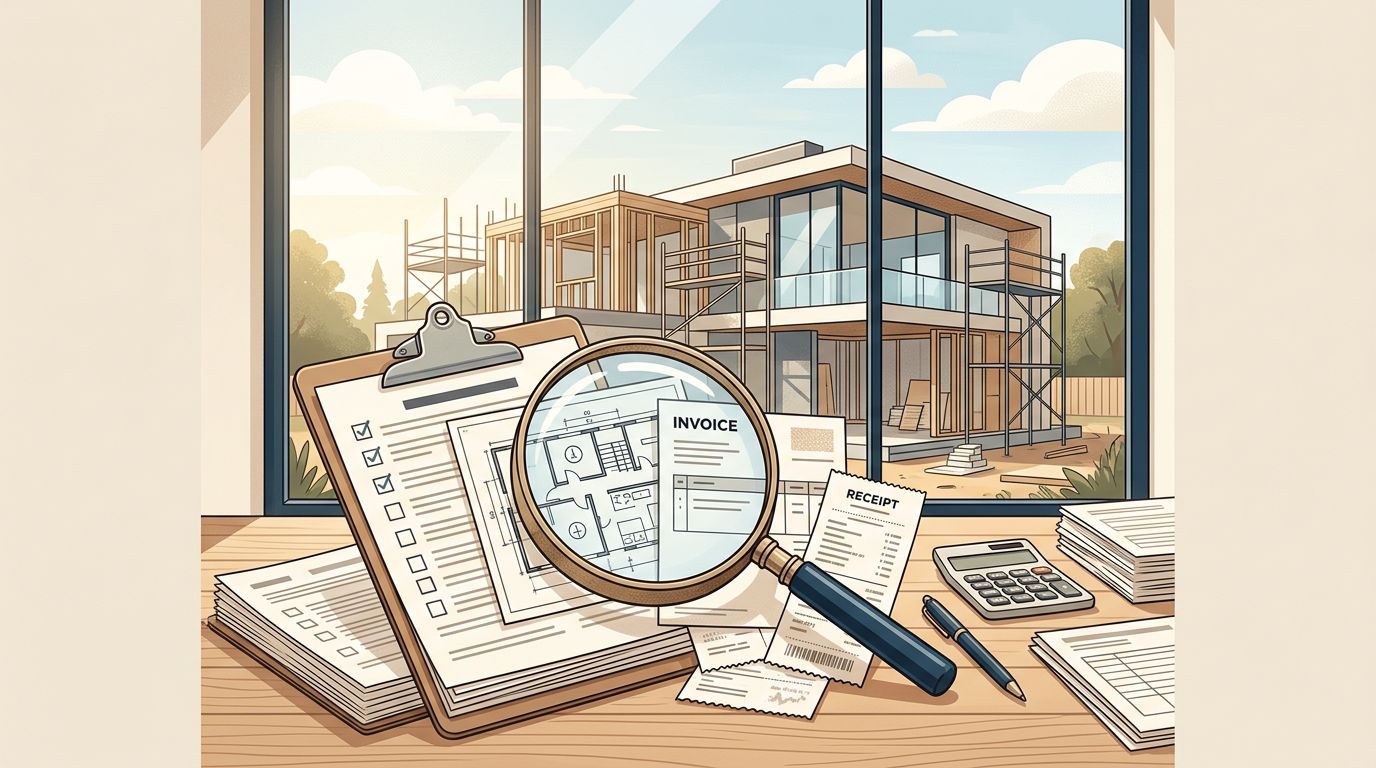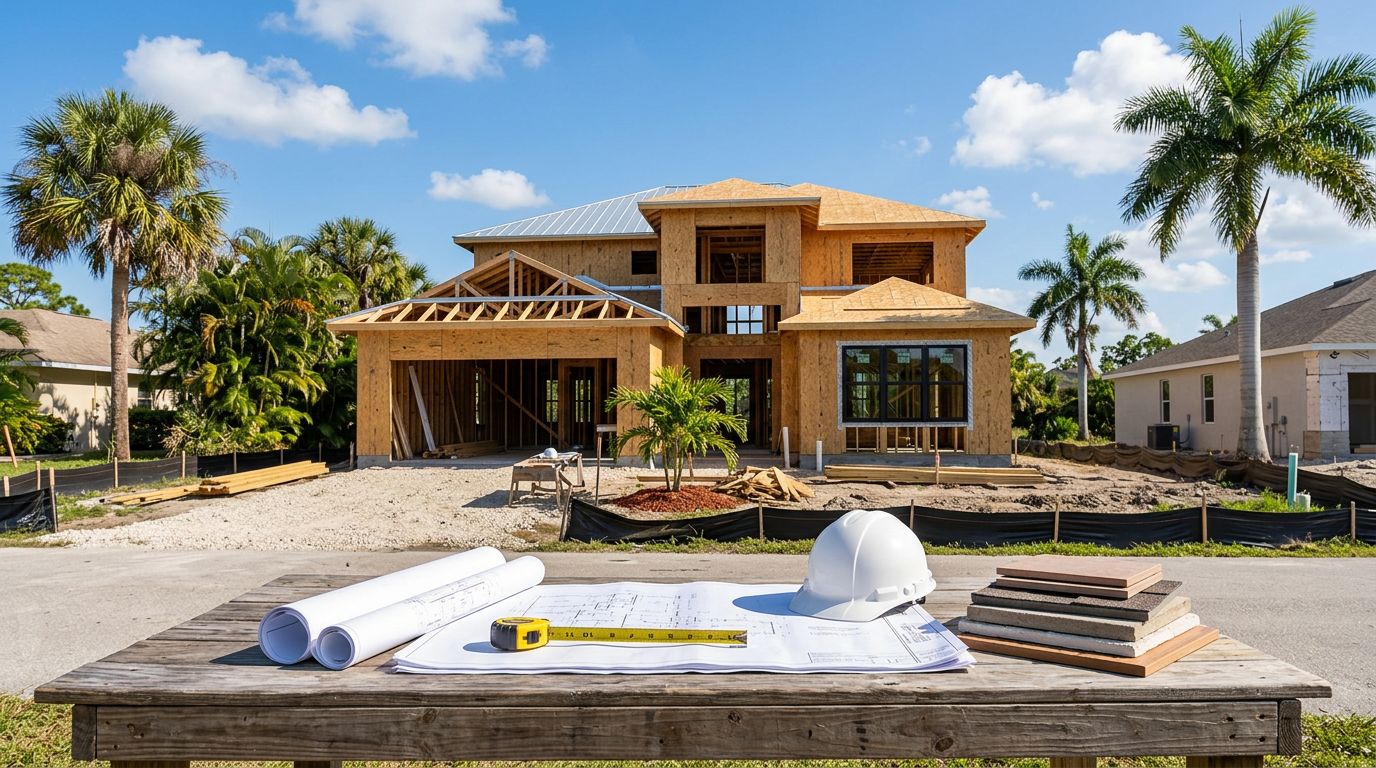



A lot that looks ready for a house can hide a second budget of its own. In Southwest Florida, civil engineering costs often decide whether a new home stays on track or gets squeezed by site work, drainage, and utility surprises.
That matters even more in 2026. Lot conditions, flood zones, county rules, and utility access can move the price fast. If you're planning a new home in Cape Coral, Fort Myers, or nearby areas, the biggest mistake is treating the site like a flat, fixed-cost item.
What civil engineering covers on a new home lot
Civil engineering on a residential project is the work that gets the lot ready for the house. It usually starts before framing, before drywall, and sometimes before the final house plan is locked in.
On a Southwest Florida homesite, that scope can include survey coordination, grading, fill, drainage planning, stormwater handling, compaction, driveway or access prep, utility trenching, and foundation support. If the site needs septic or a well, those items can sit in the same early-stage budget.
It also includes the paperwork that makes the site buildable. That can mean engineering drawings, permit submittals, and changes requested by the county or city. Those items do not look dramatic, but they can shape the whole project.
A simple lot can still become an expensive site if water has nowhere to go.
That is why civil work is part of the larger soft-cost picture, not just dirt work. If you want a fuller view of those non-house expenses, see understanding soft costs in new home construction.
The 2026 budget ranges most buyers see
For 2026 planning, a simple rule of thumb for Southwest Florida is $15,000 to $50,000+ for civil engineering and related site work on a new home. Some lots land below that range, but difficult parcels can move past it quickly.
Here is a practical way to think about it:
| Lot type | Common 2026 site budget | What usually drives it |
|---|---|---|
| Simple inland lot | $15,000 to $25,000 | Basic grading, standard drainage, routine utility tie-ins |
| Moderate lot with drainage needs | $25,000 to $40,000 | More fill, better water control, deeper prep, permit steps |
| Low-lying, coastal, septic, well, or utility-limited lot | $40,000 to $50,000+ | Extra elevation, dewatering, longer utility runs, more engineering |
| Complex lot with multiple constraints | $50,000+ | Soil issues, flood response, drainage structures, permit revisions |
That table is a planning frame, not a fixed price sheet. The lot often decides the number more than the house plan does.
A few common line items help explain where the money goes. Site prep and excavation may run about $1,500 to $10,000 . A typical slab foundation may fall around $8,000 to $15,000 , but extra elevation work can push higher. Drainage and stormwater work often adds several thousand dollars more. Septic or well work, if needed, can run about $6,000 to $17,000+ each in real projects.
The short version is simple. A clean lot can keep site work in the low five figures. A difficult lot can climb into the mid five figures fast.
Why Southwest Florida costs change so much by county and lot
Southwest Florida civil engineering costs are rarely the same from one parcel to the next. County lines matter, but the lot itself matters even more.
Flood zone and water table
Low-lying areas can create a long chain of extra work. You may need more fill, better drainage, and a stronger plan for keeping water away from the slab.
The water table also changes how the site behaves during rain. If the ground stays wet, the crew may need more time, more equipment, and more material to get the lot ready. That adds cost before the house even starts.
This is why a lot near the water can feel affordable at first and expensive later. The land price does not show the whole picture.
Utility access and service runs
Public sewer and water can save money when they are close and easy to connect. When they are not, the site budget grows.
Long utility runs, utility extensions, or private systems can all add expense. In some areas, that means more trenching and more coordination. In others, it means a different design path altogether.
The farther the home sits from existing service, the more likely the civil budget will stretch.
Permitting and local review
Permitting rules change by jurisdiction. Some sites move through review without much friction. Others need revisions, extra drawings, or a second look from local staff.
That difference shows up in time and money. More review time means more professional hours. More revisions mean more soft cost. Even when the construction itself stays the same, the paperwork side can shift the budget.
How your home design changes the civil bill
The lot drives the biggest swings, but the house plan still matters. A compact home on a straightforward footprint often keeps site work easier to manage. A larger, wider plan can demand more grading and more foundation prep.
If you're weighing layout options, the site budget should be part of the decision. A design with a smaller footprint can help on a tight lot. For a closer look at how layout affects the budget, one-story vs two-story home building costs is a useful comparison.
Construction method also changes the total. In Southwest Florida, concrete block homes and wood-frame homes can carry different structural costs, which also affect how much room you have left for site work. A heavier structure can raise foundation demands, while a simpler frame can keep some parts of the early budget in check. See concrete block versus wood-frame construction costs for a side-by-side look.
The point is not that one plan is always cheaper. The point is that house design and site engineering are tied together . If you change one, the other often changes too.
A smart budget plan for 2026 buyers
A good budget starts with the lot, not the dream finish list. That keeps the early numbers honest.
For most buyers, this is the safest way to frame civil work:
- Simple lot : plan for the low end of the range, but keep a buffer.
- Drainage-heavy lot : budget more than you think you need for fill and water control.
- Utility-limited lot : expect extra line items, not one flat price.
- Flood-prone or coastal lot : build in room for elevation and permit changes.
You do not need perfect numbers on day one. You do need a realistic range before you sign off on the home design.
A solid budget also leaves room for unknowns that show up after test pits, grading, or permit review. The lot can hide soft spots, buried debris, poor drainage patterns, or unexpected elevation needs. Those issues are common enough that they should sit in the plan from the start.
The safest habit is to ask for an itemized site budget early. That makes it easier to compare bids and spot gaps. A line item you can see is easier to manage than a vague allowance.
What to ask before you commit to a build
The right questions can save you from a painful surprise later. Before you move ahead, ask how the site budget is broken out and what is included.
Start with these points:
- Is grading, fill, and compaction included?
- Does the price assume sewer and water are already available?
- What happens if the lot needs extra drainage work?
- Are septic, well, or utility extensions covered?
- What permit-related engineering is included, and what is not?
Those answers matter because site work is rarely one neat package. A builder or engineer who gives transparent pricing should separate the known items from the allowances. That makes it easier to see where your money is going.
A cost-plus home builder can be a strong fit for this kind of project because the numbers stay visible as the job moves forward. That does not make every project cheaper, but it does make the budget easier to follow. For a broader look at how a full custom-home budget gets built, see custom home construction costs in Southwest Florida.
Conclusion
Southwest Florida civil engineering costs in 2026 are shaped by the lot first and the house second. A simple homesite may stay in the low five figures, while a difficult coastal or utility-limited lot can climb much higher.
The clearest lesson is this: the cheapest lot on paper is not always the cheapest lot to build on. When the site has drainage issues, flood exposure, or utility gaps, the real budget starts to appear.
If you want fewer surprises, start with the dirt, not the finishes. A good early site budget gives you a cleaner path to the home you want, and a lot less stress along the way.