
Fort Myers Pool Bonding Rules for Gunite Pools
Explore Our Services
Contact Us Today!
(239) 322-9295
A gunite pool can look ready for concrete while a hidden electrical safety system is still incomplete. Fort Myers pool bonding connects conductive parts around the pool so they remain at nearly the same electrical potential.
Grounding handles a different job. It gives fault current a safe path back through the electrical system, while bonding helps reduce voltage differences between metal parts a swimmer could touch. Because both systems are concealed during construction, the design and inspections must happen before the work disappears behind concrete, deck materials, or finished equipment.
What Fort Myers pool bonding requires around a gunite shell
Florida pool electrical work follows the Florida Building Code and its adopted National Electrical Code requirements, including NEC Article 680. The applicable code edition, local amendments, and permitting procedures can change, so a Fort Myers pool project needs a current review by qualified professionals.
Gunite construction deserves early attention because the pool shell typically includes a steel reinforcing grid. That steel, along with other conductive components, becomes part of the equipotential bonding system. The goal is to connect the parts that swimmers, occupants, or service workers could contact, reducing dangerous differences in voltage.
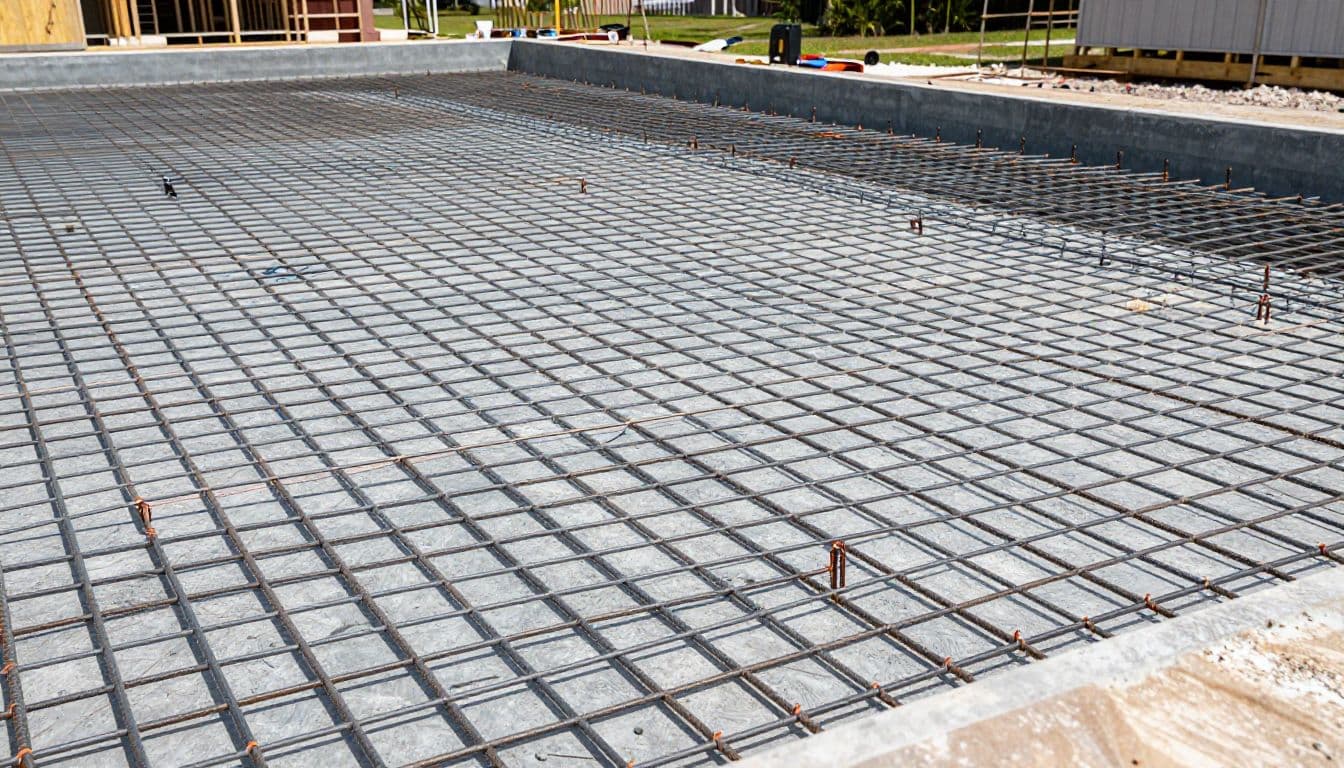
The shell and reinforcing steel
NEC 680.26 generally calls for pool bonding with solid copper no smaller than 8 AWG . The conductor may be bare or insulated when the selected material and installation meet the applicable requirements. Aluminum isn't an acceptable substitute for this pool bonding application.
The bonding design usually connects the gunite pool's reinforcing steel to the rest of the bonding network. A licensed professional determines how the steel, conductors, connection points, and approved fittings work together for that specific pool shape.
A continuous bonding path matters. A loose connection, incompatible clamp, or conductor that stops at one piece of equipment can leave part of the pool outside the intended equipotential system. Bonding terminals and connectors also need listings suitable for wet, damp, or corrosive locations. Copper, copper alloy, or stainless-steel hardware may be required for these conditions.
The bonding system can include:
- The pool shell's reinforcing steel and other required conductive structural parts.
- Metal ladders, handrails, grab rails, light niches, and metal fittings.
- Conductive parts of pumps, heaters, filters, and treatment equipment when applicable.
- Fixed metal parts within 5 feet horizontally of the pool's inside wall.
- Metal fencing, screen enclosure components, deck reinforcement, and similar nearby parts when they fall within the applicable bonding scope.
The exact design depends on the pool, deck, equipment, and surrounding structures. A plastic filter housing, for example, doesn't receive the same treatment as a metal component. The electrical professional must identify which parts require bonding rather than applying a one-size-fits-all assumption.
The deck and perimeter area
Pool bonding also reaches beyond the gunite shell. The perimeter bonding area commonly extends 3 feet horizontally from the inside edge of the pool. Concrete decks, reinforcing steel, pavers with conductive support elements, and other surfaces require review under the adopted code.
Plans may show a perimeter bonding arrangement connected to the pool shell reinforcement at multiple points. Florida-focused code guidance commonly references at least four evenly distributed connection points for the pool reinforcing steel. However, the approved design and applicable code edition control the final arrangement.
A deck contractor shouldn't pour concrete before the electrical and pool professionals confirm that required bonding work is complete and ready for inspection. Once the steel and copper are covered, correcting a missed connection can mean demolition and expensive repairs.
Grounding protects pool equipment
Bonding and grounding work together, but they aren't interchangeable. Bonding connects conductive parts to equalize their electrical potential. Grounding connects electrical equipment to the circuit's safety path , helping protective devices operate during a fault.
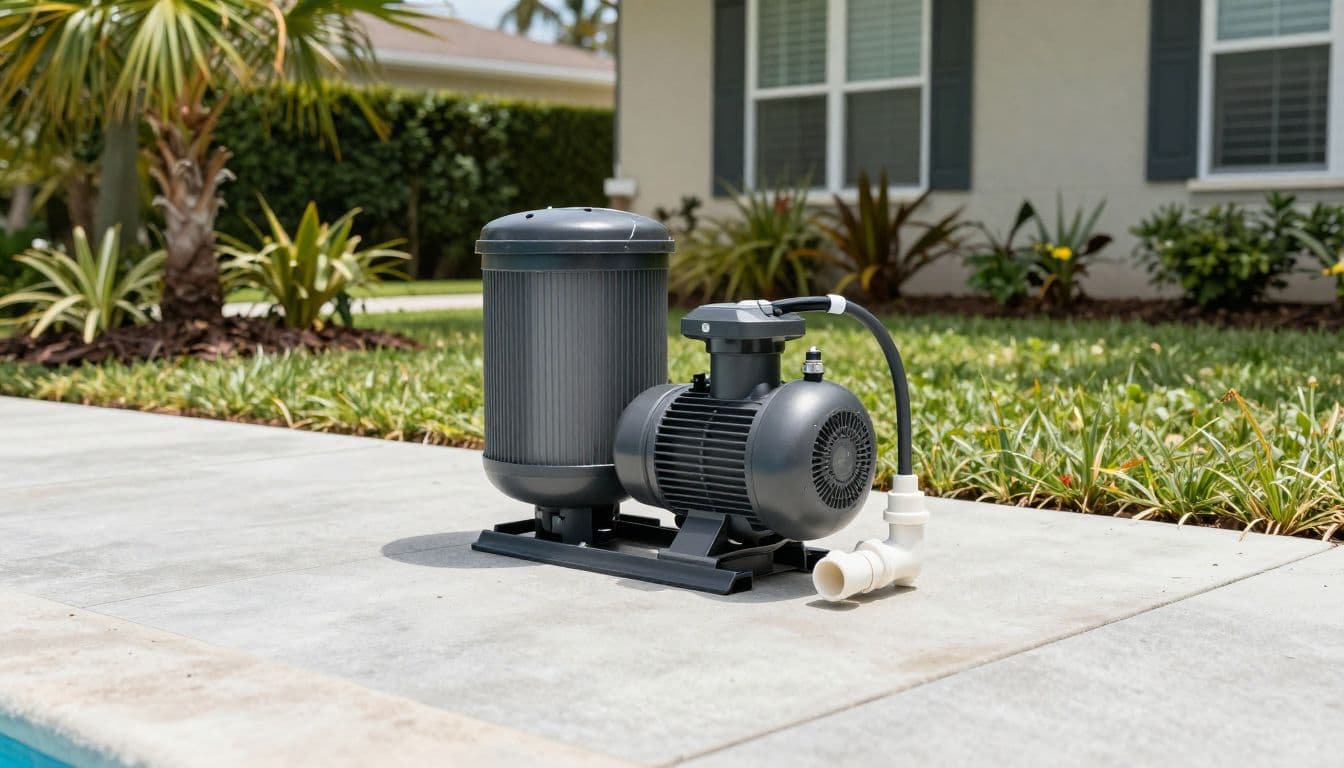
Pool pumps, heaters, lighting equipment, automation systems, salt systems, and other powered components need equipment grounding through an equipment grounding conductor, often called an EGC. The EGC runs with the circuit conductors and connects equipment back to the electrical system as required by the circuit design.
For many permanently installed pool motor circuits, NEC guidance calls for an insulated copper EGC. Article 680 and related sizing rules can also establish minimum conductor sizes, including a commonly cited 12 AWG minimum for certain pool motor applications. The correct size still depends on the equipment, circuit, wiring method, overcurrent protection, and code requirements in effect for the project.
A bonding conductor doesn't replace the equipment grounding conductor. A pool can have visible copper bonding wire and still have improperly grounded equipment.
Equipment located within 5 feet of the pool's inside wall receives special attention. Pool-associated equipment can also require grounding because it serves the circulation, filtration, heating, lighting, or treatment system, even when the equipment pad sits farther away.
The installation also needs an appropriate disconnecting method and approved wiring methods for locations exposed to moisture, chemicals, sunlight, and corrosion. Pool equipment areas in Southwest Florida often face all four conditions. A wiring method that works in a dry interior space may not meet the requirements beside a pool.
Where GFCI protection enters
Ground-fault circuit-interrupter protection is another part of pool electrical safety. Common requirements include GFCI protection for 15- and 20-ampere, 125-volt receptacles within 20 feet of the pool's inside walls. Single-phase pool pump motor circuits rated from 120 through 240 volts also commonly require GFCI protection, whether the motor uses a receptacle or a direct connection.
These rules don't apply identically to every device or property. The electrical professional must review the equipment labels, circuit voltage, receptacle location, lighting system, and adopted code edition. A homeowner shouldn't assume that adding a GFCI receptacle solves every pool electrical issue.
How bonding fits the Fort Myers pool permit process
Electrical bonding should appear in the pool construction plan before excavation begins. The pool layout, gunite reinforcement, deck, screen enclosure, equipment pad, water features, outdoor structures, and electrical circuits can affect one another.
A good project plan answers practical questions early:
- Which authority handles the permit, the City of Fort Myers or Lee County?
- Where will the pool equipment and electrical disconnects sit?
- Which metal parts fall within the 5-foot bonding area?
- How will the deck and perimeter surface affect the bonding design?
- When will the electrical and pool inspections occur?
- Which contractor is responsible for each connection and inspection?
Local authorities may request different drawings, contractor information, surveys, or inspection steps. Lee County has its own residential and commercial pool permitting process, while a property inside Fort Myers city limits may follow city procedures. Confirm the jurisdiction before submitting plans.
The pool's placement also affects electrical planning. Easements, property lines, screen enclosure supports, equipment pads, and deck limits can change the distance between metal parts and the water. Review the Fort Myers pool permitting guidelines before finalizing the pool layout.
During construction, bonding work is usually reviewed at stages when it remains visible. The reinforcing steel, bonding conductor, connection hardware, and perimeter components may need inspection before gunite or deck concrete covers them. Later inspections can address equipment grounding, GFCI protection, wiring methods, lights, disconnects, and final connections.
Keep the bonding scope in the written contract. It should identify who designs and installs the work, which inspections are included, and how changes affect the price. When you compare the full project budget, this Southwest Florida pool construction cost guide can help you account for the electrical, deck, enclosure, and equipment portions together.
Warning signs in pool proposals and remodels
New construction gives the electrical team a clean opportunity to coordinate the entire system. Remodels require more investigation because older pools may have damaged connections, outdated equipment, corroded hardware, or undocumented changes.
A new pump, heater, salt chlorine generator, automation panel, light, deck, or screen enclosure can affect the existing bonding and grounding system. Replacing one component doesn't prove that the rest of the system complies with current requirements.
Ask the contractor or electrician to explain:
- Which pool and surrounding metal parts require bonding.
- Whether the gunite reinforcing steel and perimeter area appear in the plan.
- How the equipment grounding conductors will serve each powered device.
- Which circuits require GFCI protection.
- Who will obtain permits and coordinate inspections.
- Which license covers the electrical work and who will perform it.
Be cautious if someone says a ground rod alone makes the pool safe. A grounding electrode and an equipment grounding conductor have different functions, and neither automatically replaces the equipotential bonding network required around the pool.
Also question proposals that use vague allowances for electrical safety work. The scope should identify bonding, grounding, GFCI protection, wiring methods, equipment connections, and inspection responsibilities. A low bid that excludes concealed electrical work can become expensive once concrete has been placed.
Homeowners shouldn't open panels, test pool bonding with improvised tools, attach wires, or alter equipment connections. Pool water, wet surfaces, metal handrails, and energized equipment create a serious shock hazard. Have a qualified, properly licensed professional design, install, test, and inspect the system.
Conclusion: Plan Fort Myers pool bonding before gunite
Fort Myers pool bonding is part of the pool's safety system, not an optional wire added beside the equipment pad. The gunite shell reinforcement, nearby metal parts, pool equipment, deck perimeter, and electrical circuits may all need coordinated treatment.
Bonding and grounding perform different jobs, and GFCI protection adds another layer of protection. Because code editions and local procedures can change, Fort Myers homeowners should have the plans reviewed by qualified, properly licensed professionals before construction begins.
The best time to find a missing connection is before concrete covers it. A clear electrical scope, correct permit path, and documented inspection plan protect the pool, the property, and everyone who uses it.