Fort Myers Lot Contract Checks Before You Build
Explore Our Services
Contact Us Today!
(239) 322-9295
A vacant lot can hide more risk than a finished house. A Fort Myers lot contract may identify a parcel and price, yet leave major questions about flood exposure, utilities, zoning, title, and site costs unanswered.
Before you sign, confirm that the property can support the home you want at a cost you can manage. A clear Fort Myers lot contract should give you enough time and access to complete those checks before your inspection or due-diligence period expires.
How to review a Fort Myers lot contract
The purchase price is only one part of the decision. Review the contract with your builder, surveyor, title company, and other qualified professionals before the deadlines begin to run.
1. Match the legal description to the actual lot
Start with the parcel itself, not the listing description. The contract should include the correct legal description, parcel identification number, lot and block details, and street address. Compare those details with the Lee County property record and the seller's deed.
A title company can provide a title commitment showing the current owner, recorded easements, liens, restrictions, and other matters affecting the property. Ask whether the seller has authority to sell. Trusts, estates, corporations, and multiple owners may require additional signatures or documents.
Request these records before your due-diligence deadline:
- The current deed and tax parcel information
- A recent boundary survey, if one exists
- The title commitment and copies of listed exceptions
- Recorded easements, restrictions, and access agreements
- Information about unpaid taxes, assessments, or code liens
A street address that differs from the legal description is a warning sign. So is a contract that says the legal description will be added later.
Negotiate a clear title objection process. The agreement should state how much time you have to review title, what the seller must cure, and when you can cancel and recover your deposit if a serious defect remains.
2. Confirm zoning, permitted use, and deed restrictions
A Fort Myers mailing address doesn't always identify the government that controls the lot. The property may fall within the City of Fort Myers, unincorporated Lee County, or another nearby jurisdiction. That distinction affects zoning, permits, setbacks, and development rules.
Ask the planning or zoning department to confirm the property's current zoning and permitted uses. Your builder or designer should also review setbacks, lot coverage, height limits, driveway rules, parking requirements, and stormwater requirements.
Your intended home may include features that need separate review. Discuss the proposed footprint, pool, detached structure, guest suite, fence, outdoor kitchen, and other planned improvements before you commit.
If the lot belongs to a homeowners association, request the declaration, bylaws, amendments, architectural guidelines, budget, current dues, and pending assessments. Some communities control home size, exterior materials, roof design, landscaping, pools, rentals, and construction schedules.
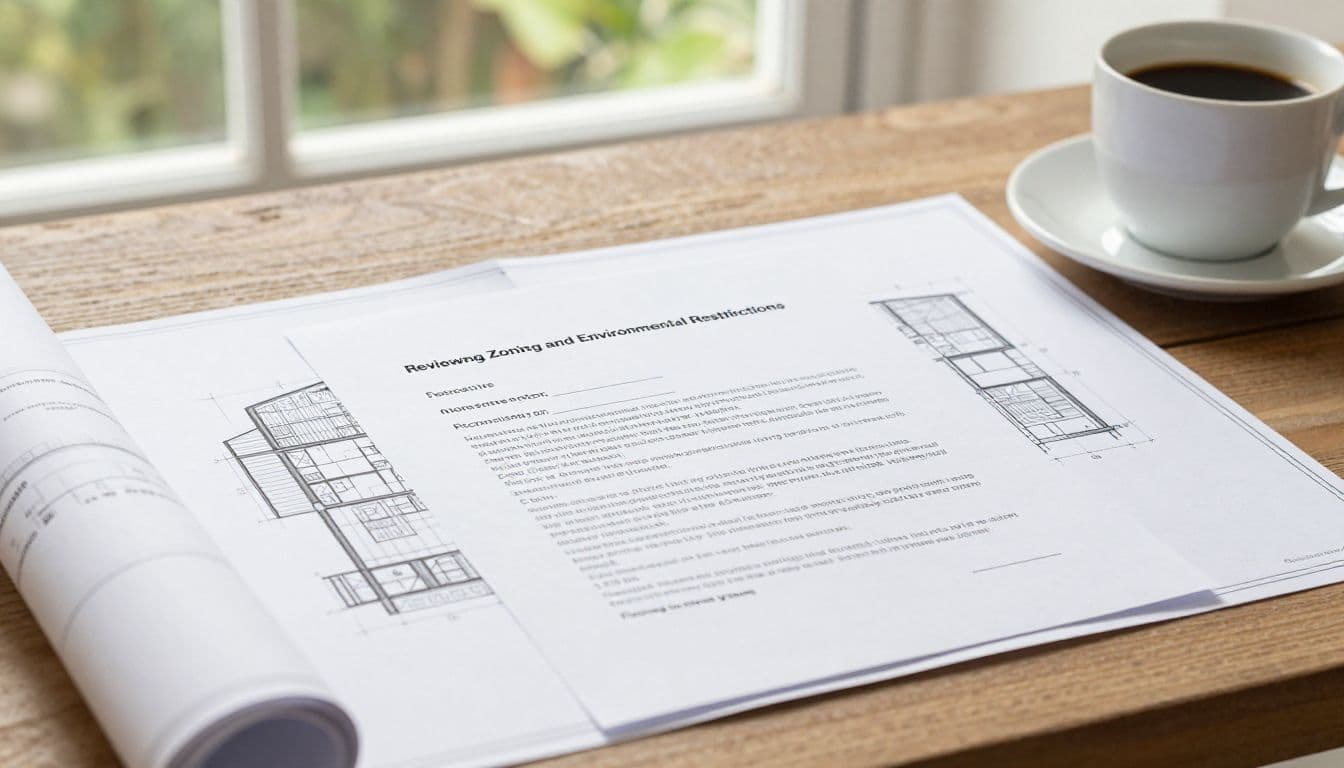
Don't rely on a seller's statement that "a large home will fit." Make the contract contingent on written confirmation that the lot allows your intended project, including any HOA or architectural approval.
3. Investigate flood zones, wetlands, and drainage
Flood zone information is only the starting point. A lot's elevation, drainage pattern, nearby canals, wetlands, and required finished-floor elevation can affect both design and cost.
Ask for any available elevation information, drainage plans, wetland reports, environmental studies, and prior permit records. Your surveyor, civil engineer, or environmental consultant can identify easements and areas that may limit the buildable footprint.
Floodplain requirements may affect fill, foundation design, site grading, stormwater controls, and insurance. A wetland or protected drainage area can reduce the usable portion of the parcel. In some cases, development may require additional environmental permits or agency approval.
Look for standing water, drainage swales, low areas, filled ground, ponds, ditches, or vegetation that suggests wet conditions. A seller's statement that the lot has never flooded doesn't replace a professional review.
Your Fort Myers lot contract should allow time for flood and environmental due diligence. If the available buildable area won't support your plans, you may want the right to terminate, renegotiate the price, or extend the review period while a professional evaluates solutions.
4. Price soil conditions and site work before closing
A lot can be legally buildable and still cost too much to develop. Soil conditions often determine how much preparation the foundation and surrounding site will require.
Ask whether a geotechnical report or soil boring report exists. If not, discuss testing with your builder or engineer before the inspection period ends. The review may address bearing conditions, groundwater, unsuitable soil, compaction, and the need for imported or exported fill.
Also request a preliminary site-work estimate. It should identify likely costs for clearing, grading, fill, erosion control, driveway preparation, stormwater work, utility connections, and foundation preparation. Old concrete, buried debris, dense vegetation, or difficult access can change the estimate.
A "standard lot" allowance has little value unless the contract defines what standard means and what happens when actual conditions differ.
If you plan to use a cost-plus construction agreement, ask how site discoveries affect the budget. The contract should explain allowances, markups, approval requirements, and documentation for unexpected work.
A low price with no soil testing or a vague clearing allowance deserves careful review. You may want to negotiate a site-feasibility contingency or a price adjustment if professional estimates exceed an agreed amount.
5. Verify legal access and utility availability
Nearby utilities don't prove that service is available to your lot. Confirm the connection point, capacity, extension requirements, and total cost for each service.
Ask for written utility availability information from the relevant provider. Depending on the location, the property may need public water and sewer connections, a well, a septic system, electric service, irrigation service, or telecommunications work. Each option can involve separate applications, inspections, connection charges, impact fees, or private improvements.
Access deserves the same attention. Confirm that the lot has recorded access from a public road. If the road is private, review the maintenance agreement, cost-sharing obligations, repair responsibilities, and any gate restrictions. A driveway may also require an approved location or separate permit.
Ask these questions before the deadline:
- Where will water, sewer, electric, and other services connect?
- Does the lot require an extension across another parcel?
- Who pays connection, meter, impact, and inspection fees?
- Does the recorded easement allow construction equipment and utility work?
- Is there enough room for the driveway, septic area, and required drainage?
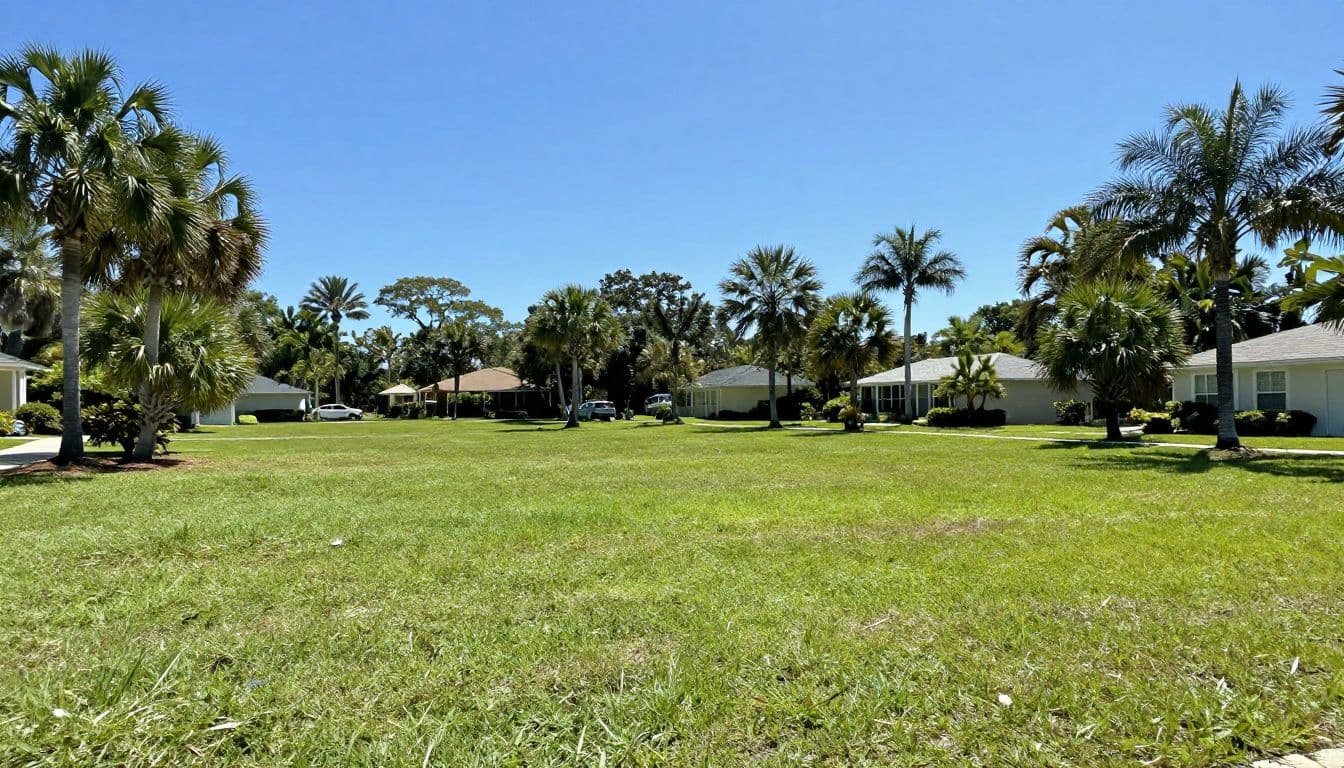
Make the purchase contingent on acceptable access and utility costs. "Utilities at the street" is not the same as a completed, affordable connection.
6. Define permits, fees, and construction responsibilities
Land contracts often leave buyers surprised by costs that appear after closing. Ask for a written breakdown of permit fees, impact fees, utility charges, surveying, engineering, plan review, inspections, and other site-related expenses.
The agreement should state who handles permits and who pays each fee. If your lot purchase and home construction use separate contracts, don't assume the builder's agreement covers expenses created by the land. Coordinate the closing date with design, permitting, financing, and construction milestones.
As of August 2026, Florida's 8th Edition Building Code applies to current work. The 9th Edition is scheduled to take effect on December 31, 2026. Ask how the contracts address a permit that crosses that date, including possible redesigns, added engineering, or code-related cost changes.
Read what to include in a Florida building contract before signing a separate construction agreement. You can also review this Fort Myers home permits checklist to identify documents and jurisdiction questions.
Pay close attention to cost-plus language. It should explain reimbursable costs, contractor fees, allowances, change orders, and your approval rights. A contract that lists only a base price may exclude the work that makes the lot ready for construction.
7. Protect the inspection period and cancellation rights
The due-diligence period gives you time to test whether the lot works for your plans. The clock may start when the contract becomes effective, not when you receive the documents. Confirm whether deadlines use calendar days or business days, and write down the exact expiration date.
Your access rights should cover surveys, soil testing, environmental review, utility investigations, builder walks, and other reasonable inspections. The agreement should address who pays for testing and who repairs damage caused by the investigation.
Make the contract contingent on the results that matter to your project. Those may include satisfactory title, zoning, HOA approval, flood and wetland review, soil conditions, utility availability, access, financing, and a construction budget that fits your plans.
Review the notice procedure as well. Some contracts require written termination before a specific time or delivery method. Missing that step may cause the contingency to expire even if the inspection found a serious problem.
Red flags include no due-diligence period, a deposit that becomes nonrefundable immediately, broad "as-is" language with no testing access, and a seller's unilateral right to extend deadlines. A Florida real estate attorney can explain the legal effect of those clauses before you sign.
Conclusion
A Fort Myers lot contract should give you more than a purchase price and closing date. It should provide a practical way to confirm title, zoning, environmental conditions, soil, utilities, permits, and the true cost of building.
Complete those reviews before the due-diligence deadline, and put important findings in writing. The right lot is the one that supports your home plans without leaving major costs and restrictions to chance.