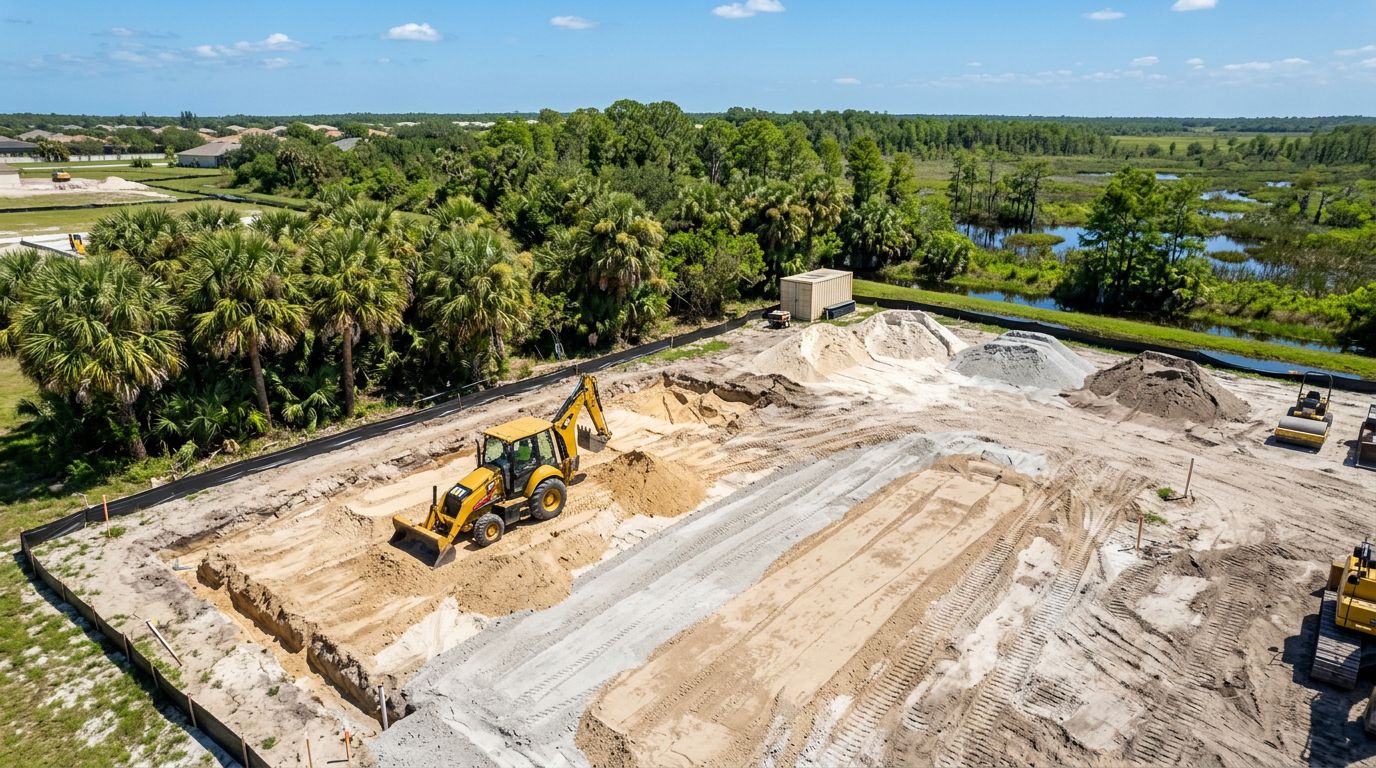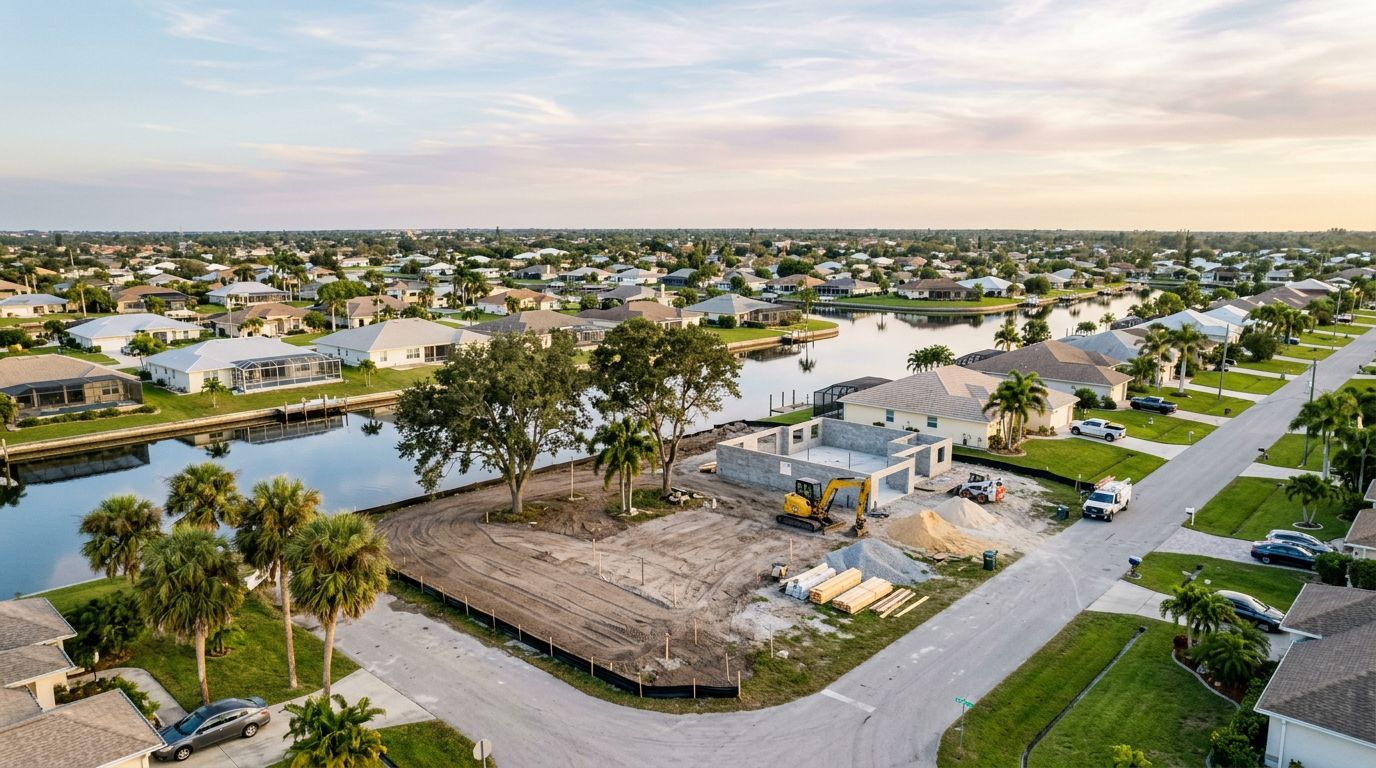
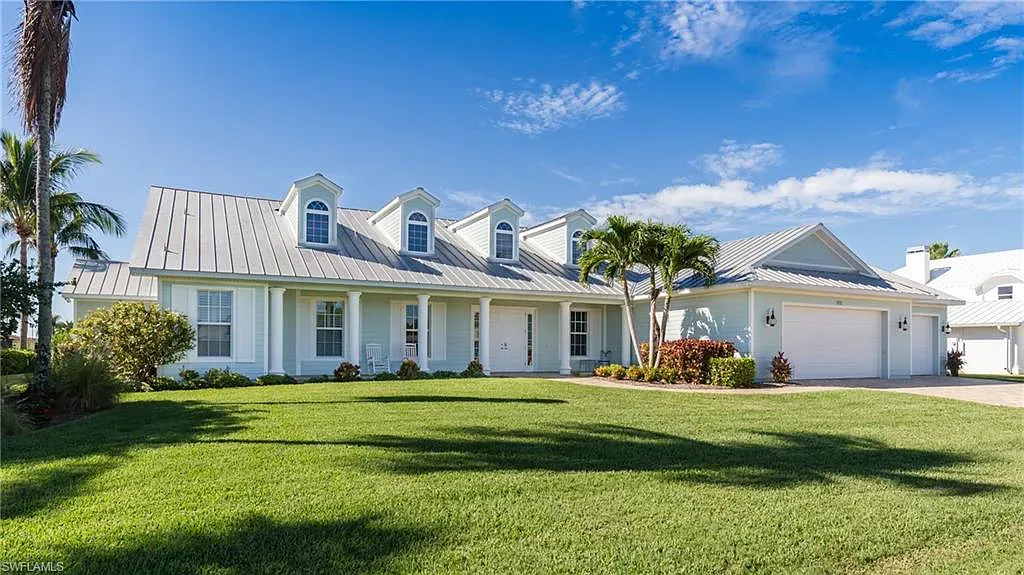



A new home plan can look perfect on paper and still miss the mark by a few feet. In Fort Myers, that small gap can delay permits, force redesigns, or change the whole layout.
That's why Fort Myers setback rules matter early, not after the drawings are done. The numbers can shift by zoning district, PUD, lot shape, road frontage, and easements, so the safest move is to verify every parcel before you build.
What setback rules mean on a Fort Myers homesite
Setbacks are the minimum distances a house must stay away from property lines, roads, and sometimes other site edges. They help with safety, drainage, access, privacy, and spacing between structures.
In plain terms, setbacks tell you where the house can sit. They also shape the driveway, garage, porch, pool, and even where you can place a lanai roof.
Fort Myers uses local zoning rules, not a one-size-fits-all number. If you want the code text itself, the City of Fort Myers Code of Ordinances library is a useful public starting point.
A common mistake is measuring from the wrong edge. In some cases, the front yard line is based on the road right-of-way, not the visible curb or the fence line. That can change the buildable area more than people expect.
A setback number on a flyer is only a starting point. The parcel's zoning and recorded site conditions give the real answer.
2026 setback ranges you will see most often
As of May 2026, the basic residential rules in Fort Myers still come from the city's land development code, and the exact dimensions vary by district. The table below shows common starting points, not universal answers.
| Site item | Common 2026 starting point | What can change it |
|---|---|---|
| Front yard | About 25 feet | Garage orientation, frontage type, PUD rules |
| Side yard | About 10 feet for detached homes | Lot type, district standards, attached housing rules |
| Rear yard | Often 20 to 30 feet | Zoning district, drainage, lot depth |
| Major road setback | Can be much larger, sometimes 80 feet | Road classification and overlay rules |
| Lot width | Often 50 to 60 feet minimum | District and home type |
| Lot coverage | Often 50 to 60 percent | PUDs, lot size, and site design |
For a second code reference, the Fort Myers zoning ordinance summary shows the same idea in a quick-read format. The key takeaway is simple: the district controls the number , not a general city rule.
The city can also approve special layouts in some planned developments. Those PUDs may allow tighter yards, different garage placement, or adjusted coverage limits. That's normal in newer subdivisions, but it means you cannot guess from nearby homes.
Why your exact lot may not match the average
The same street can hold several different setback patterns. One lot may sit in a standard residential district. The next one may fall inside a PUD. A corner lot may have two front-yard edges. An infill lot may need to match one neighboring setback or follow a variance path.
That's why the parcel record matters more than a neighborhood rumor.
The strongest variables are usually the zoning district, easements, and road frontage. If the front line faces a collector road, the required distance may be wider than the lots behind it. If a utility easement crosses the back yard, the house may have to stay clear of that area too.
Garage placement can also change the math. A side-loaded garage may fit one plan, while a front-facing garage needs a different front setback. Detached homes and attached homes can also follow different yard rules.
Here's the main habit to build: do not start with floor plans. Start with the parcel. Then let the lot tell the designer what will fit.
How to verify your parcel before you hire a designer
Before you spend money on plans, check the zoning map and parcel details. The city's zoning layer, permit staff, and land development code should all point to the same answer. If they do not, stop and ask why.
Use this order:
- Look up the parcel on the City of Fort Myers zoning map or GIS tool.
- Write down the zoning district, any overlay, and any PUD number.
- Read the matching setback section in the land development code.
- Check for easements, right-of-way issues, or corner-lot conditions.
- Ask permitting staff if the parcel has anything unusual before you draw final plans.
A survey helps a lot here. So does the deed, the legal description, and any recorded plat notes. If the lot came from a recent subdivision, bring the plat, not just a screenshot from a map app.
You should also prepare these documents before plan submittal:
- A current boundary survey, if one is available
- A site plan with dimensions to all lot lines
- A floor plan and exterior elevations
- The legal parcel description
- Any easement or drainage records you already have
- The subdivision plat or PUD approval documents, if they apply
If the city says the lot needs a specific review path, ask for that in writing. It saves time later.
How setbacks affect layout, cost, and permits
Setbacks do more than move walls on a drawing. They can change the size of the house, the depth of the porch, the driveway angle, and the square footage of the garage. In other words, they shape the budget.
That is where a cost-plus home builder can be helpful. When the site plan changes, the costs are easier to track if the builder uses transparent pricing and itemized line items. You can see what moved, why it moved, and what it did to the budget.
If you want a clearer picture of how pricing is handled, our FAQ on construction pricing explains how cost-plus work is structured. That matters on tight Fort Myers lots, where a few feet can shift foundation size, roofline, or drainage work.
Setbacks can also affect permit timing. If the plan misses a yard line, the city may ask for revisions. That can delay the schedule, which then affects trades, financing, and material orders. Small mistakes at this stage tend to get expensive later.
It helps to think about setbacks as the frame around the home. The design has to fit inside that frame before the builder can move forward.
If you're still early in the process, it's smart to talk with a builder before you lock in plans. You can contact our home builders once you have the parcel info and survey in hand, then review what will fit before you spend on full drawings.
A few 2026 details to keep on your radar
The setback rules themselves are local, but the broader code picture still matters. Florida's 9th Edition Building Code is scheduled to take effect on December 31, 2026, and that affects building compliance items. It does not replace local setback rules.
So if you're planning a 2026 start, keep two tracks in mind. One track is the City of Fort Myers land development code and zoning map. The other is building-code timing and permit review.
That split is easy to miss. Still, it matters for scheduling, especially if your plans will land near the end of the year.
Conclusion
Fort Myers setback rules are manageable when you start with the parcel, not the floor plan. The right answer depends on the zoning district, PUD status, lot shape, road frontage, and easements, so the city's code, zoning maps, and permitting staff should always be your final check.
If you remember one thing, make it this: verify the lot before you design the house . That step protects your budget, your permit timeline, and the shape of the home you actually want to build.