Gunite vs Shotcrete for Fort Myers Pool Construction
Explore Our Services
Contact Us Today!
(239) 322-9295
A concrete pool shell can last for decades, but the method behind it deserves more attention than a sales label. For Fort Myers homeowners, gunite vs shotcrete is less about choosing a superior material and more about choosing a qualified team with the right process for the property.
Both methods can create a strong custom pool. However, groundwater, drainage, steel placement, curing, and finish work all affect the final result. Start by understanding what each name actually means.
Gunite vs Shotcrete: The Terminology Behind the Pool Shell
In pool construction, the terms often overlap. Many contractors call any pneumatically applied concrete shell "gunite," even when they use a wet-mix shotcrete process.
Technically, shotcrete is the broad name for concrete or mortar projected at high velocity through a hose. Gunite is the traditional name for dry-mix shotcrete.
Gunite is dry-mix shotcrete
With gunite, dry cement and sand travel through the delivery hose. The nozzle operator adds water at the nozzle before the material reaches the steel reinforcement.
That live water control can help an experienced nozzle operator adjust the mix for vertical walls, benches, steps, and tight curves. Yet it also demands close attention. Too much or too little water affects compaction, strength, and surface quality.
Shotcrete usually means wet-mix placement
Wet-mix shotcrete arrives with water already blended into the concrete mix. A pump moves it through the hose, and compressed air helps project it onto the excavated and reinforced pool shape.
Because the batch controls the water content before placement, wet-mix shotcrete can provide more consistency from load to load. It can also move quickly on larger pool shells and may create less rebound waste.
A pool's strength does not come from the word on the proposal. It comes from a sound design, properly placed steel, correct mix proportions, skilled application, and disciplined curing.
How Each Pneumatic Concrete Method Is Applied
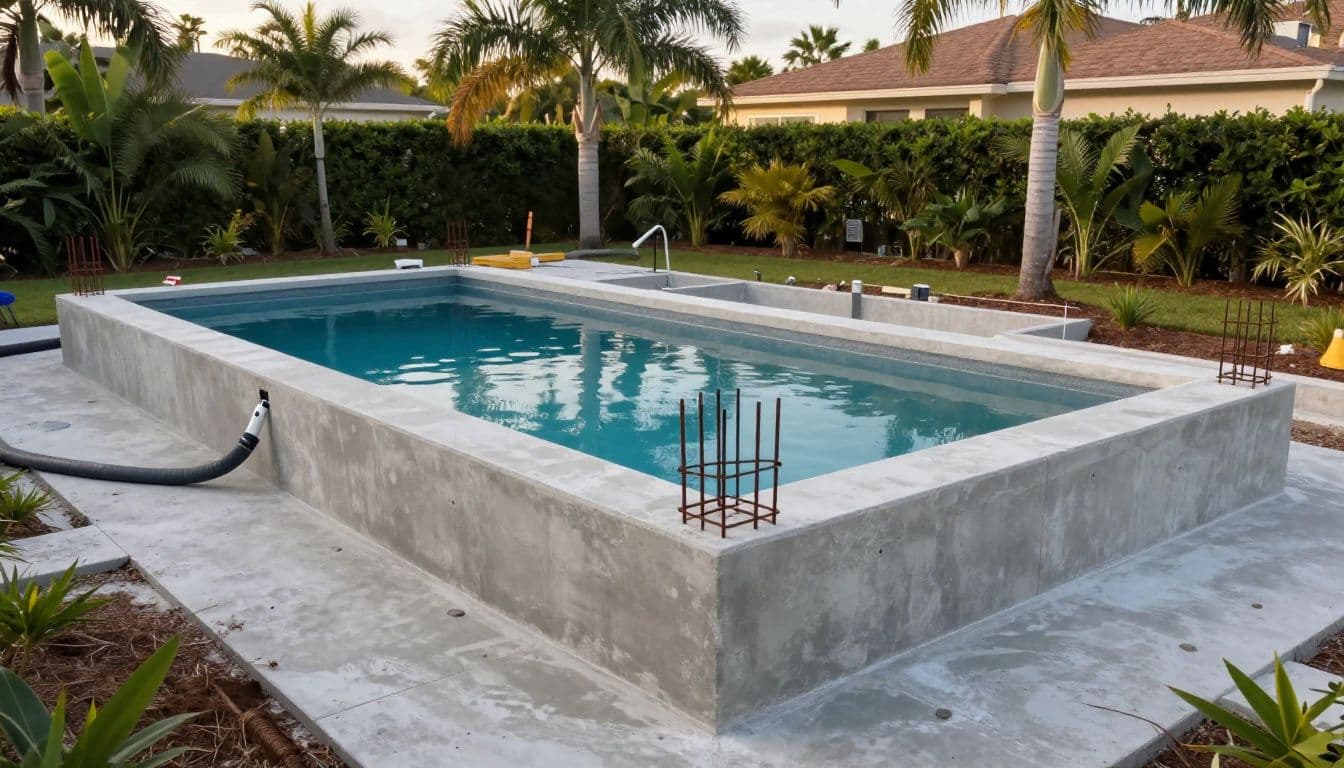
Both methods require a carefully prepared excavation, structural steel cage, plumbing runs, and a crew that knows how to build a monolithic shell. The nozzle operator applies material in layers, then the crew trims and shapes walls, floors, steps, and benches.
Where dry-mix gunite can fit well
Gunite gives the nozzle operator immediate control of added water. That can be useful on highly detailed custom designs, including freeform curves, raised spas, vanishing edges, and narrow structural features.
Still, water control only helps when the operator has strong training and a consistent process. An improperly hydrated dry mix can create weak or dusty areas that later complicate plaster adhesion or repairs.
Where wet-mix shotcrete can fit well
Wet-mix shotcrete starts with a measured batch design, which helps the contractor manage consistency. Its faster delivery can suit larger shells or projects where placement efficiency matters.
The gunite vs shotcrete decision should account for the contractor's equipment, crew experience, production plan, and quality-control practices. Either method can produce an excellent shell when applied to sound steel and cured correctly.
| Construction factor | Dry-mix gunite | Wet-mix shotcrete |
|---|---|---|
| Water is added | At the nozzle | During batching |
| Operator control | High at placement | Controlled through the batch mix |
| Common strength | Detailed shaping and live adjustment | Consistent batching and efficient placement |
| Main quality concern | Correct nozzle water control | Proper pumping, mix design, and consolidation |
| Best choice | Depends on the crew and project | Depends on the crew and project |
A reputable builder should explain the selected method in plain language, along with the inspection and curing plan.
Fort Myers Soil, Drainage, and Permit Conditions
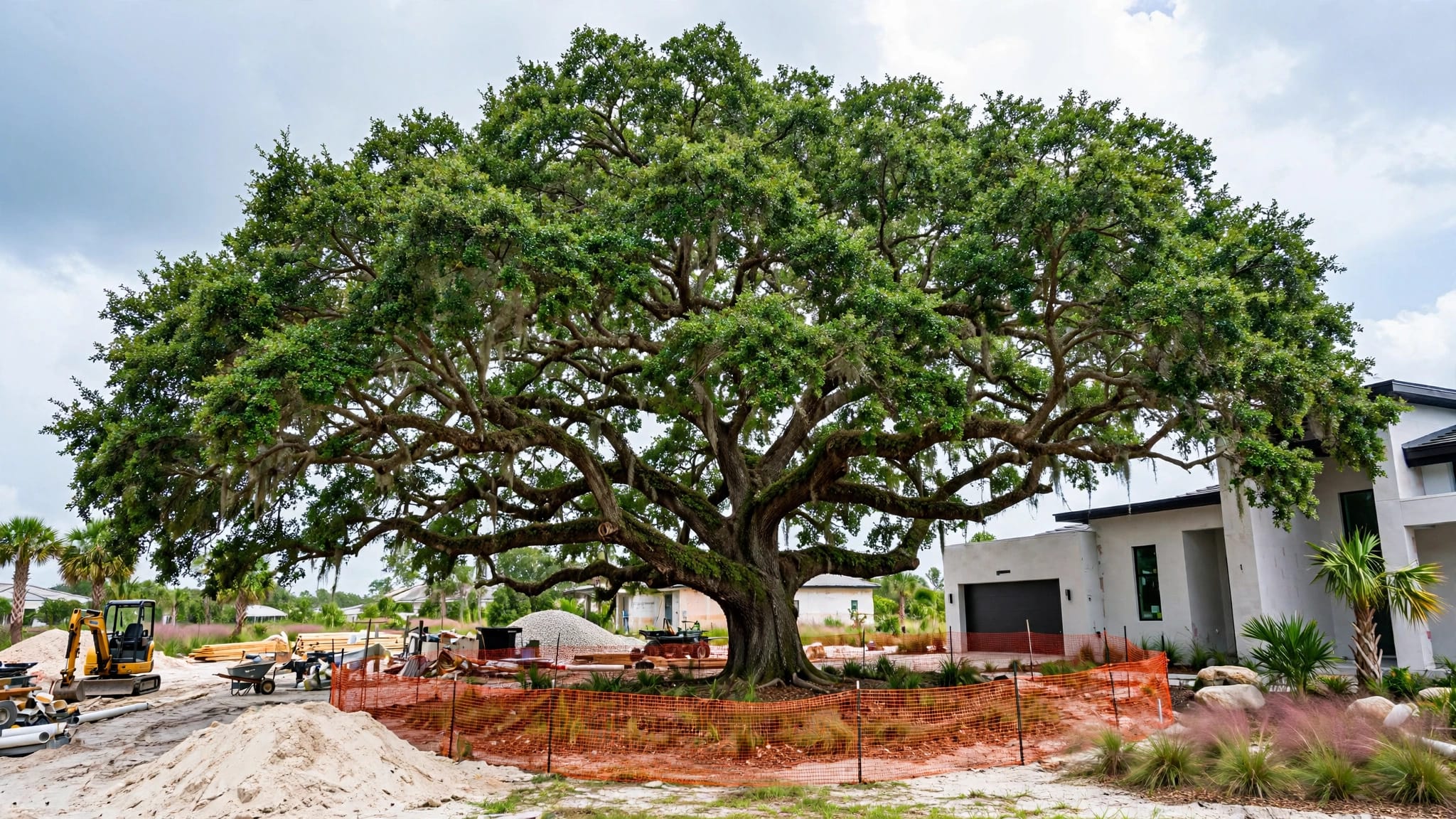
A beautiful pool begins below grade. Southwest Florida properties can have shallow groundwater, sandy soils, limestone, drainage swales, utility easements, and community restrictions that affect design before excavation starts.
Engineering must match the individual lot
A pool plan should account for the house location, lot elevation, setbacks, existing drainage, and the weight of the finished shell. A licensed Fort Myers pool professional should confirm site-specific engineering, soil evaluation, drainage design, and local code requirements before construction begins.
High groundwater may require a temporary dewatering plan during excavation. Water must be managed without damaging nearby yards, undermining soil, or interfering with drainage systems.
Jurisdiction changes the permit path
Properties within Fort Myers city limits follow City of Fort Myers permitting procedures. Unincorporated properties follow Lee County requirements. Both jurisdictions may require site plans, structural details, safety features, and inspections.
Lee County requires a residential pool permit for in-ground pools. The City of Fort Myers also reviews drainage impacts when a project adds substantial impervious surface. Confirm the current requirements before finalizing a layout, especially for waterfront lots, new construction, or homes in deed-restricted communities.
For homeowners planning a new residence and backyard together, custom inground pool construction allows the pool, lanai, drainage, and outdoor utilities to be coordinated early.
What Drives Gunite and Shotcrete Pool Costs
No responsible contractor can quote a reliable Fort Myers pool price from a shell method alone. Dry-mix gunite and wet-mix shotcrete may affect labor, waste, equipment, and scheduling, but they are only part of the budget.
The shell is one part of the investment
Excavation conditions can change quickly when crews encounter groundwater, hard limestone, buried debris, or difficult access. Engineering, reinforcing steel, plumbing, electrical work, drainage improvements, decks, water features, screens, and finishes often have a larger budget impact than the method of pneumatic concrete placement.
A simple geometric pool with standard finishes usually has fewer labor variables than a freeform pool with a raised spa, sun shelf, spillways, and extensive pavers.
Compare scopes, not just totals
Ask each contractor whether the proposal includes permits, engineering, steel, shell thickness, plumbing, equipment, coping, decking, interior finish, startup, and cleanup. Also ask how the contractor handles concealed site conditions and approved plan changes.
Southwest Florida pool construction costs vary with these choices, so a complete written scope gives you a better comparison than a low starting number.
Pool Construction Timeline and Inspection Stages
A custom concrete pool is a sequence of dependent tasks, not a one-day installation. Permit review and community approval often begin before the site crew arrives.
What happens before the shell is shot
After plans and permits are approved, work typically moves through layout, excavation, steel installation, plumbing, electrical rough-in, and required inspections. The crew then applies gunite or shotcrete once the structure is ready.
Weather, permit revisions, groundwater control, material availability, and inspection scheduling can affect the pace. A detailed project with a cage, outdoor kitchen, or major drainage work needs coordinated scheduling.
Curing needs time and attention
The shell isn't ready for finish work immediately after application. Concrete needs controlled curing to develop strength and reduce shrinkage risk.
The American Shotcrete Association recommends at least seven days of curing for exposed shotcrete surfaces, with wet curing preferred. Pool shells that will receive cementitious finishes often need a longer moisture-curing plan. Your builder should provide project-specific instructions based on the mix, weather, finish system, and schedule.
Finishes, Waterproofing, and Future Repairs
The shell creates the pool's structure, but the interior finish provides the surface you see and touch. Plaster, pebble finishes, tile, coping, and waterline details all need compatible preparation.
Waterproofing belongs in a complete system
Some pools use cementitious or crystalline waterproofing treatments in targeted locations. Others rely on a sound shell, proper surface preparation, and the selected finish system. The right approach depends on the design and manufacturer requirements.
Waterproofing cannot compensate for poor concrete placement, inadequate curing, or structural movement. The contractor should address cracks, penetrations, cold joints, and hollow areas before finish installation.
Repair work starts with diagnosis
An older concrete pool may develop cracks, spalling, hollow-sounding sections, tile loss, or finish failure. A repair team should identify whether the issue involves the surface finish, bond coat, plumbing, shell, or surrounding deck drainage.
Repairs may include removing loose material, preparing sound concrete, treating cracks, rebuilding damaged areas, and applying a compatible finish. Homeowners considering Fort Myers pool renovations should request a condition assessment before choosing cosmetic upgrades.
Key Takeaways for Fort Myers Homeowners
- Both gunite and shotcrete are pneumatically applied concrete systems that can create durable custom pool shells.
- Dry-mix gunite adds water at the nozzle, while wet-mix shotcrete adds water during batching.
- Contractor experience, engineering, reinforcing steel, application technique, curing, waterproofing, and finish preparation matter more than the label.
- Fort Myers site conditions can include shallow groundwater, drainage limits, and permit requirements that affect design and cost.
- A clear scope of work helps you compare proposals without relying on unsupported price claims.
Choosing the Right Concrete Pool Method
The best gunite vs shotcrete choice is the method your licensed contractor can apply with proven quality control on your specific property. A detailed plan should address the pool shell, drainage, access, local permits, finishes, and long-term service needs.
A strong concrete pool is built in stages, with each stage supporting the next. When the site work, structural shell, curing plan, and finish system work together, the result is a pool that feels at home in a Fort Myers backyard.
Frequently Asked Questions
Is gunite stronger than shotcrete?
Neither method is automatically stronger. Gunite and shotcrete can both produce durable concrete shells when the crew uses proper mix design, reinforcement, application technique, consolidation, and curing. The contractor's process matters more than the terminology.
Does a Fort Myers pool need special drainage planning?
Many properties do. Local conditions may include shallow groundwater, heavy summer rain, existing swales, canals, and drainage easements. Confirm the drainage plan and any engineering requirements with a licensed Fort Myers pool professional before work begins.
Can a gunite or shotcrete pool be remodeled later?
Yes. Concrete pools can be resurfaced, retiled, re-coped, and updated with new equipment, lighting, water features, and decking. However, the repair scope should address underlying cracks, hollow areas, plumbing issues, and drainage concerns before cosmetic work begins.
How long should a new concrete pool shell cure?
The required curing schedule depends on the mix, weather, shell condition, and planned finish. Seven days of wet curing is a common minimum reference for shotcrete, while some cementitious finish systems call for longer moisture curing. Follow the builder's written instructions for the specific project.