Kitchen Countertop Replacement: A Cape Coral Checklist
Explore Our Services
Contact Us Today!
(239) 322-9295
Your cabinets may have years of life left, even when the countertops look worn. Kitchen countertop replacement can refresh your Cape Coral home without a full teardown, provided the cabinet boxes are sound and properly supported .
The savings depend on what happens underneath the old surface, especially around the sink, plumbing, and backsplash. Start with these checks before choosing a slab or scheduling removal.
1. Check Whether Your Cabinets Are Worth Keeping
New countertops are a long-term investment, so the cabinets underneath should be worth preserving. Attractive doors alone won't tell you whether the boxes can support the installation.
Inspect the boxes, especially under the sink
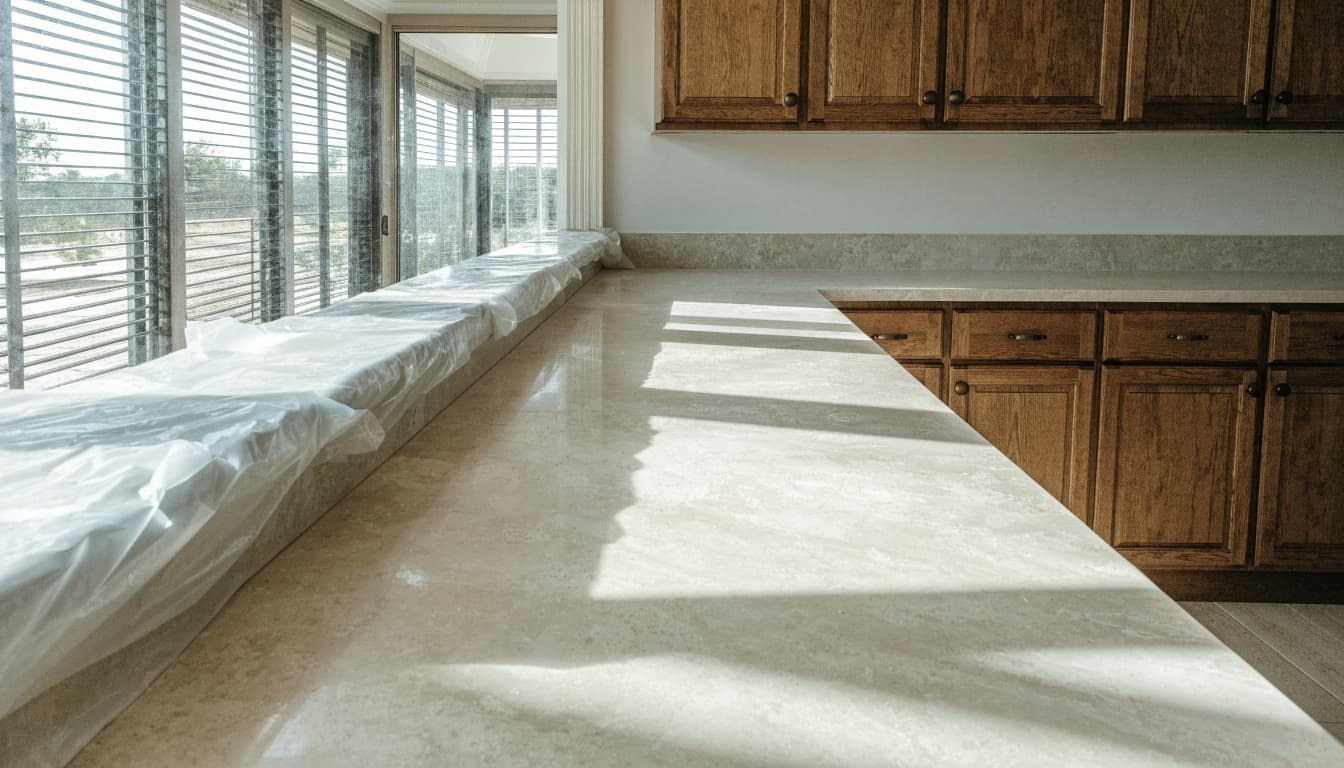
Open every base cabinet and inspect its floor, sides, and upper rails. Look for swollen particleboard, soft wood, separating joints, loose fasteners, and staining around plumbing connections.
In Southwest Florida, previous leaks or storm-related water intrusion deserve attention. Don't cover unresolved moisture damage with a new surface. Have the contractor identify the cause and determine whether repair or replacement makes sense.
Doors and drawer fronts are a separate decision. You can often keep sound cabinet boxes while updating hardware or finishes.
Confirm level, fastening, and support
Ask the installer to check whether the cabinets are level and securely attached. Stone needs suitable support, and a countertop shouldn't hide movement or damaged rails.
Changing a lightweight laminate top to stone may require cabinet repairs, leveling, or additional support. Overhangs and sink openings also need review under the selected product's installation requirements.
If several boxes need replacement, compare the cost of repairs against a broader renovation before fabrication.
Once a stone countertop is fabricated for your existing cabinet layout, later cabinet changes can require costly alterations or another countertop.
2. Decide What Stays in Place
Keeping your cabinet layout usually makes the project easier to coordinate. However, a different sink or countertop thickness can still affect plumbing, appliances, and surrounding finishes.
Choose the sink and faucet early
Decide whether you'll reuse the sink or install a new one before templating. An undermount sink needs a compatible countertop opening and an approved mounting method.
Check the sink's outside dimensions against the cabinet interior. A deeper bowl can reduce space for the disposal, drain, and stored items. Faucet height also matters beneath a window or low shelf.
Give the fabricator the exact sink and faucet models. Confirm the number and placement of holes, including any filtered-water tap or soap dispenser.
Keep relocation separate from replacement
Moving a sink adds work beyond disconnecting and reconnecting it. The plumber must plan water supply, drainage, venting, and dishwasher connections.
The drain route needs appropriate slope and venting. Access through cabinets, walls, flooring, or a concrete slab can add demolition and repairs.
If you're considering relocation, request two itemized options: one retaining the current position and one moving it. Cutting Edge Homes & Renovations' Cape Coral kitchen remodeling services can help coordinate those decisions when the project extends beyond countertops.
Also check dishwasher clearance beneath the proposed surface. A thickness change shouldn't leave the appliance trapped or unable to fit.
3. Verify Cape Coral Requirements for Your Exact Scope
Cape Coral's contractor-licensing FAQ says installing kitchen cabinets or countertops doesn't require a permit when the work doesn't add electrical outlets or breakers. Treat that guidance as a starting point for confirming your project.
A countertop replacement involving plumbing alterations, new outlets, wiring changes, or gas connections may need trade permits and inspections. Describe the full scope when asking, including anything the installer, plumber, or electrician will change.
Cape Coral lists its Permitting Help Desk at 239-574-0546 , and permit applications use EnerGov. Confirm current requirements before work begins.
Jurisdiction matters. A Cape Coral property shouldn't automatically follow an Estero or unincorporated Lee County process. Lee County also directs owners within incorporated areas to check the appropriate local authority.
Don't assume that a small contract value makes regulated work exempt. Cape Coral's HB 803 exemption has eligibility limits and requires approval before work starts.
Have your contractor document who handles any applications, inspections, and required corrections. This avoids discovering during installation that an approval or trade visit is missing.
4. Match the Material to Your Cabinets and Daily Use
The right material should suit your cooking habits, maintenance preferences, and existing cabinet finish. View samples in your kitchen before committing.
Compare care requirements and appearance
Quartz offers consistent colors and doesn't require sealing, but it isn't heatproof. Use trivets and follow the manufacturer's care instructions.
Granite varies between slabs, so inspect the actual stone rather than relying only on a small sample. Sealing needs depend on the stone and the care guidance for that product.
Laminate and solid surface are also worth discussing. Ask how the proposed installation handles substrate, seams, edges, and sink mounting. Don't assume every material can use the same supporting structure.
Compare countertop samples beside your cabinet doors, flooring, and backsplash. Southwest Florida daylight can make a finish look different than it did in the showroom.
Approve the template and fabrication details
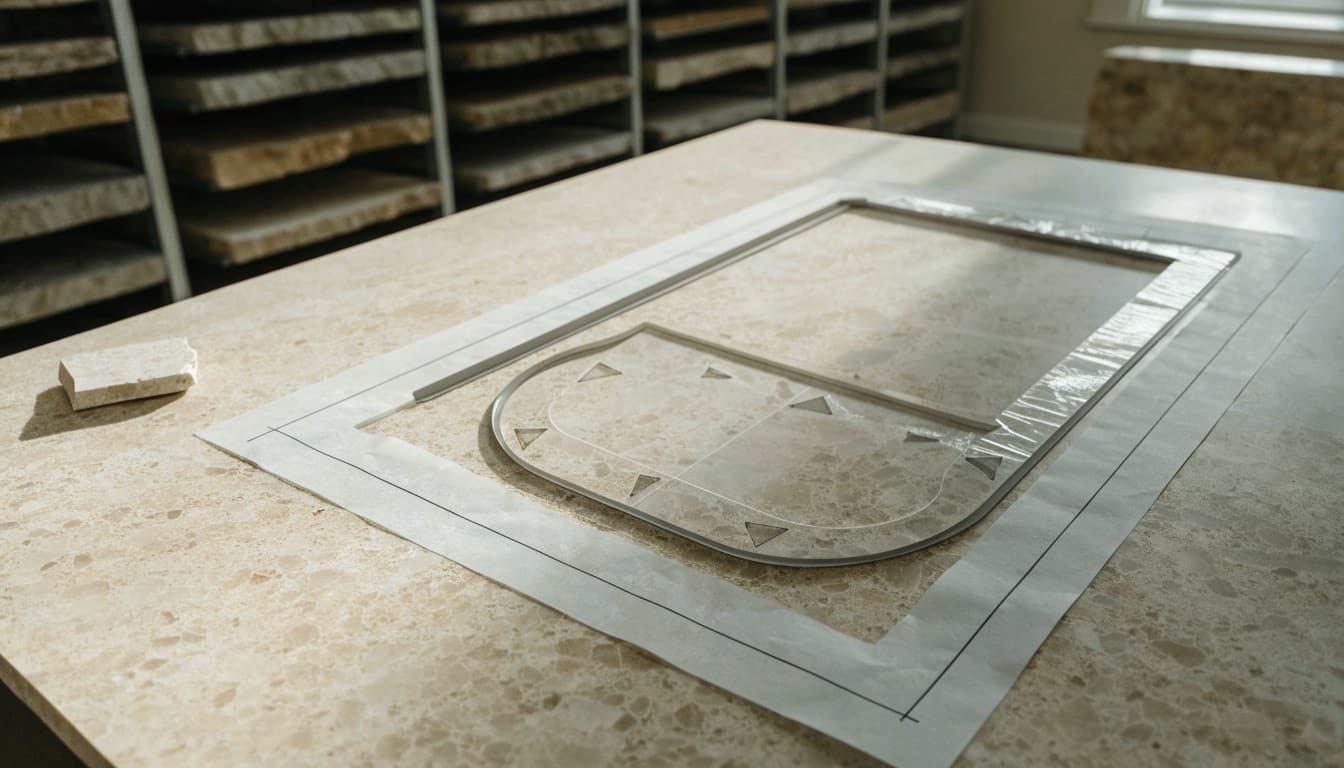
Cabinet repairs and layout decisions should be complete before final templating. Confirm with the fabricator whether the old countertop must come off first.
Approve the edge profile, seam locations, sink cutout, faucet holes, and overhangs in writing. For patterned stone, review how the visible pattern will meet at seams.
Backsplash decisions belong here too. A thinner replacement top may expose an unfinished strip beneath existing tile. Removing an attached backsplash can damage drywall or neighboring tile.
Ask whether the quote includes patching those surfaces. Resolve these details before authorizing fabrication.
5. Compare Complete Kitchen Countertop Replacement Quotes
A square-foot price helps with early planning, but it doesn't describe the entire project. Compare quotes using the same material, measurements, edge, cutouts, and removal scope.
Use local prices as planning references
A2Z Solutions' April 2026 countertop-installation page published these ranges for material, fabrication, and professional installation.
| Material | Published installed range |
|---|---|
| Quartz | $50 to $120 per square foot |
| Granite | $40 to $100 per square foot |
Its published standard-kitchen estimate was $2,000 to $4,800 for 40 square feet. Those figures aren't a quote for your home.
The stated ranges don't clearly establish whether removal, disposal, plumbing reconnection, backsplash work, or cabinet repairs are included. Other regional estimates also use different assumptions, so don't compare their totals without checking scope.
Require an itemized proposal
Ask the proposal to identify the exact material and color, thickness, template, fabrication, delivery, installation, edges, and cutouts. It should also state who pays for demolition, disposal, sink mounting, and plumbing reconnection.
Separate cabinet leveling, support brackets, backsplash repairs, and permit-related work where applicable. If a selection remains undecided, request a clear allowance and an explanation of how changes affect the price.
For a closer comparison, review how to compare kitchen remodeling bids.
Confirm how hidden damage will be handled. Require your approval of added work before the contractor proceeds, unless the agreement defines an emergency exception.
6. Plan Removal, Installation, and Trade Visits in Order
A countertop installation date doesn't guarantee that your kitchen will be fully usable that evening. Removal, repairs, fabrication, and reconnection may happen on separate visits.
Agree on the sequence before demolition:
- Finalize the countertop, sink, faucet, backsplash, and appliance decisions.
- Confirm requirements, trade responsibilities, material availability, and delivery access.
- Protect floors and nearby finishes, disconnect affected fixtures, and remove the old surface according to the agreed plan.
- Inspect exposed cabinets, complete approved repairs, and finish final templating when required.
- Fabricate and install the countertop, then arrange reconnection, inspections where applicable, and finish repairs.
Ask how long you'll be without a working sink. Plan meals and dishwashing around that interruption rather than assuming continuous kitchen access.
Common delays include unavailable slabs, late sink deliveries, hidden cabinet damage, and changed selections after templating. Moving a cutout or changing an edge after approval can require revised fabrication and pricing.
Access also affects the schedule. Confirm slab delivery routes, parking, stairs, elevator reservations, and condominium or HOA work-hour rules where relevant.
Finally, ask who coordinates the plumber and any electrician. A disconnected sink shouldn't remain unusable because each trade expected someone else to book the return visit.
7. Inspect the Finished Work Before Closing the Project
Inspect the installation with the contractor after reconnection and required inspections. Compare the result with the approved scope rather than checking appearance alone.
Look at seams, edges, sink alignment, and the joint where the countertop meets the backsplash. Open drawers and doors to check for interference with the new edge or overhang.
Run the faucet and inspect beneath the sink while water drains. Check supply connections, the trap, disposal connections, and dishwasher connections that were disturbed. Report leaks immediately.
Verify dishwasher clearance and access for future service. Also confirm that agreed wall repairs, caulking, and debris removal are complete.
Request written care instructions and applicable warranty information. Record the countertop product, color, installer, and installation date for future reference.
If the inspection reveals wider cabinet or layout problems, discuss Southwest Florida kitchen remodeling options before approving additional work. Keep any changes documented, including cost and schedule effects.
Keep Good Cabinets, but Verify What Supports Them
Replacing countertops without new cabinets works best when the boxes are sound and the layout still suits your household. Inspect first , then finalize fixtures and fabrication details before removal.
For Cape Coral homeowners, the strongest protection against added costs is a written scope that covers repairs, trade work, and reconnection. Confirm local requirements for the actual work, and make each decision before it affects the next step.