Outdoor Shower Planning for Fort Myers Custom Homes
Explore Our Services
Contact Us Today!
(239) 322-9295
Sand on the kitchen floor often starts with a missing stop between the beach and your back door. A thoughtfully placed outdoor shower in Fort Myers gives your family a convenient place to rinse before entering the house or pool.
However, the fixture is only one part of the project. Drainage and placement determine how comfortably the shower works and how easily you can maintain it.
Start with your family's daily routine, then build the layout, materials, and plumbing around that route.
Plan Your Outdoor Shower Around Pool and Beach Use
Put Pool Rinsing Near the Swimming Route
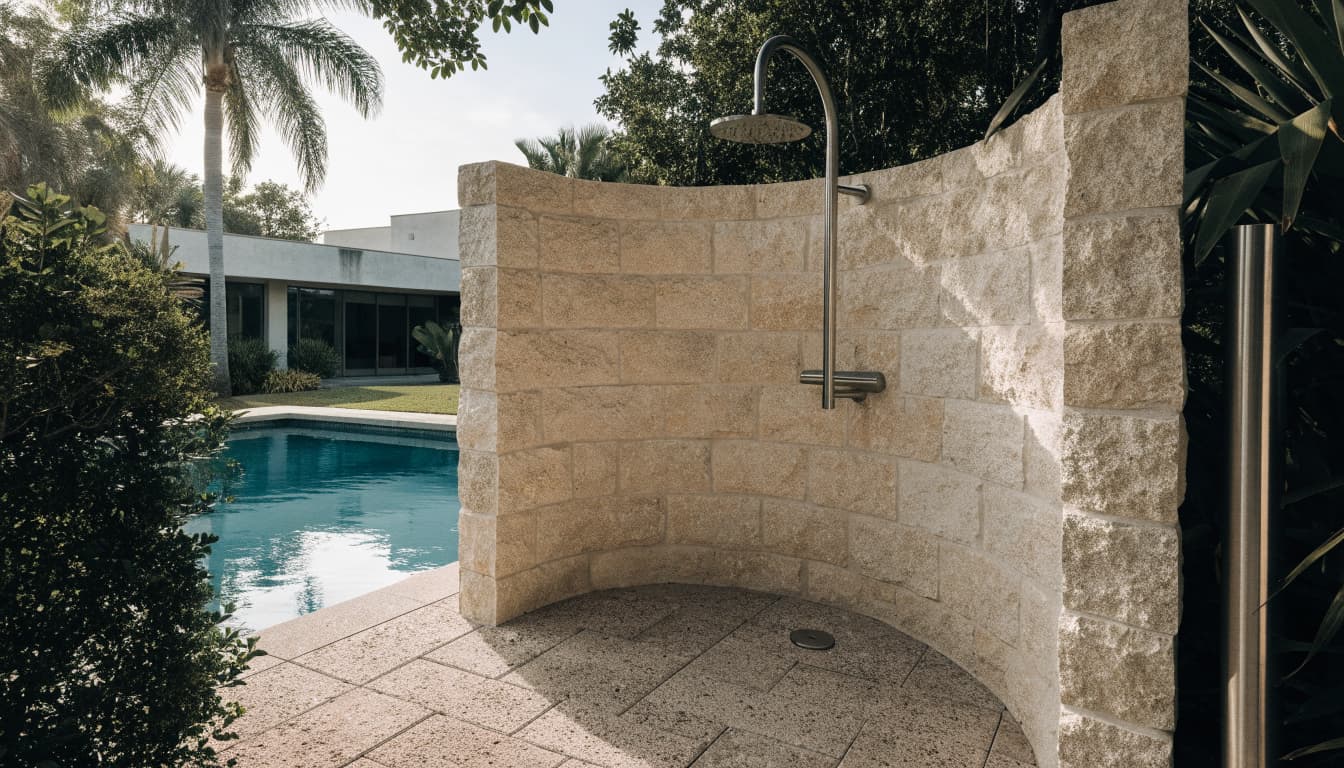
For pool use, locate the shower where swimmers can rinse without crossing furniture groups or carrying water through the house. Keep the approach clear when lounge chairs, towels, and pool toys are in use.
Discuss how the location affects pool gates and barriers with your contractor. A convenient shower shouldn't require changes that compromise the approved pool-safety arrangement.
If you're planning new pool construction in Fort Myers, include the shower before finalizing deck elevations and underground utilities. Early coordination gives the team more options for supply lines and drainage.
Intercept Sand Before It Reaches the House
Beach access means following the actual arrival route. For many homeowners, that route begins at the driveway or side gate rather than the waterfront.
Place the rinse area before the entry door, with a clean path afterward. Otherwise, family members may rinse their feet and immediately cross sandy ground again.
A low foot-rinse outlet can handle quick cleanups, while a handheld shower offers broader reach. Ask your designer whether one shared station works for both beach arrivals and pool traffic without creating a bottleneck.
Solve Sand Management and Drainage Together
Make Trapped Sand Easy to Remove
Sand settles in low spots, grate openings, and drain channels. Therefore, choose a layout that lets you remove it without dismantling the shower.
Ask to see how drain covers lift out and where collected grit will accumulate. Decorative stone beds can hide debris and make cleaning harder, especially when sunscreen and organic material mix with sand.
A removable foot grate may improve comfort, but it also creates another surface to clean. Check whether you can reach beneath it easily and whether it stays stable underfoot.
Confirm Where Shower Water Will Go
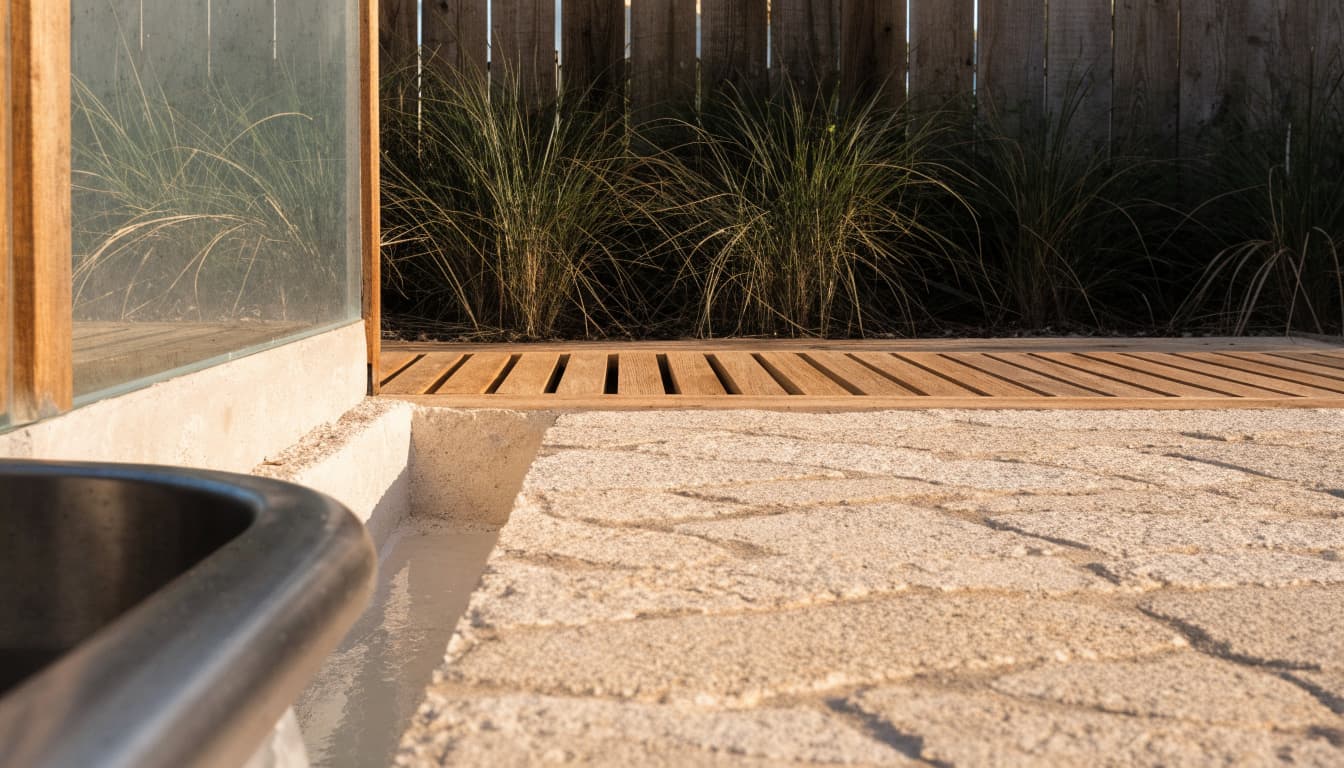
Before selecting a drain, tell your licensed contractor whether the shower will handle water-only rinsing or bathing with soap. The proposed discharge arrangement needs to account for that use.
Don't assume water can drain into landscaping, a stormwater system, the pool, or a nearby waterway. Have the contractor confirm an acceptable solution with the appropriate authority for your property.
Also ask how the shower interacts with rainfall and existing yard drainage. The design should direct water away from doors and foundations without creating standing water elsewhere.
A drain that's easy to uncover but difficult to clean below the surface can turn routine sand removal into a recurring service call.
Resolve the discharge destination first. Then select the drain, floor assembly, and access details that support it.
Choose Slip-Resistant Surfaces That Stay Comfortable
Outdoor shower floors must handle bare feet, wet skin, and tracked-in grit. Look for slip-resistant surfaces rated for the intended wet exterior use , rather than choosing by appearance alone.
Textured porcelain, concrete, and suitable stone can offer different advantages. However, the exact product and finish matter more than the broad material category. Polished finishes deserve particular caution around wet walking areas.
Ask for a sample and review the manufacturer's use guidance with your contractor. Consider barefoot comfort, cleaning needs, and heat exposure as well as traction. A rough surface may grip well but feel unpleasant on sensitive feet.
The installer also needs to coordinate the floor with drainage and adjacent paving. Small tiles introduce more grout joints; larger units require careful layout around floor geometry.
Finally, discuss sealers and maintenance products before installation. A treatment can change the surface's behavior, so follow the flooring manufacturer's recommendations. Plan regular cleaning because sunscreen residue and biological growth can make even a textured floor slippery.
Balance Privacy With Comfortable Movement
Check Sightlines Beyond the Patio
Privacy depends on more than fence height. Review views from neighboring windows, upstairs balconies, the pool deck, and your own indoor rooms.
Solid walls offer stronger screening but can restrict airflow and daylight. Slatted screens feel more open, although gaps and viewing angles may expose more than expected.
Ask your designer to check sightlines on the plan before construction. Landscaping can supplement screening, but it takes time to mature and needs maintenance. Don't make a newly planted hedge your only privacy solution.
Coordinate the enclosure with backyard and lanai design in Fort Myers so the shower fits the home's architecture and outdoor circulation.
Keep Controls and Storage Within Reach
Place controls where you can turn on the water without standing directly beneath the spray. An adjustable handheld also helps users of different heights and simplifies enclosure cleaning.
Allow room to turn comfortably, hang a towel, and set down beach gear. A bench can help, but an oversized one reduces usable floor space.
If future grab bars are desirable, discuss structural backing during construction. Also ask whether the entry can avoid an awkward step while preserving the drainage design.
Select Fixtures and Enclosures for Site Exposure
Check the Whole Fixture Assembly
Coastal durability involves the valve, showerhead, hose, brackets, and fasteners. An attractive exterior finish doesn't reveal the materials underneath.
Stainless steel isn't automatically suitable for every coastal setting. Ask for manufacturer documentation covering the actual exposure, installation conditions, cleaning instructions, and warranty limitations.
Compare replacement-part availability as well. A proprietary cartridge or hose can create inconvenience if it becomes difficult to source.
Your contractor should review compatibility between adjoining metals and specify suitable fasteners. Meanwhile, regular freshwater rinsing and manufacturer-approved cleaning can help remove salt deposits without damaging finishes. Avoid abrasive cleaners unless the manufacturer permits them.
Account for Sun, Rain, and Wind
A sheltered shower may feel more comfortable, but adding a roof or attaching walls changes the construction scope. Discuss structural support, weatherproofing, and drainage before choosing the enclosure.
Connections to the house need careful detailing. Water-resistant wall finishes alone don't protect penetrations or the layers behind them.
Freestanding screens also need an anchoring design appropriate for the site. Ask how the enclosure handles wind exposure and whether the property has flood-related considerations.
Finally, think about afternoon sun. Shade can improve comfort, while ventilation helps enclosed surfaces dry between uses.
Coordinate Plumbing and Local Approvals Early
Decide Whether You Need Warm Water
Cold water keeps the supply arrangement simpler and may suit quick foot rinses. However, warm water can make longer showers more comfortable.
Ask your plumber about the distance to the hot-water source, expected wait time, temperature control, and any effect on the home's existing system. A remote shower may waste water while users wait for warmth.
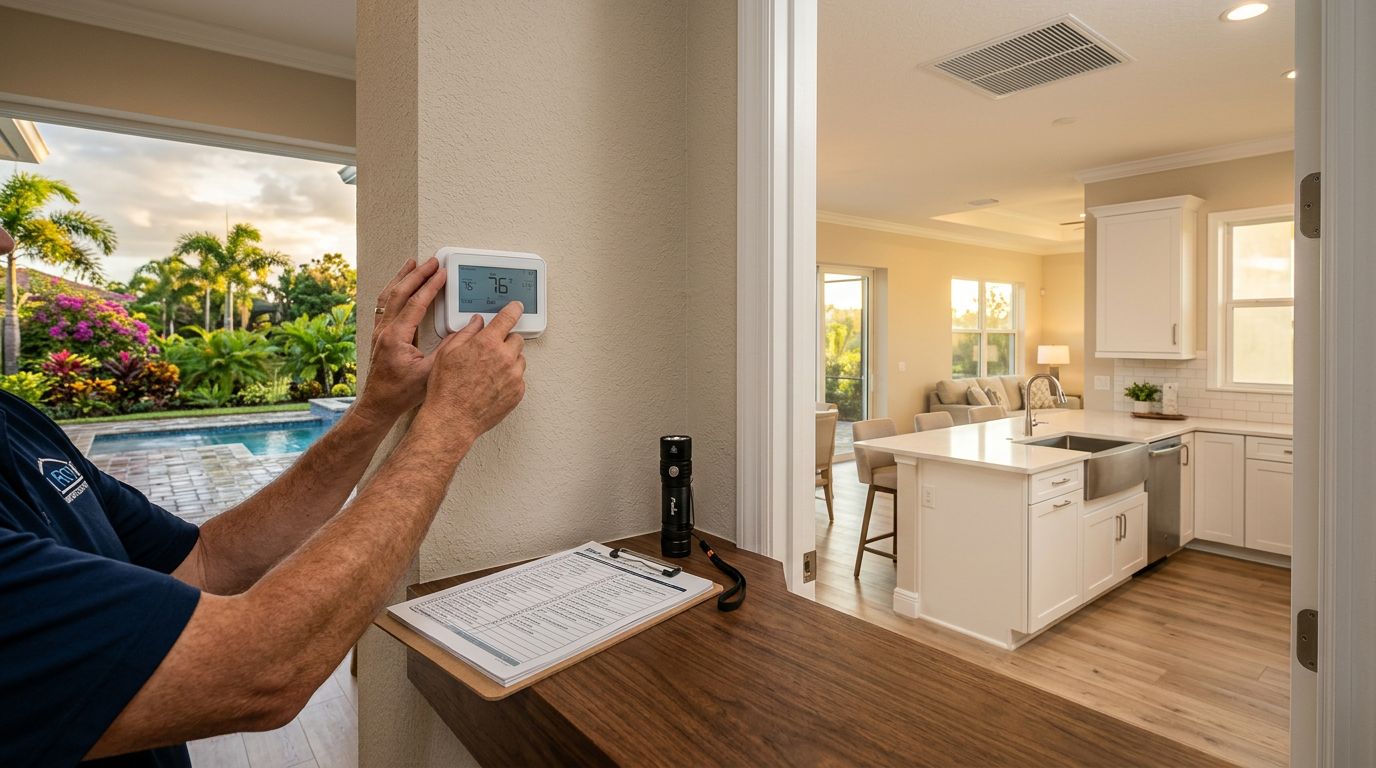
Specify accessible shutoffs and service access before closing walls. The plumber should also select the protection needed for the intended shower configuration, including handheld outlets. Review any lighting or electrical equipment near the wet area with a qualified professional.
Verify the Property's Jurisdiction
A Fort Myers mailing address doesn't establish which authority reviews your project. Confirm the parcel's jurisdiction before relying on permit advice.
For properties within city limits, contact City of Fort Myers Building, Permitting & Inspections. For unincorporated properties, Lee County Building & Permitting Services is the relevant starting point.
Other municipalities have their own processes. Your licensed contractor should confirm current requirements for the shower, plumbing connections, enclosure, and associated work.
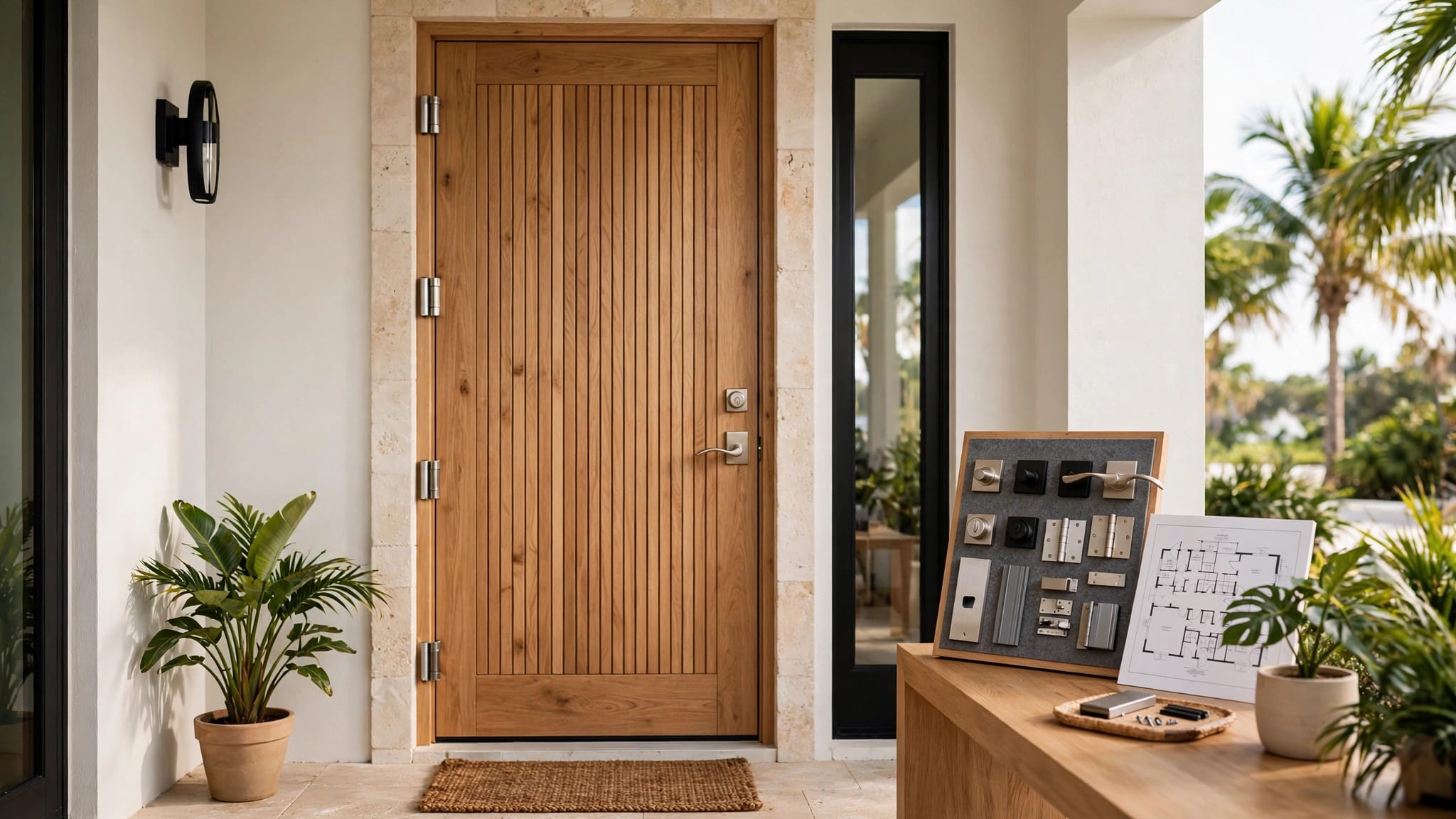
Request a clear explanation of required plans, applications, and inspections. Don't assume an outdoor installation is exempt because it looks simple.
Compare Complete Proposals Before Construction
An outdoor shower quote should describe more than the visible fixtures. Ask for supply-line work, drainage, enclosure construction, surface preparation, finishes, and restoration of disturbed areas.
Compare those scopes side by side. A lower fixture allowance doesn't necessarily mean a lower completed-project cost if excavation or patio repairs remain unspecified.
For an existing home, keeping the shower near suitable plumbing can reduce routing work. However, the closest location may have poor privacy or send beach traffic through the wrong part of the yard. Ask your contractor to price the practical alternatives.
When combining the project with pool renovations in Fort Myers, coordinate underground work before resurfacing or replacing decking. Avoid finishing areas that later need to reopen for connections or inspections.
Before approving construction, confirm who handles each trade and who coordinates approvals. Also ask what happens if excavation reveals unexpected underground conditions.
A useful proposal identifies exclusions and change-order procedures in plain language. Finish selections, access panels, and maintenance responsibilities should be clear before work begins.
Key Takeaways for Your Planning Meeting
Bring these priorities to your designer or licensed contractor:
- Map the pool and beach arrival routes before choosing the shower location.
- Confirm the discharge destination and how you'll remove trapped sand.
- Review wet-surface suitability and coastal-exposure documentation for the selected products.
- Settle privacy, service access, and jurisdiction-specific approvals before construction.
These decisions give the team a clearer basis for design and pricing.
Build a Shower That Fits Your Daily Routine
A successful outdoor shower in Fort Myers makes rinsing convenient without creating another cleaning or maintenance problem. The strongest plan starts with movement and drainage , then adds suitable materials and comfortable privacy.
Have your designer and licensed contractor resolve those details before selecting decorative finishes. When the route works, sand stays closer to the rinse area, and your outdoor shower becomes a practical part of everyday pool and beach use.