
Fort Myers Roof Replacement: Handling Rain Delays
Explore Our Services
Contact Us Today!
(239) 322-9295
Rain arriving while your old roof is coming off is a stressful sight for any homeowner. During a Fort Myers roof replacement, a clear weather plan helps you understand how exposed areas will be protected and who to contact if trouble develops.
Temporary coverings can reduce water intrusion, but they can't guarantee a leak-free installation during every storm. Before work starts, get clear answers about protection, communication, and the crew's response if water enters your home.
Why Rain Can Interrupt a Fort Myers Roof Replacement
Southwest Florida roofs face heavy rain, strong winds, and tropical weather. During replacement, removing the existing covering creates a period when the roof's normal protection is incomplete.
A weather delay can be a responsible decision. Continuing work simply to meet the original schedule can create safety concerns or conflict with installation requirements.
The Roof's Condition Matters
The risk depends on what has been removed, what has been installed, and which details remain unfinished. A roof awaiting its final covering presents different concerns than one with exposed decking.
Existing leaks, damaged sheathing, skylights, and roof penetrations also affect the protection plan. Tell the contractor about previous leaks, even if the ceiling has looked dry recently. That history helps the team understand where water has entered before.
Worker Safety Can Change the Schedule
Rain, wind, and lightning can make roof work unsafe. Homeowners shouldn't expect crews to remain on the roof during dangerous conditions.
Instead, ask how the contractor decides when to pause work and how it prepares before conditions worsen. There isn't one delay length that applies to every project. The forecast, roof condition, and remaining work all affect the next steps.
How Contractors Can Protect Exposed Roof Sections
Temporary protection should be part of the discussion before tear-off begins. Ask what the contractor means by "protected" at each stage, rather than assuming every unfinished section has the same weather resistance.
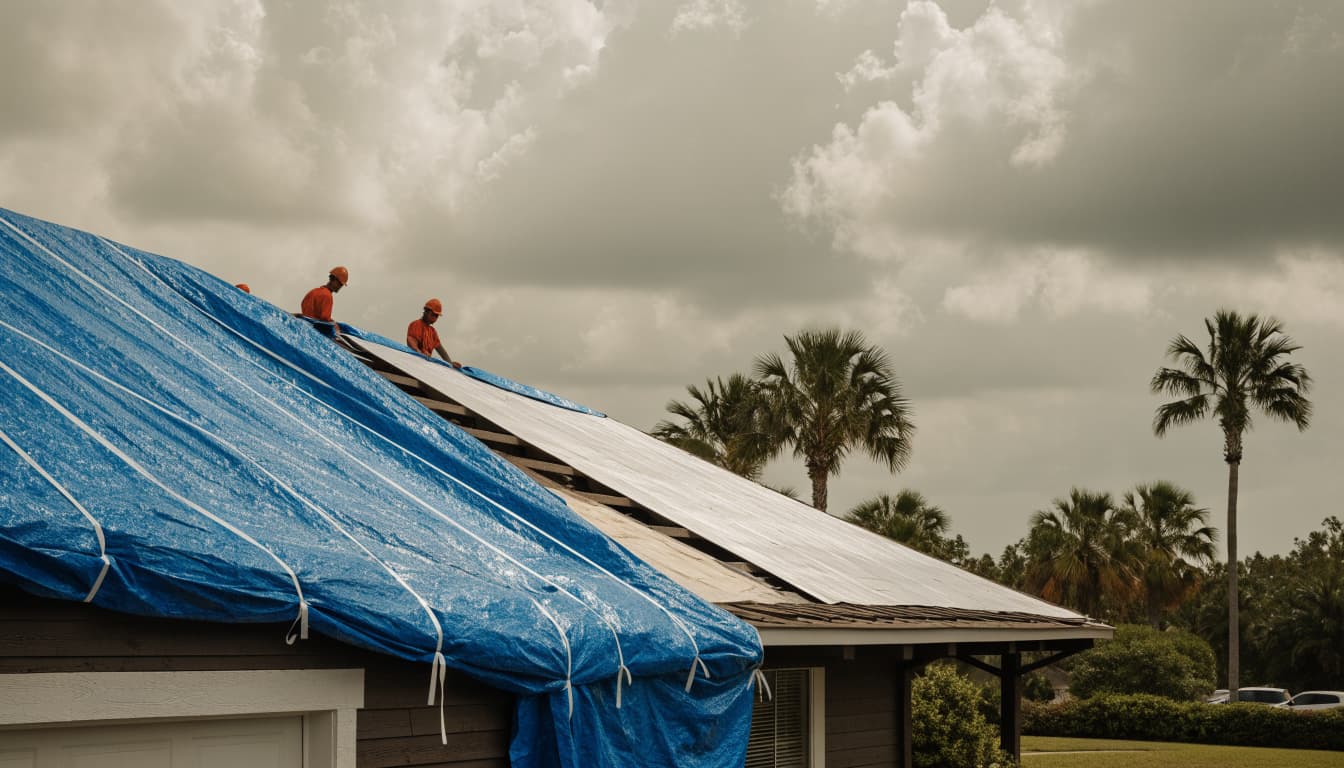
Tarps Are Temporary Protection
A professional roof tarp provides a temporary covering while permanent work remains incomplete. Its effectiveness depends on the roof's condition, the installation, and the weather it encounters.
Ask which areas need covering and who will check the protection after a storm. Don't climb onto the roof to tighten, reposition, or inspect a tarp yourself.
Cutting Edge Homes & Renovations provides emergency roof tarp installation for roofs needing interim protection. The appropriate approach still requires an assessment of the affected roof. A tarp doesn't replace permanent roofing or eliminate the possibility of water intrusion.
Clarify What "Dry-In" Means
Contractors may use "dry-in" to describe a stage involving underlayment and related water-shedding details. Ask your roofer to explain exactly what that term means for your project.
For example, confirm how the plan addresses valleys, roof-to-wall connections, vents, and other openings. These details matter because wind-driven rain can enter small gaps.
Also ask about the selected product's installation requirements and exposure limits. Don't assume all underlayments perform alike or can remain uncovered for the same period.
A "dried-in" roof needs more explanation than a label. Ask which openings are protected and which details remain unfinished.
Questions to Ask About the Crew's Weather Plan
Your Fort Myers roof replacement agreement should establish more than a start date. You also need a practical understanding of how weather changes will be handled.
Ask these questions before the crew removes roofing:
- How will you monitor weather and decide whether to begin or postpone tear-off?
- Will work be organized so exposed sections can receive appropriate protection before the crew leaves?
- What temporary protection is planned, and how will roof openings be addressed?
- Who will update me about delays, and who should I call after hours if a leak appears?
- How will you assess the roof before resuming installation after rain?
Get the answers in writing through the contract, an email, or a project message. Written details reduce confusion when the weather changes and several people are involved.
A statement such as "we'll cover it" leaves important questions unanswered. Ask what covering is planned, where it will be used, and how the contractor will respond if it doesn't keep water out.
Also agree on one primary contact . You shouldn't have to guess whether to call the estimator, crew leader, or office during a leak.
Before a forecast interruption, request an update on the roof's current condition and unfinished areas. Afterward, ask for a revised schedule once the contractor has assessed conditions. Treat that schedule as a working estimate rather than a guaranteed completion date.
Prepare Your Home Before Rain Becomes an Issue
Start by documenting the home's existing condition. Photograph ceiling stains, attic damage visible from a safe location, and any areas affected by previous leaks.
Share those photos with the contractor before installation. Otherwise, an old stain can complicate the discussion if a new leak develops.
The roof replacement preparation checklist covers existing leaks and the need to discuss temporary protection before the start date. Don't wait until tear-off day to disclose active water intrusion.
Inside the home, move valuable or moisture-sensitive belongings away from previously affected areas when practical. Keep the contractor's contact details accessible, along with your insurer's information if a claim is involved.
Ask whether anyone needs to be home during work and how the crew will report an urgent problem. If you're away, arrange for a trusted person to receive updates or provide access when authorized.
You can observe the roof from the ground, but don't enter the work area or climb a ladder for a closer look. Let the contractor inspect loose coverings or unfinished details. Report concerns promptly rather than trying to correct them yourself.
What to Do If Rainwater Enters Your Home
Contact the roofing contractor as soon as you notice water . Explain where it's entering, when it started, and whether the flow is increasing. Don't wait until the storm ends to report it.
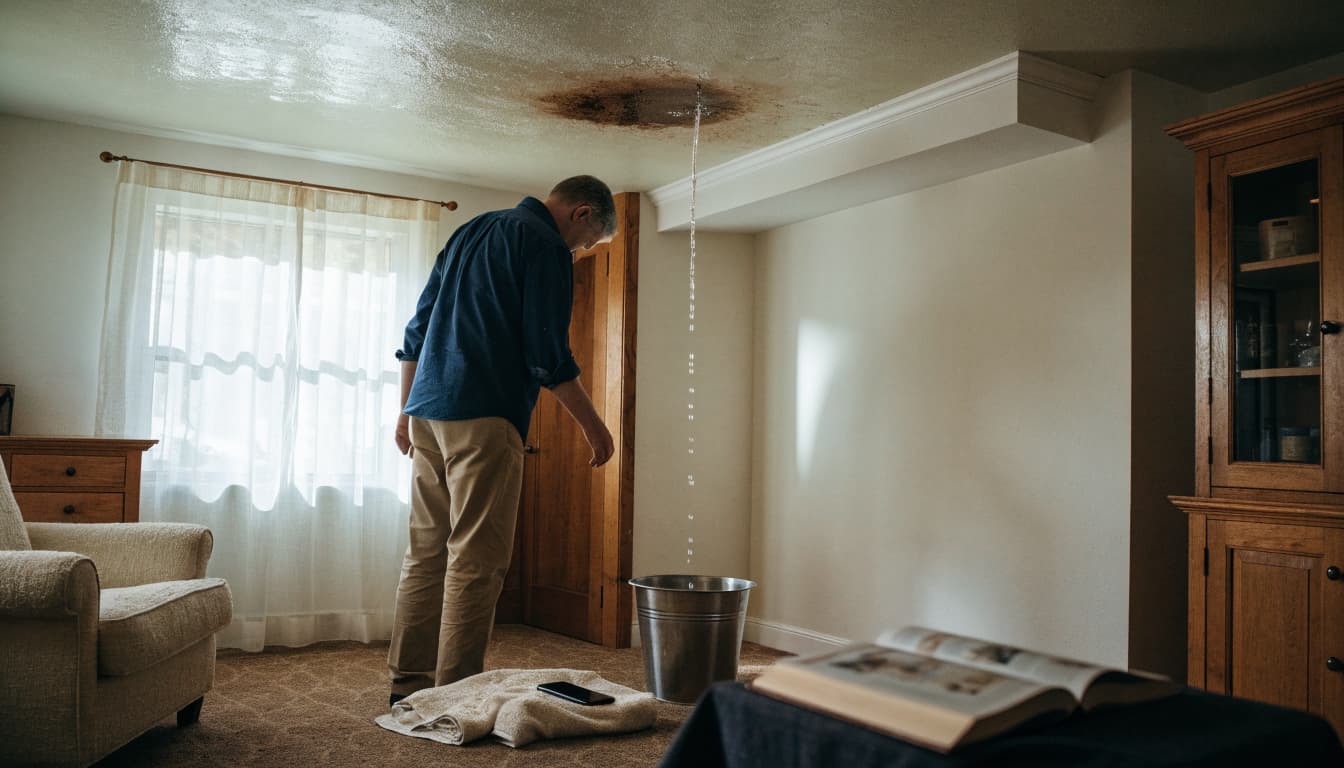
Protect People Before Belongings
Keep everyone away from sagging ceilings, bulging drywall, and water near electrical fixtures or outlets. Don't touch wet electrical equipment or stand in water near it.
If conditions suggest immediate danger, leave the affected area and contact emergency services as appropriate. Electrical hazards require a qualified professional.
For a small drip in an otherwise safe area, place a container beneath it and move nearby belongings. Avoid positioning yourself beneath damaged ceiling material.
Stay off the roof , including after the rain stops. Wet surfaces and displaced coverings remain hazardous. Don't attempt to patch the roof, adjust tarps, or poke holes in a ceiling yourself.
Document the Leak and Coordinate Help
Take photos or video from a safe position. Record the time, affected rooms, and visible damage, then send that information to the contractor.
Request an assessment of both the roof protection and the interior moisture. Stopping the visible drip doesn't establish that insulation, drywall, or other concealed materials are dry.
Ask whether water-damage restoration or an electrician is needed. Prompt drying matters, so don't delay necessary protective action while discussing responsibility.
Cutting Edge's Fort Myers roof leak repair services address residential leaks and roofing damage. During an active installation, contact your assigned project representative first so the response stays coordinated.
What Should Happen Before Installation Resumes
A clear sky doesn't answer every question about restarting work. After a rain interruption, ask the contractor what it checked and whether any corrective work is necessary.
The goal is to complete the roof according to the permitted scope and manufacturer requirements. Rushing to recover lost time shouldn't take priority over that work.
Ask About Moisture and Damaged Materials
Ask whether the contractor found wet decking, damaged underlayment, displaced protection, or water inside the attic. If a leak occurred, request an explanation of the entry point and the proposed correction.
The contractor should determine which materials need drying, repair, or replacement before covering them. Don't assume a surface that looks dry confirms everything beneath it is ready.
If interior materials became wet, coordinate their assessment separately from the roof installation. A finished roof doesn't automatically resolve hidden moisture in the house.
Confirm Installation Details and Inspections
Underlayment, flashing, ventilation, and finishing details all contribute to roof performance. Quality shingles, tile, or metal panels can't compensate for poorly completed supporting components.
Ask how weather-related corrections fit the installation instructions and required inspections. Project-specific requirements matter, especially around roof openings and connections.
Cutting Edge's roof replacement and installation services include decking work, underlayment, and flashing. Confirm which of these items your estimate covers and how any newly discovered damage will be documented.
Keep photos and written updates with the project records. They can help you understand work that will no longer be visible after completion.
Handle Delay Costs and Damage Documentation Clearly
Review the contract's weather-delay provisions before work starts. Ask whether a postponement changes payment timing and how additional protection or newly discovered damage will be priced.
If extra work is proposed, request a written description and approval process. Distinguish between repairing pre-existing deterioration and responding to water intrusion during installation.
There isn't a reliable universal price for a rain delay. Roof size, unfinished work, damage, and contract terms affect the situation, so an itemized explanation is more useful than a general estimate.
If water enters, keep dated photos, contractor messages, invoices, and records of protective actions. Contact your insurer when appropriate, but don't assume coverage or responsibility without reviewing the applicable policy and circumstances.
Likewise, don't assume that every delay indicates poor workmanship. Focus on the protection plan, the contractor's response, and the documented condition of the home.
Before closing out the project, ask how unresolved interior damage will be handled. Keep that discussion separate from confirming that the roof itself is complete.
Keep Safety and Communication First
Rain delays during a Fort Myers roof replacement are easier to manage when protection and communication are discussed before tear-off. Temporary coverings can reduce risk, but they don't guarantee that every storm will stay outside.
Your role is to stay off the roof , report water promptly, and document problems from a safe location. The contractor should assess roof protection and explain the next steps.
A responsible pause is preferable to rushing unfinished work through unsafe weather. Clear updates help you understand how your home is being protected throughout installation.