


If you're building a home in Southwest Florida, you're not just managing design choices. You're managing risk. The biggest budget and timeline swings usually come from construction change orders , especially when the plan meets real site conditions, permit comments, and long lead times.
Change orders aren't always "bad." Some are owner upgrades, and some protect the structure. The problem starts when changes happen late, pricing is unclear, and schedule impacts get ignored. The goal is simple: fewer surprises, faster decisions, and cleaner documentation.
Below is a practical, owner-focused guide to why change orders happen in SWFL, and how to reduce them without turning your build into a second job.
Why construction change orders spike in Southwest Florida
Southwest Florida builds have a few repeat pressure points. Lots vary block to block, flood rules change by zone, and wind-load details aren't optional. When any of that gets discovered after you've started, construction change orders follow.
A good way to think about it is plumbing behind a wall. If you confirm the layout early, you get a clean install. If you "figure it out later," you pay for opening the wall, moving lines, patching, and repainting.
Top causes of change orders (with SWFL-specific examples)
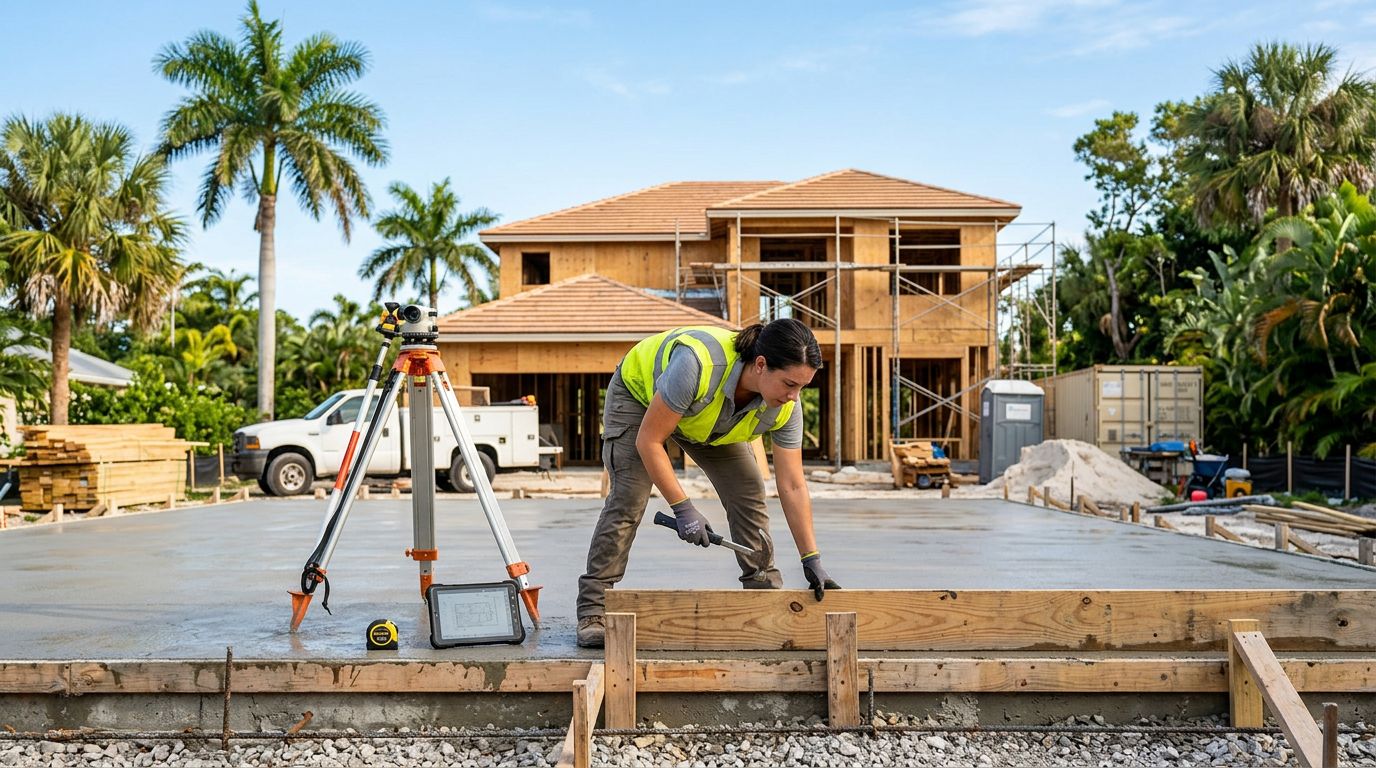
- Site and soils surprises : Unexpected muck, high groundwater, soft layers, or buried debris can force added fill, undercut, compaction work, or even foundation revisions. This shows up often in Cape Coral (especially older or previously filled lots) and inland areas with variable soil.
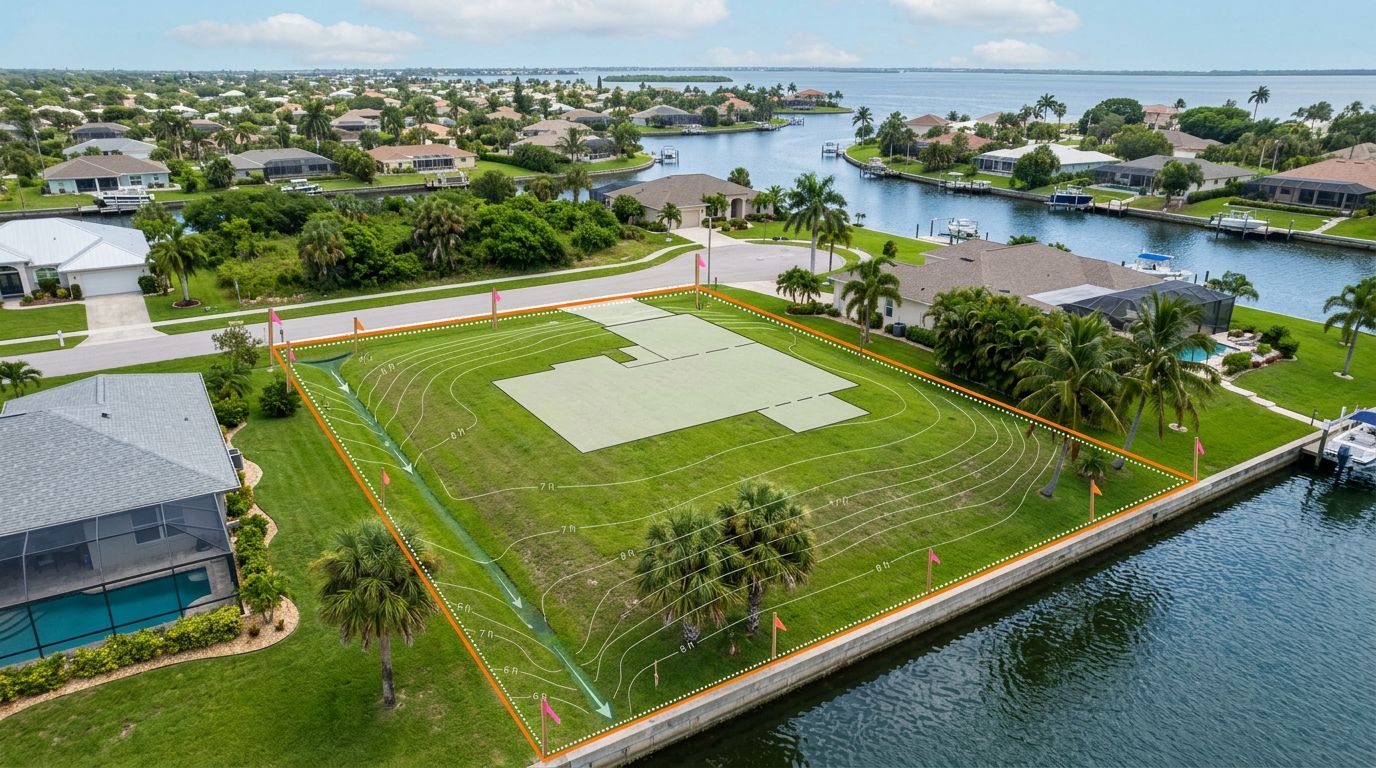
- Flood elevation and drainage revisions : Base Flood Elevation, finished floor height, stem wall height, fill quantities, and swale grading can change after survey, elevation cert needs, or floodplain review. Even a small elevation shift can ripple into driveway slope, steps, and garage transitions.
- Wind-load and structural details : Engineers may revise connectors, strap schedules, shear walls, opening protection, roof sheathing nailing patterns, or garage door ratings to meet current wind criteria. If that gets addressed late, you'll see cost and time bumps.
- Permitting comments and re-submittals : Plan review can trigger updates to energy calcs, product approvals, truss engineering, site plan notes, or drainage details. Each round adds time, and redesign can add hard costs.
- Utility and right-of-way coordination : Water and sewer taps, well and septic layouts, power runs, transformer placement, culvert/driveway permits, and meter locations can collide with site constraints. If the utility plan isn't locked early, crews may stop and restart.
- Owner selections and "soft scope" : Allowances that are too low, vague finish specs, or late layout decisions (cabinet changes, lighting plans, appliance sizes) drive rework and delay inspections.
If you're still choosing your build approach, a cost-plus home builder model can reduce conflict because it supports detailed backup and real-time decision-making. The biggest benefit comes when the builder commits to transparent pricing with clear approvals and itemized documentation. This overview helps frame what that should look like in practice: how cost-plus builder fees work and open book details.
A change order is easiest to control when it's still a decision, not an emergency.
How to prevent change orders before and during construction
Avoiding change orders isn't about being "perfect." It's about moving unknowns forward in time, when changes are cheap. Once framing starts, every late decision touches labor, inspections, and scheduling.
Preconstruction prevention checklist (before you break ground)
- Confirm the lot reality early : boundary and topo survey, setbacks, easements, and driveway constraints. Waterfront and canal lots add another layer of rules and sequencing, so it helps to review items like seawalls and setbacks up front. See: building on canal lots in Cape Coral.
- Treat soils and fill as a design input : if the lot history is unclear, budget time for geotech guidance. Don't wait until excavation to learn the ground won't support your assumptions.
- Lock flood strategy, not just "minimum code" : decide finished floor height and drainage intent with your designer and engineer. Confirm how it affects steps, driveway slope, and garage elevation.
- Finish the selection set earlier than you want to : cabinets, tile, plumbing fixtures, appliances, windows, doors, and lighting plans. Late selections cause late rough-in changes.
- Pressure-test allowances : compare allowances to real quotes you like, not entry-level placeholders you'll never choose.
- Run a permitting readiness review : verify product approvals, truss timelines, energy forms, and site plan notes before submittal.
For a broader planning path that helps reduce scope gaps, use this as a reference point: planning your dream home build in SW FL.
During-construction prevention checklist (when money is moving fast)
- Use a written change-order rule : no signed change order, no work (except true safety or weather protection).
- Hold short, scheduled decision meetings : weekly works well. Keep notes, confirm who decides, and set deadlines.
- Track a single source of truth : a change-order log with status (requested, priced, approved, pending).
- Require backup for pricing : proposals, invoices, and scope notes, especially when the change touches multiple trades.
- Address schedule impact every time : even "small" changes can push inspections and trades out of sequence.
- Stop redesign creep : if three small changes are really a redesign, pause and reprice the scope as a package.
Contract language concepts that reduce change-order pain
The best contract language doesn't "avoid" construction change orders. It controls how they happen, how they're priced, and how schedule gets updated.
Here are concepts worth discussing with your builder (and, when appropriate, your attorney):
- Clear change-order process : define who can request changes, who prices them, and who must approve them, in writing.
- Not-to-exceed option for unknowns : for items like hidden conditions or utility conflicts, allow time-and-materials pricing with a written cap, plus a requirement to notify you before hitting the cap.
- Allowances with rules : define what's included (material, tax, delivery, install), what happens if you go over, and whether builder fee applies.
- Documentation requirement : attach trade quotes, invoices, and scope notes to every change order. This supports transparent pricing and reduces arguments.
- Schedule impact language : require each change order to state added days (or confirm zero days). If time extends, define how that affects general conditions.
- Markup and fee clarity : state whether overhead/profit or a cost-plus fee applies to change orders, and whether it applies to owner-directed purchases.
- No verbal directives : tighten the "owner told me on site" problem by requiring written confirmation.
One simple way to see how change orders affect a build is to separate cost from time. Here's a plain example you can adapt.
| Change order example | Direct cost impact | Likely schedule impact |
|---|---|---|
| Raise finished floor 12 inches after flood review | Higher stem wall, more fill, steps, driveway rework | 1 to 3 weeks (engineering, re-inspection, rework) |
| Swap to larger sliders after framing | New opening size, header changes, reorder window package | 2 to 6+ weeks (lead time dependent) |
| Add a generator rough-in late | Electrical redesign, added materials, possible permit revision | Several days to 2+ weeks |
The takeaway is uncomfortable but useful: late changes often cost more in time than in dollars , especially when they touch permits, engineering, or lead times.
Brief disclaimer
This article is general information , not legal advice. Construction contracts and permitting vary by city, county, and project conditions, so review your specific agreement with a qualified Florida construction attorney before relying on contract language.
Conclusion
You won't eliminate all construction change orders in Southwest Florida, but you can control the ones that hurt. Move unknowns into preconstruction, tighten allowances and selections, and require written approvals with documented pricing and schedule impacts. When you pair that discipline with transparent pricing and a builder who documents costs clearly, the project feels predictable again.