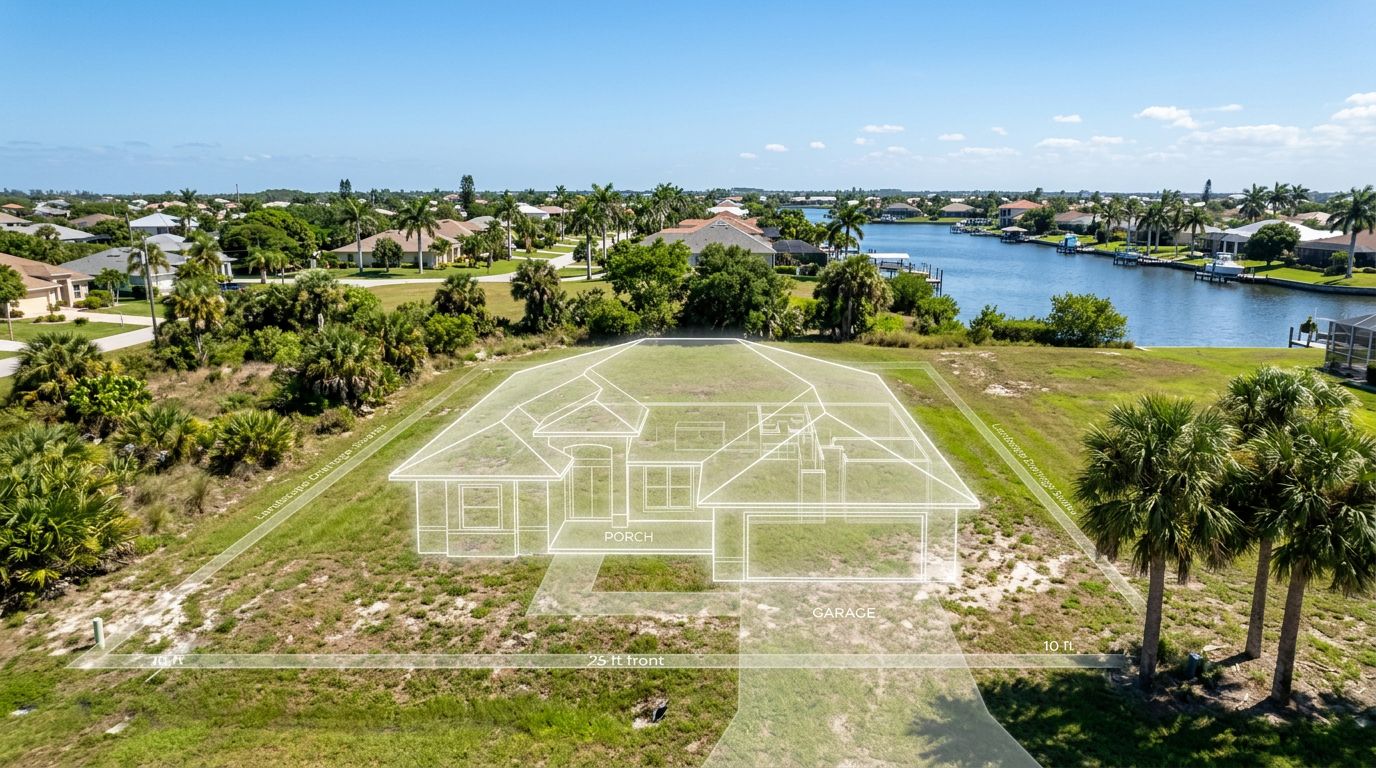
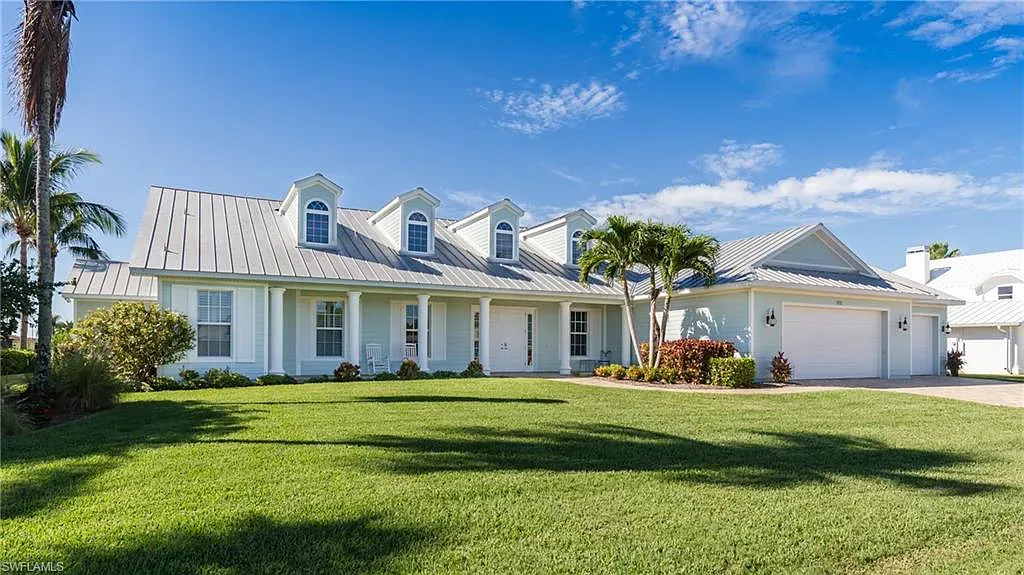



Construction changes rarely stay small once walls are up and inspections begin. In Lee County, a late plan change can turn into more than a simple correction, especially when work already started and the county needs a formal amendment or new permit.
That is where budgets drift. Fees can stack up from county review charges, resubmittals, re-inspections, and, in some cases, penalties for unpermitted work. If you are comparing bids or tracking change orders, Lee County revision permits deserve the same attention as lumber and labor.
Key Takeaways
- Once construction starts, Lee County may treat a change as an amendment or new permit, not a basic plan revision.
- Current fee items can include a $775 amendment fee, a $350 amendment resubmittal, and $50 re-inspection charges.
- The final bill depends on scope, trade, valuation, inspections, and whether any work was done before approval.
- Clear drawings, early coordination, and transparent pricing help keep surprise costs smaller.
- A cost-plus home builder can make revision charges easier to track because fees stay visible line by line.
What counts as a revision after construction starts
A revision after construction starts is any change that affects the approved permit set after field work begins. That can mean moving plumbing lines, changing electrical circuits, shifting wall locations, revising roof details, or altering structural notes.
Small changes can look harmless on paper, but they often touch more than one trade. A kitchen island move may affect electrical, plumbing, cabinet layout, and inspection sequencing. A framing change can bring in structural review and new engineering documents.
The county also looks at timing. A change submitted before work starts is usually easier to process than a change discovered after framing, rough-in, or finish work is already in place. Once the job moves ahead, the county wants the approved drawings to match the actual site conditions.
A field change becomes a paperwork issue fast, and paperwork issues tend to become schedule issues next.
That is why people planning Lee County revision permits should treat any change after the start date as a cost item, not a minor admin task.
How Lee County fees change once work is underway
Lee County's current fee structure draws a clear line between pre-issuance revisions and post-start changes. During plan review, a residential revision can be a flat fee. After work begins, the county may require a development order amendment, a new permit application, or additional review steps.
For a broader look at how permit charges stack up in new construction, 2026 Southwest Florida building permit fees helps put the revision line items in context.
| Situation | County response | Likely cost impact |
|---|---|---|
| Change submitted before permit issuance | Residential plan revision during review | About $50 per revision cycle |
| Change submitted after construction starts, but properly documented | Amendment or new permit application | $775 amendment fee, plus resubmittal and review charges |
| Work completed without the right approval | After-the-fact permit or violation review | 3 to 5 times the original building permit fee, plus possible double review and inspection fees |
The table shows the big picture. A late change is rarely just one fee. It can become a stack of charges, especially if the county has to re-check drawings, re-run inspections, or process the job as a correction rather than a routine update.
The 2026 fee update that took effect on April 15 also did not grandfather projects already in motion. That means older applications and current jobs can run into both old and new charges depending on timing.
What drives the final cost up or down
The biggest cost driver is scope. A cosmetic change, such as a cabinet layout swap, usually costs less than a structural shift or a trade change that affects inspection logic. Once you move a wall, reroute plumbing, or change roof framing, the county often needs a deeper review.
Trade count matters too. A revision touching one trade is usually easier to handle than a change that affects structure, plumbing, electrical, and mechanical work at the same time. More trades mean more drawings, more review time, and more chances for a correction cycle.
Valuation also plays a role. If the change increases project value, fees tied to review or permit categories may rise with it. That is why a small field change can still produce a larger bill than expected.
Inspection timing matters just as much. If the approved plan no longer matches the site, the inspector may fail the visit and require a return trip. That can add direct fees and delay every trade behind it. For a remodel-specific look at permit steps, Cape Coral residential remodeling permit process shows how quickly permit changes can slow a job down.
How the workflow changes when the plans change
Once the change is identified, the paper trail has to catch up. In Lee County, contractors typically work through the portal system, while homeowners may use paper filings for certain applications. Revised plans usually move through eConnect and ePlan, then wait for county comments before the next approval.
A simple way to think about it is this:
- Document the field change with revised drawings or a clear sketch.
- Confirm whether the change needs a revision, an amendment, or a new permit application.
- Submit the new documents through the correct county channel.
- Hold the related trade work until the approved version matches the site.
That pause matters. Every correction cycle can add days, and more complex jobs often move through several rounds of review before approval. Once the county comments come back, the revised set has to match the original permit record closely enough to pass.
If the work gets ahead of the paperwork, the job becomes harder to close out. The county can require additional inspection follow-up, and the plan set may need another round of coordination before final sign-off.
Inspection delays, re-inspections, and missed milestones
Inspection problems are where revision costs become real. If the inspector arrives and the site is not ready, or the work does not match the approved plans, Lee County can charge a re-inspection fee. The current fee schedule lists that charge at $50 in certain cases.
A failed inspection usually costs more than the fee itself. It can block drywall, cabinet install, flooring, paint, or trim until the problem is fixed and the revisit is cleared. That delay can ripple through the rest of the build.
Permit timing matters here too. Lee County expects required inspections to be completed within 180 days of permit issuance. If the permit is about to expire, you may need to request an extension before that date. If it already expired, reopening the permit can take more time and paperwork.
A few common inspection problems include:
- work that does not match the stamped drawings
- trade work finished before the related approval
- missing or incomplete corrections from the last visit
- incorrect address or jobsite details
- changes that were never routed back through the county
One missed inspection can slow the next three. That is why the cheapest revision is usually the one caught before rough-in gets buried or finish work starts.
Ways to keep revision costs under control
The easiest savings come early. If the design is still flexible, lock in major choices before framing starts. Wall locations, plumbing fixtures, electrical layouts, and roof details are harder to change once the job is moving.
It also helps to keep every change in writing. A field note, revised sketch, or updated plan sheet gives the builder, designer, and county the same version of the work. That reduces back-and-forth and lowers the chance of paying for the same issue twice.
If you are working with a cost-plus home builder , ask for transparent pricing on every revision. You should be able to see the county fee, the trade labor, the design cost, and the builder fee separately. That keeps a change order from turning into a mystery bill.
Budgeting matters just as much. Permits, revisions, and inspection follow-ups belong in the same soft-cost bucket as design and engineering. A broader custom home budget should already have room for that. For a deeper cost view, custom home construction budget breakdown 2026 is a useful reference point.
The practical rule is simple. The earlier a change is caught, the cheaper it is to fix. The later it shows up, the more likely it is to trigger county review, inspection delays, and extra fees.
Conclusion
A plan change after construction starts is never just a note on paper. In Lee County, it can trigger amendment fees, resubmittals, re-inspections, and, in some cases, steep penalties if work moved ahead without the right approval.
The safest approach is to treat every late change as a budget item and a schedule item. When the drawings, permits, and field work stay aligned, Lee County revision permits stay manageable, and the project stays easier to close out.