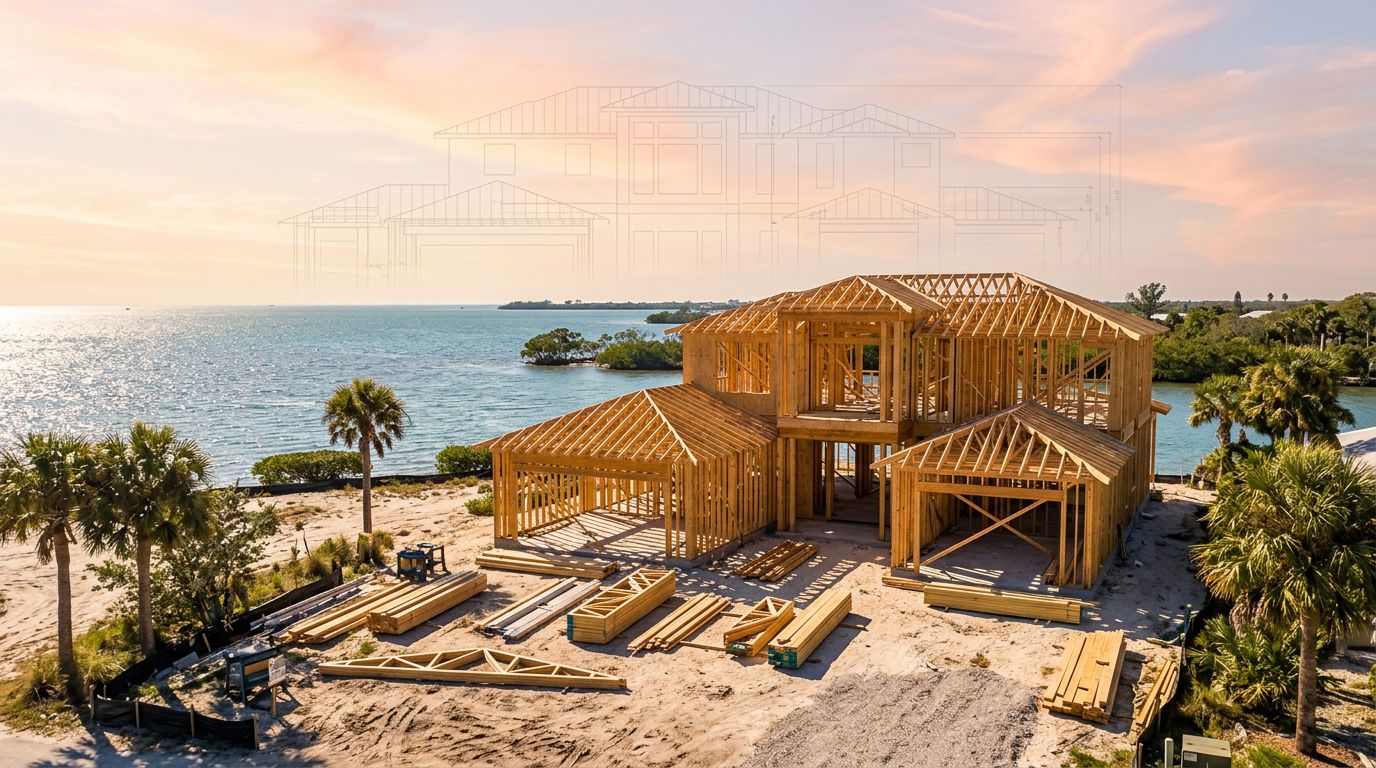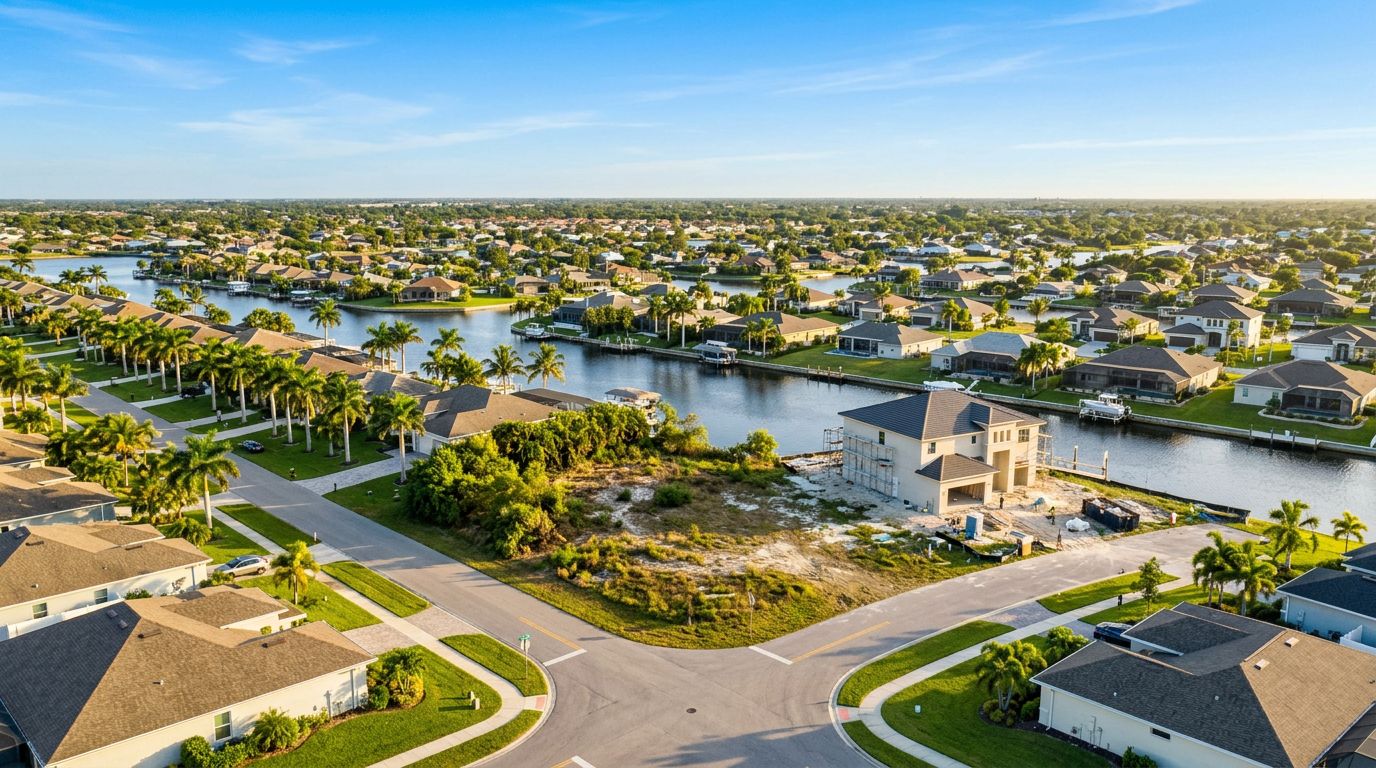
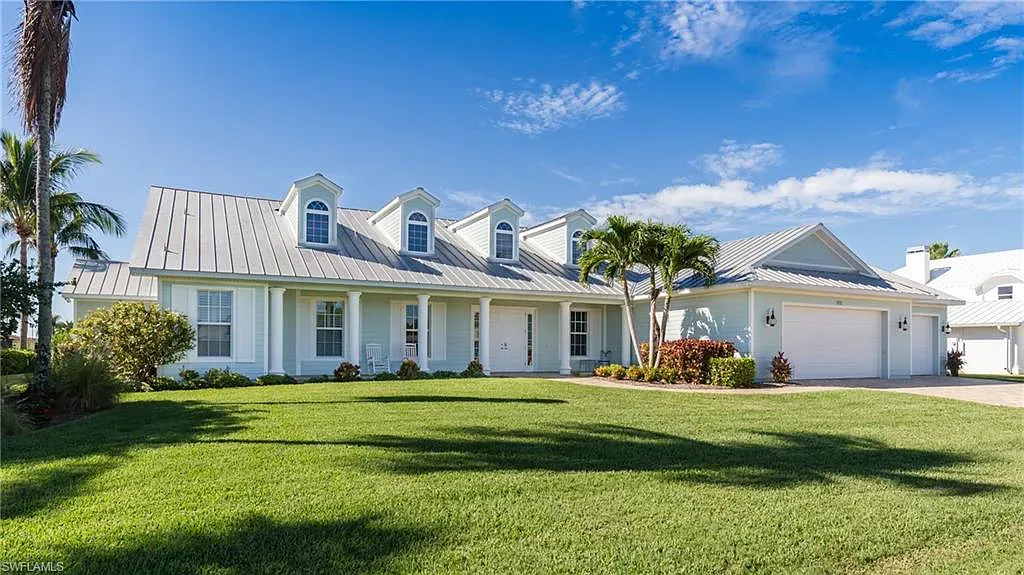



If you’re building in Cape Coral, Fort Myers, Naples, Punta Gorda, or Sarasota, you’re not just choosing a floor plan. You’re choosing how your home will behave when the weather turns serious.
Southwest Florida building codes can feel like a wall of rules, but they’re really a set of practical decisions that shape your design, your budget, and your permit timeline. Roof lines, window sizes, garage doors, elevation, drainage, and even where your AC sits all connect back to hurricane wind and flood requirements.
Below is a homeowner-friendly guide to what these codes mean for new home design, plus a few design examples you can discuss with your architect, engineer, and builder.
How Florida and local codes apply in Southwest Florida hurricane zones
Florida is a statewide code state, which means your new home is built under the Florida Building Code (FBC), with local enforcement and, in some cases, local amendments. As of February 2026, the statewide standard in use is the Florida Building Code 8th Edition (2023), effective since late 2023. You can look up the code text and referenced standards on the official Florida Building Code Online portal , and see state guidance through DBPR’s building code and standards page.
Here’s the big idea: hurricane-zone requirements aren’t one single “hurricane code.” They show up across several parts of the rules, including:
- Wind design (how the structure resists uplift and sideways pressure)
- Wind-borne debris protection (impact-rated openings or shutters in the Wind-Borne Debris Region)
- Floodplain rules (elevation, foundations, and flood-resistant materials if you’re in a mapped flood zone)
- Product approvals and installation details (windows, doors, roofing assemblies, connectors)
Southwest Florida is typically in the Wind-Borne Debris Region, but not in Florida’s High-Velocity Hurricane Zone (HVHZ), which is limited to Miami-Dade and Broward. That still means serious wind design, and the exact wind speed and exposure category depend on your address, distance to open water, and the map used for the current code cycle.
From a design standpoint, think of code as a “minimum performance target.” You and your design team can go beyond it, but you can’t design around it.
Wind design basics that change your roof, windows, and layout
Wind doesn’t fail homes in one dramatic moment, it works like a pry bar. It looks for a weak link, then it keeps pulling. In hurricane country, good design is about continuity, what building pros call a continuous load path, from roof to foundation.
Design example: hip roof vs. gable roof
A hip roof (slopes on all sides) often behaves better in high wind because it presents fewer large, flat end walls for wind pressure. A gable roof can still be built to perform, but it may need more attention to bracing, connections, and details at the gable end.
Design example: big openings and the “pressure problem”
Open-concept living is popular here, but wide sliders and tall glass walls increase the stakes. In the Wind-Borne Debris Region, your design usually needs impact-rated glass or a tested shutter system for glazed openings. If a large opening fails, internal pressure can rise fast, which increases uplift at the roof.
Roof-to-wall connections and water backup plans
A strong roof covering matters, but the connections underneath matter just as much: trusses, clips, straps, and the way the roof deck is attached. Many assemblies also rely on secondary water barriers and careful flashing, because wind-driven rain finds tiny gaps.
A practical next step for homeowners is learning what inspectors look for in storm-resistance features, even on new builds, since the same concepts affect insurance documentation later. See what a wind mitigation inspection covers in Cape Coral.
Here are a few common design choices and what they usually affect:
| Design choice | Why it helps in hurricanes | What you’ll balance |
|---|---|---|
| Hip roof lines | Often reduces peak wind pressure on end walls | May affect attic space and framing complexity |
| Impact-rated windows/doors | Protects openings from debris and pressure changes | Higher upfront cost, fewer “budget window” options |
| Shorter overhangs with strong details | Lowers uplift risk at eaves | Changes the home’s look and shade strategy |
| Reinforced garage door system | Garage failures can cascade into roof issues | May limit door styles and require specific hardware |
Your architect and engineer will size these requirements to your site conditions, and your builder will need to follow tested assemblies and installation instructions. That’s where plan review and inspections get picky, for good reason.
Flood zones, elevation, and foundation choices that shape the whole design
Flood rules can feel frustrating because they affect everything: stairs, garage height, porch design, driveway slopes, and sometimes even where you can put bedrooms. But the flood side of southwest florida building codes is often the difference between a wet ground floor and a home that dries out quickly.
First, confirm whether your property is in a FEMA-mapped flood zone (and which one). Counties often publish floodplain guidance and links to mapping updates. Lee County, for example, tracks flood map revision activity, including 2026 proposed flood map revisions.
Design example: elevated slab vs. stem wall vs. open foundation
- Monolithic slab-on-grade (at higher fill) can work well outside higher-risk flood zones, but raising the pad can trigger drainage and grading challenges and may affect setbacks.
- Stem wall with compacted fill can help you raise finished floor elevation while creating a defined structural edge. It often pairs well with site drainage planning.
- Open foundations (pilings or piers) are common in coastal high-hazard areas. They’re meant to let water pass under the structure, reducing lateral pressure on walls.
In mapped flood hazard areas, communities commonly require the lowest finished floor to be elevated above the Base Flood Elevation, often with added freeboard. Collier County’s floodplain guidance explains local expectations and terminology on building within the floodplain. Your local requirement can vary by jurisdiction and even by subdivision.
Flood design also affects the “hidden” systems:
- placing mechanicals, electrical panels, and ductwork above flood levels (or protecting them correctly),
- using flood-damage-resistant materials where required,
- planning entry stairs, landings, and accessible routes early so they don’t look like an afterthought.
If wind is about holding the house together, flood is about choosing what can get wet, what must stay dry, and how the water is allowed to move.
Permits, plan review, and budgeting without nasty surprises
A strong design still needs a smooth permit path. Each county and city has its own submittal checklist, review comments, and inspection sequence. Looking at your jurisdiction’s published requirements early can prevent redesigns midstream. For example, Lee County spells out documentation expectations in its residential permit application requirements.
A few homeowner takeaways that save time:
- Finalize the site plan early (driveway, drainage, setbacks, elevation intent).
- Choose windows, doors, and roofing systems that have the right approvals for Florida use, then keep the paperwork organized.
- Treat “nice-to-have” structural changes as big decisions, because they can restart engineering and plan review.
On the money side, hurricane-zone code items are real line items, not vague allowances. That’s where working with a cost-plus home builder can be helpful, because you can see actual costs as assemblies and product choices get locked in. When a builder offers transparent pricing , you’re better able to compare options like impact glass vs. shutters, hip vs. gable framing, or an elevated foundation vs. more fill and grading.
If you want a feel for how planning and permits can affect scope and sequencing, the same fundamentals show up in remodeling too, see this guide to plan a successful home remodel in Cape Coral.
Brief disclaimer: This article is for general education only, not legal, engineering, or floodplain advice. Always confirm requirements with your local building department, and work with a licensed Florida design professional for site-specific wind and flood design.
Conclusion
Building in a hurricane zone doesn’t mean you’re boxed in, it means your design has to earn its place. When you understand southwest florida building codes , you can make smarter choices early, avoid permit churn, and design a home that performs when wind and water show up. Bring these examples to your designer and builder, then ask for options and documentation, not guesses. Your future self, and your roof, will thank you.