Stone-Coated Steel Roof Repair After Fort Myers Wind Damage
Explore Our Services
Contact Us Today!
(239) 322-9295
A roof can look intact from the driveway while one lifted panel lets the next rainstorm reach the layers beneath it. If strong winds have passed through your Fort Myers neighborhood, small changes at seams and roof edges deserve attention.
Stone-coated steel roof repair starts with a safe assessment, not a quick attempt to press a panel back into place. The right fix depends on the panel, its fastening system, and what happened underneath the visible damage.
Warning signs of wind damage on stone-coated steel roofing
Stone-coated steel panels often have a tile or shingle profile, so a shifted section may blend into the roof. Start with what you can see from the ground or an upstairs window. Stay off the roof, even if the damaged area looks easy to reach.
Look for changes in the roofline
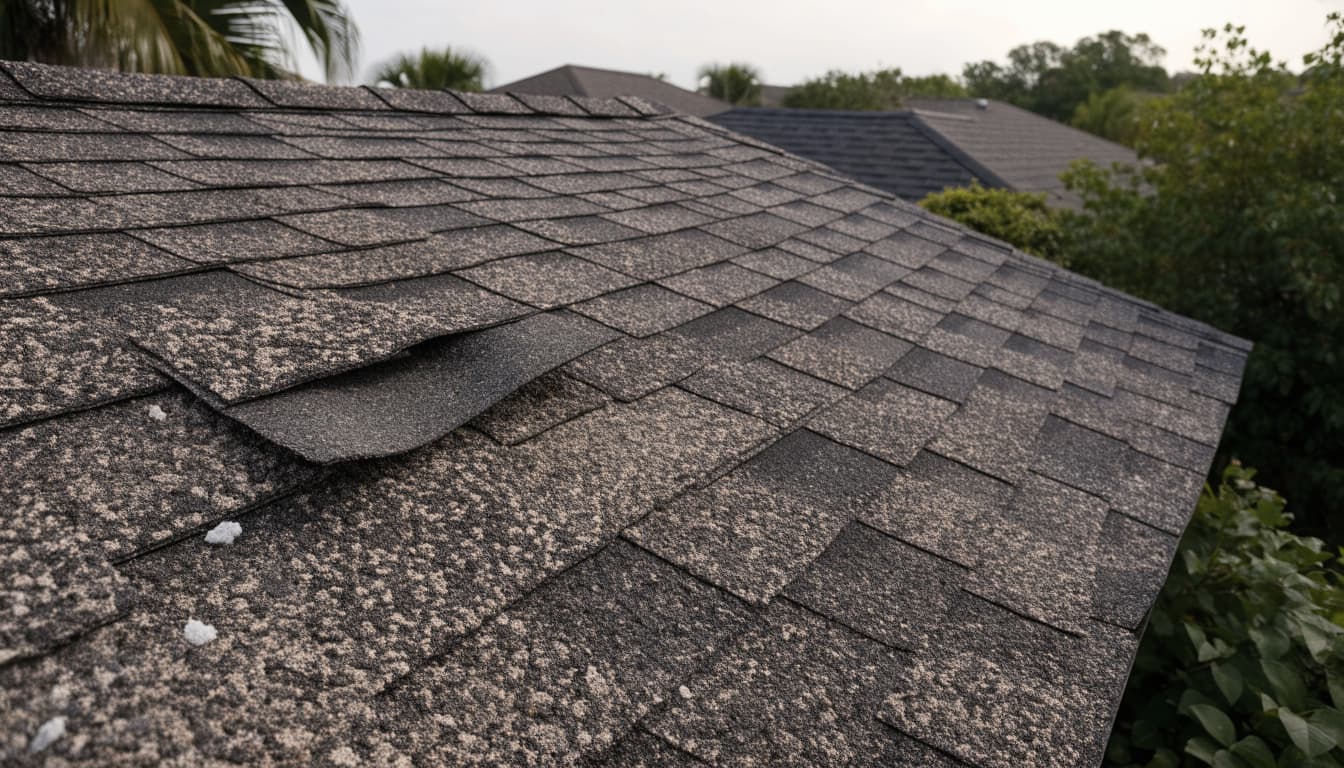
Compare adjacent rows. A raised edge, uneven overlap, missing panel, or section that no longer follows the roofline needs closer inspection. Check ridges, hips, eaves, and corners from a safe vantage point, since those areas may show movement after strong winds.
Also look for displaced flashing around vents, chimneys, and roof-to-wall joints. Metal debris on the lawn might belong to the roof, but don't assume you can identify the damaged location from a fallen piece alone.
Check inside after the next rain
New ceiling stains, damp insulation, bubbling paint, or water near an exterior wall can point to a roof opening. The stain may appear some distance from the damaged panel because water can travel along framing.
Granules in a gutter or on the ground warrant a look, too. Surface chip loss and a panel that has blown loose are different problems, so the repair should address the condition actually found.
Protect the house without creating another hazard
If water is entering, focus on people and the interior first. A temporary measure can buy time for inspection, but it won't restore the roof's fastening or weather resistance.
Handle active leaks from indoors
Move furniture and belongings away from drips when it's safe. Place a container under a leak and photograph the water path before cleaning up. Keep clear of wet electrical fixtures, sagging ceilings, and any attic area where wiring may be exposed to water.
Wait until the weather has cleared before walking around the property. Avoid fallen wires and loose roof debris. Don't climb a ladder to lay a tarp, fasten plastic over a panel, or test whether a lifted edge will move.
Leave roof coverings to a professional
A roof tarp must cover the opening without causing more damage to surrounding panels. Its placement and attachment depend on the roof shape and the condition of the surface beneath it. Cutting Edge Homes & Renovations offers emergency roof tarp services in Fort Myers when temporary protection is needed.
A tarp can limit water entry while repairs are arranged, but it cannot tell you whether the panel's fasteners, underlayment, or decking remain sound.
Document damage before it changes
Storm cleanup moves quickly. Photos taken early help a roofer locate concerns and compare conditions before and after temporary protection.
From the ground, photograph each roof slope you can see, then take wider shots showing where a lifted or missing panel sits. Record fallen material beside the house, interior stains, and any temporary covering. Note the date you first noticed each issue. Don't delay necessary protection to get a better photograph.
Save the product name and installation paperwork if you have them. They help the contractor identify the panel profile and check whether compatible replacement material is available. An invoice, warranty document, or photos from the original installation may be useful.
A professional roof inspection in Fort Myers can identify conditions you can't confirm from below. Ask for an assessment that separates visible panel damage from concerns about fasteners, flashing, underlayment, and decking. If you contact an insurer or manufacturer, follow its documentation instructions rather than assuming the contractor's photos meet every requirement.
How stone-coated steel roof repair works at the panel
These roofs are installed as systems. Panel shape, overlaps, fastening locations, and accessories vary by manufacturer and product line. A contractor should identify the existing system before deciding how to open and restore a damaged area.
Decide whether a panel can stay
A panel that has shifted may need removal so the roofer can inspect its edges and attachment points. A severely bent, torn, or missing panel generally calls for a compatible replacement rather than an improvised patch. The roofer should also check whether neighboring panels were distorted when the damaged section moved.
Minor coating damage is a separate decision. DECRA's homeowner manual says chip loss under 10 inches in diameter per panel can be addressed with its touch-up kit; it suggests material replacement for larger damaged areas. That guidance belongs to DECRA products and doesn't mean every patch of exposed coating came from wind.
Check beneath the visible opening
After a panel moves, rain may reach underlayment or exposed decking. The roofer needs to determine whether those materials are dry, intact, and suitable for the planned repair. A new panel alone won't correct a damaged water barrier or a leak at nearby flashing.
For storm-damaged roof repairs in Southwest Florida, ask the contractor to describe the affected area and the work proposed beneath it. Photos of the opened roof can make the findings easier to understand.
Fasteners and seams need their own inspection
A panel may look undamaged while its connection to the roof has failed. That distinction matters when deciding whether to reuse material or replace it.
Find out why the edge lifted
The contractor should check for missing, backed-out, corroded, or damaged fasteners, along with damage around their attachment points. The surrounding substrate matters: a sound fastener can't hold properly if the material receiving it is compromised.
Correcting the attachment requires the fastening details for the identified roofing system and the conditions found on site. Adding visible screws wherever a panel lifts may puncture a water-shedding area or interfere with its overlap.
Restore the whole affected joint
Adjacent panels, trim, and flashing should sit as intended once the repair is complete. Sealant alone isn't a substitute for a secure mechanical connection. Likewise, flattening a bent edge may leave a poor fit even if it looks acceptable from the yard.
Ask the roofer to explain how the repaired section will shed water and how they'll check nearby panels for movement. The scope should name the problem being fixed, not simply promise to "seal the leak."
When panel replacement becomes a larger roofing project
A few damaged panels don't automatically mean the entire roof needs replacing. The decision changes when damage extends across several slopes, replacement panels can't be matched, or opening one area reveals broader problems below.
Compare the extent of damage
Ask which panels can remain and which cannot, with photos supporting the recommendation. A mismatch in profile can affect fit, so a similar-looking steel panel isn't necessarily interchangeable. The contractor should also assess flashing, underlayment, and decking before limiting the scope to what is visible from outside.
If leaks have appeared in multiple places, request a clear explanation of whether they share one cause. Separate failures at roof penetrations may require separate repairs.
Clarify the proposed scope
A written proposal should distinguish panel replacement from work on the water barrier or deck. It should identify the product to be used and explain how the repaired area will tie into the existing roof. When the recommendation expands to a re-roof, the Fort Myers roof replacement checklist covers planning questions to settle before work begins.
Don't choose between repair and replacement on appearance alone. The useful comparison is whether each option can address the documented damage and leave a sound roof system.
Choose a qualified contractor and confirm the paperwork
Roof work after a storm can involve urgent protection followed by a more detailed repair. A qualified roofing contractor should be able to explain that sequence without asking you to accept a final scope before inspecting the roof.
Ask about the roof system and the inspection
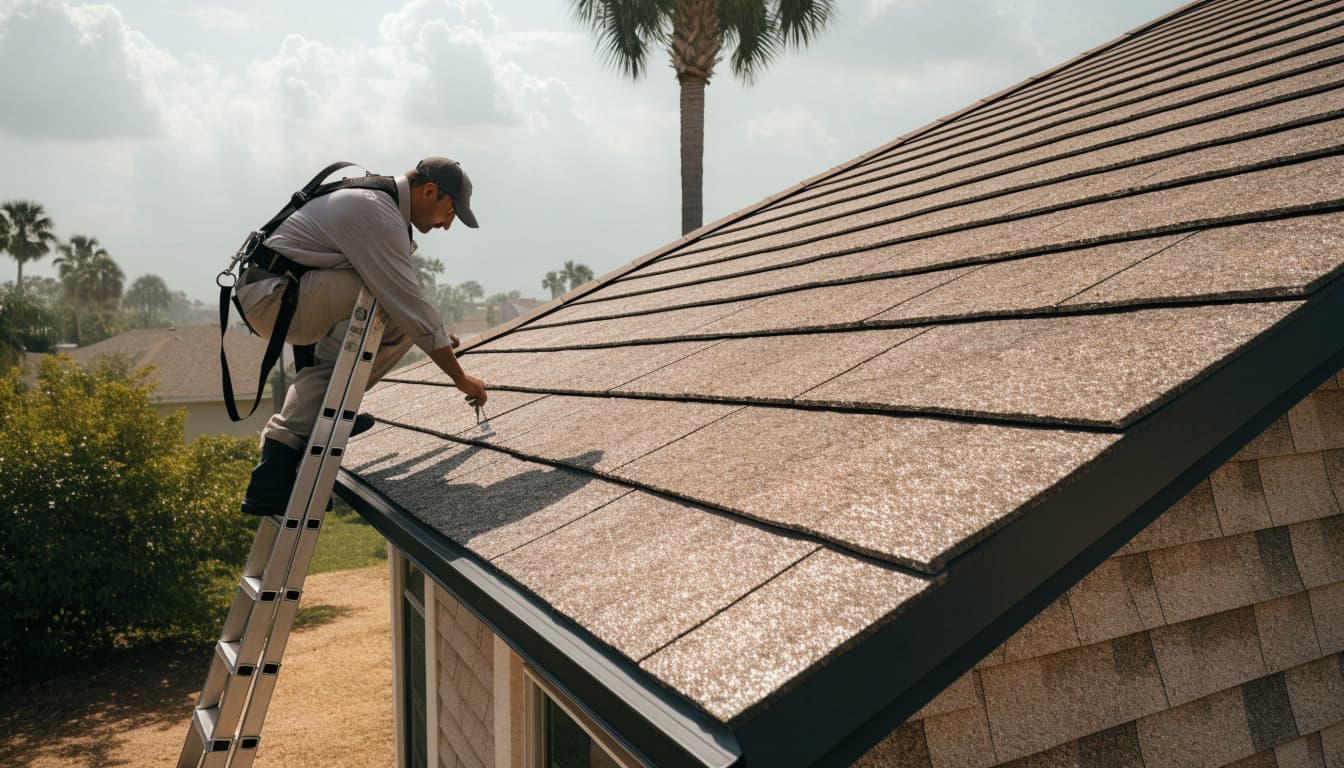
Provide any product records you have, then ask how the contractor will identify the panel and assess hidden damage. Confirm the contractor's Florida roofing license and request a written scope. Cutting Edge Homes & Renovations lists roofing contractor license CCC1331068 .
The scope should make clear what happens if opening the roof reveals damaged decking or underlayment. Ask who will document those findings and discuss changes with you before additional work proceeds.
Check permits and product terms for your project
Permit questions depend on the work and the building authority with jurisdiction. Lee County's roof permitting guide calls for roofing product approval numbers and a Roof Inspection Affidavit for re-roof permits on one- and two-family homes. It doesn't establish that every isolated panel repair needs a re-roof permit. Have the contractor confirm the requirements for your property, including whether it falls under county or City of Fort Myers jurisdiction.
If your roof is a DECRA or Tilcor system, check the warranty issued for that installation. Their published warranty documents call for claims within 30 days of discovering a potential covered problem. Terms and remedies differ, and neither a product warranty nor an insurance policy should be assumed to cover a particular wind event.
Key Takeaways
- Inspect from the ground and indoors; leave roof access and temporary coverings to qualified professionals.
- Photograph damage early, including roof slopes, fallen material, leaks, and the date you discovered each issue.
- A lasting repair may need work on panels, fasteners, flashing, or the materials underneath.
- Request a product-specific repair scope before agreeing to scattered screws, sealant, or a full replacement.
Frequently Asked Questions
Can a lifted stone-coated steel panel be put back in place?
Possibly, but its appearance doesn't prove it can be reused. A roofer must check whether the panel, overlap, attachment points, and supporting material remain sound. If an edge is bent or the panel no longer fits securely, replacement may be the better repair.
Should I tarp a damaged steel roof myself?
Stay off the roof. Steel panels can be damaged by foot traffic, and a post-storm roof may have hidden weak areas. If rain is entering, protect the interior where it's safe and arrange professional temporary coverage.
Does granule loss mean I need a new roof?
Not by itself. A contractor should identify the product, measure the affected area, and check for other damage. DECRA, for example, gives different guidance for limited chip loss and larger damaged areas. Its guidance shouldn't be applied automatically to another manufacturer's panels.
Conclusion
The first lifted panel may be the easiest damage to spot, but the connection and layers beneath it determine the repair. Protect the interior, document what you can see safely, and have a qualified roofer inspect the full affected area.
A clear, product-specific scope gives you a sound basis for deciding whether Fort Myers wind damage calls for a panel repair or more extensive work.