

A power surge feels like a small risk until it takes out a fridge, AC board, or smart thermostat. In Southwest Florida, that risk is part of the home-building conversation, especially if you want fewer surprises after closing.
The good news is that the whole-house surge protector cost is usually modest in a new build. The bigger issue is knowing what a fair installed price looks like, and why one quote can land a few hundred dollars above another.
What new-home buyers are paying in 2026
For most Southwest Florida new homes, the installed price usually lands between $400 and $1,000 . That range includes the device and a professional installation when the panel setup is straightforward.
Here's a simple way to think about it:
| New-home scenario | Typical installed cost | What usually affects the price |
|---|---|---|
| Basic install during construction | $400 to $700 | Easy panel access, no extra panel work, permit already in motion |
| Typical Southwest Florida new home | $550 to $900 | Quality Type 2 device, labor, permit, testing |
| More complex install | $900 to $1,300+ | Subpanels, limited breaker space, panel upgrades, extra labor |
| Retrofit after move-in | $650 to $1,100 | Service call, tighter access, finished home, possible extra work |
The lower end usually shows up when the electrician is already on site and the main panel is open. The higher end appears when the panel needs changes, the home has more than one electrical panel, or the installer has to do extra work around the existing equipment.
If your home also has a pool package, detached garage, or generator prep, the electrical scope can grow fast. That doesn't mean the surge device becomes expensive by itself. It means the surrounding work starts to matter.
What a fair quote should include
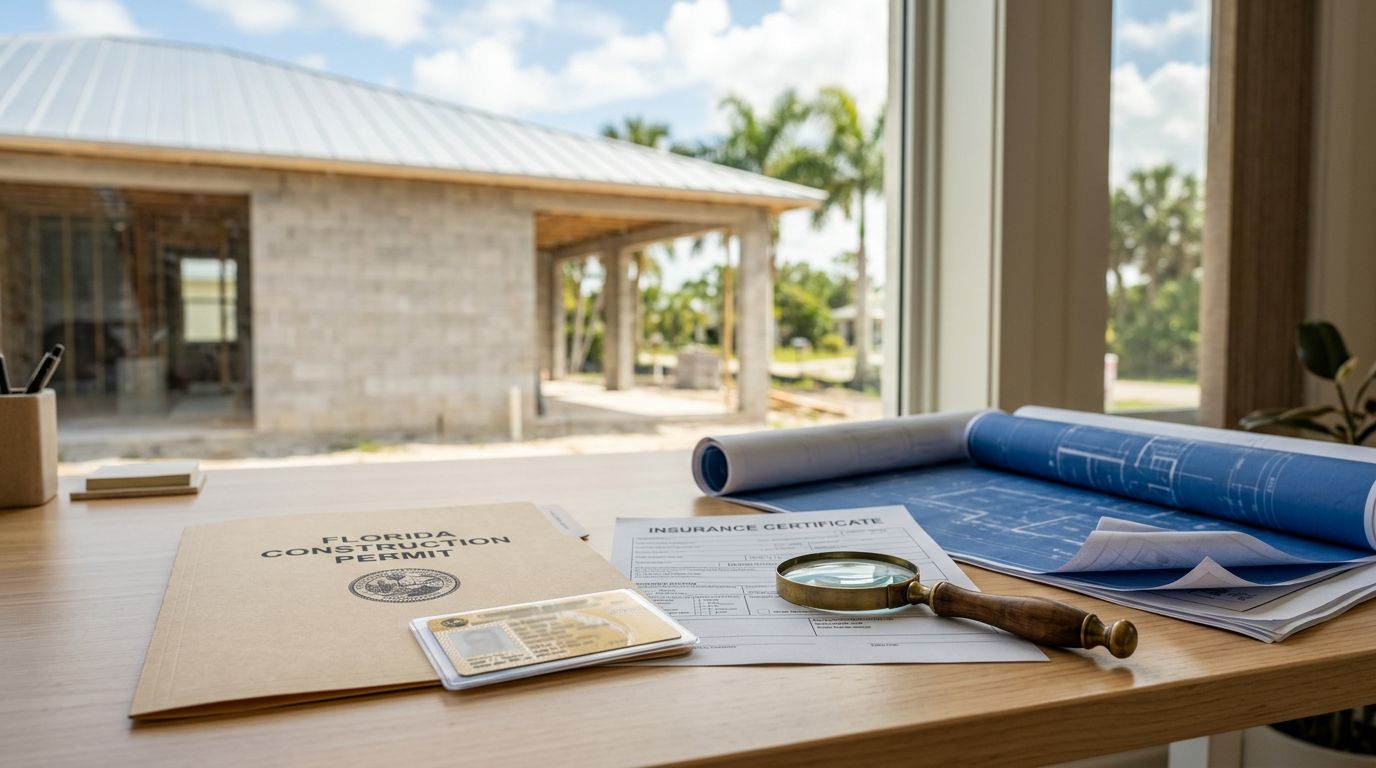
A clean quote should spell out four things. First, the surge protection device itself. Second, the electrician's labor. Third, the permit and inspection work, if needed. Fourth, testing and labeling so the panel is marked correctly.
That matters even more if you're building with a cost-plus home builder, because the value of that setup is visibility. You should be able to see the actual material cost, labor, and contractor fee, instead of one lump number that hides the details.
A quote may look cheap if it leaves out one of those pieces. For example, a number that excludes permit fees or adds the device but not the install can look better on paper than it really is.
A low quote only helps if it covers the right device, the permit, and the labor to install it correctly.
If you're comparing contract language now, Florida new construction contract essentials for 2026 is a useful reference point. It helps you see where an electrical item should sit in the budget, and how it should be written into the agreement.
Why Southwest Florida prices move up or down
Southwest Florida is not a one-price-fits-all market. A home in Lee County can end up with a different electrical scope than a similar home in Collier County or another nearby municipality. Permitting, inspections, utility coordination, and local plan review can all affect the final number.
The main cost drivers are usually simple:
- Panel space : If the electrical panel has room, the install is easier. If not, costs rise.
- Subpanels : A home with more than one panel may need more than one device or a different setup.
- Panel condition : If the panel needs upgrades, the surge work often becomes part of a bigger electrical job.
- Labor access : New construction is easier than retrofitting a finished home, but job site conditions still matter.
- Scope creep : Extra requests, like generator prep or additional circuit changes, can pull the price upward.
Code and inspection requirements also vary. Some builders include surge protection as a standard item now because newer electrical codes push in that direction. Still, local adoption and the exact panel design matter, so your electrician should confirm what applies to your home before you sign off.
Insurance questions deserve the same caution. Some carriers may like the added protection, but a surge protector is not a guarantee of a discount.
If you want the broader picture of where this item fits in a new-home budget, 2026 custom home costs in Southwest Florida shows how small items can add up across the whole build.
Add it during construction or after move-in?
If you already know you want whole-home surge protection, the best time to add it is during construction. The panel is easier to work on, the electrician is already scheduled, and the permit is usually part of the larger electrical package.
That often keeps the installed cost closer to the lower half of the range. It also helps you avoid a separate service call after closing.
| When you add it | Typical cost impact | Why it changes the price |
|---|---|---|
| During construction | Lower to mid-range | Easier access, bundled labor, fewer delays |
| After move-in | Mid-range to higher | Separate trip charge, finished home, more scheduling |
| After a panel issue is found | Higher | The surge protector may be part of a larger fix |
For buyers who are already tracking allowances, this is where comparing custom home bids in Southwest Florida helps. A smart bid review shows whether the surge device is included, excluded, or hidden inside a vague electrical allowance.
The practical rule is simple. If it matters to you, write it into the electrical scope before drywall and trim make access harder.
How to compare quotes without paying for fluff
A good quote should let you answer one question fast: what exactly am I getting?
Ask for the device brand or model, the install location, and whether the quote covers one main panel or more. Then check whether the price includes the permit, testing, and labor to label the panel correctly. If the home has a subpanel, ask whether that panel needs separate protection.
A fair quote should also say whether the electrician is installing a basic Type 2 device at the panel or using a different setup tied to the service equipment. You do not need a lesson in electrical theory. You do need to know if the quote matches the home you are actually building.
If one quote is far below the others, find out what is missing. If another is much higher, ask whether panel upgrades or extra circuits are included. The best quote is not always the lowest one. It is the one that clearly defines the work.
A few direct questions help:
- Does this price include the device, labor, permit, and testing?
- Is the quote for the main panel only, or for every panel in the home?
- Will this fit the panel I selected, or does it require a panel change?
- Is the warranty for parts only, or for parts and labor?
That kind of line-item thinking fits naturally with a cost-plus build and keeps the budget honest. It also keeps the electrical scope from becoming a surprise later.
Conclusion
In Southwest Florida, surge protection is a small expense with a big job. For a new home in 2026, most buyers should expect a fair installed price in the $400 to $1,000 range, with simple construction-phase installs often landing lower.
The main things that change the number are panel setup, permit needs, labor access, and whether the house has more than one electrical panel. If you want the cleanest price and the fewest headaches, add the device during construction and make sure the quote spells out every part of the job.
A good electrical allowance should feel clear, not mysterious. That is the real value of transparent pricing .