Why a Gunite Pool Pump Loses Prime in Naples
Explore Our Services
Contact Us Today!
(239) 322-9295
A gunite pool pump losing prime can stop circulating water, leave air in the pump basket, or make the pump struggle to restart. The gunite shell usually isn't the direct cause. The problem is more often related to water level, suction plumbing, a seal, a valve, or the pump's position and setup.
In Naples, evaporation, rain, and heavy pool use can change water levels, but those conditions alone don't identify the fault. Start by noting when the pump loses prime and what you see at the skimmer, pump basket, and returns. That pattern helps separate a simple operating issue from a plumbing problem.
Key Takeaways
- A pump loses prime when it can't stay full of water or move water reliably.
- Low water, air entering the suction side, restrictions, and equipment issues are possible causes.
- Bubbles or water loss can guide an inspection, but they don't prove where a leak is.
- Repeated loss of prime calls for testing, not repeated starts that may run the pump dry.
- Gunite describes the pool shell. Plumbing layout, pump selection, and elevation affect circulation and priming.
What It Means When a Pump Loses Prime
A pool pump draws water through suction lines, usually from the skimmer and main drains. It then pushes that water through the filter and back to the pool through return fittings. To do this, the pump must have water in its housing and a steady supply arriving at its inlet.
When the pump loses prime, it may fail to fill with water at startup or lose its flow after running. You might see air in the clear pump basket lid, bubbles at the pool returns, weak skimming, or little water moving through the system. A small air pocket can appear during normal operation, so one observation isn't enough to diagnose a fault.
The timing matters. A pump that won't prime after being off may point to a different issue than one that loses flow while running. Note whether it happens after cleaning, after the water level changes, or when a spa or water feature is switched on.
Common Causes of Lost Prime
The pump draws water through several connected parts. A problem anywhere along the suction route can reduce flow or allow air into the system.
Air entering the suction side
Air can enter through a loose or damaged pump-lid seal, drain plug, valve connection, union, or suction line. Because suction plumbing draws water toward the pump, a small opening may pull in air without sending water out where you can see it.
Look for air collecting in the pump basket or a stream of bubbles returning to the pool. Those signs suggest air may be entering the system, but they don't identify the exact fitting or buried pipe. A technician can inspect the equipment connections and test individual suction lines.
Low water, blockage, or a restricted valve
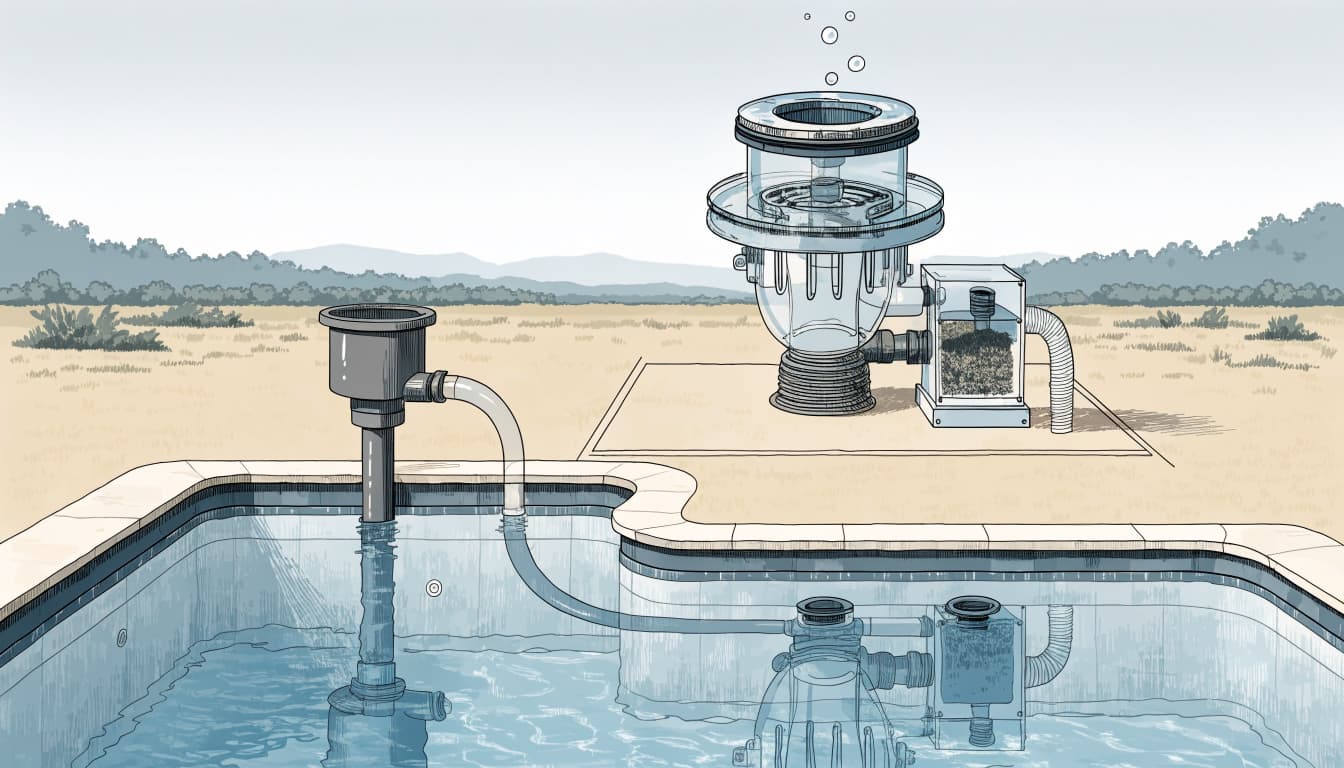
If the pool water drops below the skimmer opening, the skimmer may draw air instead of water. Wind, evaporation, splashing, and backwashing can all affect the water level. A clogged skimmer basket or pump basket can also restrict flow.
Partly closed valves, a blocked line, or debris in the suction path may cause similar symptoms. If the pump runs when a feature or a particular suction line is selected, the system may be struggling with that branch. Don't put your hand near a suction outlet or remove a drain cover. Pool suction outlets are safety components, and tampering can create an entrapment hazard.
Why Naples Conditions Can Complicate the Diagnosis
The equipment works on the same basic principles in Naples as elsewhere, but outdoor pool conditions can change what you observe. A dry, windy stretch may lower the water level, while rain can raise it. After storms, leaves and other debris can collect in skimmer baskets and reduce flow.
A gunite pool's shape can also affect circulation. A pool with an attached spa, sun shelf, raised spillway, or multiple skimmers may have more plumbing branches than a simple rectangle. Valves need to control those branches so the pump can draw water properly from each source.
Check where the waterline sits
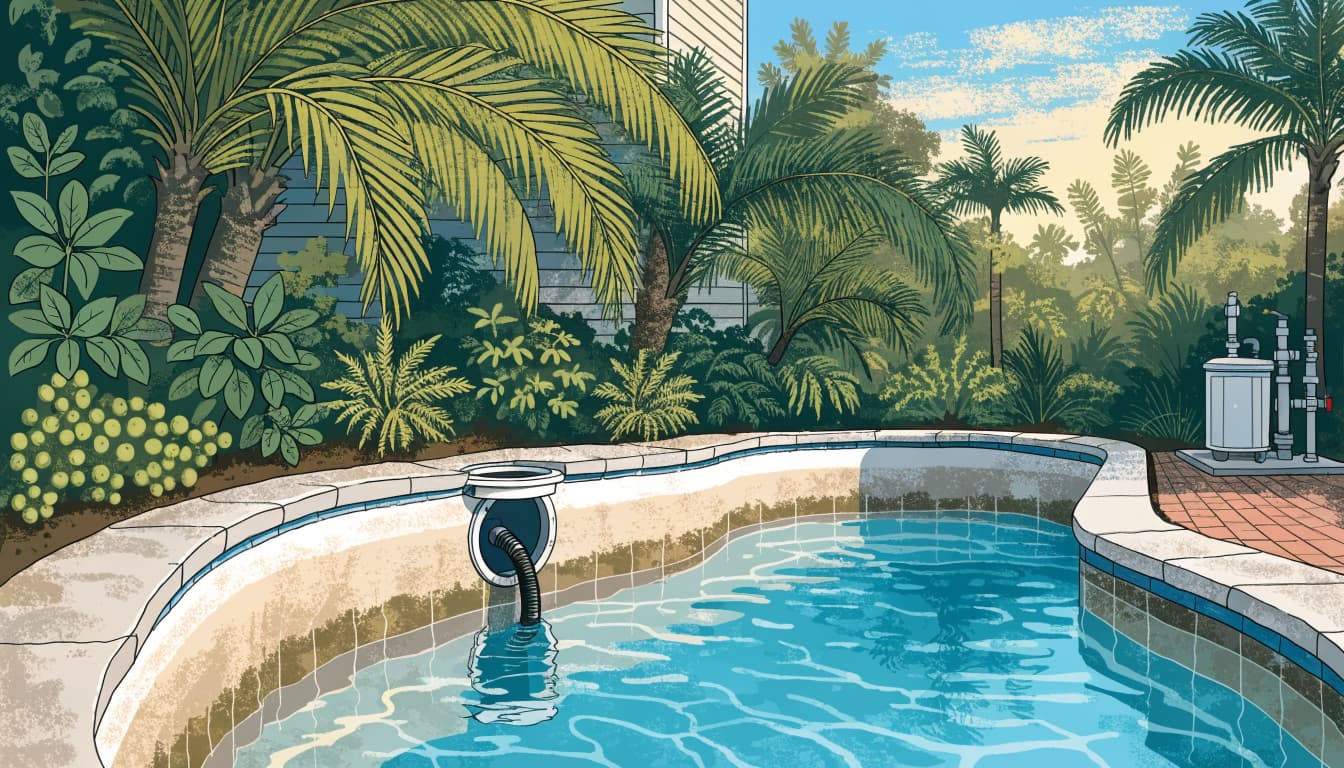
The skimmer needs enough water to draw from the pool without pulling air at its opening. If the waterline is low, bring it back to its normal operating range before deciding that the pump or plumbing has failed. If the water level keeps dropping, look for a separate water-loss issue rather than assuming the pump is the source.
Note when the symptoms change
Record whether the problem appears during ordinary filtration or only when a spa, cleaner, heater, or water feature is running. A feature may add hydraulic demand or use a separate plumbing branch. That detail helps a pool professional narrow the inspection without guessing from the pool's finish material.
Safe Checks Homeowners Can Make
Start with visible, low-risk observations. Turn the pump off before opening the pump basket, and don't open a filter while it's under pressure. If you're unsure how to shut down or restart your equipment safely, leave it off and arrange service.
Inspect water level and accessible baskets
Check that the water covers the skimmer opening sufficiently for normal operation. With the pump off, inspect the skimmer and pump baskets for debris, then reinstall the pump lid correctly. A lid that isn't seated or sealed can let air enter.
Also look for obvious drips around accessible equipment connections. A visible leak can help point the inspection, but the absence of drips doesn't rule out an air leak on the suction side.
Observe the pump and returns
When the system is running normally, note whether the pump basket fills and whether return flow stays steady. Watch for repeated air bubbles, a sudden drop in flow, unusual noise, or a pump that fails to refill after shutdown.
Don't keep restarting a pump that isn't moving water. Running it dry can damage equipment. Avoid changing several valves at once, too, since that can make the original symptom harder to trace.
How a Professional Finds the Fault
A reliable diagnosis separates what someone can see from what testing confirms. Air at the returns may suggest a suction-side issue, while water loss that increases when the pump runs may point toward a return line or equipment leak. Those clues guide testing, but neither one locates a buried pipe failure.
Isolate lines and test the plumbing
A pool professional can use valves and plugs to isolate plumbing branches, then test each line rather than treating the whole pool as one system. Pressure testing can show whether an isolated line holds pressure. If it doesn't, additional locating methods may help narrow the repair area before anyone opens a deck.
A targeted inspection may also include the skimmer throat, return fittings, drain areas, light niches, and equipment connections. The written findings should distinguish observed conditions from confirmed failures and suspected causes. That distinction helps keep a repair focused.
Treat electrical and suction safety seriously
Pool pumps combine water, electricity, and pressurized equipment. Don't remove drain covers, reach into a suction line, or work on electrical connections yourself. If the pump trips a breaker, smells hot, or makes a grinding noise, leave it off and call a qualified pool professional.
Pump Sizing and Plumbing Layout Matter
Pump size alone doesn't explain every loss of prime, but pump selection and plumbing design affect how the system moves water. Pipe diameter, run length, tight bends, valves, filters, heaters, and elevation all add resistance. A pump positioned above the pool waterline also has to lift water during priming.
When a pool has multiple skimmers, drains, or water features, the plumbing should allow controlled flow through each branch. Accessible valves make it easier to balance circulation and isolate a line for service. The pool's contours and features also matter, since an attached spa or raised spillway can change the system's flow demands.
For more on matching equipment to a gunite pool and its plumbing, see our guide to variable-speed pool pump sizing for gunite pools. Pump sizing is a separate question from diagnosing lost prime, but both depend on the pool's complete circulation system.
Frequently Asked Questions
Does a gunite pool shell cause a pump to lose prime?
Usually, the shell material itself isn't the direct cause. Prime depends on water reaching the pump and air staying out of the suction system. Pool shape and added features can affect plumbing design, though, so the layout still matters.
Are bubbles at the returns proof of a leak?
No. Bubbles can point to air entering the system, but they don't show exactly where or whether a buried line has failed. A professional may need to inspect fittings and test isolated plumbing branches.
Can I keep running the pump if it won't prime?
Avoid running a pump that isn't moving water. Repeated dry starts can damage equipment. Turn it off and arrange service if a basic water-level or basket check doesn't resolve the problem.
Get to the Cause Before Replacing Equipment
A pump that loses prime may have a simple operating problem or a fault in the suction plumbing. Check water level and accessible baskets first, then pay attention to when the symptoms occur. If the problem repeats, a targeted inspection can distinguish a visible clue from a tested failure.
A gunite pool is only one part of the system. Reliable circulation depends on the pump, plumbing, valves, pool features, and equipment layout working together.