Builder's Risk Insurance for a Southwest Florida Home Build
Explore Our Services
Contact Us Today!
(239) 322-9295
A custom home under construction can face serious losses before it is ready for a homeowners policy. Builder's risk insurance is designed to protect the structure and certain construction materials during this exposed period, but coverage depends on the policy, its limits, and its exclusions.
In Southwest Florida, wind, heavy rain, flooding, and theft can affect a project at different stages. If you're planning a custom home build in Fort Myers, understanding how the policy fits the construction contract can help prevent gaps between the owner, builder, lender, and insurer.
What builder's risk insurance covers during construction
Builder's risk insurance, also called course-of-construction coverage, is property insurance for a building while it's being built. It may cover the partly completed home and construction materials, subject to the policy's definitions, covered causes of loss, limits, and exclusions.
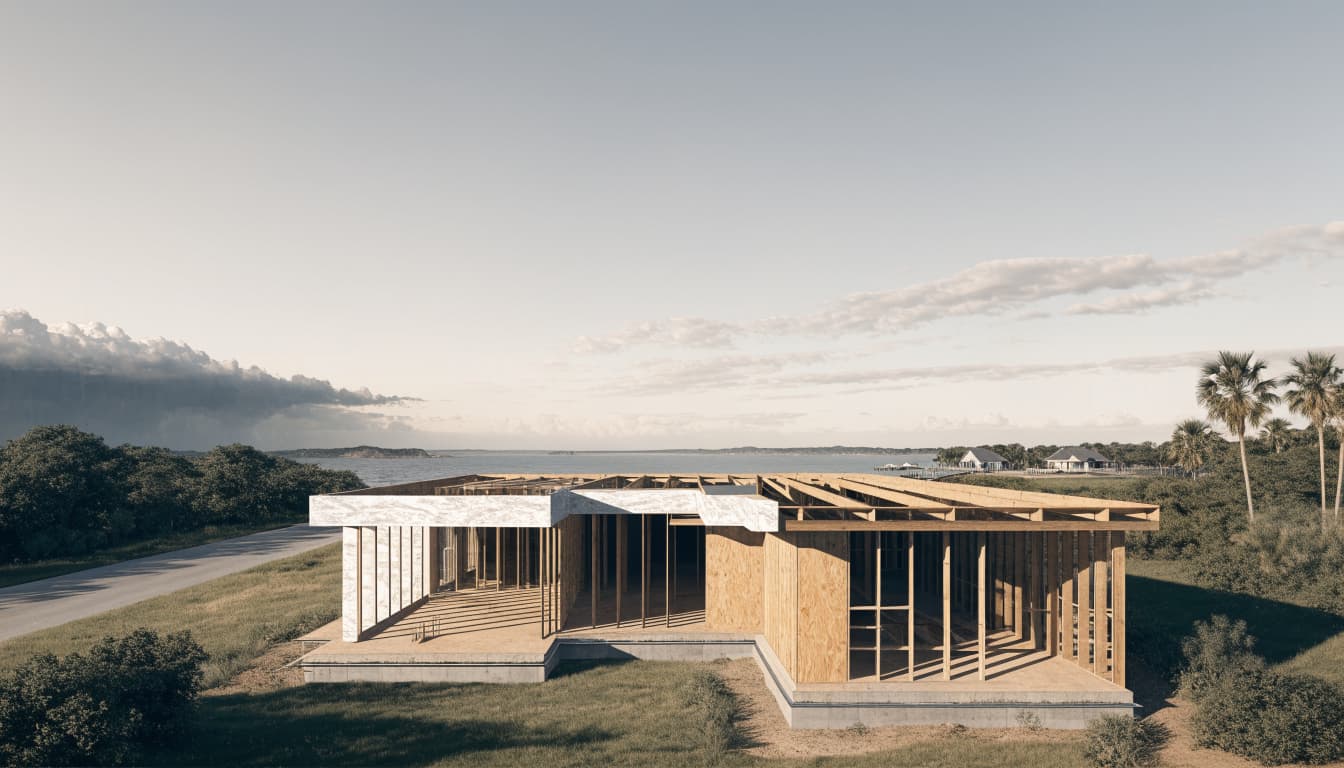
The building and materials may be covered
A policy may insure the structure as work progresses, along with items such as fixtures and materials intended for installation. Coverage for materials in transit or stored off-site varies, so don't assume lumber at a supplier or cabinets in a warehouse are covered by the job's policy.
The insured value should account for the intended scope of construction, not just the land. Discuss what the policy counts as insured property and how it values damaged work. Also clarify whether additions, owner-supplied materials, temporary structures, and debris removal have their own limits or conditions.
Covered causes and exclusions depend on the form
Some builder's-risk policies cover only causes of loss named in the policy. Fire, lightning, wind, and theft may be covered, but each is subject to exclusions, conditions, and deductibles. Florida's Department of Financial Services (DFS) describes builder's-risk policies as named-peril coverage.
Common exclusions or restrictions can include faulty workmanship, defective materials, mechanical breakdown, wear, and some types of water damage. A policy may exclude the cost to correct defective work even when it covers resulting damage. Read the wording closely, especially when project materials or work are exposed to rain.
Hurricane, windstorm, and flood exposure
A policy that includes wind coverage doesn't necessarily cover every hurricane-related loss. Separate terms can apply to wind, named storms, rain, flooding, and storm surge, so review each peril rather than treating "hurricane coverage" as one protection.
Wind coverage can depend on construction progress
Florida DFS notes that some policies require the structure to reach 50% or 75% completion before wind coverage applies. That can leave an early construction phase with different protection than later work. The threshold and the definition of completion are policy-specific.
Wind deductibles also vary. Market guidance describes coastal wind deductibles around 1% to 5% in some policies, while some named-storm deductible estimates reach 5% to 10% . These aren't statewide rules. The policy determines the percentage base, minimum amount, and whether a separate hurricane or named-storm deductible applies.
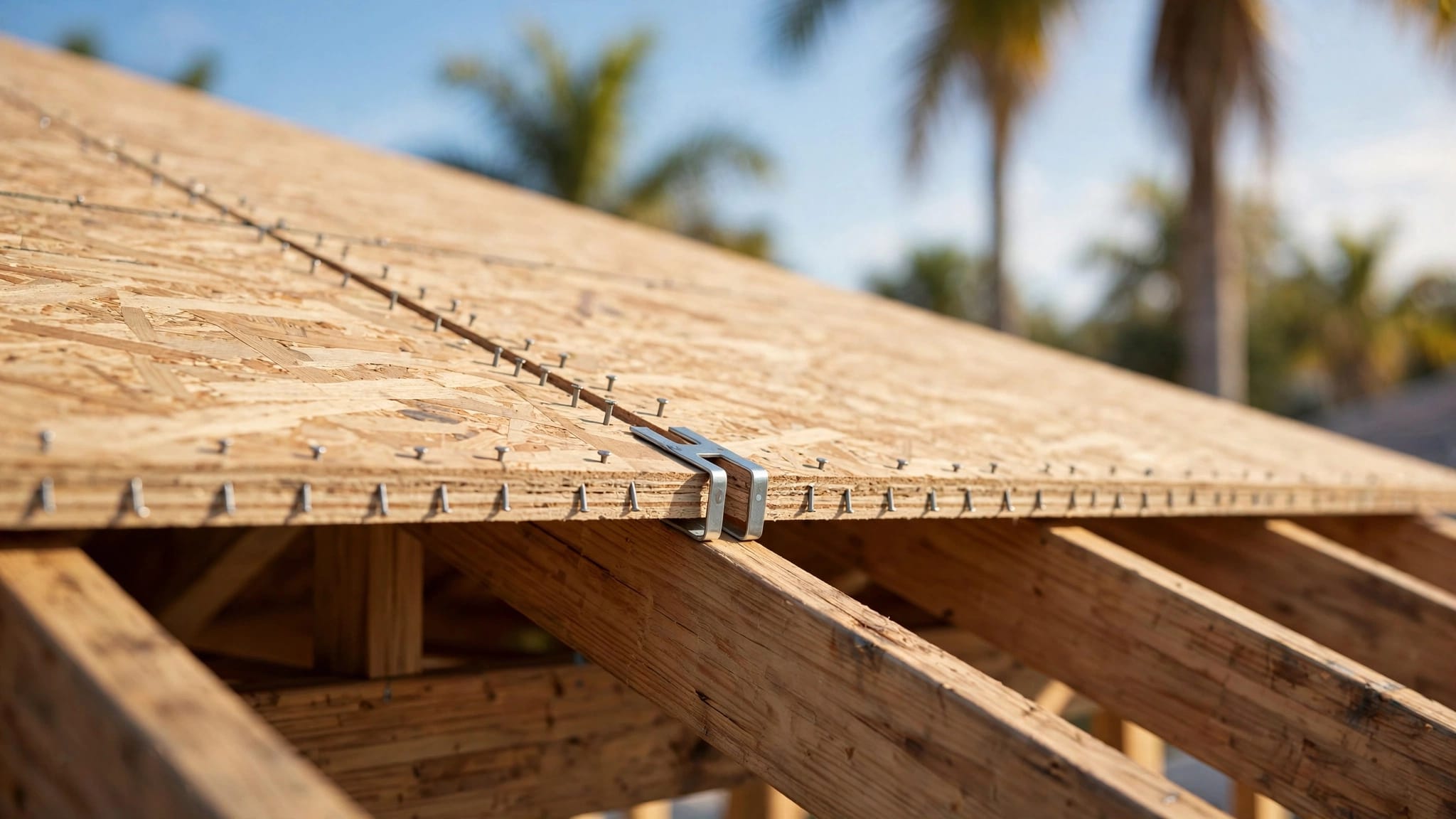
Southwest Florida wind exposure also depends on the exact site and building. A design near open water may face different conditions from an inland parcel. Construction plans and approved roof assemblies matter to the finished home's resilience, but they don't replace the insurance contract. For roof design details, see our guide to Fort Myers roof decking options.
Flood and rain need separate attention
Flooding and storm surge are commonly excluded or limited under standard builder's-risk coverage. Wind damage to a roof may be covered under the policy while rising water that enters the building is not. Flood protection may require separate coverage or a specific endorsement.
Rain isn't automatically a covered cause of loss. Florida DFS says rain itself is not a named peril, though an endorsement may provide limited protection for job-site materials damaged by rain. Wind-driven rain entering through an opening may also be treated differently from rain that enters because work was incomplete or defective. The policy language controls.
When coverage begins and ends
Builder's-risk coverage needs to match the actual construction timeline. A policy that starts after work or material deliveries begin can leave early costs exposed, while one that ends before the home is accepted or occupied can create a gap at closeout.
Set the effective date before work starts
The owner, builder, and insurer should align the policy's start date with the contract schedule and the point when the owner takes financial responsibility for the property. Confirm how the policy treats site preparation, foundation work, stored materials, and work already completed before the policy takes effect.
A policy term of 12 to 24 months is common market guidance, not a legal standard or guarantee of sufficient time. Delays from permitting, materials, weather, or change orders can push work past the original end date. If the project runs long, arrange any extension before the existing policy expires.
Completion or occupancy may end coverage early
The printed expiration date may not be the only end point. Depending on the form, coverage can end when the home is completed, accepted, occupied, or put to its intended use. Partial occupancy can matter, too, even when work continues elsewhere.
Plan the handoff to a permanent homeowners policy before move-in or acceptance. Ask the insurance professional to explain which event ends builder's-risk protection and when the replacement policy should begin. Don't assume the two policies overlap automatically.
Protecting materials and securing the job site
Construction materials may be expensive, portable, and exposed for days or weeks before installation. A loss involving them can delay work as well as raise questions about whether the materials were insured at that location.
Confirm where materials are insured
Ask how the policy treats materials at the site, in transit, or stored elsewhere. Coverage can differ by location and ownership. Keep purchase records and delivery documents, and agree on who reports a loss involving owner-purchased materials or supplies ordered by the builder.
A clear inventory helps establish what was on-site and what remained to be installed. It can also support the project's insured-value estimate as selections and orders change. For higher-cost items, such as windows, cabinetry, or roofing materials, document delivery and storage arrangements in writing.
Use reasonable site safeguards
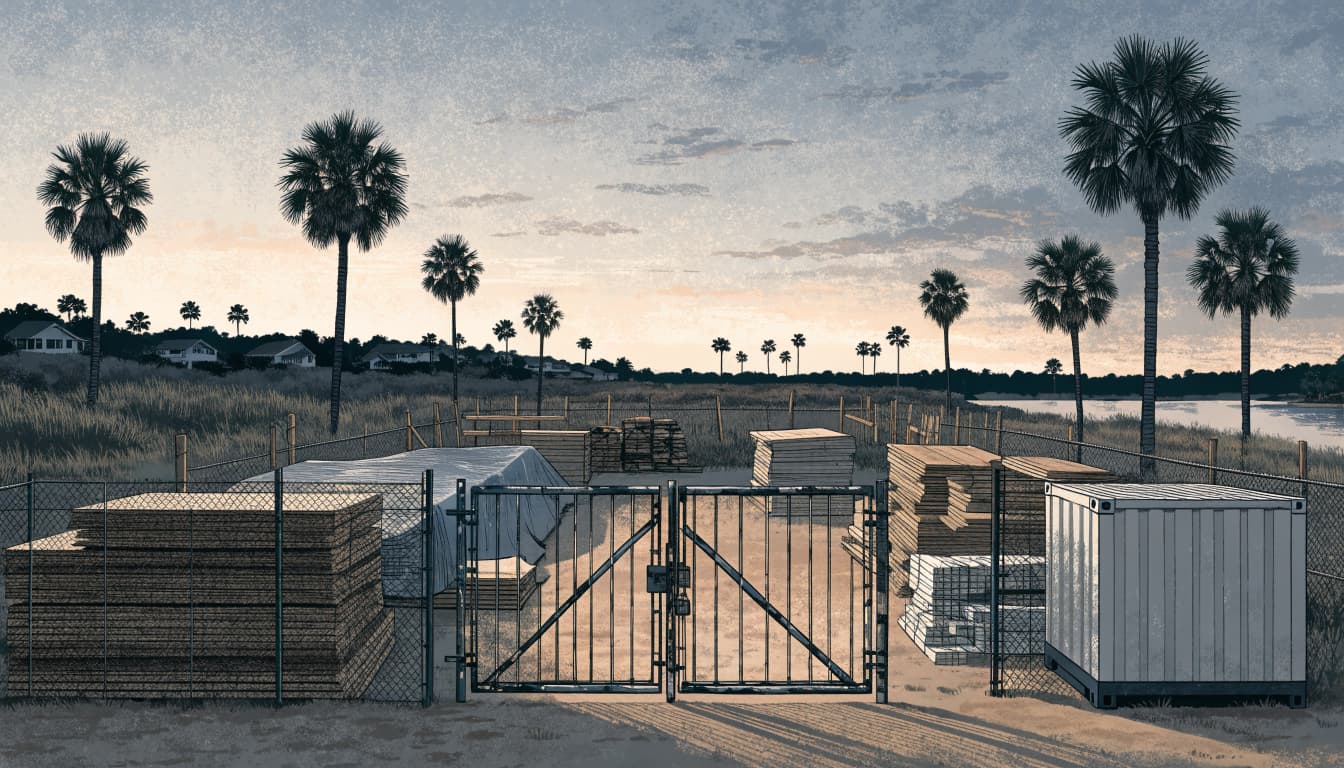
Lockable storage, controlled access, and covered storage can reduce exposure to theft and weather. Follow any security requirements in the policy, since failure to meet a stated safeguard may affect a claim. Keep materials away from drainage paths and protect them from foreseeable moisture where practical.
Temporary fencing or a locked container doesn't guarantee coverage. The insurer may still apply policy limits, theft conditions, or exclusions. For storm-damaged roofing, temporary roof protection after a storm can reduce further exposure while the damage is assessed.
Coordinating the owner, builder, lender, and insurer
The owner should identify who buys the policy and who has an insurable interest in the project. The construction agreement, lender requirements, and insurance application should use consistent project details, including the property address, scope, estimated value, and expected duration.
A lender may require builder's-risk coverage and may need to be listed in the policy in a specified capacity. The builder may also need to appear as an insured party or otherwise have coverage interests addressed. The correct arrangement depends on the contract and insurer's form, so get the parties' roles documented before construction begins.
The builder can provide the schedule, construction value, material details, and updates when scope changes. The owner should share lender requirements and promptly report major delays or changes to the insurer. The insurance professional can explain named insureds, limits, deductibles, endorsements, and claim reporting duties.
Builder's-risk coverage is property insurance. It generally doesn't replace a builder's general liability insurance, workers' compensation, or the homeowner's liability protection. Keep those policies distinct when reviewing project responsibilities.
Questions to settle before construction begins
Before the first major delivery or work starts, bring the builder, lender, and insurance professional together around the same project information. Resolve these points in writing:
- Who purchases the policy, and which parties are named or otherwise protected?
- What is the insured value, and does it include materials, fixtures, and completed work?
- Which wind, hurricane, theft, rain, flood, and water losses are covered or excluded?
- What are the wind and named-storm deductibles, and how is each calculated?
- Are off-site storage and transit included, and what site-security conditions apply?
- What event ends coverage, and how will a delay or partial occupancy be handled?
- Which endorsements are needed, and what are the policy limits for debris removal or other extensions?
These are policy-specific questions, not details that can be settled by a general description of builder's-risk coverage. Ask your insurance professional to explain the actual limits, deductibles, exclusions, and endorsements for your project.
Frequently asked questions
Is builder's-risk insurance required in Florida?
Florida doesn't impose a blanket requirement that every homeowner buy builder's-risk insurance. However, a lender, construction contract, builder, or insurer may require it for a particular project. Requirements depend on the financing and agreements involved.
Does a builder's-risk policy cover hurricane damage?
It may cover certain wind damage, subject to the policy's terms, deductible, and construction-stage requirements. Some policies restrict wind coverage until the building reaches a stated completion percentage. Flooding and storm surge are separate issues and are commonly excluded or limited.
Can I move into the home before construction is finished?
Occupancy can change or end builder's-risk coverage, depending on the policy. Before moving in, coordinate the occupancy date, remaining work, and homeowners-policy start date with the insurance professional and lender.
Protect the project through the handoff
Builder's-risk insurance can protect a custom home while it takes shape, but the coverage only works as intended when the project details and policy terms align. In Southwest Florida, pay particular attention to wind thresholds, percentage deductibles, flood exclusions, material storage, and the event that ends coverage.
Coordinate the policy before construction starts, then revisit it when the schedule, value, or occupancy plans change. A clear handoff to homeowners coverage helps keep protection in place as the building becomes a home.