
Cape Coral Gunite Pools: When a Vacuum Line Helps
Explore Our Services
Contact Us Today!
(239) 322-9295
A dedicated vacuum line gives a pool vacuum its own connection to the pool's suction plumbing. For Cape Coral gunite pools, it can be useful when you expect to vacuum often and want to leave the skimmer available for surface debris.
The line is a planning choice , not a necessity for every pool. Your cleaning habits, pool shape and preferred equipment all matter. Start with how the connection works before deciding whether to include one.
What a dedicated vacuum line does
A dedicated vacuum line runs between a fitting in the pool wall and the suction side of the circulation system. When a compatible manual vacuum or suction-side cleaner connects to that fitting, the pool pump draws water and debris through the hose and plumbing.
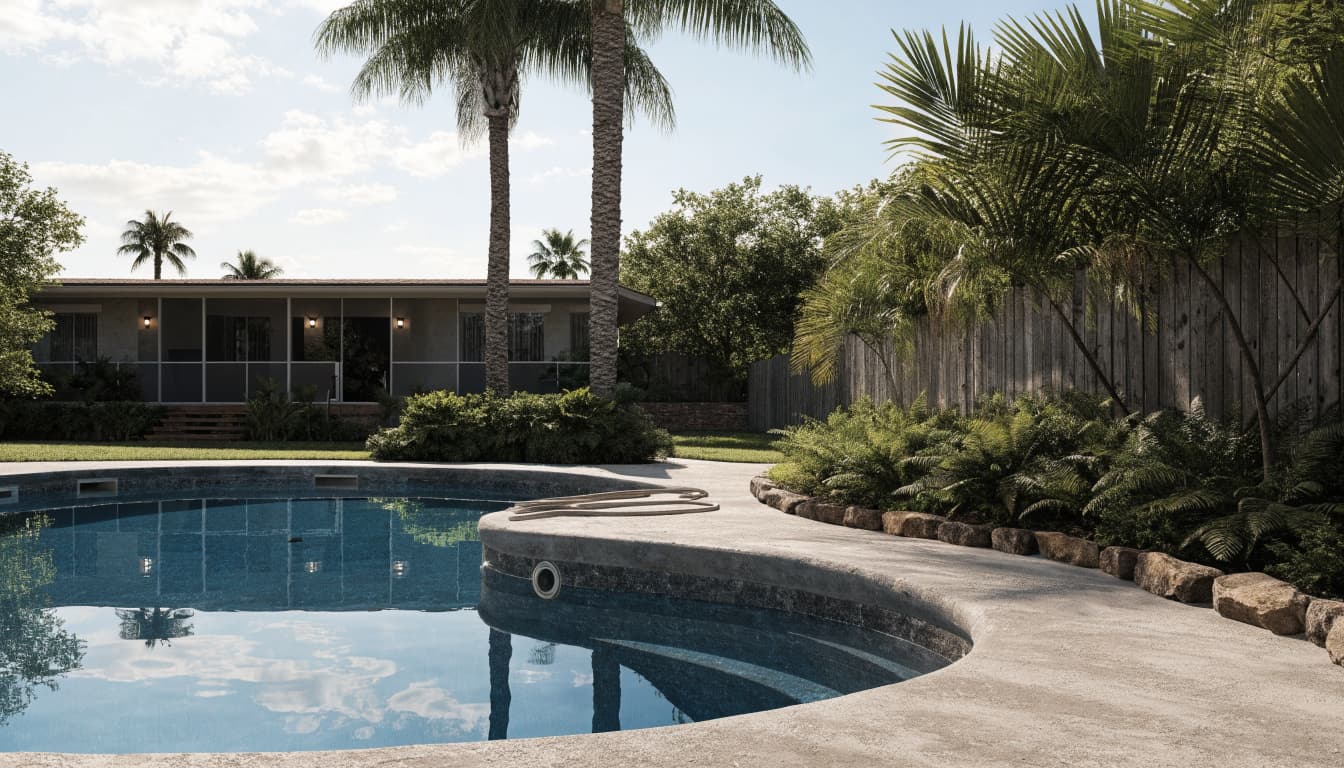
The debris then travels toward the pump's strainer basket and the pool filter. Some setups also use an in-line leaf canister to catch larger debris before it reaches the pump basket.
At the equipment pad, a valve can allow the vacuum line to be isolated or adjusted as part of the overall suction system. The line is separate from the skimmer plumbing, but both typically rely on the same circulation pump.
That distinction matters. A dedicated connection doesn't automatically mean a separate pump or a stronger vacuum. The system still needs a plumbing and equipment design suited to the pool and cleaner.
When the extra connection makes sense
A dedicated line is most useful when you expect suction vacuuming to be a regular part of pool care. It gives the cleaning hose a connection of its own instead of requiring you to use the skimmer.
You plan to vacuum regularly
Manual vacuuming lets you concentrate on a spot where debris has settled. It can be useful around a bench, along a wall or in an area an automatic cleaner misses.
A dedicated port also gives a compatible suction-side automatic cleaner its own connection. That can appeal to homeowners who prefer a cleaner that uses the pool's circulation system rather than a separate robotic unit.
If you'll rarely use a suction vacuum, the connection may add little to your routine. A skimmer connection may be enough for occasional touch-ups.
Leaves and surface debris arrive together
Cape Coral pools can collect leaves, insects, pollen and grass clippings. Windy or rainy weather may leave debris on the water's surface and on the floor at the same time.
With a dedicated line, the skimmer can remain available to collect surface debris while you vacuum, depending on the system's valve settings and hydraulic design. A skimmer-connected vacuum occupies the skimmer connection during use.
After a storm, large amounts of debris may still call for a net and basket cleaning before vacuuming. A vacuum line doesn't eliminate that work.
Dedicated vacuum line vs. a skimmer connection
Both options use suction from the pool's circulation system. The practical difference is where you attach the hose and what happens to the skimmer while cleaning.
Using the skimmer for vacuuming
With a compatible skimmer setup, the vacuum hose connects through the skimmer, often with an appropriate vacuum plate or adapter. Water and debris then travel through the skimmer's suction plumbing.
This arrangement can work well for a straightforward pool where manual vacuuming is occasional. It also avoids adding a separate wall port for a cleaner you may use only now and then.
During vacuuming, however, that skimmer connection is occupied. You may need to remove the hose and adapter before returning the skimmer to its normal configuration. The exact setup depends on the skimmer and equipment.
Using a separate wall port
A dedicated port gives the vacuum hose its own connection point. The skimmer doesn't have to be used as the hose attachment, although suction is still shared across the circulation system.
The port's position matters. A convenient location helps the hose reach the pool without getting caught around steps, furniture or other features. It also needs an appropriate safety fitting and a valve arrangement designed for the pool.
For either option, follow the cleaner and pool equipment instructions for connecting the hose and operating the system.
Dedicated vacuum line vs. a robotic cleaner
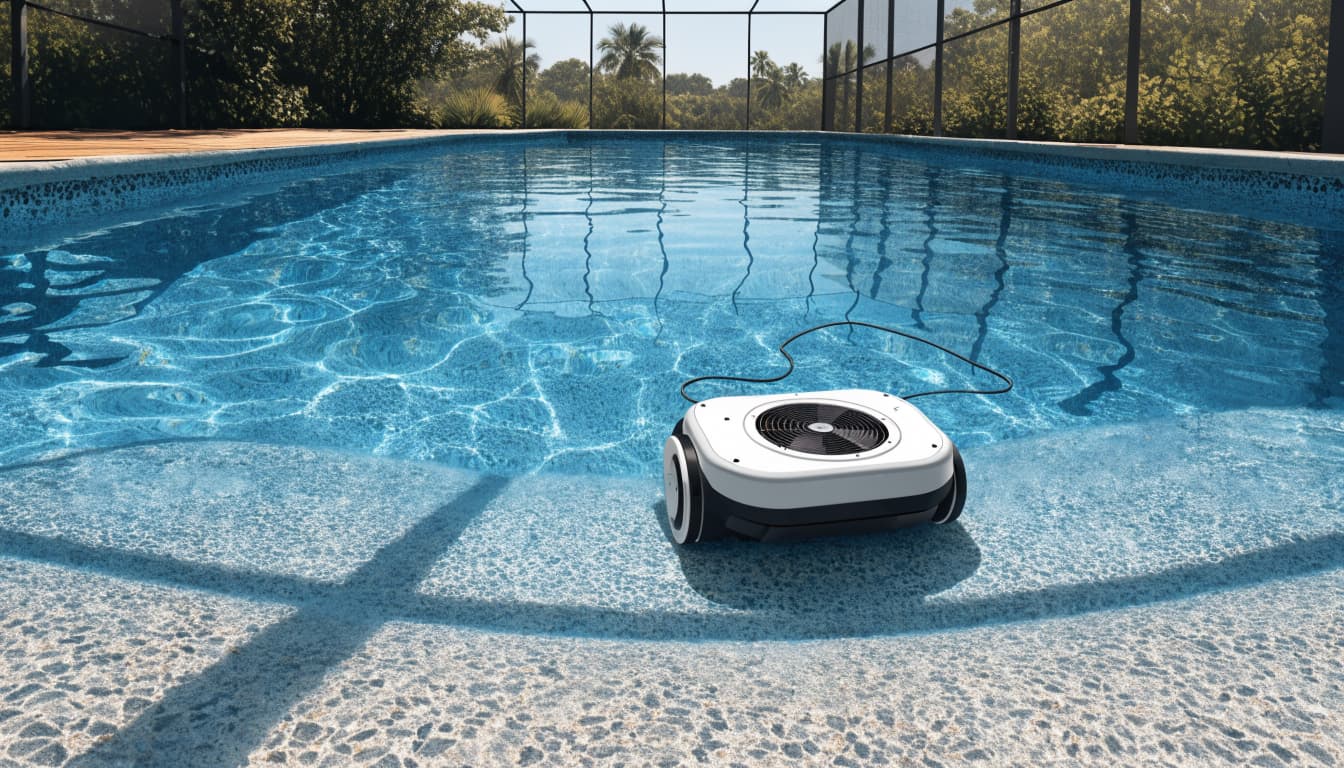
A robotic cleaner works differently from a suction vacuum. It moves through the pool using its own drive system and collects debris in an internal basket or filter. Its cleaning cycle is separate from the pool's ordinary circulation schedule.
What a robotic cleaner changes
A robot doesn't need a dedicated suction line. Instead, you'll place it in the water, run its cycle and empty its collection basket or filter.
Some models scrub walls or clean the waterline as well as the floor. Coverage varies, so a model that suits a simple rectangle may not handle every bench, shallow shelf or tight corner in a freeform pool.
You'll still need to clean the robot's filter and maintain its brushes and other parts. A robot also doesn't replace water testing or all manual brushing.
You can plan for more than one method
A homeowner who prefers a robot may still value a suction connection for manual touch-ups. Others may be happy with a robot and an occasional skimmer-connected vacuum.
Pressure-side cleaners are another option. They move using water pressure rather than suction, and some models require a booster pump or additional plumbing. Our comparison of robotic and pressure-side pool cleaners covers how those systems handle debris and pool features.
How pool layout affects vacuuming
Cape Coral gunite pools can include curved walls, sun shelves, benches and attached spas. Those features shape the cleaning plan as much as the cleaner itself.
Hose reach and port placement
A wall port should be placed where a compatible hose can reach the areas you expect to clean. Long or irregular pools deserve particular attention because a connection that's convenient at one end may leave the far end awkward to reach.
The surrounding deck matters, too. Consider where you'll stand to connect the hose and whether screen enclosure posts, landscaping or outdoor furniture will interfere with setup.
A port location should be coordinated with skimmers, returns, steps and other fittings. Our guide to pool fitting placement and plumbing design explains why those decisions belong in the same plan.
Steps, shelves and attached spas
A dedicated line gives a vacuum a connection; it doesn't guarantee that a cleaner will reach every surface. Narrow corners, raised features and shallow ledges can leave areas that need a brush or handheld attention.
An attached spa can also affect the plumbing layout and the surfaces you need to clean. Plan the pool and spa together so the cleaner connection, shared wall and circulation equipment work with the finished design.
Plan the line before the gunite shell
The easiest time to include a dedicated vacuum line in a new pool plan is before the shell and deck cover the plumbing. That gives the construction team room to coordinate the fitting, pipe route and equipment-pad valves with the rest of the project.
Coordinate it with the rough-in
Pool plumbing rough-in generally follows excavation and steel installation and comes before the shell material is sprayed. Suction lines, returns, skimmers and feature plumbing all need to fit the design at that stage.
A line serving a cleaner should be identified on the plan and coordinated with the pump and the rest of the suction system. The equipment pad also needs accessible valves and room for service after the deck and landscaping are complete.
Our guide to Cape Coral pool plumbing before shotcrete explains the other fittings that need attention during rough-in.
Consider the site and future access
On a Cape Coral property, the route between the pool and equipment pad may be affected by a narrow side yard, an enclosure or other backyard features. Pipe routing also needs to account for utilities, drainage and planned deck work.
Adding a line to an existing pool can involve work around a finished deck and shell. If a renovation already includes plumbing or deck changes, that may be a practical time to consider a cleaner connection alongside the other work.
A licensed pool professional should design and install suction fittings and coordinate the applicable safety requirements. The fitting and cover are safety components, not decorative trim.
Maintain the connection and the rest of the pool
A dedicated line is only one part of a cleaning routine. The hose, baskets, filter and pool finish still need attention.
Keep debris moving through the system
Empty the skimmer and pump baskets as part of regular care, and clean the pool filter according to its maintenance needs. If your vacuum setup has a leaf canister, empty that as well.
A vacuum that loses suction can have a full basket, a blocked hose or a filter that needs attention. The pump and plumbing arrangement can affect operation too. Persistent problems deserve a pool professional's attention rather than repeated valve adjustments.
Keep the hose and vacuum head in good condition, and store them out of direct sun when practical. Damaged equipment can make routine cleaning more difficult.
Protect swimmers and the finish
Use the port only with the appropriate fitting and cover for the installed system. Never leave a suction opening exposed or use the pool when a required cover is missing or damaged. A qualified pool professional should handle suction fitting repairs.
Regardless of cleaner choice, brush the pool regularly, including steps and ledges where debris settles. Follow the interior finish's care instructions and maintain balanced water chemistry. A vacuum can remove debris, but it can't correct water chemistry or repair a deteriorating finish.
Choosing the right setup for your pool
For frequent manual vacuuming or a suction-side automatic cleaner, a dedicated line offers a separate connection worth considering during construction. It's especially appealing when you want the skimmer available for surface debris during cleaning.
For occasional vacuuming, a compatible skimmer connection may suit your routine. If you prefer an independent cleaning cycle, a robotic cleaner may be a better fit. The right choice depends on your pool's shape, the debris it collects and the equipment you want to maintain.
When we plan new gunite pool construction in Cape Coral, cleaning equipment can be considered alongside the pool layout and plumbing.
Make cleaning part of the pool plan
A dedicated vacuum line is most useful when it supports how you'll care for the pool. It provides a separate suction connection, while the skimmer and robotic options offer different ways to handle routine debris.
Choose the setup early, while the pool's fittings and pipe routes are still being planned. That gives your finished pool a cleaning arrangement suited to the way you'll use it.