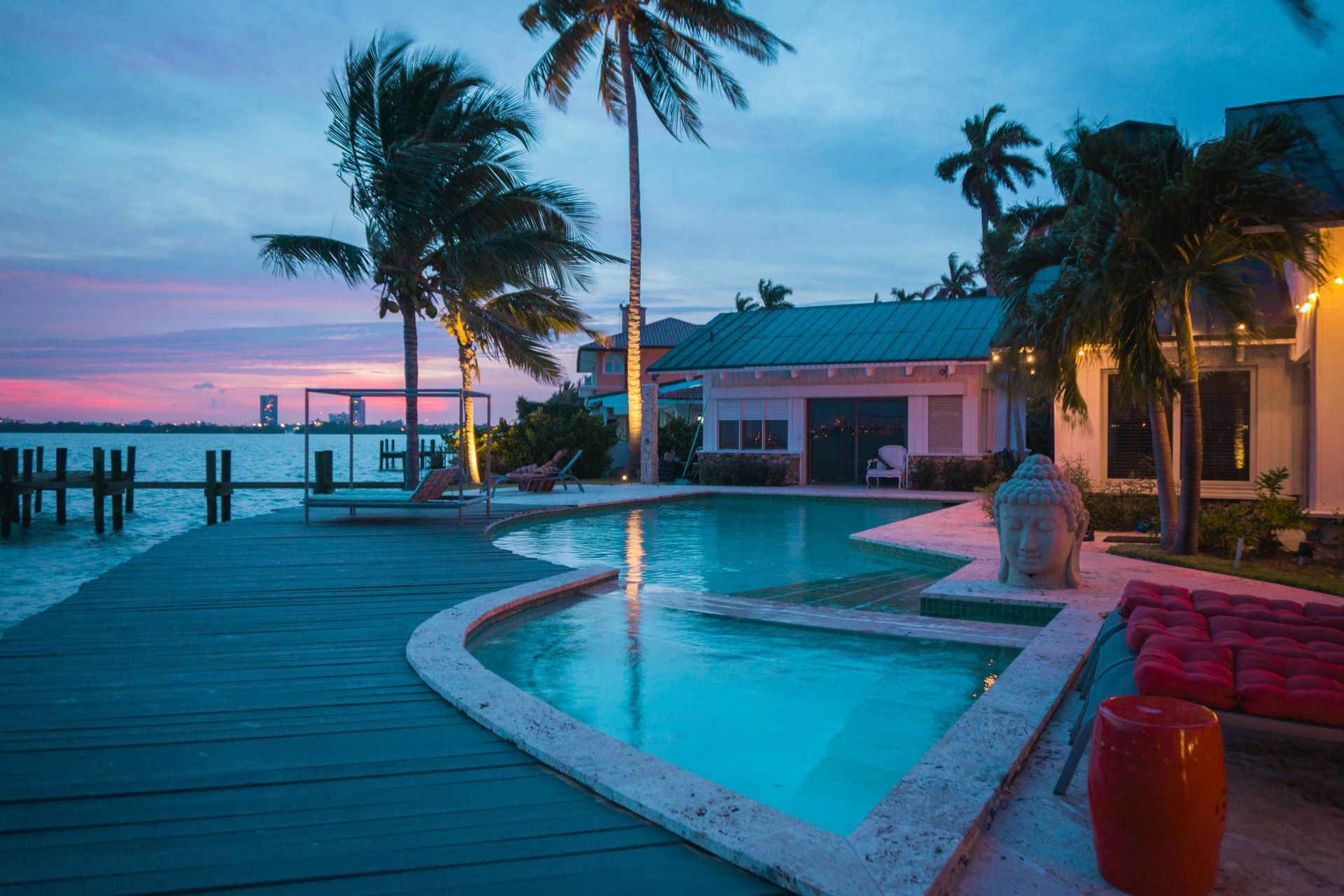


A waterfront lot in Cape Coral can look straightforward on paper, then the seawall quote lands and changes the whole budget. That single site item can swing by tens of thousands of dollars depending on frontage, canal type, and permit demands.
If you're buying land for a new build, the Cape Coral seawall cost should be part of your first round of numbers, not a surprise after closing. For buyers comparing house plans and site work, building on a canal lot in Cape Coral gives useful context before the lot search gets too far along.
What Cape Coral seawall costs look like in 2026
For a typical new-construction lot, seawall pricing in 2026 usually falls into a wide range because no two waterfront parcels are built the same. A lot with easy access and simple conditions can stay near the lower end. A saltwater or Gulf-access lot with deeper engineering needs can climb fast.
| Lot type | Typical frontage | Common 2026 budget range | What usually pushes it higher |
|---|---|---|---|
| Freshwater canal lot | 80 to 85 feet | $22,000 to $26,000+ | Access, soil, backfill, and permit complexity |
| Standard canal lot | About 100 feet | $15,000 to $60,000 | Material choice, depth, and site conditions |
| Saltwater or Gulf-access lot | 90 to 130+ feet | $30,000 to $80,000+ | Exposure, engineering, longer frontage, and review time |
For many normal residential quotes, the per-foot price often lands around $250 to $450 . Tougher sites can run higher, sometimes much higher. If the wall needs more depth, stronger tiebacks, or extra protection for nearby structures, the number climbs fast.
The cheapest quote is not the real quote if it leaves out engineering, permits, or site prep.
A buyer who only looks at the house budget can get squeezed later. That is why a waterfront build plan should treat the seawall like a core construction line item, not a side note.
What drives the price on a new lot
The first thing contractors look at is frontage. More linear feet means more material, more labor, and more equipment time. A shorter wall on a freshwater canal is one thing. A longer wall on a saltwater lot is a different project entirely.
Canal type matters too. Freshwater lots are usually easier to price. Saltwater and Gulf-access parcels often need stronger walls, more scrutiny, and more engineering. In other words, the setting changes the job before the first pile goes in.
Access can make or break the quote. If crews can reach the site easily, the work is cleaner. If they need special equipment access, staging space, or extra haul-off, the price rises. Soil conditions matter just as much. Soft ground, old fill, rock, or debris can add work that nobody sees from the curb.
For buyers using a cost-plus home builder, this part of the project is easier to track because the line items stay visible. That matters when the wall, the lot, and the house all affect each other.
Material and design choices
Concrete is common in Southwest Florida because it handles the job well on many canal lots. Vinyl can cost less in some cases. Steel may be used where the site needs more strength. The right choice depends on exposure, water movement, and the engineer's design.
Depth is another big factor. A wall that needs deeper embedment takes more labor and equipment. That is true even when the lot looks simple from the street. Add tiebacks, caps, drainage, or reinforcement, and the budget keeps moving.
If you hear a quote that sounds far below the rest, ask what design assumptions were used. A low number sometimes means the contractor left out work the lot will clearly need.
What a seawall quote should include, and what it often leaves out
A good seawall quote should read like a worksheet, not a guess. With transparent pricing , you should see what is being built, what the contractor is carrying, and what still sits outside the number.
Usually included in a solid quote are the wall materials, installation labor, equipment, and standard backfill around the wall. Some bids also include basic cleanup, mobilization, and the structural work needed to place the wall at the right depth.
Often excluded are items that sit around the wall instead of inside it. Those can change the final total more than buyers expect.
Typical exclusions include:
- Survey work and title review
- Engineering and design fees
- City permit and review fees
- Utility relocations or protective work
- Fill dirt, landscaping, and sod repair
- Dock, lift, and electrical work
- Extra protection for adjacent seawalls
- Unusual dewatering or soil correction
That is why a blended number can be risky. If the quote only says "seawall installed," ask for the details. A cost-plus structure helps here because you can see actual invoices and the contractor fee separately. That is often a better fit for waterfront work than a mystery lump sum.
A careful buyer should also ask how change orders work. On waterfront lots, site conditions can shift after excavation starts. When they do, the paperwork should show the change clearly, not bury it in a vague adjustment.
Permits and local rules that change the budget
Cape Coral is not a place where seawall work happens casually. The city has clear permit requirements, and some lots can also trigger county, state, or federal review. That means the permit path is part of the budget from the start.
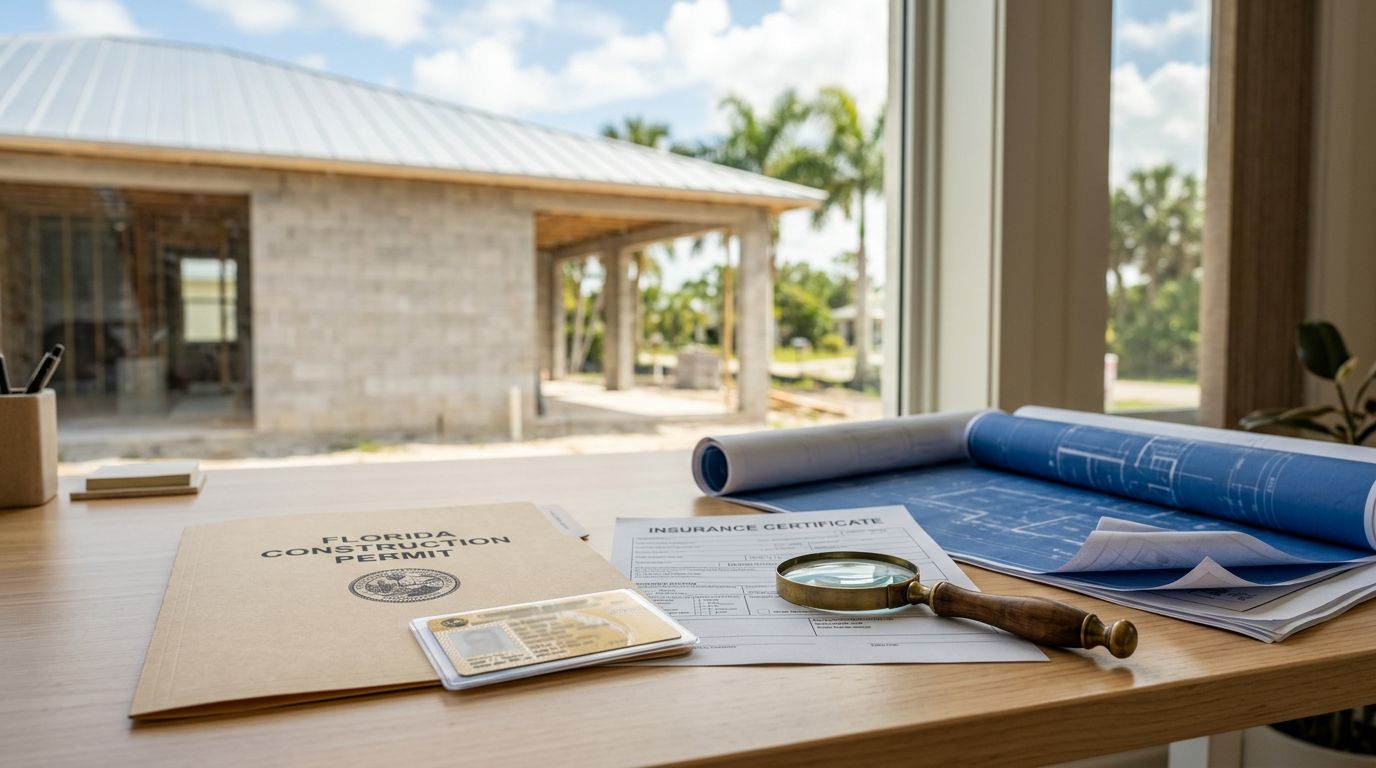
A separate breakdown of Cape Coral construction permitting costs helps buyers see how much of the site work is tied to fees instead of materials.
Cape Coral's local code is important too. Parcels with frontage or direct access to saline, brackish, or tidally influenced water must have a seawall bulkheading the exposed frontage. That rule changes the lot search. It also changes the timeline, because the seawall is part of the site plan, not an optional upgrade.
Most owners should expect to prepare:
- A current survey showing lot lines and water frontage
- Engineered seawall plans
- The city permit application package
- Any marine improvement or shoreline forms the city requests
- A Notice of Commencement on larger jobs
- Additional approvals if wetlands or protected areas are involved
Permit timing can stretch from a few weeks to several months. The longer end usually shows up when the file is incomplete or when the lot needs more review. That delay has real cost. It can push the construction schedule, hold up other trades, and add carrying costs if the lot is already under contract.
Cape Coral also updated seawall standards in recent years, and those tighter expectations still matter in 2026. For buyers, that means a newer lot does not always mean a simpler wall. Sometimes it means more design, more paperwork, and more scrutiny.
How to budget before you buy the lot
The cleanest budgets start before the purchase contract is signed. If the seawall is part of the deal, treat it like a major line item, because it is.
- Get a seawall quote early.
Ask for a number based on frontage, water type, and access. If the seller already has a wall estimate, compare it with your own. - Use a real site budget, not a house-only budget.
A broader real budget breakdown for new builds helps you keep the wall in the right context with shell, permits, and other lot work. - Ask what is missing from the quote.
The best bids spell out engineering, permits, backfill, cleanup, and anything tied to neighboring walls or site access. - Keep a contingency.
Waterfront lots can hide soil issues, drainage problems, or extra permit steps. A cushion protects the budget when the site tells a different story than the listing sheet.
If you want a simple rule, use this one: the more water exposure and frontage a lot has, the more likely the final seawall bill will land above the first estimate. That does not make the lot a bad buy. It just means the numbers need to be honest before you move forward.
Conclusion
Cape Coral seawall pricing in 2026 is not one flat number. It changes with frontage, canal type, access, engineering, and permit path. For many new construction lots, a realistic budget starts in the low $20,000s and can move well above that on larger or tougher waterfront sites.
The safest move is simple. Get the quote early, make sure it shows the real scope, and tie it to a survey and permit plan before you commit to the lot. That keeps the Cape Coral seawall cost where it belongs, inside the build budget, not hiding outside it.