Custom Home Allowances: What Your Contract Should Say
Explore Our Services
Contact Us Today!
(239) 322-9295
Custom home allowances are budget amounts set aside for products or work you haven't chosen when you sign a construction contract. The amount gives your builder a starting point, but your final cost depends on the selections you make and the terms of your agreement.
For your Fort Myers home, the important detail is what each allowance covers . A cabinet allowance that includes installation means something different from one that covers cabinets alone.
Before signing, make sure the contract explains how selections, costs, and adjustments will be documented.
How custom home allowances differ from fixed-price items
An allowance is a placeholder in the construction budget. It gives you time to choose a product or define part of the work after the contract is signed. Cabinets, flooring, and light fixtures are common candidates because their cost depends on the design and products you select.
A fixed-price item, by contrast, has a defined scope and price in the contract. The plans and specifications describe what the builder will provide, so the item doesn't depend on a later selection allowance. Changes to that scope can still affect the price if the contract allows them.
A contract with a fixed base price can contain allowances. That means the base price may change as allowance items are selected and costs are reconciled. A cost-plus agreement can also use allowances as budget estimates. The accounting and approval terms matter in either arrangement.
Keep allowances separate from exclusions. An allowance puts an amount in the budget for an identified item. An exclusion identifies work or products the contract doesn't include. If landscaping is excluded rather than listed as an allowance, you may need a separate budget for it.
Common finish allowances in a Fort Myers home
Finish allowances should describe enough detail for you to tell whether the budget fits the home you're planning. A category name alone leaves too much open to interpretation.

Cabinets and countertops
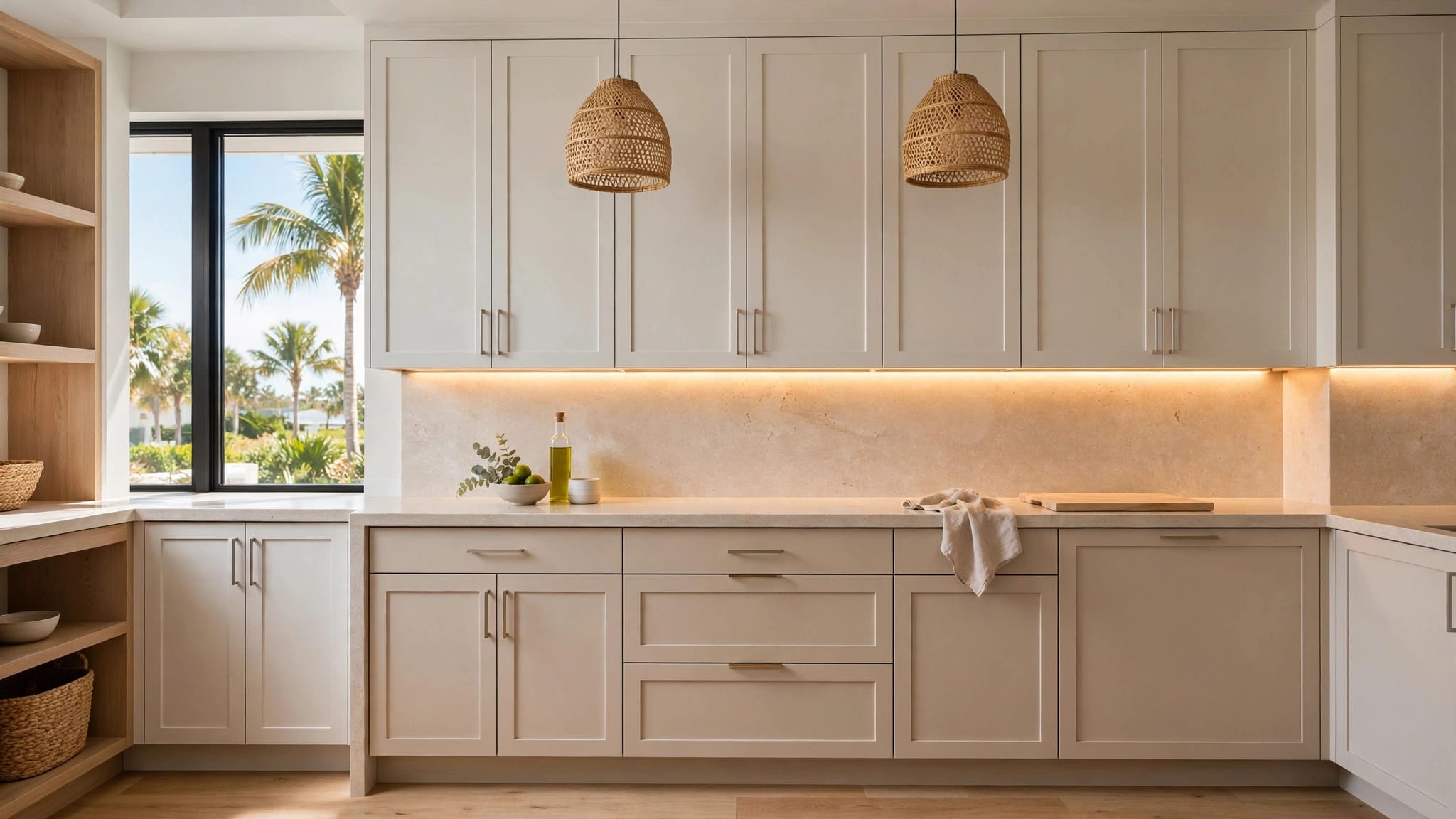
For cabinetry, identify the rooms and cabinet layout covered by the allowance. The schedule should address finished ends, fillers, toe kicks, trim, hardware, and storage features. Delivery and installation should have a clear place in the budget, too.
Countertop scope needs similar detail. Material type is only one part of the decision. Thickness, edge treatment, sink cutouts, seams, and backsplash coverage can affect the final selection and its cost.
Cabinet and appliance decisions also belong together. Built-in appliances and custom panels can change cabinet dimensions, so keep the selected appliance specifications with the cabinet plans.
Flooring and tile
A flooring allowance should identify the rooms and the basis for the material quantity. Ask for the schedule to address underlayment, transitions, installation materials, and cutting waste. Tile in showers or on walls should be identified separately if it isn't part of the floor allowance.
The installation method matters as well. A change in tile size or layout can affect labor even when the material itself fits the allowance. A clear scope makes it easier to see which part of the decision changes the budget.
Lighting, plumbing fixtures, and appliances
These selections affect more than appearance. Their specifications can influence cabinetry, rough plumbing, electrical work, and ordering dates.
Lighting and plumbing fixtures
A lighting allowance may cover decorative fixtures such as pendants and chandeliers. The contract should identify which fixtures are included and whether installation is part of the allowance or another section of the construction price. The electrical plan should also show fixture locations.
For plumbing fixtures, list the products covered, such as faucets, sinks, shower fittings, and toilets. Specify whether valves, drains, trim, and other connection materials fall inside the allowance. That distinction matters when a fixture selection requires parts beyond the visible finish.
Appliances
An appliance schedule should name the products included and identify who purchases and installs them. Delivery, installation, and any required connection work need a place in the contract or budget.
Choose models early enough for the cabinet team to use their dimensions and installation requirements. A refrigerator or oven with different clearances can change a cabinet opening even when its advertised size sounds similar.
Plan for landscaping and outdoor work
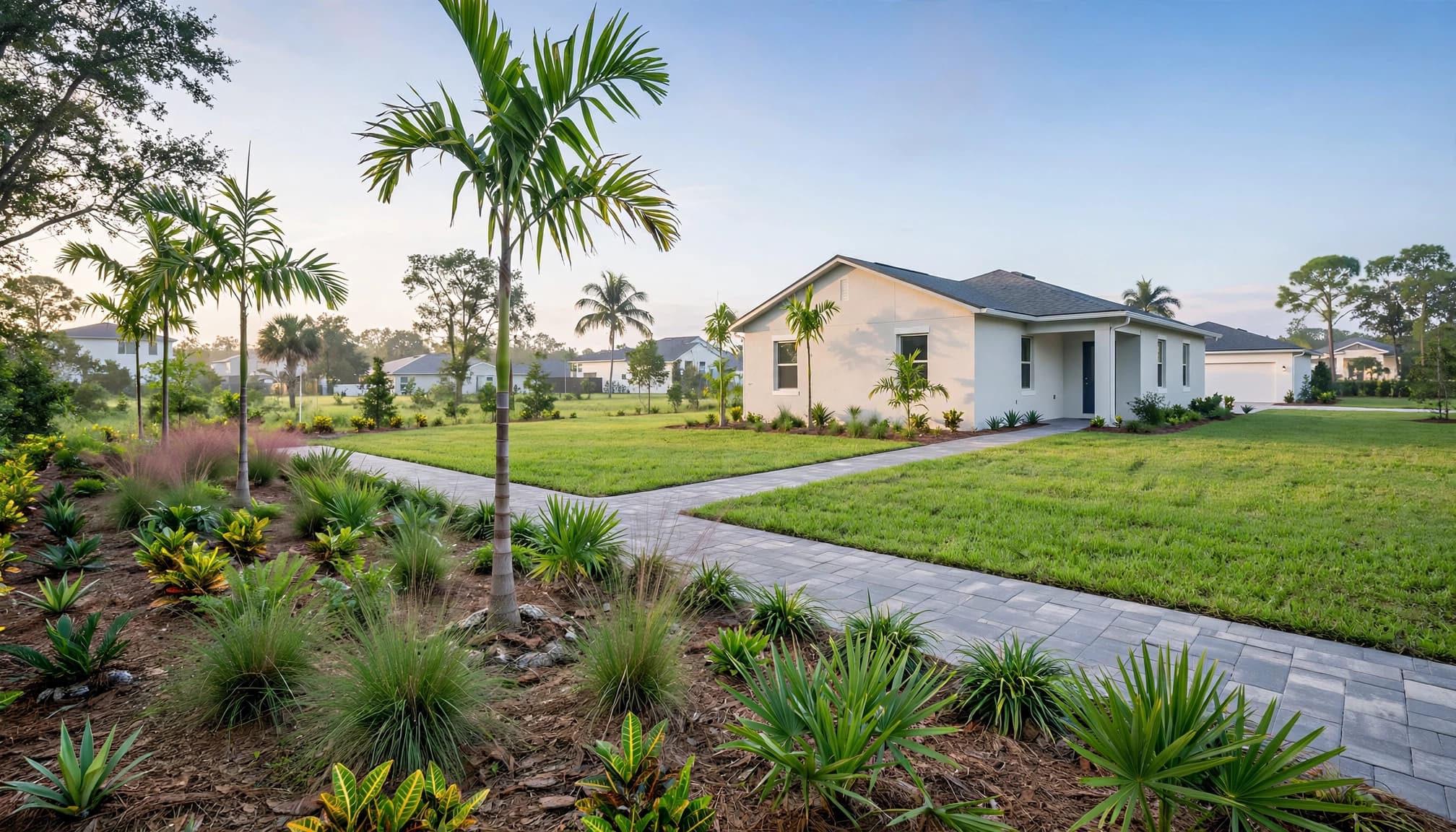
For a Southwest Florida home, landscaping may include planting, sod, irrigation, and other exterior work. An allowance should identify the area covered and the work included. It should also distinguish landscaping from grading, drainage, driveways, and site preparation where those appear elsewhere in the budget.
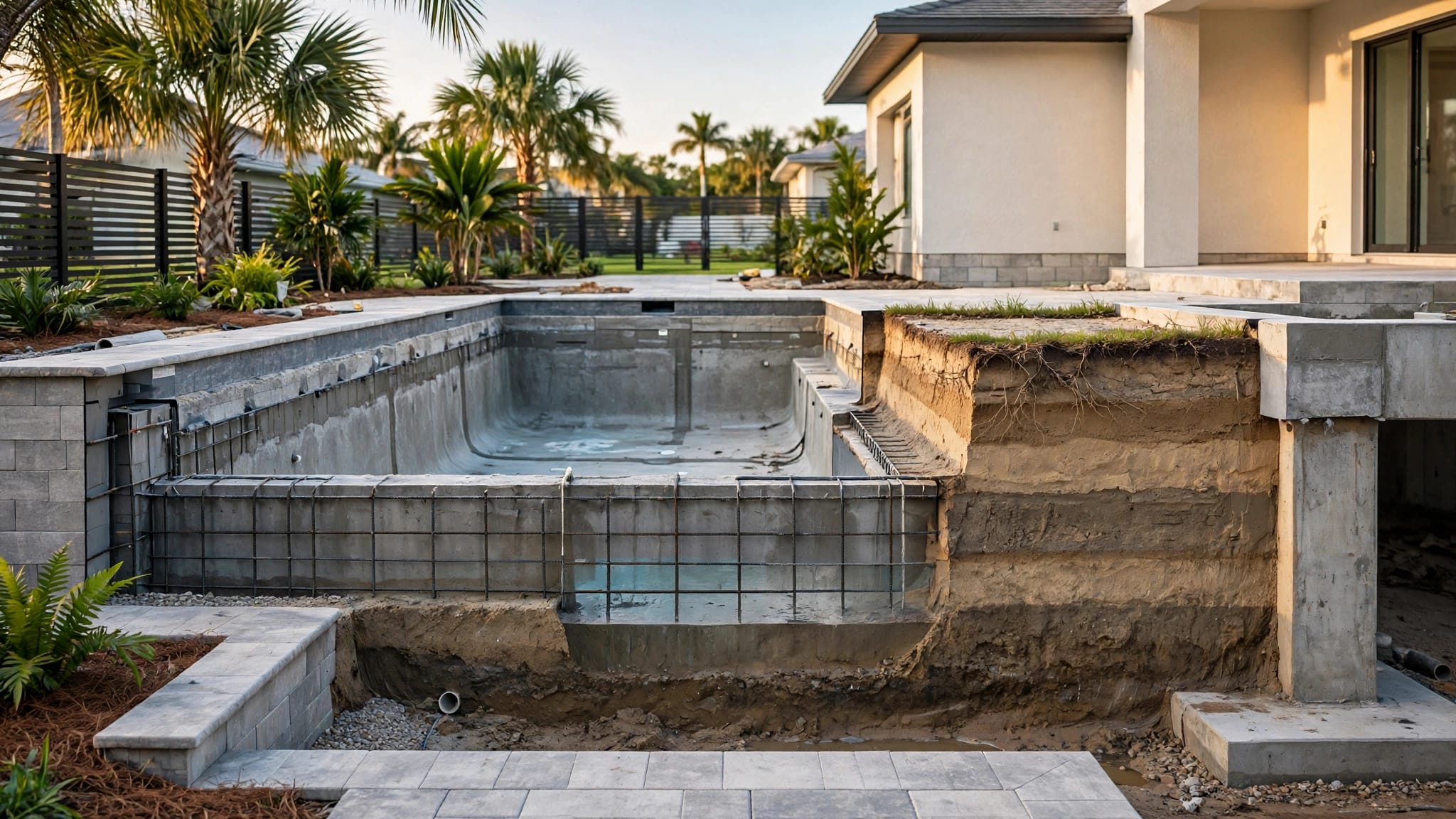
If your plans include a pool or outdoor living area, review those features alongside the landscape scope. Construction access, irrigation, and the final layout can affect what needs to be installed or restored.
Your broader project budget may also include utilities, design fees, permits, and site work. Those expenses deserve their own entries rather than being assumed to fit inside a landscape allowance.
What every allowance entry should spell out
Each entry should state the agreed allowance amount and describe the products or work it covers. It should also explain which costs are included, which are covered elsewhere, and which remain the homeowner's responsibility.
Materials, labor, and related costs
For each category, document whether the amount covers delivery, installation, labor, waste, and related materials. For example, a flooring entry should distinguish the finished product from the underlayment and materials needed to install it.
A product-only allowance can work if the contract clearly accounts for the other costs. The problem is an entry that leaves you unable to tell where those costs belong. Avoid counting the same work twice, and identify any work that sits outside both the allowance and the base scope.
Quantities and exclusions
The schedule should show the quantity or area used to develop the allowance where that affects the price. Include the relevant room, plan reference, product specification, or scope description. A cabinet allowance for one kitchen has a different meaning from one that also covers bathrooms and a laundry room.
List exclusions beside the allowance when possible. If a selection requires work outside the original scope, the contract should explain how that work is priced and approved before it proceeds.
A practical allowance schedule for your contract
Use a schedule like this alongside the agreed amount, coverage details, selection deadline, and approval record for each item.
| Allowance item | Scope to describe in the schedule |
|---|---|
| Cabinetry | Rooms, layout, hardware, trim, delivery, and installation |
| Countertops | Material, thickness, edge, cutouts, backsplash, and installation |
| Flooring and tile | Covered areas, material, waste, transitions, and installation |
| Lighting | Fixture list, locations, purchasing, and installation |
| Plumbing fixtures | Fixture list, valves, connection materials, and installation |
| Appliances | Products, model specifications, delivery, and connections |
| Landscaping | Planting areas, sod, irrigation, and site restoration |
The schedule becomes more useful when it points to the corresponding plans and specifications. Keep the signed version with the contract, then retain approved selections and changes with the same project file.
At your Fort Myers preconstruction meeting, bring the allowance list together with the current plans, budget, exclusions, and proposed construction schedule. Using one plan revision as the official reference helps everyone discuss the same scope.
Set selection deadlines and approval steps
An allowance gives you a choice, but that choice has to fit the construction sequence. The schedule should identify when each decision is due and who has authority to approve it.
Connect decisions to the work
Cabinet choices can affect appliance openings, while plumbing selections can affect rough-in requirements. Lighting decisions may influence fixture locations and electrical work. A deadline should give the builder time to coordinate those details before the affected work is covered or products are ordered.
Long-lead products need attention as well. The selection schedule should identify when an item must be chosen and ordered, rather than treating the installation date as the only deadline.
Keep approvals in writing
A selection record should identify the product, model or finish, quantity, and any related plan revision. It should also state the expected effect on cost and schedule before you approve the decision.
Agree on a primary contact and a method for sharing decisions. Keep the approved selection with the contract documents so a showroom conversation doesn't become the only record of what you chose.
If you plan to supply an appliance or fixture yourself, document that responsibility. The agreement should address delivery timing, storage, installation, and what happens if the item doesn't fit the planned opening.
Agree on credits, overages, and substitutions

Allowance adjustments should follow a written process. Ask for the contract to explain how the builder compares the allowance with the final cost and how the difference appears in the project accounting.
Underages and overages
An underage occurs when the covered final cost is less than the allowance. An overage occurs when it is more. The agreement should state how an underage is credited and how an overage is charged, including when each adjustment appears on an invoice or payment request.
The comparison should use the same scope on both sides. If the allowance covers material only, the reconciliation should make that clear rather than comparing it with an unexplained installed total. Request enough supporting detail to understand the adjustment.
Product changes and price changes
A product may become unavailable, or its price may change before an order is placed. The contract should describe who proposes a substitute, who approves it, and how its cost and schedule effects are documented.
The same applies when you request a different selection after approval. A written change should identify the replacement product and any affected work. Changes after ordering may also involve delivery delays or restocking charges, so address those possibilities in the agreement.
Questions to ask your builder before signing
Bring these questions to your contract discussion and ask for the answers to appear in the written documents:
- Which products are allowances, which are fixed-price items, and which are excluded?
- What does each allowance cover beyond the product itself?
- When must I make each selection, and who approves it?
- How will credits and additional charges appear in the project records?
- What happens if a product is unavailable or I change my selection after ordering?
- How will I receive updated totals and supporting cost details?
For help planning a project, our team provides new home construction in Fort Myers. A clear conversation about allowances belongs early in the process, while the plans and budget are still taking shape.
Put the allowance details in writing
An allowance is useful when it gives you flexibility without leaving the financial process unclear. The amount, scope, decision date, and adjustment method should all be easy to find in your contract documents.
Keep your approved selections and changes with the same project file. That record gives you and your builder a shared reference as your Fort Myers home takes shape.