Fort Myers Gunite Pool Light Replacement: What to Expect
Explore Our Services
Contact Us Today!
(239) 322-9295
Gunite pool light replacement can be a stand-alone project or part of a larger pool renovation. In either case, the work starts with understanding the existing setup and deciding what you want the new lighting to accomplish.
For Fort Myers homeowners, a clear scope of work helps connect those decisions to the pool finish, deck, and outdoor living space. Before work begins, consider how you use the pool and what you want to see after sunset.
What a gunite pool light replacement involves
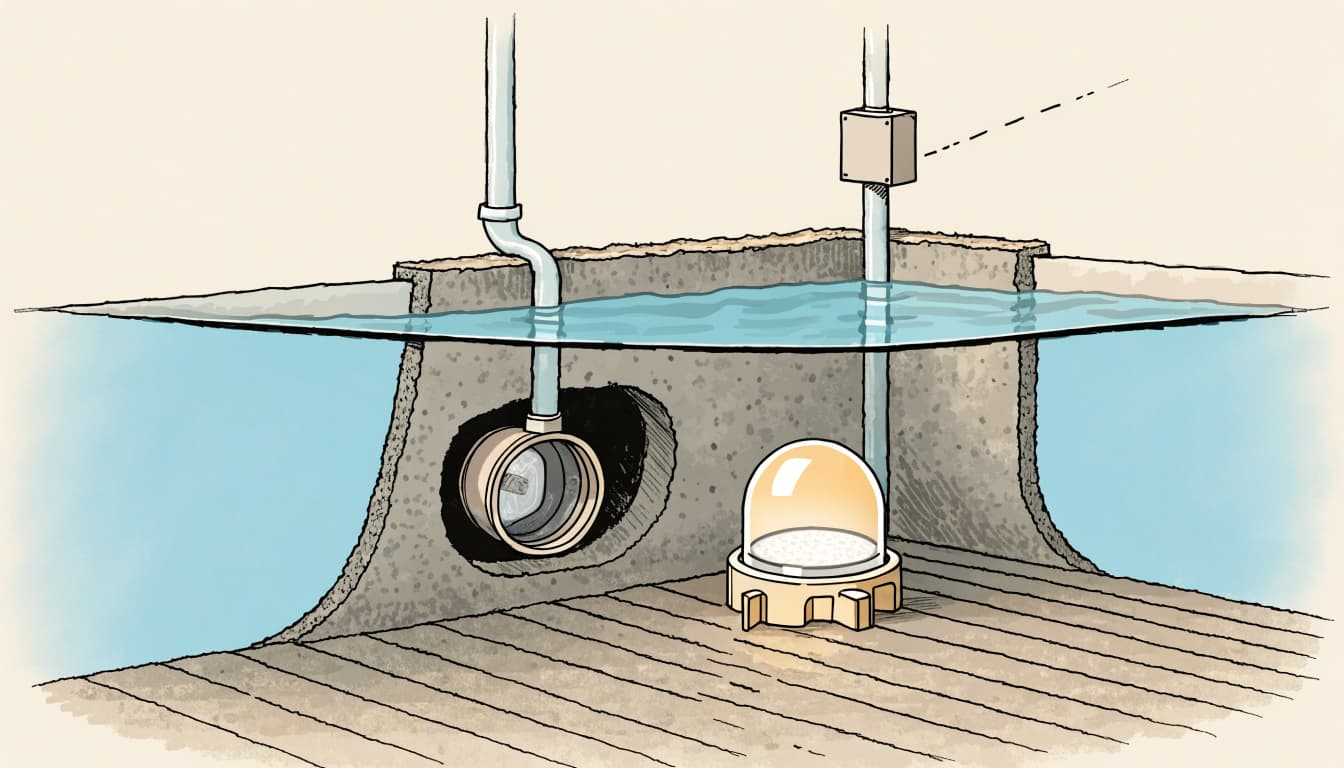
A pool light is part of a larger installation that connects the fixture in the pool wall to electrical equipment outside the water. The visible lens is only one part of that arrangement.
The fixture and pool wall
In many gunite pools, a light sits in a recessed housing called a niche. The lens faces the water, while the rest of the assembly sits behind it. The illustration shows one general arrangement; pools can have different lighting designs.
When discussing the project, describe whether you want to retain the existing appearance or change how the pool looks at night. That distinction helps shape the renovation plan.
The equipment outside the pool
Pool lighting can also involve controls and other equipment located away from the water. Their placement matters to the finished backyard, especially if landscaping or a screen enclosure surrounds the equipment area.
A useful renovation plan accounts for both the pool wall and the visible parts of the outdoor space. It should also leave a clear record of the equipment included in the project.
Start with your reasons for replacing the light
A light that no longer works is an obvious reason to plan a replacement. But a renovation can also address lighting that makes the pool uncomfortable to use after dark.
Stand near the lanai or your usual seating area and look toward the pool. If a lens shines directly into your eyes, note where you were standing. Then consider how the light reaches the steps, bench, tanning ledge, and deeper areas.
If the pool has several lights, describe what you like and dislike about each area. That gives the contractor a more useful starting point than asking for a brighter pool overall.
Write down any other work you're considering, such as a new interior finish, tile, coping, or deck improvements. Our Fort Myers pool renovation services cover broader remodeling projects when lighting is one part of the plan.
Plan the project around your existing pool
Before choosing the look of the new light, give your contractor a clear picture of the pool and the surrounding space. Photos and any existing pool documents can help explain the layout.
Review the whole pool area
Point out steps, curves, benches, and water features that affect how you use the pool. Also show the contractor the main views from the house and lanai. A light that looks comfortable from the pool deck can feel harsh when viewed through a living room window.
If you're considering changes to landscaping or a screen enclosure, include those in the conversation. The finished design should account for how people move through the yard, not only how the pool looks in isolation.
Describe the finish you want
The interior finish affects the appearance of light in the water. A dark surface generally absorbs more light than a pale one, while reflective materials can make glare more noticeable.
If you're choosing a new finish, compare samples with the lighting look you prefer. White, blue, and color-changing light can make the same surface look quite different after sunset.
Choose the lighting effect before choosing a look
Pool lighting should make the water inviting while helping you see the areas you use. Start with the practical needs of your household, then consider decorative options.
White light or color-changing light
White light gives the pool a consistent appearance and can suit homeowners who prefer a simple nighttime setting. Color-changing lighting offers more choices for the look of the water when you're entertaining or relaxing outdoors.
Ask how the proposed controls work and what settings are included. A lighting plan should be comfortable for ordinary evenings, even if you also want color options for special occasions.
Glare and dark areas
Pay attention to sightlines from the lanai, outdoor dining area, and doors facing the pool. A bright lens in your direct view can compete with the rest of the backyard.
At the same time, consider areas where people enter, sit, or change depth. Steps and benches need to remain easy to see. Discuss those priorities with the contractor before settling on the visual effect.
Coordinate the light with other renovation work
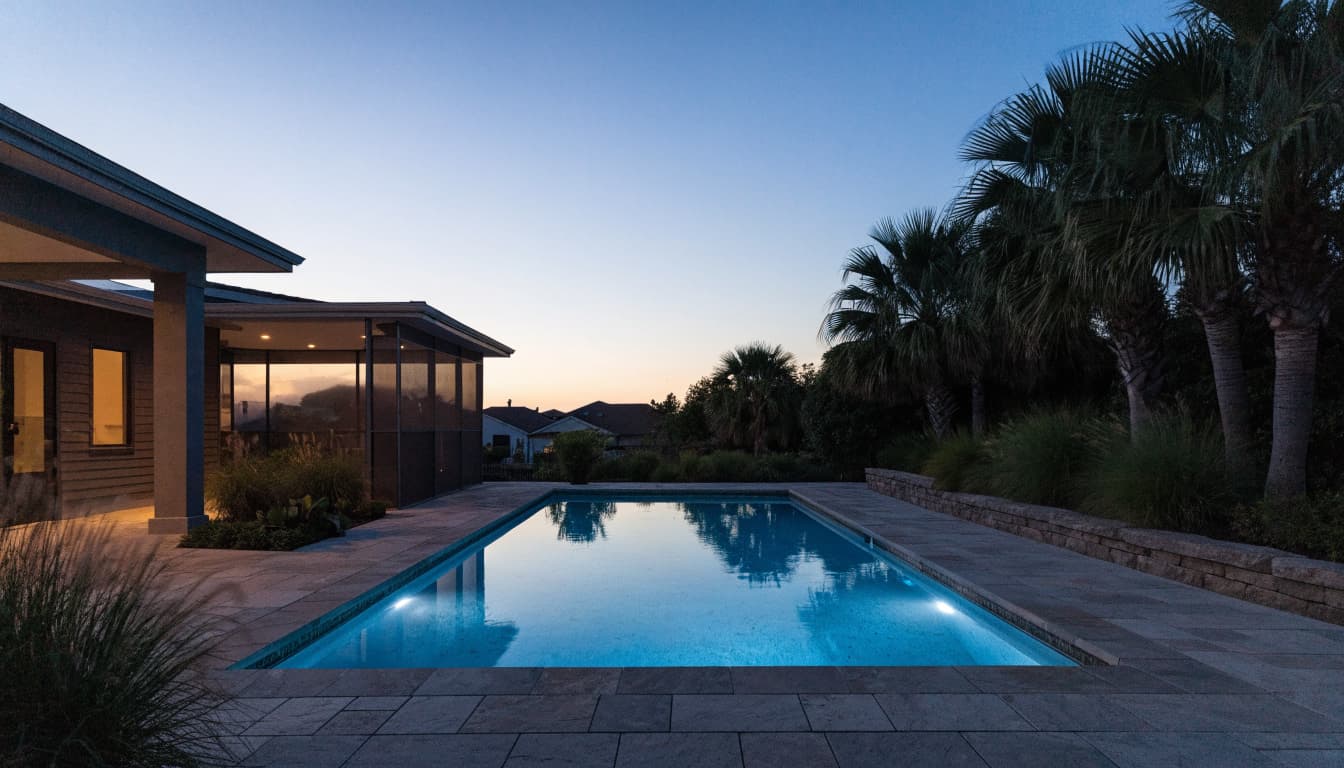
A lighting project has different planning needs when it sits alongside resurfacing or deck work. The more clearly those pieces fit together on paper, the easier it is to understand what your proposal includes.
Pool finish, tile, and coping
If you're changing the interior surface, show the contractor your preferred finish and color before approving the lighting plan. Also identify any tile or coping you want to replace. These choices affect the finished appearance around the waterline and pool wall.
A light replacement alone has a narrower scope than a project that also changes the pool's interior. Ask for the lighting and surface work to be described separately, even when they're part of one proposal.
Deck and outdoor living space
The deck frames your view of the pool. If you're also changing pavers, seating, or the lanai, discuss the finished layout before making lighting decisions.
Consider where chairs and tables will sit and which parts of the pool will be visible from them. Our pool renovation services can be part of a larger plan for the pool and its surroundings.
How the renovation moves through each stage
The first stage is a conversation about the existing pool and your goals. Bring photos, describe any concerns, and identify other improvements you want included. This is the time to explain how you use the backyard after dark.
Next comes the written scope. It should identify the proposed lighting, the areas of the pool involved, and any related finish or deck work. Review the appearance and control options before authorizing the project.
The work itself should follow the agreed scope. If the team identifies a condition that changes the plan, ask for the proposed change and its effect on the price in writing before approving it.
After the project is complete, review the pool in the evening. Look at the water from your usual seating areas and note whether steps and benches are visible. Keep the project paperwork and product information together for future reference.
Keep electrical safety in the conversation
Pool lighting belongs in the hands of qualified, properly licensed professionals. Water, wet surfaces, and nearby metal make electrical work around a pool a serious safety matter.
Bonding and grounding are two different parts of pool electrical safety. Bonding connects conductive parts to help reduce voltage differences; grounding provides a path for fault current where required. A new light by itself doesn't establish the condition of the rest of the pool's electrical system.
Our guide to pool electrical bonding explains how the surrounding pool area fits into that discussion.
If you suspect an electrical hazard, keep people out of the pool and contact a qualified professional. Don't open electrical panels or attempt repairs yourself.
Build a budget around the written scope
The most useful budget starts with a detailed proposal rather than a single figure. A quote should show what you're buying and what other work, if any, is included.
For example, a project that includes a new pool finish or deck improvements covers more than a lighting-only scope. Controls and other selected features also belong in the written description. If two proposals cover different work, their totals won't be directly comparable.
Ask how the contract handles changes to the agreed work. A written change should describe the added or revised scope and the price before you authorize it. Also ask whether any allowances appear in the proposal and what each allowance covers.
For a wider remodeling project, our guide to Fort Myers pool renovation costs provides context for planning beyond the light itself.
Questions to ask before work begins
A short conversation can prevent assumptions about the finished project. Put the answers in the proposal or contract where appropriate.
- What lighting appearance and controls are included in the proposal?
- How will the plan address views from the lanai and visibility around steps and benches?
- Which finish, tile, coping, or deck work is included alongside the lighting?
- Who will perform the work, and who is the contact for project questions?
- How will changes to the agreed scope and price be presented?
- What product information and project records will we receive at completion?
Bring up anything that's important to your household, including a favorite seating area or a planned change to the pool finish. Those details give the contractor a clearer picture of the result you want.
Plan for a pool you'll enjoy after dark
A successful lighting renovation starts with a clear view of the finished pool. Consider how the water will look from your home and how easily you'll see the places people use.
The written scope brings those choices together with the rest of the project. With the work and its price clearly described, you can move forward knowing what your renovation is intended to deliver.