


Power can disappear faster than an afternoon storm in Southwest Florida. If you're building a new home in 2026, backup power deserves a real budget line.
If you're pricing generator costs southwest florida buyers are seeing this year, the biggest swing usually isn't the generator itself. It's fuel access, electrical scope, permits, pad placement, and whether the work is planned during construction or added after the house is finished.
Start early, and the numbers get clearer. Wait until move-in, and costs usually climb.
What a standby generator costs for a new home in 2026
For most new homes in Southwest Florida, generator pricing works best as a planning range, not a single number. These are estimates that vary by home size, load requirements, municipality, builder, utility access, fuel type, and installation complexity.
Here's a simple budgeting snapshot for 2026:
| System type | Typical use | Estimated installed range |
|---|---|---|
| 14 to 20 kW standby | Essential circuits, smaller homes, selective cooling | $9,000 to $14,000 |
| 22 to 26 kW standby | Common fit for many 2,500 to 4,000 SF homes | $12,500 to $17,000 |
| 36+ kW standby | Large homes, multiple AC systems, heavier loads | $18,000 to $27,000 |
For many Southwest Florida builds, 22 kW to 26 kW is the range that gets the most attention. It often covers one AC system, refrigeration, lighting, internet, some kitchen loads, and basic daily living. Bigger homes, larger panels, or two AC systems usually push the budget higher.
A few line items move the number fast. An automatic transfer switch often adds around $1,200 . A concrete pad may run $150 to $400 . Gas line work is often the biggest wildcard, and a typical installation can add several thousand dollars, especially when trenching is long or routing is tricky. Permit and inspection charges may start around a few hundred dollars, yet combined local electrical and gas permits can climb higher.
That's why quotes that look "cheap" on page one can grow later. One price may include the pad, gas stub, startup, and inspections. Another may leave those out.
Why adding a generator during construction can save money
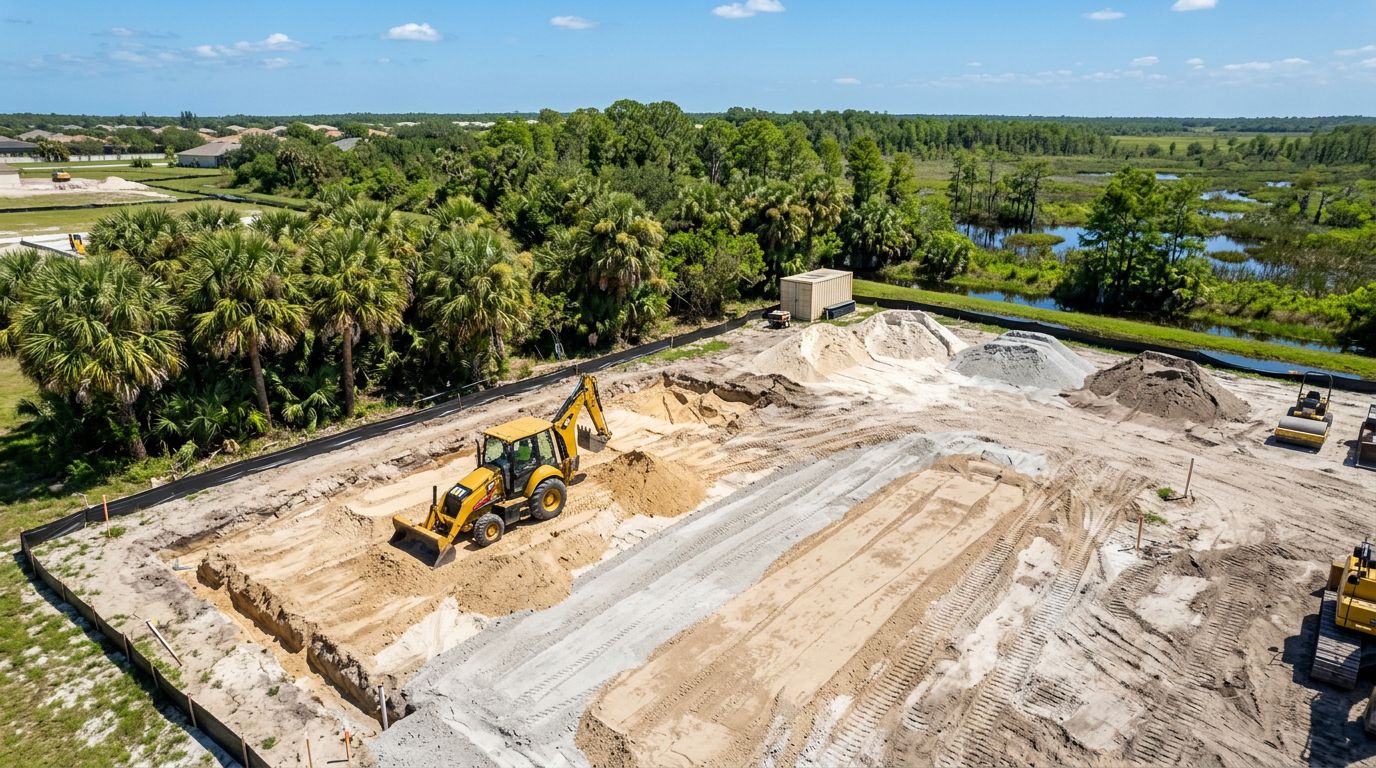
Installing a standby generator during new construction often costs less than retrofitting later. The reason is simple. Open walls, open trenches, and active trades make the work easier.
Your electrician can plan panel space, transfer switch location, conduit runs, and load-shed controls during rough-in. If you want a better feel for how that phase is budgeted, this guide on electrical rough-in costs for Southwest Florida new construction helps show where generator-ready planning fits.
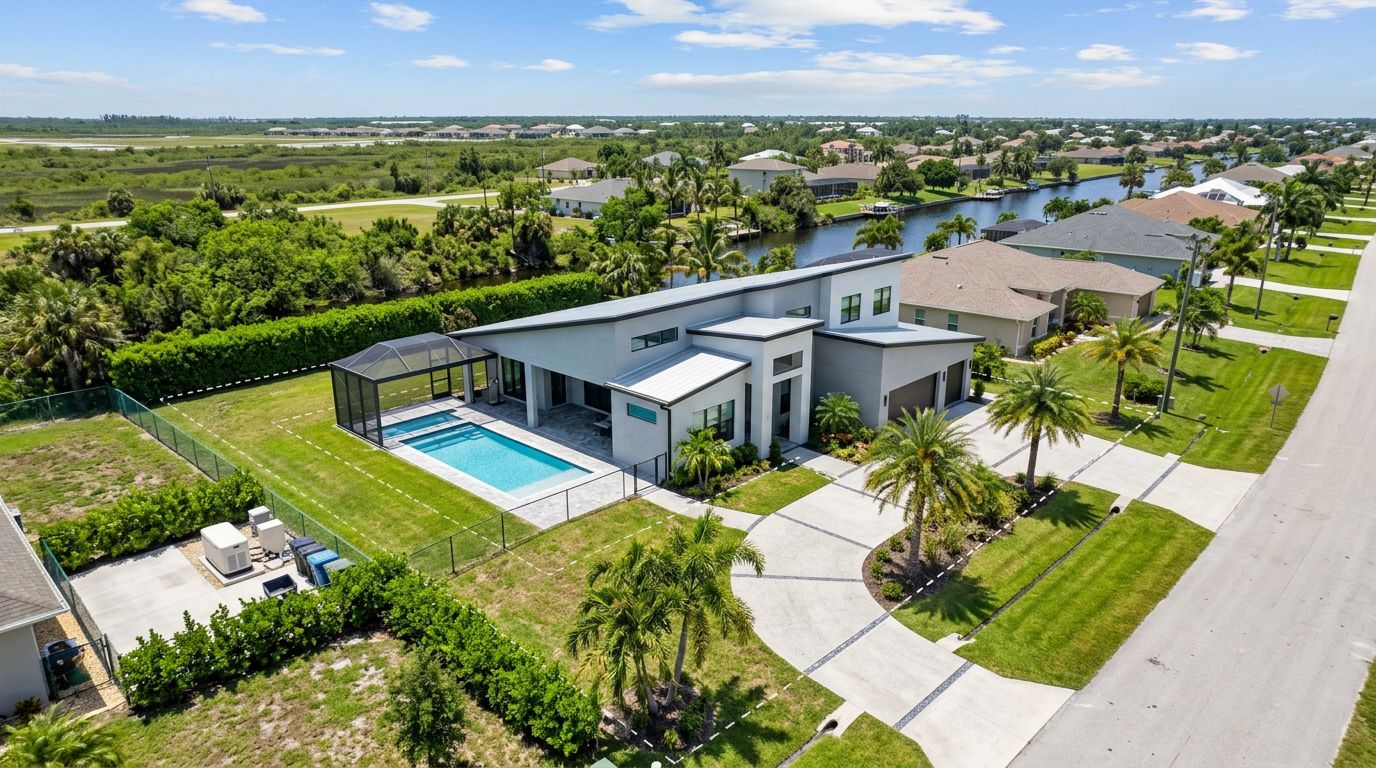
Meanwhile, your builder can coordinate the gas route, the pad location, and final clearances before the driveway, landscaping, and pool deck lock everything in. That matters more than many buyers expect. A poor pad location can create drainage headaches, access issues, or a fight with setback rules and equipment clearances.
Adding a generator after move-in often means paying to disturb finished work, then paying again to restore it.
Code and permitting matter too. In Cape Coral, Fort Myers, and unincorporated Lee County, permit paths can differ. Some projects need separate electrical and gas permits, plus inspections and plan review. This breakdown of 2026 SW Florida new home permit fees is a useful reminder that local fees rarely show up as one neat line item.
Builder coordination is where budgets stay calm. If you're working with a cost-plus home builder , ask for line-item backup, not a blended allowance. Good transparent pricing should show the generator unit, transfer switch, gas work, permits, pad, startup, and any monitoring or maintenance add-ons as separate items. That open-book approach is explained well in this article on cost-plus home building fees in Southwest Florida.
Sizing, add-ons, and the questions worth asking before you sign
Sizing a generator is a lot like choosing a truck. Too small, and it strains when you need it most. Too large, and you pay for capacity you may never use.
Don't start with square footage alone. Start with your actual loads. In Southwest Florida, that usually means at least part of the cooling system, refrigerator, freezer, lighting, internet, garage door, and water-related equipment. Then look at the big hitters, such as electric ranges, ovens, dryers, pool equipment, EV chargers, and a second AC system.
For many new homes, the smartest setup is not "power everything." It's "power the right things." Load-management modules can let a smaller generator handle more without jumping straight to a 36+ kW system. That can save money upfront.
Common add-ons that change the total include surge protection, remote monitoring, sound-reducing accessories, corrosion-resistant hardware near salt air, propane tank setup, long gas trenching, and upgraded transfer equipment. Natural gas usually costs less to run than propane, but only if service is available at the lot. Propane gives more flexibility, though the tank and fuel setup add cost.
Before you approve the scope, ask these questions:
- What loads are included in the sizing calculation, and what stays off during an outage?
- Is the quote complete , including the pad, gas line, electrical tie-in, permits, startup, and inspections?
- Where will the generator sit , and does that location work with drainage, access, and code clearances?
- Will the house be generator-ready at rough-in , even if the unit is installed later?
- How are changes priced if the municipality, utility, or site conditions require extra work?
The better the questions, the fewer surprises later.
A standby generator isn't only a product. It's a coordination job, and that job starts long before the first outage.
Build it into the plan early, ask for transparent pricing , and compare quotes by scope, not by sticker. If your builder can show exactly what you're paying for, you'll make a better call before the concrete is poured.