Gunite Pool Plaster Blisters: Causes and Repairs in Fort Myers
Explore Our Services
Contact Us Today!
(239) 322-9295
A raised spot in a gunite pool's plaster can look like a small cosmetic flaw, but it may point to a problem beneath the finish. Pool plaster blisters can have more than one explanation, so appearance alone isn't enough to choose a repair.
For Fort Myers homeowners, the practical first step is to have the affected area and surrounding pool evaluated before patching or draining. The right repair depends on what the inspection finds and how much of the finish or underlying structure is involved.
Key Takeaways
- A blister is a visible surface condition, not a diagnosis. Its size or location doesn't confirm the cause.
- A qualified assessment should consider the finish, bond coat, concrete shell, fittings, plumbing and surrounding drainage.
- A small, isolated defect may need localized repair. Widespread or recurring damage may call for broader work.
- Resurfacing replaces the interior finish, but it won't fix a structural problem or leaking pipe.
- Draining a pool can be risky in Southwest Florida because groundwater pressure may affect an empty shell. Get a professional assessment before draining.
What a Blistered Pool Finish Can Tell You
A pool's plaster is the visible interior finish over its gunite or shotcrete shell. When a section appears raised, feels different underfoot or sounds hollow when tapped, it's worth investigating. Those signs can help identify an area for inspection, but they don't prove why the finish has changed.
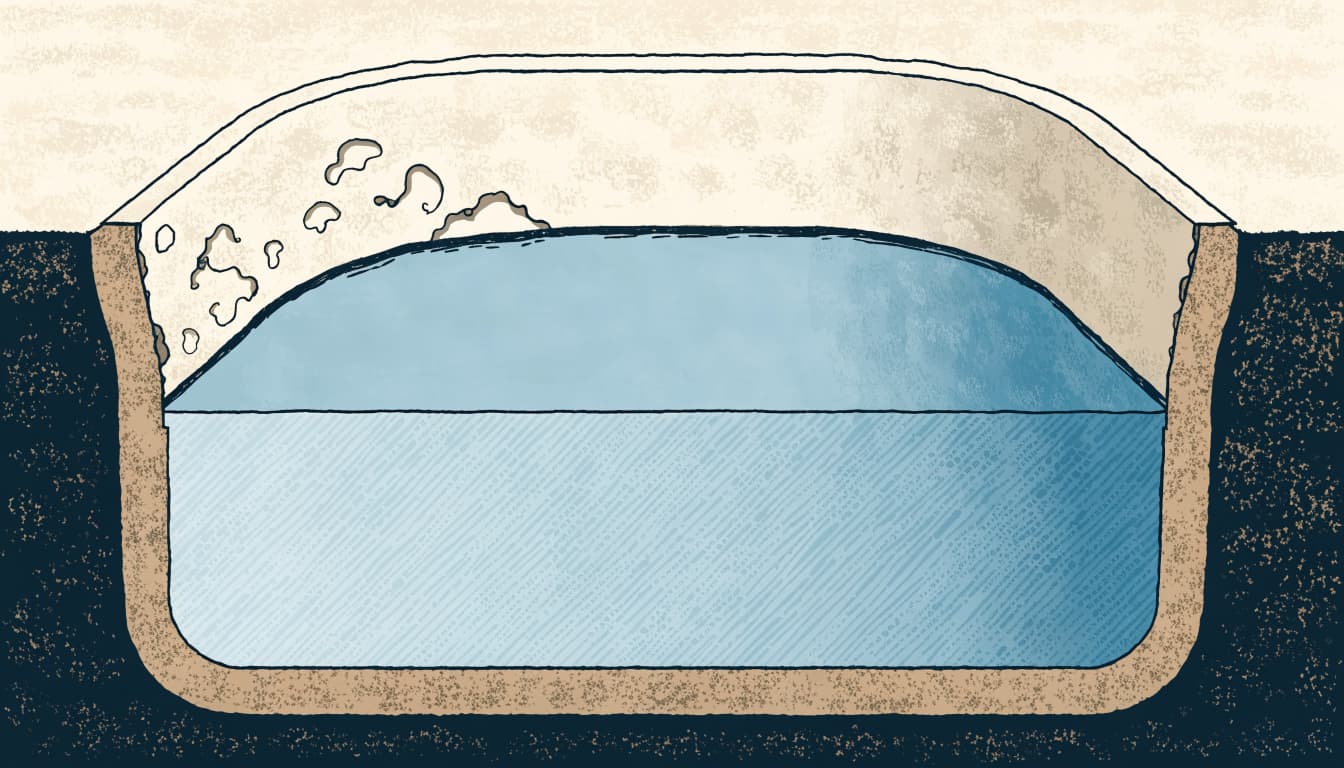
A surface symptom isn't a confirmed cause
Blisters and hollow-sounding areas can occur alongside other visible changes, such as discoloration, roughness, cracks or loose material. However, those symptoms can overlap across different types of pool damage. A discolored patch, for example, doesn't establish that the finish has lost its bond.
Look at how the condition changes over time. Note whether one area is affected or several, whether nearby tiles or fittings have shifted, and whether the spot is growing. These details can help a pool professional decide what to inspect next.
Check the surrounding finish, not only the raised spot
A blister may sit near a fitting, step, waterline or earlier repair. Nearby damage can affect the recommended scope, even when the most visible area is small. If a patch has appeared before or the surrounding plaster also sounds hollow, describe that pattern during the assessment.
Avoid covering the area before inspection. Removing or patching material too early can make it harder to see the condition of the finish beneath it.
Why Blisters Need a Closer Look
The pool's interior finish is only one part of the system. A gunite pool also has a concrete shell, bond coat, plumbing and fittings, along with surrounding deck and drainage conditions. Damage on the surface doesn't reveal which part needs attention, if any, beneath it.
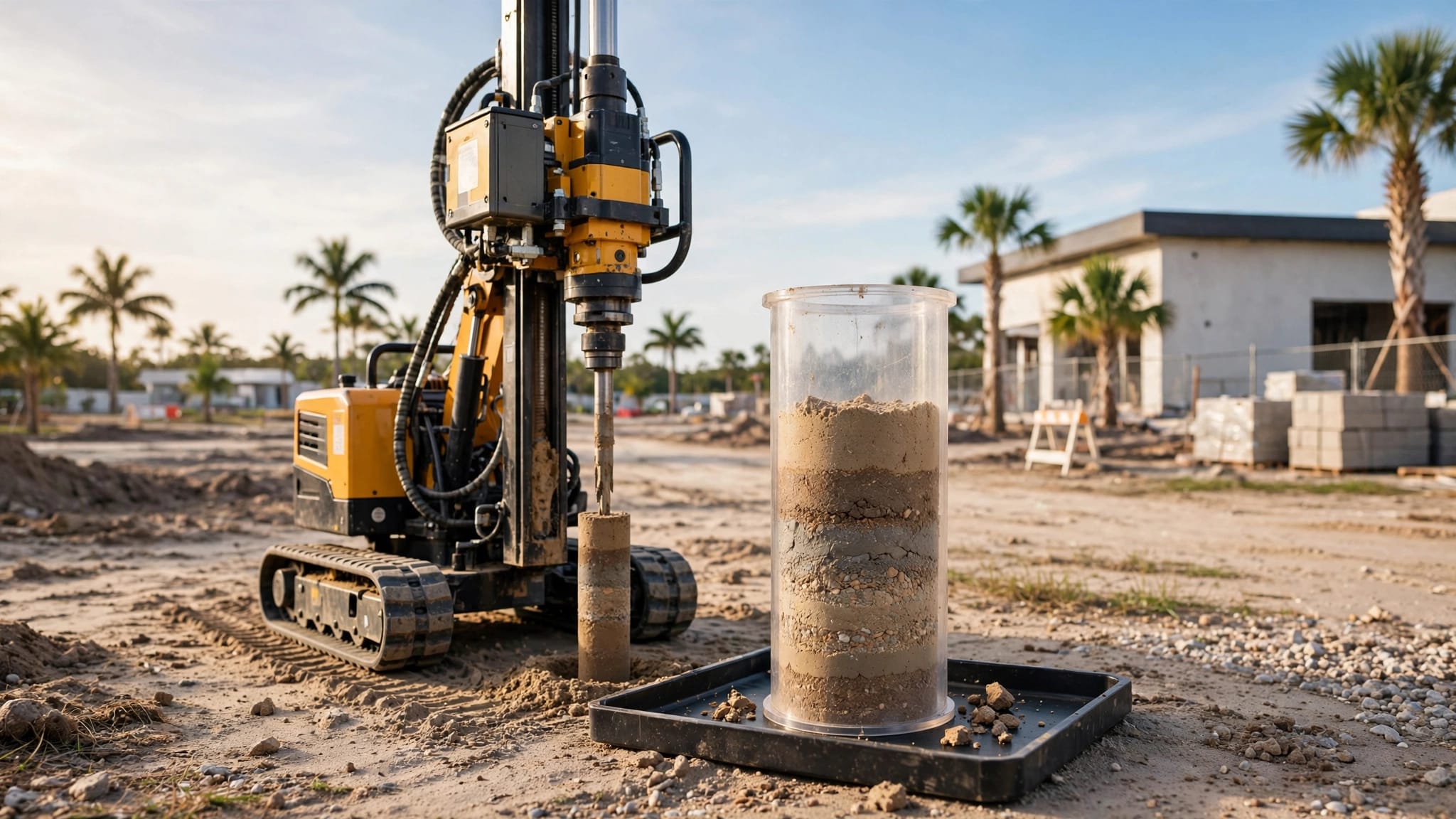
A gunite and shotcrete pool construction comparison describes several possible areas for a repair assessment, including the finish, bond coat, shell, plumbing and deck drainage. That distinction matters because each calls for a different response.
Look for patterns that may change the scope
Cracks, spalling, tile loss and hollow-sounding sections can occur in older concrete pools. A single symptom still doesn't confirm a structural defect. A professional may need to inspect how it relates to nearby features and whether it recurs across the pool.
Persistent water loss also deserves attention, but a falling water level alone doesn't prove a leak. Evaporation and splashing affect pool levels. If water loss accompanies visible finish damage, mention both during the inspection.
Review the pool's history
The pool's age, prior repairs and construction records can provide useful context. If available, keep notes on when the blister first appeared, whether it has changed and what work has been done nearby. For a newer pool, installation and finish documentation may help the contractor understand the materials and preparation used.
A professional should separate a surface repair from work involving the shell or plumbing. Applying a new finish over an unresolved condition can leave the underlying issue in place.
How a Professional Assessment Narrows the Problem
An assessment should start with the observed condition, then consider the nearby pool components and the pool's history. This helps distinguish an isolated finish defect from damage that needs a wider repair plan.
Inspect the finish and adjacent components
A pool renovation professional may examine the affected plaster, nearby tile, coping, steps, fittings and visible plumbing concerns. The contractor can check whether the finish around the blister is firmly attached and whether other areas show similar changes.
When cracks or water loss raise questions about the pool system, different tests may be appropriate. Depending on the symptoms, an inspection could involve leak detection, dye testing or pressure testing. The right method depends on where the evidence points, rather than on the blister alone.
Ask for findings tied to the repair plan
A useful written estimate should describe what the contractor found and distinguish finish work from structural or plumbing repairs. It should also identify the areas that need preparation and the proposed finish materials.
If the assessment identifies more than one issue, ask how the work will address each one. A new plaster surface can improve the interior appearance, but it won't repair a leaking pipe or a moving shell.
Repair Options for Pool Plaster Blisters
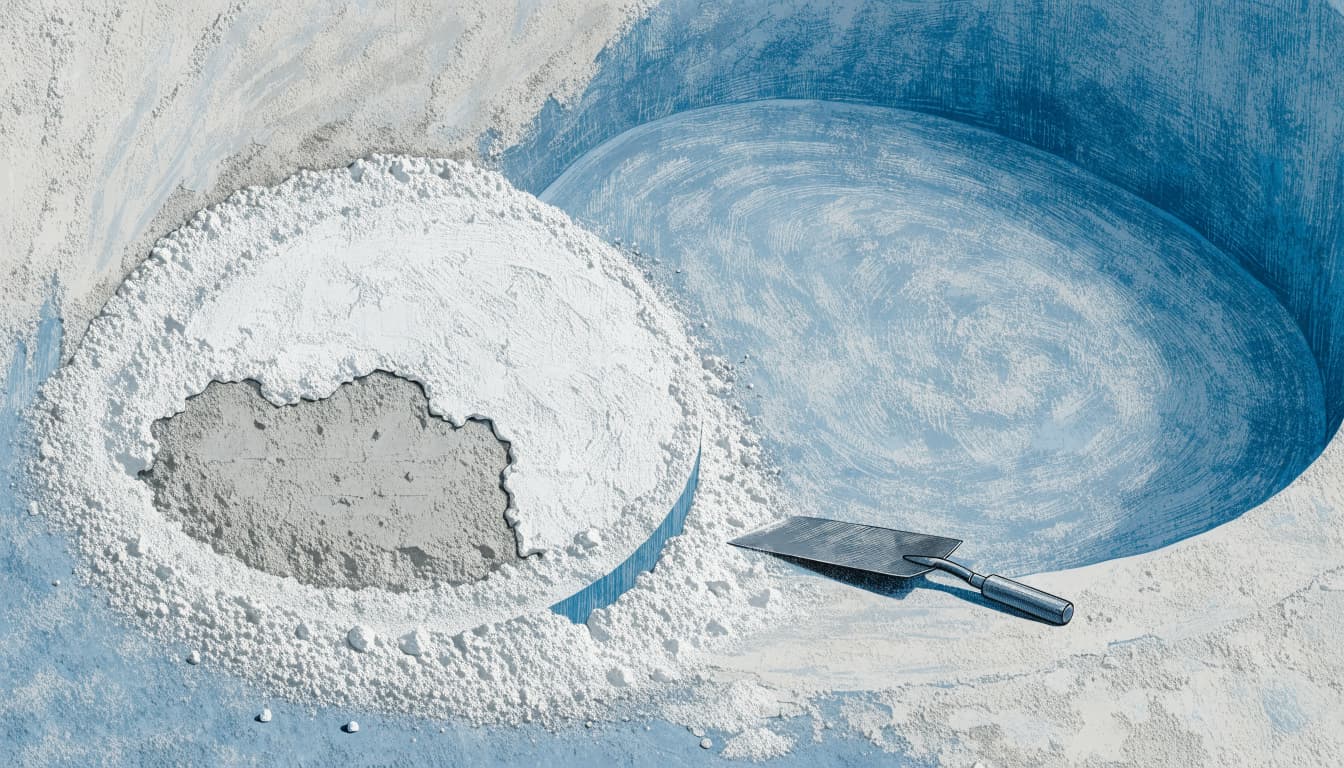
The repair should match the area involved and the condition of the material around it. A small patch may suit isolated damage where surrounding plaster remains sound. Broader damage may call for resurfacing or additional repairs before a new finish goes on.
Localized repair
For limited damage, a contractor may remove loose material, prepare sound concrete, rebuild the affected area and apply a compatible finish. The patch still needs careful preparation. Replacing only the visible material without addressing the edges or the surface beneath it may leave a weak repair.
Color and texture can also differ between new and older plaster. Even when a small repair is technically appropriate, the patched area may remain visible. Ask how the proposed material will compare with the existing surface.
Resurfacing or repair beyond the plaster
When the finish has widespread damage, resurfacing may be more practical than patching multiple areas. The crew removes failing material, prepares the pool interior and applies a new finish. If inspection finds shell, plumbing or fitting problems, those repairs need to be addressed as part of the plan.
Resurfacing has limits. It renews the interior finish, but doesn't correct shell movement, a leaking line or poor drainage around the pool. The contractor should identify those issues separately instead of treating a new surface as a cure-all.
Water Care After a Pool Finish Repair
Once repair work is complete, follow the contractor's and finish manufacturer's instructions for filling and startup. New plaster and aggregate finishes need product-specific care, including guidance on water testing, brushing and chemical adjustments.
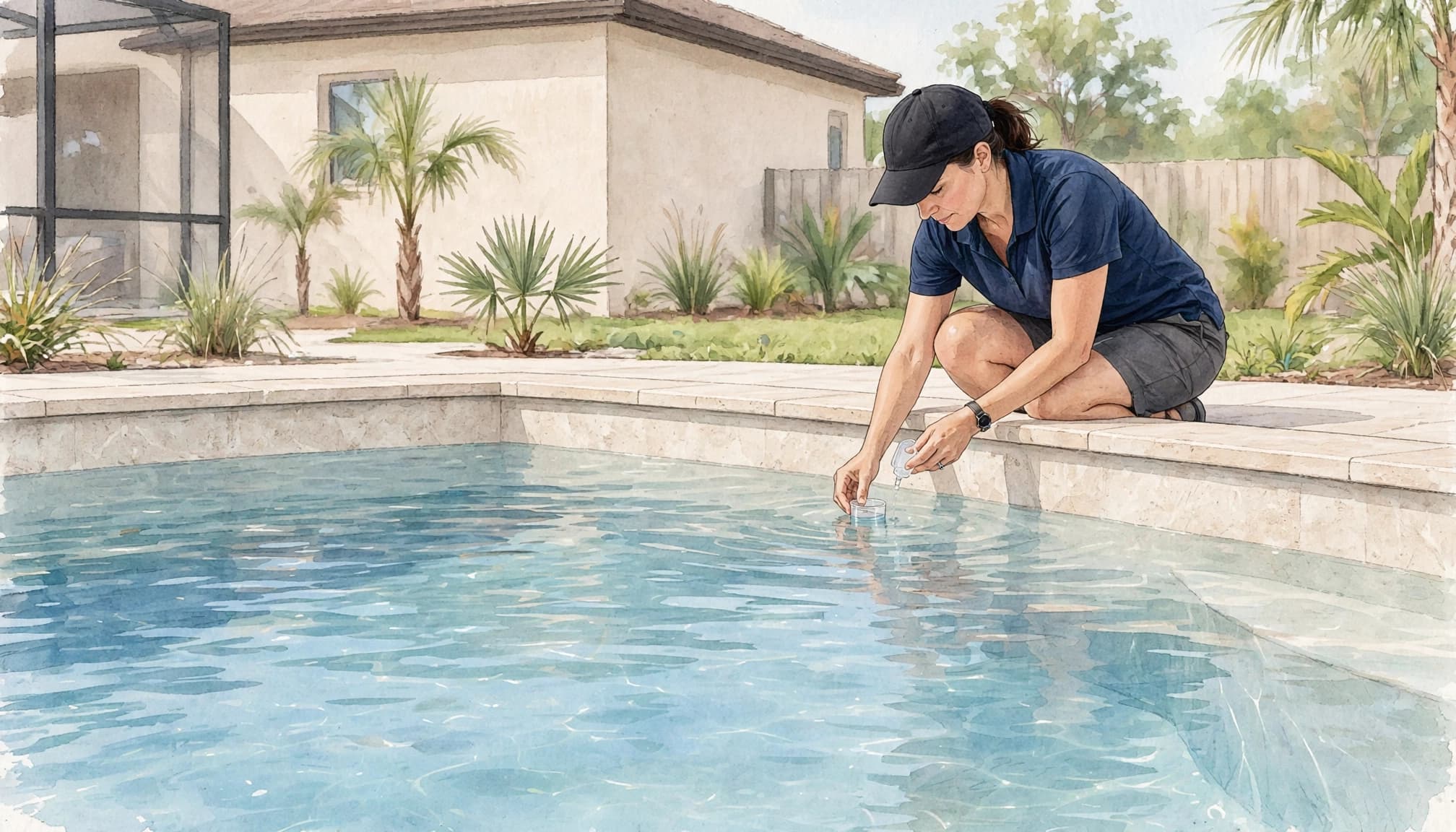
Ask who will manage startup water care and what written directions you'll receive. Regular testing also helps you spot changes that need attention. Keep records of the repair materials and care instructions with your pool documents, especially if you plan future renovations.
Why Draining a Pool Requires Professional Planning
Draining a gunite pool can be risky in Southwest Florida. When groundwater pressure beneath the pool is greater than the water pressure inside it, an empty shell may be at risk of movement or uplift. The actual risk depends on site and pool conditions, so homeowners shouldn't assume a pool is safe to drain based on the weather or a visible blister.
Before water is removed, have a qualified pool professional assess the situation and plan the work. This matters for repairs that seem small, too. If the recommended repair requires draining, make sure the pool's condition and the drainage plan are part of the discussion.
Fort Myers Pool Repair and Renovation Costs
A blister-specific repair price depends on the size of the affected area, the condition of nearby plaster and whether the work extends to the shell, plumbing or other pool components. Broad resurfacing figures offer planning context, but they aren't a quote for an individual blister.
Cutting Edge Homes & Renovations' Fort Myers pool renovation cost guide lists estimated 2026 costs of $5,000 to $15,000 or more for basic gunite resurfacing. Resurfacing with equipment upgrades is estimated at $18,000 to $35,000, while a comprehensive renovation is estimated at $30,000 to $50,000. The scope, finish and added work affect the total.
A repair estimate should state whether it covers only localized plaster work or includes other preparation and repairs. That makes it easier to compare proposals on the same scope.
Frequently Asked Questions
Do pool plaster blisters always mean the shell is damaged?
No. A blister is a visible condition in the finish, and it doesn't establish that the concrete shell is damaged. The finish, bond coat, shell and nearby plumbing may all need consideration, depending on what an inspection finds.
Can a blister be patched without resurfacing the pool?
Sometimes. A localized repair may work when damage is limited and the surrounding finish is sound. If several areas are affected or the cause remains unresolved, a patch alone may not be an adequate long-term plan.
Should I drain the pool before arranging an inspection?
No. Draining can expose the shell to groundwater pressure, and the risk depends on site conditions. Get a professional assessment and drainage plan before removing pool water.
Does resurfacing fix every plaster problem?
No. Resurfacing renews the interior finish. It doesn't repair a leaking pipe, shell movement or other conditions beneath or around the finish. Those issues need their own diagnosis and repair.
Choose the Repair After the Assessment
A blister can be small while the right repair still depends on what lies around and beneath it. Have the affected area assessed, ask for a written scope and address any identified underlying issue before new plaster is applied.
For homeowners planning related work, we provide Fort Myers pool renovation services. A clear assessment helps you choose between a focused repair and a broader renovation without treating a visible symptom as the whole diagnosis.