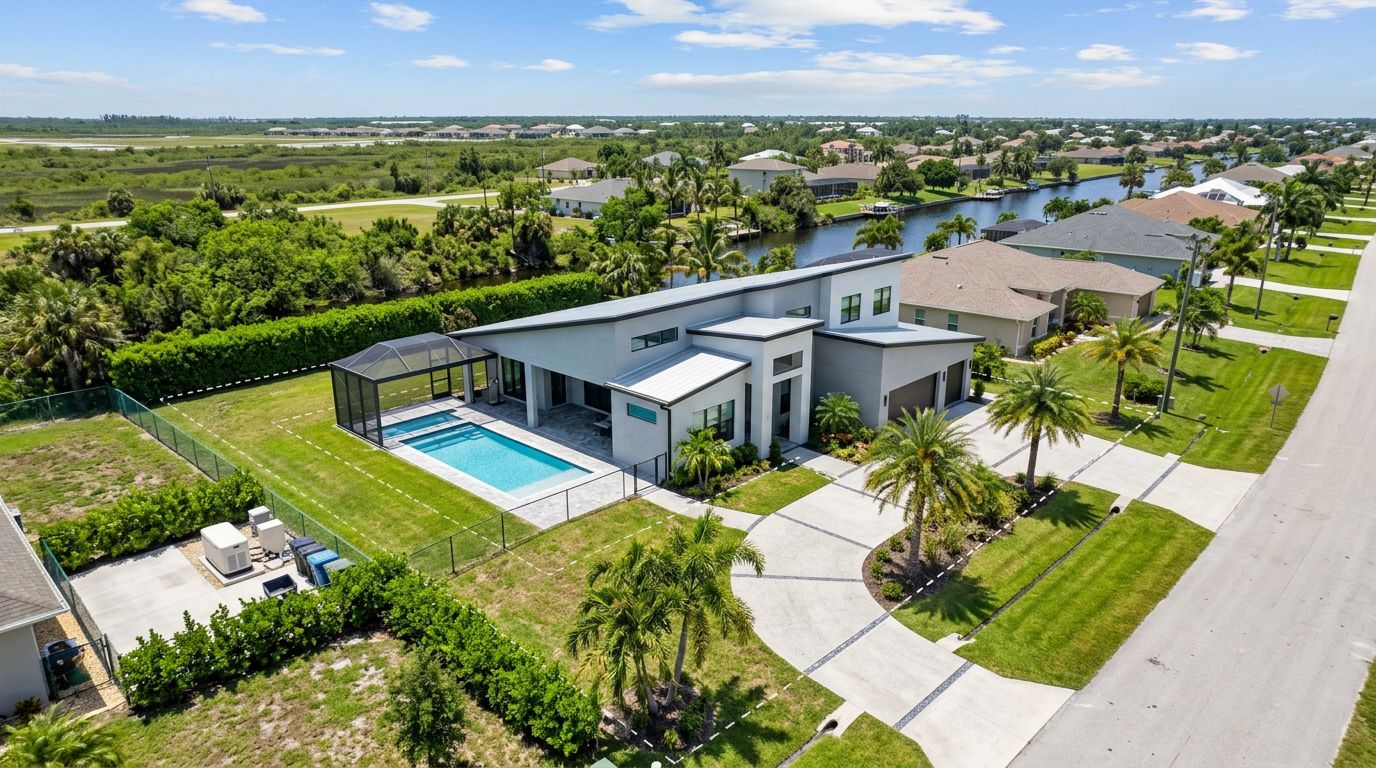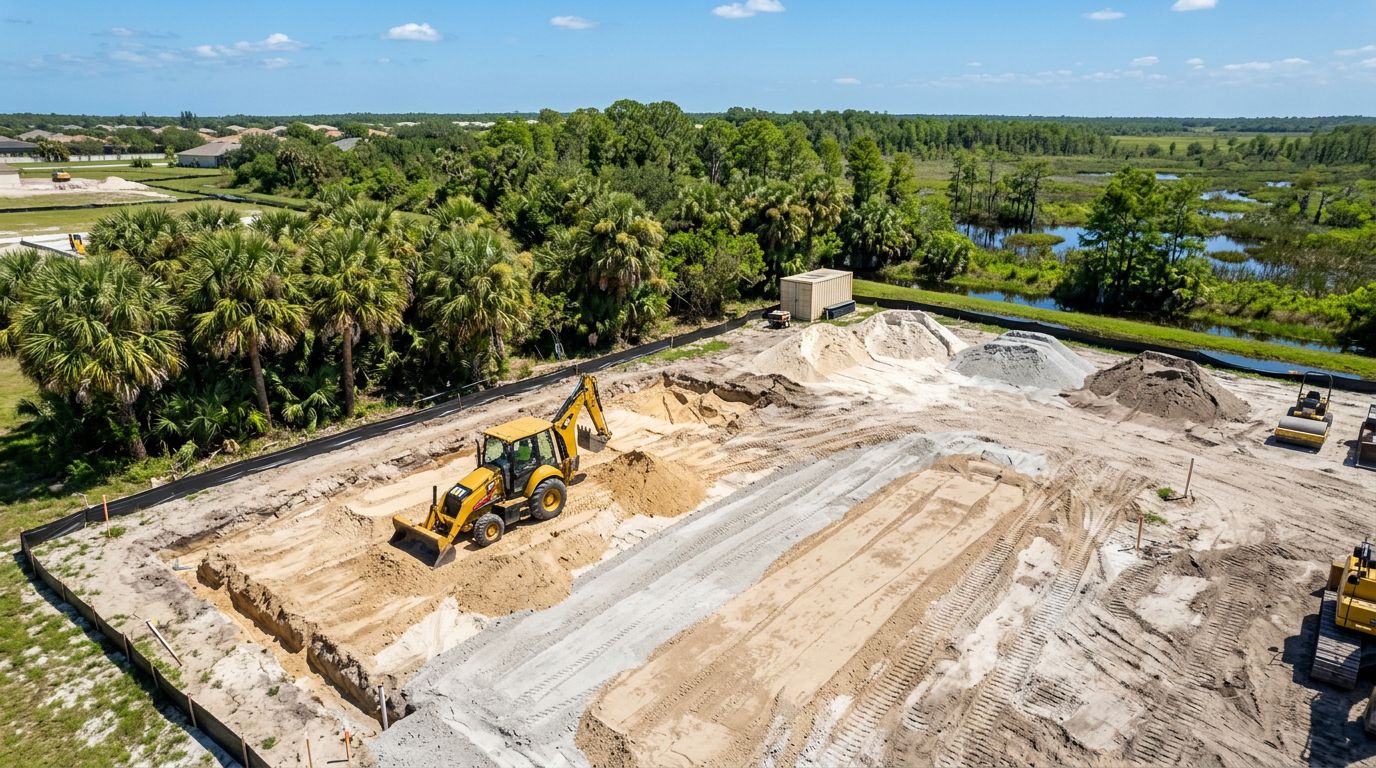
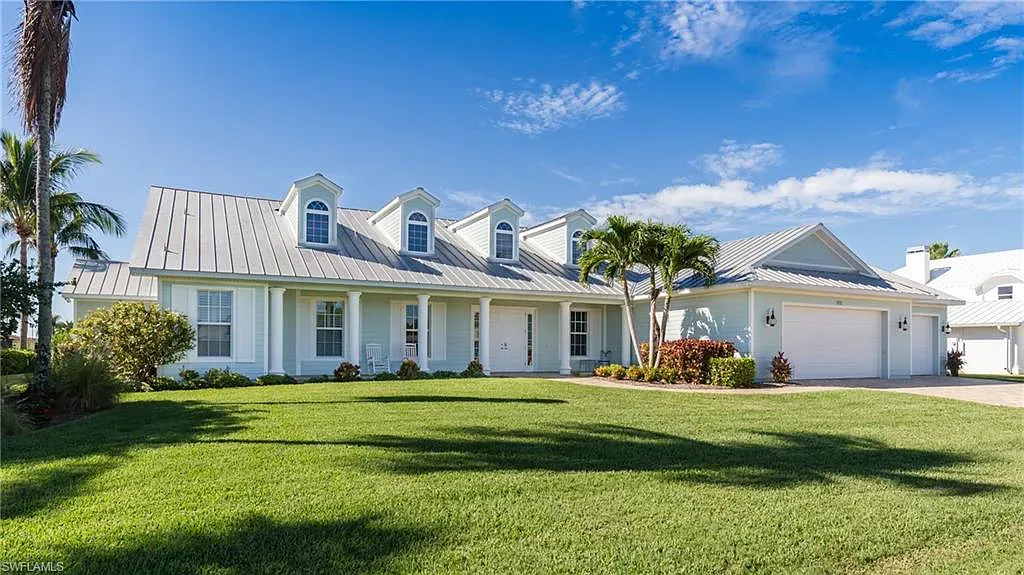



A lot can look perfect on a sunny afternoon and still cause months of problems later. In Southwest Florida, the land itself can change your build budget, your floor plan, and your insurance picture.
Flood zones, fill, septic, wetlands, and utility access all matter before you sign. If you are buying for a custom home or a second home, the real question is simple, can this lot support the home you want without hidden surprises?
Start with the site's actual buildability
A vacant parcel is not automatically ready for a house. It may be legal to own, but still awkward or expensive to build on. That is why the first review should focus on the lot's shape, size, setbacks, easements, and zoning rules.
Check the recorded plat, then compare it with your intended home. A wide one-story plan may fit where a garage courtyard or pool bath won't. A narrow lot can also limit driveway width, setbacks from side lines, and room for a pool cage or guest suite.
Ask the county or city about minimum lot size, build lines, and any restrictions tied to the parcel. If the lot has an easement running through the middle, that can affect where you place the house, septic field, or utility lines. Access matters too. A lot that lacks clear road frontage can be harder to permit and more costly to develop.
A buildable lot should match your future use, not just your budget today. If you want a large custom home, outdoor kitchen, or detached garage, confirm that those pieces can fit before you get attached to the property.
Check flood, elevation, and drainage before you fall in love
Water shapes almost every lot decision in Southwest Florida. Heavy seasonal rain, hurricane exposure, storm surge near the coast, and high water tables inland all affect what you can do with a site.
Start by checking the flood zone and any base flood elevation tied to the property. A lot in a higher-risk area may need more fill, a raised foundation, or different drainage planning. That can raise both construction cost and long-term insurance costs. The difference between coastal and inland lots can be dramatic, but inland sites are not free from water issues. Some inland parcels still hold water after a strong summer storm.
A lot can look dry on a sunny afternoon and still hold water after a summer storm.
Ask whether the site needs fill, grading, swales, or drainage improvements. If the land slopes toward a neighbor or into the road, water may need to be managed before you can build comfortably. On canal or waterfront lots, check the elevation at the seawall or bank, plus the condition of the retaining structure if one exists.
A recent lot survey and elevation certificate costs guide can help you budget for those early documents before closing. Those papers are not glamorous, but they often shape what comes next.
Look closely at access, utilities, and easements
A lot can seem cheap until the utility and access bills arrive. This is where many buyers get surprised, because the purchase price does not tell the whole story.
If the property is on a paved public road, that is usually simpler than a lot that depends on a private road or unimproved access. Still, even a good road can come with drainage, curb, or culvert work. Utility availability matters just as much. Public water and sewer are easier in many neighborhoods, but some areas still need wells, septic systems, or long extension runs.
Use this quick comparison when you review a lot:
| Item | What to verify | Why it affects cost |
|---|---|---|
| Road access | Public road, private road, or easement access | Can change permitting, maintenance, and driveway work |
| Water and sewer | Existing service nearby or long utility extension needed | Trenching and connection work can add real cost |
| Easements | Utility, drainage, access, or conservation easements | Can limit where you build and where you run lines |
| Driveway and culvert | Entry width, culvert size, and drainage flow | Poor access can require extra site work |
The takeaway is simple, a low purchase price can hide a large site-prep bill. That matters even more if you are comparing several lots at once.
If you are trying to see the full build picture, a custom home construction cost breakdown in Southwest Florida can help you think about the land and the home together.
Confirm soil, septic, and environmental limits
Some of the biggest surprises hide below the surface. Soil type, drainage capacity, wetlands, and protected species can all affect whether a lot is easy to build on or expensive to prepare.
If the parcel is not on sewer, septic suitability becomes a big question. Soil tests and percolation results can help show whether a system is likely to work. In Southwest Florida, high water tables and wet ground can make septic planning more limited than buyers expect. A lot may need more area than you first planned, or a different house layout to keep the system and drains where they belong.
Environmental limits matter too. Some lots sit near wetlands, preserve areas, or habitat that needs review before clearing or filling. Protected species concerns can also come up, especially on larger or more natural parcels. In some cases, that means extra surveys, timing limits, or changes to the site plan.
Waterfront lots bring another layer. If you want a dock, seawall work, or shoreline changes, you need to know what is allowed and what condition the water edge is already in. A cracked seawall or unstable bank can turn a desirable lot into a costly project.
This is a good point to ask local professionals for help. A surveyor, civil engineer, environmental consultant, or builder can tell you where the red flags are before you close.
Compare lot price to total land-to-home cost
The list price is only the opening number. To know whether a lot is affordable, you have to think about what it takes to make it build-ready.
Add up the likely extras. That includes clearing, tree removal, fill, grading, survey work, elevation documents, utility runs, septic or water service, drainage improvements, and driveway work. Then think about the home itself. A lot that needs more fill may need a different foundation plan. A lot with tighter setbacks may force a smaller footprint. A lot with waterfront conditions may need more site work than a lot across town.
This is where working with a cost-plus home builder can help. You get a clearer look at what the site really costs as the plan develops. That kind of transparent pricing makes it easier to compare one lot against another without guessing at the hidden work.
If two lots have the same asking price, the cheaper one can still cost more in the end. The right question is not "Which lot is less expensive today?" It is "Which lot gives me the home I want with fewer surprises?" That view keeps the budget honest.
Use the right professionals before you close
You do not need to become an expert in wetlands maps or flood data. You do need the right people checking the right details before you sign.
A good pre-closing review often includes:
- A surveyor who can confirm boundaries, easements, and setbacks.
- A builder or site expert who can spot grading, access, and foundation issues.
- A civil engineer who can weigh drainage, fill, and utility concerns.
- An environmental consultant when wetlands or protected species may be part of the site.
- The local building department or zoning office for permit and code questions.
The seller may share useful documents, but those should not be the only source. Ask for the survey, plat, flood information, utility contacts, and any reports tied to the parcel. If the lot is in an HOA or deed-restricted area, read those rules too. They can affect roof height, exterior style, driveway materials, fencing, and even where you park a boat or RV.
The safest lot purchase is the one that stands up to questions. If your team finds missing documents or vague answers, slow down and fill the gaps first.
Conclusion
A strong Southwest Florida lot is more than a pretty parcel with a good price tag. It has clear access, workable drainage, known flood conditions, and a path to utilities and septic that fits your plans.
Before you buy, look past the view and test the site itself. If the lot works on paper, on the ground, and in your budget, you are in a much better position to build with confidence. If it needs too many guesses, keep looking.