Motorized Shades in Cape Coral: Plan Power Before Drywall
Explore Our Services
Contact Us Today!
(239) 322-9295
A finished wall is an expensive place to discover your new shades have no practical power source. If you're planning motorized shades in Cape Coral, power planning belongs alongside your window selections, lighting layout, and electrical rough-in.
Hardwired and battery-powered shades both have a place in new construction and renovation. The right choice depends on each opening, your maintenance preferences, and the selected system.
Start with the windows you want to cover, then bring your builder, shade installer, and licensed electrician into the conversation before walls close.
Key Takeaways
- Choose a shade system early enough for its confirmed power needs to inform electrical rough-in.
- Battery-powered shades reduce dependence on concealed wiring, but charging or battery replacement still requires access.
- Confirm control locations and service access before approving finished trim or recessed shade pockets.
- Have the shade installer and licensed electrician review the plan together; different windows may need different solutions.
Choose Shade Locations Before Electrical Rough-In
You don't need every fabric color selected before discussing shade power. However, you do need a clear list of openings and an understanding of how you expect each room to work.
Match the shade to the room
Cape Coral homes often include broad glass areas facing a pool, canal, or lanai. Those views make window coverings worth planning carefully, especially where afternoon glare affects seating or television placement.
Bedrooms may need stronger light control, while living areas may prioritize preserving daylight and views. Also, solar shade fabrics shouldn't be assumed to provide nighttime privacy when interior lights are on.
Discuss these goals with the shade installer. Fabric choice, opening size, mounting style, and motor selection can affect the proposed system.
Put shade decisions on the construction schedule
For new construction, schedule the initial shade review before electrical rough-in. During a remodel, discuss it before demolition ends and the team starts closing opened walls.
Cutting Edge Homes & Renovations serves Cape Coral homeowners with new-home construction and remodeling, so shade planning can enter the broader project conversation early.
The company's guidance on electrical rough-in budgeting explains the distinction between concealed electrical work and later finish work. Shade power needs belong in that early scope discussion.
Hardwired vs. Battery-Powered Motorized Shades
The power decision affects both construction work and long-term maintenance. Hardwired doesn't mean every window needs identical wiring , and battery-powered doesn't mean the installation needs no planning.
Hardwired shades reduce routine battery maintenance
Hardwired shades receive power through a wired connection. They're worth considering when walls are open, when many shades will operate regularly, or when reaching a shade for charging would be inconvenient.
However, a hardwired system still needs a coordinated design. The selected equipment determines its power arrangement, connection details, and any related controls.
Ask the installer to provide product-specific requirements for the electrician's review. Don't authorize generic "shade wiring" without knowing what equipment it is intended to support.
Also, confirm how the system behaves during a power outage. Hardwiring alone doesn't provide backup power.
Battery-powered shades can simplify renovation work
Battery-powered shades can be useful where finished walls will remain intact or adding concealed wiring would create substantial repair work.
Depending on the product, maintenance may involve charging or replacing batteries. Discuss that process before choosing shades for tall windows or openings above furniture.
Battery life varies with the selected product and how often the shade moves. Avoid budgeting around a universal charging interval.
A mixed approach can make sense, too. Your installer may propose wired power for difficult-to-reach openings and battery-powered options elsewhere, provided the selected controls support your intended operation.
Confirm Power Access and Wiring Before Drywall
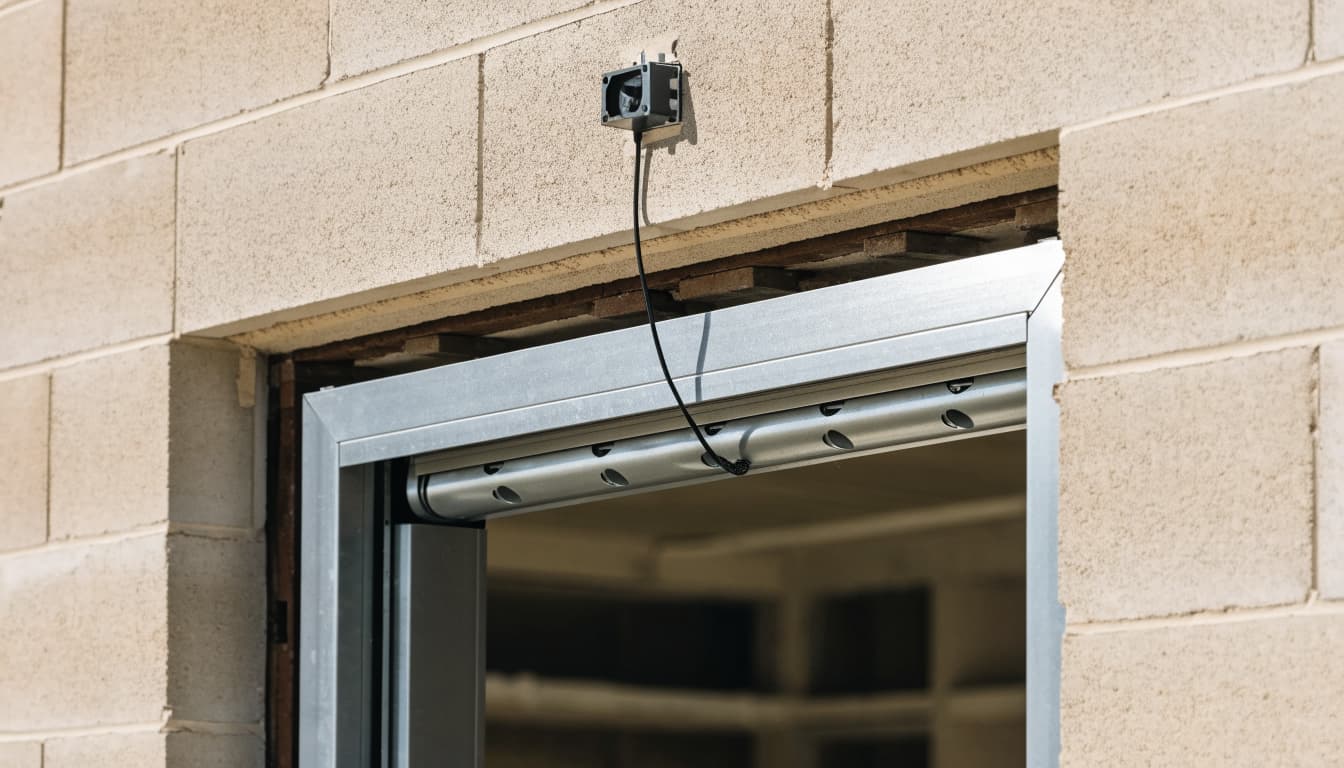
Open walls give the project team a chance to resolve power access without cutting finished surfaces. Use that opportunity to confirm the design rather than assuming any nearby electrical source will work.
Have the installer define the power arrangement
Ask where the selected system receives power and what associated equipment needs an accessible location. Then have a licensed electrician review how that arrangement fits the home's electrical plan.
The review should address the proposed wiring paths, connection locations, and responsibility for each part of the work. Requirements vary by product and installation.
If you're coordinating shades with other technology, low-voltage prewire planning can help organize the broader scope. However, don't assume a general smart-home prewire package includes shade power.
Coordinate the opening with framing and finishes
A shade location involves more than an electrical connection. The installer also needs to evaluate mounting space, window trim, and the planned finished surfaces.
In Southwest Florida construction, structural framing and impact-window details deserve careful coordination. Have the appropriate trades review proposed mounting and wiring work rather than treating the window opening as unrestricted space.
Recessed pockets also need early review. Confirm that their dimensions and access provisions suit the selected shade before framing or finish details become difficult to change.
Place Controls Where You'll Use Them
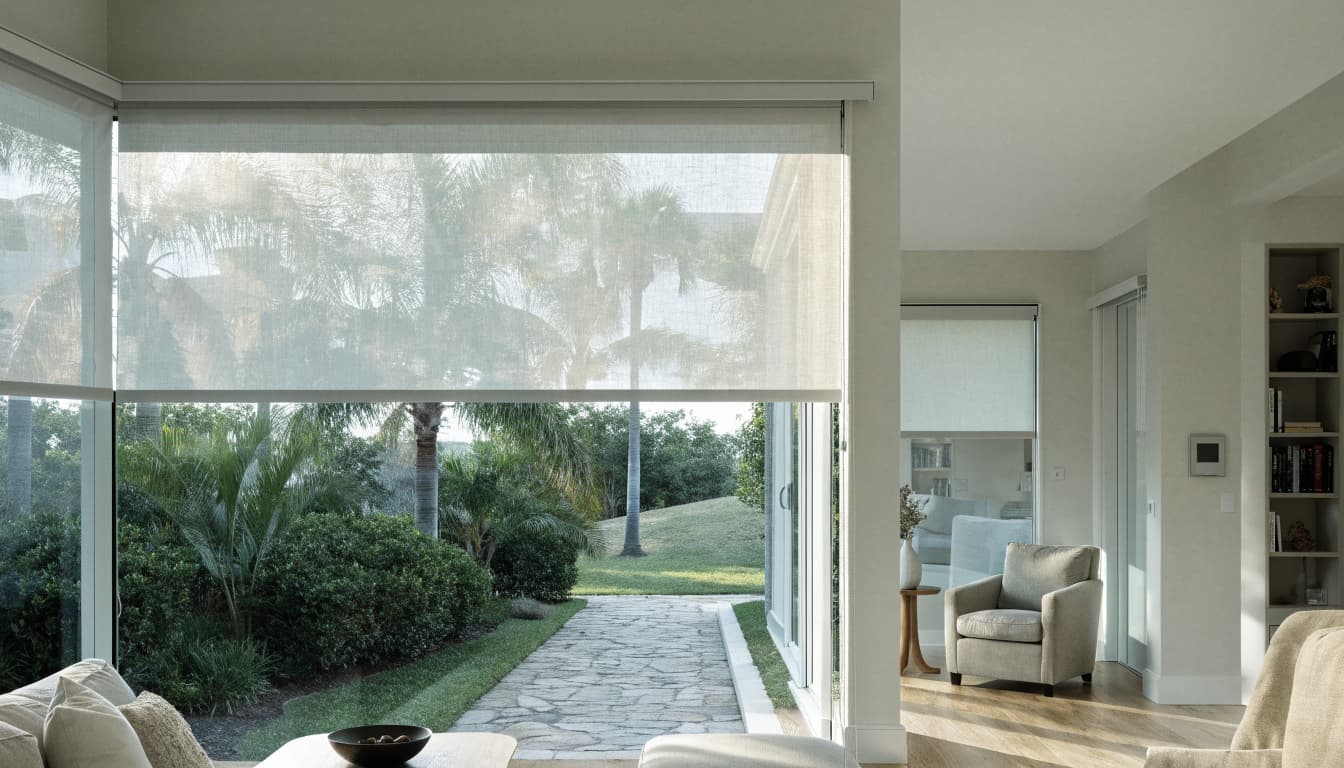
Choose controls around everyday routines. A homeowner entering a living room may want one convenient way to lower several shades, while a bedroom may need independent operation.
Discuss wall controls, handheld remotes, and app-based operation with the installer. Don't assume the selected motor supports every control method or works with an existing smart-home platform.
Also, distinguish power wiring from control communication . A shade can receive wired power while using wireless commands, depending on the product.
Before drywall, decide whether any control locations need construction work. Coordinate those locations with lighting controls, door swings, furniture plans, and accessibility preferences.
Group operation deserves attention as well. You may want living-room shades to move together but still adjust the shade nearest the television independently.
Ask the installer to explain the proposed control behavior before ordering. Also, confirm how household members or guests will operate the shades without relying entirely on one person's phone.
Preserve Access for Charging and Repairs
A clean installation should still allow future maintenance. Concealing equipment behind permanent finishes can turn a small service visit into a repair project.
Check battery access in the finished room
Evaluate charging or battery replacement with the final furniture layout in mind. A window that's easy to reach during construction may become awkward after a sectional, bed, or built-in cabinet arrives.
For tall openings, ask the installer to demonstrate the intended maintenance process. Confirm whether servicing requires reaching the shade itself and whether the available space makes that practical.
If routine access would be difficult, revisit the power choice before committing to the system.
Keep concealed equipment serviceable
For wired systems, discuss access to the motor and any associated power or control equipment. Have the installer identify what may need inspection, adjustment, or replacement later.
Review removable covers, trim details, and recessed pockets before approving them. The finished design shouldn't prevent the service approach recommended for the selected product.
Keep product information and installation records together. Photos taken before drywall can also help future contractors understand what sits behind finished surfaces.
Budget Beyond the Shade Purchase
A motorized-shade proposal should distinguish the shade equipment from the construction work needed to support it. Otherwise, homeowners can mistake an equipment allowance for a complete installed price.
Ask who is pricing electrical work, mounting preparation, controls, installation, and final setup. For renovations, also identify any patching and painting associated with new power access.
Cutting Edge's 2026 low-voltage guide gives broad new-home prewire estimates of $2 to $6 per square foot, before equipment. Those figures cover a larger technology scope; they aren't shade-wiring prices .
Request a project-specific quote instead. The selected system, number of openings, construction stage, and available access determine the actual scope.
Late changes can also affect finished walls. The company's discussion of drywall and texture costs notes that electrical changes after rough-in can create patching and additional finishing work.
Finally, compare proposals using the same scope. A lower shade price may exclude electrical coordination or setup that another installer includes. Clarifying those differences before ordering keeps the construction budget easier to track.
Complete a Pre-Drywall Walkthrough
Before insulation and drywall proceed, bring the builder, shade installer, and licensed electrician together for a final review. Written selections are useful, but checking the actual openings can reveal conflicts that a plan misses.
- Match each planned shade location to the current window and door layout.
- Confirm the selected equipment and its installer-provided power requirements.
- Review proposed control locations, mounting preparation, and future service access.
- Document approved locations and confirm responsibility for remaining work.
The electrician should also confirm applicable permitting, inspection, and code requirements. Don't assume the shade review replaces the project's required electrical inspections.
If the shade purchase will happen later, ask the team what preparation can reasonably proceed now. Future equipment may have different requirements, so an unfinished selection shouldn't become an unsupported promise of compatibility.
Resolve open questions before authorizing wall closure. That includes identifying who will verify the work and who will return for final installation.
Frequently Asked Questions
Can I use both wired and battery-powered shades?
Yes, a home can use both approaches. The practical issue is whether the selected products support the control experience you want.
Ask the installer whether different power options can share your preferred controls or operate as a group. Confirm this before purchasing, especially if you expect one command to move several shades across a room.
Do motorized shades provide hurricane protection?
Ordinary interior motorized shades shouldn't be treated as hurricane protection. Their purpose is managing light and privacy, not replacing the home's approved storm-protection measures.
For Cape Coral homes, discuss impact glazing or other approved protection separately with your contractor. Also, keep interior shade planning separate from exterior lanai-screen planning because exposure and product requirements differ.
Plan the Power While the Walls Are Open
Motorized shades in Cape Coral are easier to coordinate when power, controls, and maintenance access enter the construction plan early. The strongest plan fits the selected products and your home's actual openings.
Before drywall, have your shade installer and licensed electrician confirm the details with your builder. That early coordination helps keep a finished wall from becoming the starting point for avoidable rework.