Estero Roof Replacement Permits: 2026 Inspection Guide
Explore Our Services
Contact Us Today!
(239) 322-9295
A new roof can look like a straightforward contractor job, yet the permit and inspection record can determine whether the project closes cleanly. In 2026, Estero roof replacement permits follow local review and the Florida Building Code 8th Edition (2023), with inspection steps that vary by roof material and project scope.
Before a crew begins a tear-off, confirm who will issue the permit, which documents the property needs, and when inspectors must see the work. These details prevent avoidable delays and help you protect the home's permit history.
When a Roof Replacement Permit Is Generally Required in Estero
A complete roof replacement is generally a permitted construction project in Estero. The Village of Estero Building & Permitting Services processes residential roofing applications and reviews the work under Village requirements and Florida law.
A permit may also apply to substantial roof repairs, sheathing replacement, structural work, or changes to the roof system. The exact requirement depends on the scope, the issuing jurisdiction, and how much of the roof is affected.
Full replacement and major repairs
Replacing the roof covering involves more than installing new shingles or tiles. The work can affect underlayment, roof decking, flashing, ventilation, fasteners, drainage, and wind-resistance details.
For that reason, homeowners shouldn't assume a contractor can treat a full replacement as ordinary maintenance. Ask for the permit number before tear-off begins, and confirm that the approved scope matches the proposal.
Small repairs still require a project review. A repair that appears limited from the ground may expose damaged sheathing or involve enough roof area to trigger broader code requirements.
The 25 percent roof-area rule
The Florida Residential Code limits repair, replacement, or recovery to no more than 25 percent of the total roof area or roof section within any 12-month period unless the entire roof system or affected section meets current code requirements.
This rule doesn't answer every local permit question. Instead, it helps determine when a partial project may require the affected roof section to meet additional standards. The contractor or building department should calculate the scope using the actual roof area, not a rough visual estimate.
How Estero Roof Replacement Permits Are Reviewed in 2026
The property's location matters first. A home inside the Village of Estero falls under Village permitting services. A property with an Estero mailing address but outside Village boundaries may fall under Lee County or another authority.
The issuing building department makes the final determination. A contractor should verify the jurisdiction using the property address before preparing the application.
Village requirements and Lee County materials
The Village of Estero's trade permit application includes roofing-specific notes. Lee County's residential roof guide also provides inspection and affidavit requirements used in local reroofing workflows.
Those documents don't create one universal checklist for every Estero property. Permit type, owner-builder status, contractor involvement, roof material, and project value can change what the reviewer requests.
A homeowner should ask which checklist controls the address and whether the permit will run through a Village or county process. That answer should come before ordering materials or scheduling the first inspection.
The code framework for 2026
The Florida Building Code 8th Edition (2023) is the code framework referenced in the current roofing guidance. It applies alongside local administrative procedures and approved manufacturer instructions.
Reroofing provisions address existing layers, roof drainage, roof coverings, and other assembly details. For example, reroofing doesn't have to meet the minimum design slope of 1/4 unit vertical in 12 units horizontal when the roof provides positive drainage. That exception doesn't remove the need for local review or project-specific documentation.
Documents to Prepare Before Applying
A roof permit application may request the property owner's information, contractor details, project value, roof material, scope of work, plans, and product documentation. Requirements vary, so the contractor should use the current application for the issuing authority.
For homeowners managing a storm claim or a larger renovation, keep the proposal, insurance scope, photos, engineering documents, and permit paperwork together. Consistent information across those records can prevent questions during review.
Roof Inspection Affidavit requirements
Lee County's residential reroof guide states that re-roof permits for one- and two-family homes require a Roof Inspection Affidavit . An engineer, architect, qualifying licensed contractor, licensed building inspector, or owner-builder may complete it, depending on the applicable rules.
The Village of Estero trade permit application separately identifies an affidavit requirement for residential applications involving homes built before 1995 with a value over $300,000.
Because the published materials describe different conditions, don't guess which rule applies. Ask the issuing department whether your property and permit type require the affidavit, who may sign it, and when it must be submitted.
Roof material, pitch, and product approvals
Estero's roofing notes state that tile may be changed to shingle. A change from shingle to tile requires Engineering approval. If a shingle roof has a pitch below 2/12, a Roof Pitch Agreement is required before inspections.
The application should also match the actual roofing system being installed. Shingle, tile, and metal assemblies have different fastening and installation requirements. Product approval documents or manufacturer specifications may be needed for the selected system.
Review the exact product paperwork before filing. Cutting Edge Homes & Renovations also explains Florida product approvals for roofing and windows, including why the documents must match the products installed.
Roof Replacement Inspection Stages
The inspection list printed on the issued permit controls the project. Lee County's residential reroof guide lists different stages for shingle, metal, and tile work.
| Roof type | Listed inspection stages | Project detail |
|---|---|---|
| Shingle or metal re-roof | NOC, sheathing or affidavit, roof dry-in, roof final | The sheathing item differs for contractors and owner-builders |
| Tile re-roof | NOC, sheathing or affidavit, roof dry-in, Roof 90lb Inspection, roof final | Tile work includes an additional listed inspection |
NOC refers to the Notice of Commencement item shown in the county guide. The contractor should explain whether it applies to your permit and confirm that each required inspection appears in the scheduling system.
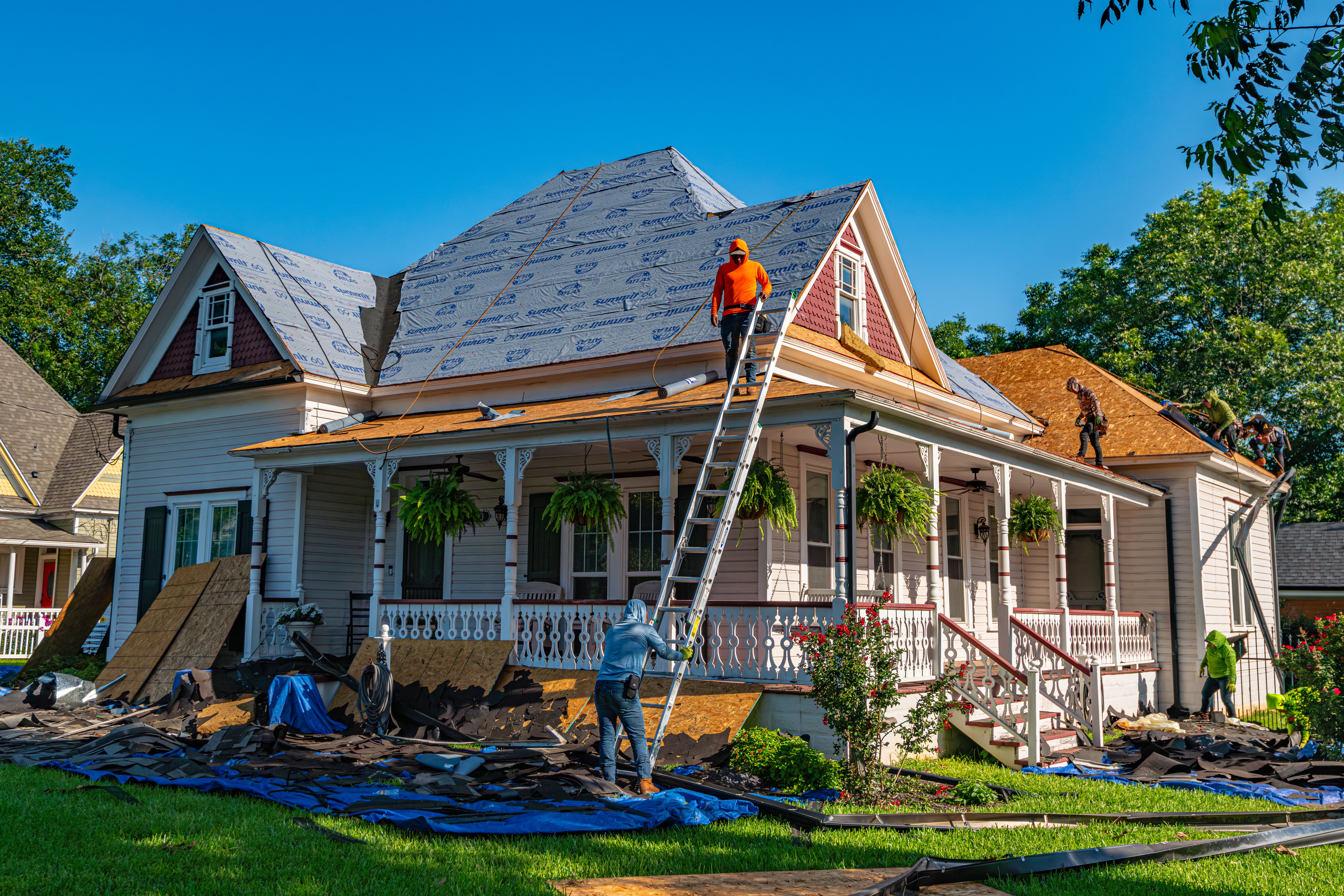
Photo by Ryan Stephens
Sheathing and roof dry-in
The inspector may need to see roof decking, repairs, fastening, and other work before the crew covers it. Schedule the required sheathing inspection at the correct point in the installation.
The 501 Roof Dry-In Inspection is an important milestone in the Lee County process. It relates to the roof's water-shedding layer before the final roof covering is fully complete.
The contractor shouldn't call for a later inspection before the required earlier inspection passes. Covering work too soon can force removal, corrections, or another site visit.
Roof final and photo-based closeout
The 503 Final Roof Inspection confirms the finished roof under the permit's inspection requirements. Lee County's expedited photo process is available only after a Lee County Building Inspector has completed and passed the 501 dry-in inspection.
The submitted photographs and affidavit remain subject to an on-site audit. The audit can review Florida Building Code requirements, existing-roofing provisions, and manufacturer specifications.
For an Estero project, confirm whether the same photo process applies. Don't assume a photo submission replaces every inspection or closes the permit automatically.
Preparing for Each Inspection
Good preparation starts with the inspection sequence, not the morning the inspector arrives. The contractor should identify each milestone during the estimate and update the homeowner as work progresses.
Before the inspector arrives
Keep the permit, approved plans, and manufacturer specifications onsite . Lee County's guide identifies these documents as required during inspections.
The work should be visible, accessible, and ready for the inspection being requested. If the roof deck has damage, pause long enough to document the repair and determine whether the approved scope needs to change.
Also verify that the installed material matches the permit. A last-minute switch from one shingle profile, tile system, or metal assembly to another can create a documentation problem even when the products appear similar.
Before the final inspection
The roof should be complete according to the approved scope. Confirm that the covering, flashing, penetrations, fasteners, and other roof details are finished before requesting the final.
Keep copies of affidavits, approval documents, inspection results, and correction notices. After the final passes, ask for confirmation that the permit is closed in the issuing department's records.
A contractor's message saying "the inspector was here" doesn't necessarily mean the permit passed. Request the actual result and ask whether any audit, correction, or closeout item remains.
Common Reasons for Failed Inspections and Delays
Most problems come from a mismatch between the paperwork, the installation sequence, and the work visible at the property. A short pre-inspection review can catch many of them.
Paperwork and scheduling problems
Common issues include:
- The permit, approved plans, or manufacturer specifications aren't onsite.
- The Roof Inspection Affidavit is missing, incomplete, or signed by an unauthorized person.
- The contractor requests the final before the required dry-in inspection passes.
- The roof material doesn't match the approved application.
- Required Engineering approval or a Roof Pitch Agreement wasn't obtained.
- The contractor requests an inspection while the work remains covered or incomplete.
The issued permit should provide the controlling inspection list. If the approved plans no longer match the field work, a Lee County permit revision may be necessary before the next inspection.
Field conditions and changing scope
Roof decking damage often appears after tear-off. Weather can also interrupt dry-in work or leave the roof unready for inspection. Those conditions aren't unusual, but the contractor must handle them within the permit requirements.
Material substitutions, added skylights, changed vents, altered slopes, and structural repairs can all affect the approved scope. Ask the contractor to explain the change before installation continues.
A passed inspection only covers the work inspected under the permit. It doesn't approve unreported changes made later.
Fees and review times
There isn't one universal 2026 fee or processing timeline for every Estero roof permit. Costs and review times may depend on the issuing jurisdiction, project valuation, roof scope, corrections, engineering needs, and contractor or owner-builder status.
Ask for the current fee calculation from the issuing authority. Also ask the contractor how inspection requests, correction notices, and re-inspections will be handled. A promise of approval by a fixed date is unreliable until the department accepts the application and schedules the required reviews.
Questions to Ask Your Roofing Contractor
Before signing, get clear answers in writing:
- Who will pull the permit, and which jurisdiction will issue it?
- Will the permit describe a full replacement, partial repair, sheathing work, or another scope?
- Which roof system and exact product will the crew install?
- Do the plans include the required product approvals or manufacturer specifications?
- Does the property need a Roof Inspection Affidavit, engineering approval, or Roof Pitch Agreement?
- Which inspections are required for this roof material?
- Who schedules each inspection, and how will you receive the results?
- What happens if the crew finds damaged decking after tear-off?
- How will a material change or field revision receive approval?
- Will you receive copies of the final inspection result and permit closeout?
A properly licensed and insured contractor should answer these questions without treating permitting as an afterthought. Clear responsibility matters because an unclosed permit can create problems during insurance reviews, refinancing, or a future sale.
Conclusion
Estero roof replacement permits generally apply to full reroofing projects, while repair size, roof material, pitch, property age, value, and jurisdiction can change the requirements. The Florida Building Code 8th Edition (2023), Village of Estero procedures, and applicable Lee County guidance all need to line up with the actual work.
Confirm the issuing authority, gather the affidavit and product documents early, follow the inspection sequence, and keep the approved paperwork onsite. A roof replacement is complete only when the required final inspection passes and the permit record is properly closed.