Naples Flood Elevation Certificates and New-Home Insurance
Explore Our Services
Contact Us Today!
(239) 322-9295
A Naples flood elevation certificate documents how a home's elevation relates to the land and mapped flood information around it. For a newly built home, it can help insurers assess flood risk and may affect a flood-insurance quote, though it doesn't guarantee a lower premium.
The certificate is also part of a broader construction and permitting process . Understanding both uses can help you plan for insurance before your new home is complete.
Key Takeaways
An elevation certificate records measured details about the building and site. Local officials may use it for floodplain compliance, while insurers may use its information when evaluating coverage.
For a National Flood Insurance Program policy, the certificate is optional for purchasing coverage. Private insurers set their own underwriting requirements. In either case, the certificate is one part of the picture, alongside the home's location, design, coverage limits, and deductible.
What a Flood Elevation Certificate Records
An elevation certificate is a standardized record of a building's location, construction features, and measured elevations. A Florida-licensed surveyor can document the elevations using a common vertical reference, or datum, so the numbers can be compared with applicable flood information.
Building and Site Measurements
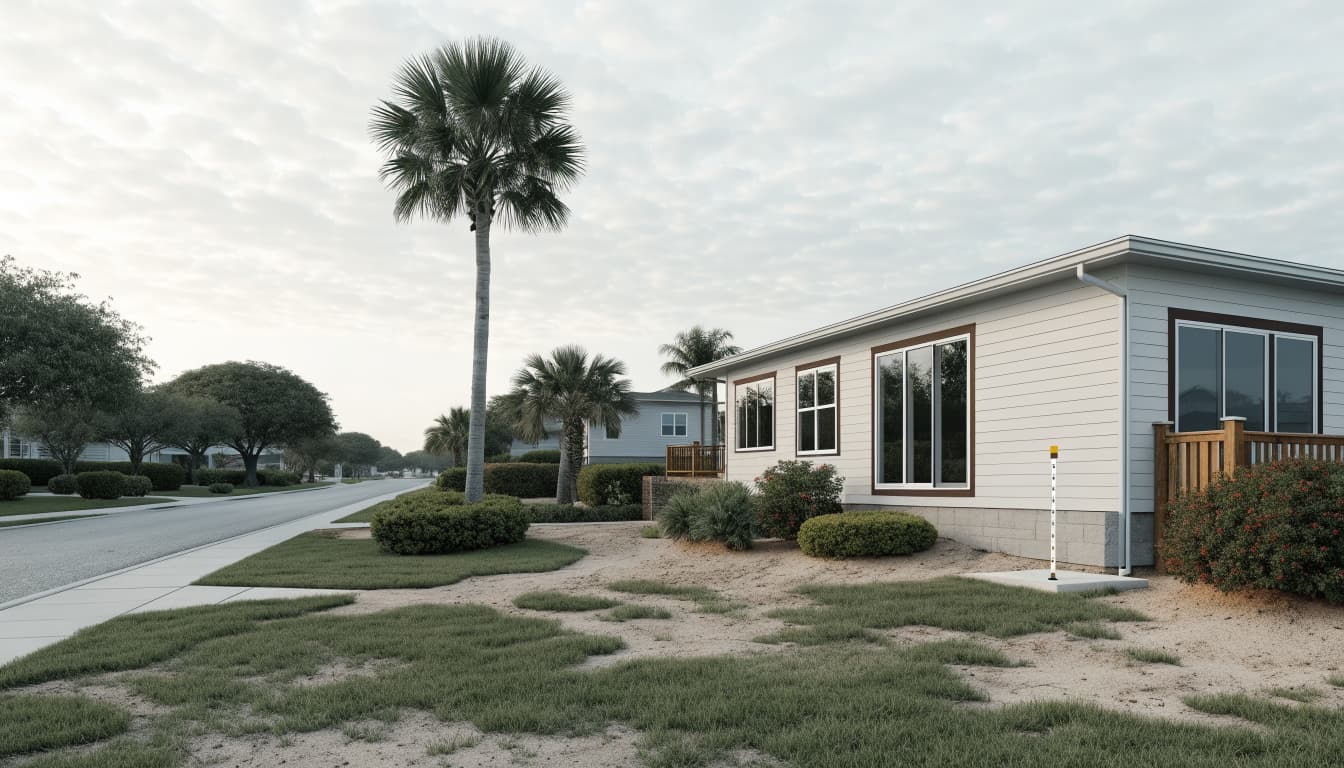
The certificate can include the elevation of the lowest floor, surrounding ground, and equipment that services the building. It also identifies characteristics such as the foundation type and whether the home has an enclosed area below the elevated floor.
These details matter because two homes in the same mapped zone can sit at different heights. They may also have different foundation designs or equipment locations.
Map and Property Information
The document identifies the building and includes flood-map information relevant to the property. It can be used alongside plans, surveys, and permit records, but it doesn't replace those documents.
For a new build, distinguish between a certificate based on proposed construction and one documenting the completed home. The finished-construction record gives the buyer and insurer measurements of what was built.
FEMA Flood Zones and Base Flood Elevation
FEMA flood maps provide a starting point for understanding a property's mapped flood hazard. Zone AE generally identifies an area with a 1% annual chance of flooding. Zone VE has that same annual probability, plus coastal wave hazards.
Zone X generally identifies an area outside the mapped high-risk flood zones. Flooding can still occur there, including after heavy rain or drainage problems.
What Base Flood Elevation Means
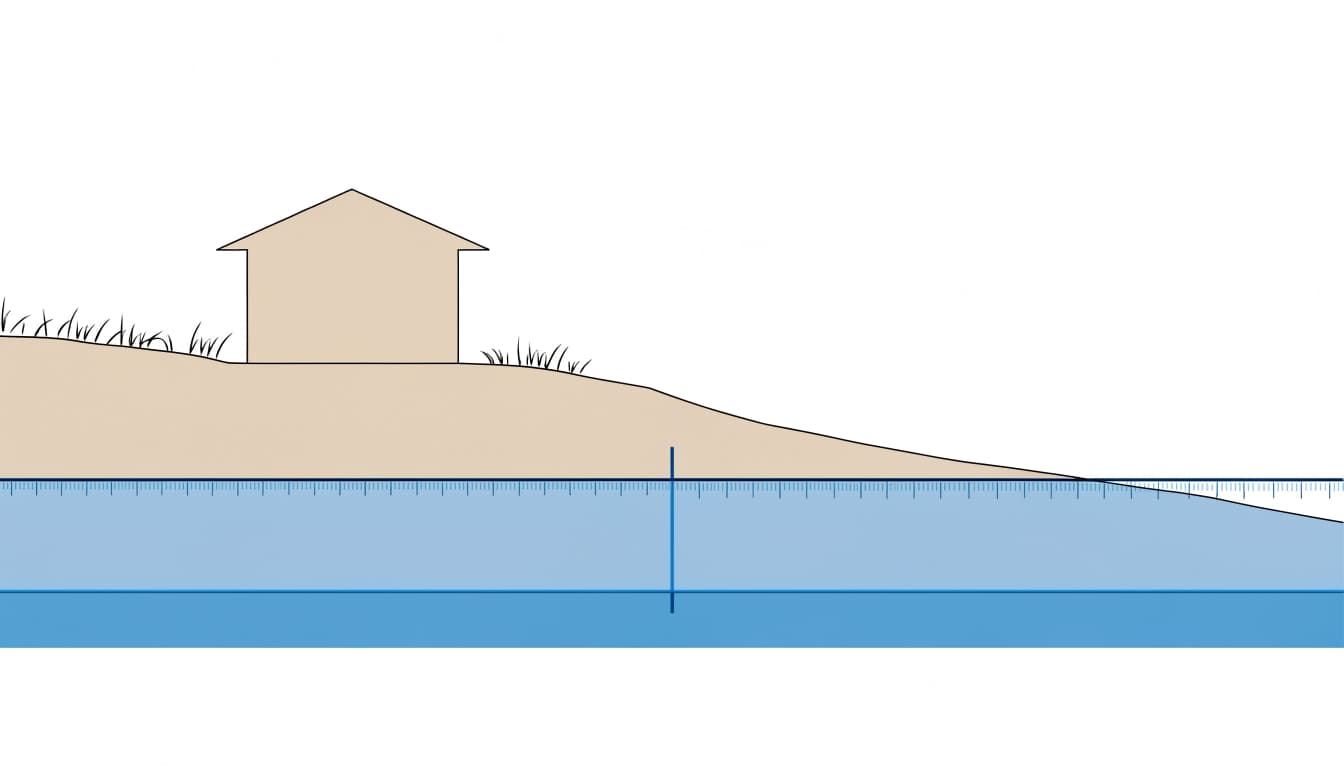
Base Flood Elevation , or BFE, is the estimated water-surface elevation associated with a flood that has a 1% chance of being equaled or exceeded in any given year. That probability doesn't mean flooding happens only once every 100 years.
The certificate helps relate a building's measured elevations to that reference. Its figures must use compatible elevation datums; otherwise, comparing the numbers can be misleading.
Why Local Requirements Can Be Higher
A jurisdiction can require a home to sit above BFE by an additional amount called freeboard. Collier County guidance identifies a lowest living floor above BFE plus one foot for applicable residential construction.
That county guidance shouldn't automatically be applied to a home inside the City of Naples. The property location, flood designation, design, and reviewing authority all matter. A Naples mailing address alone doesn't establish which government reviews the permit.
Why Floor Height Matters Before Construction
Floor elevation affects more than a future insurance application. It can influence the foundation, driveway slope, entry steps, drainage, and placement of mechanical equipment.
A raised home may also have an enclosed area below the living floor. In flood-regulated areas, those spaces generally have limits on their use and may need openings that allow floodwater to enter and exit. The approved foundation and enclosure design determine what can be built there.
We recommend addressing flood elevation decisions during custom home design, before the plans and budget are settled. A floor-height change later can affect several parts of the project.
For coastal lots, Naples coastal construction and floodplain rules may both apply. They are separate reviews: a coastal approval doesn't by itself establish the home's required floor elevation.
How a Certificate Can Affect NFIP Insurance
The National Flood Insurance Program, or NFIP, uses FEMA's Risk Rating 2.0 approach to price policies. It considers property-specific information, including the building and its exposure to flooding, rather than relying on the flood-zone label alone.
A Certificate Is Optional for an NFIP Policy
You don't need an elevation certificate to buy NFIP flood insurance. However, you can submit one for rating consideration. FEMA says more detailed elevation information may result in a lower premium, although a reduction isn't guaranteed.
That makes the finished certificate useful when you request a quote or review a policy. It gives the insurer documented information about the completed building rather than relying solely on other available elevation data.
FEMA's flood-insurance rating guidance describes how the program considers individual property characteristics.
Elevation Isn't the Only Price Factor
An NFIP premium also depends on factors such as the property's location, building characteristics, coverage amount, and deductible. Flood risk can involve several sources, including heavy rainfall, overflowing waterways, and coastal flooding.
A certificate with a favorable floor elevation therefore doesn't produce a predictable savings amount by itself. The quote reflects the policy and property as a whole.
Private Flood Insurance May Work Differently
Private flood insurers establish their own underwriting and pricing practices. One carrier may request an elevation certificate, while another may use different data or ask for additional building details.
The certificate can still be useful evidence of the home's measured features. Ask an insurance agent which documents each carrier uses and whether the completed certificate changes the quote.
Keep flood coverage separate from your homeowners policy when reviewing costs. A standard homeowners policy generally doesn't cover flood damage. Flood insurance is a separate coverage decision, even when the home is newly built or sits in Zone X.
How to Obtain a Certificate for a New Home
Elevation documentation usually begins during design and permitting, then continues as construction establishes the actual building elevations. The exact documents and timing depend on the project and the local reviewing authority.
Start With the Survey and Plans
The builder and design team use the site survey, flood information, and local requirements to establish the proposed floor height. A surveyor can provide the measurements needed for the elevation documentation.
Ask who will arrange the work and whether its cost is included in the construction contract. That helps avoid a gap between the survey work anticipated in the plans and the documentation needed during construction.
Keep the Finished-Construction Record
Once the home is built, the finished certificate records the completed conditions. Request a copy with your closing and construction documents, then provide it when seeking flood-insurance quotes.
If a later addition or other work changes relevant building features, the existing document may no longer describe the property accurately. A surveyor can determine what new measurements and documentation are appropriate for the changed home.
For projects that include a pool, coordinate the house documentation with the separate Naples pool permit and elevation process.
How to Compare Flood-Insurance Quotes
Ask for quotes on the same completed home using the same certificate and building details. Then compare more than the annual premium.
Coverage and Deductibles
Look at building coverage and contents coverage separately. Under a standard NFIP policy for a single-family home, maximum limits are generally $250,000 for the building and $100,000 for contents. A buyer whose home or belongings exceed those amounts may need to consider other coverage options.
Compare deductibles as well. A lower premium can come with a higher amount you'll pay toward a covered loss.
Exclusions and Effective Dates
Review how each policy treats belongings, lower enclosed areas, and other features of the home. Private policies can differ from NFIP coverage, so similar premiums don't necessarily mean identical protection.
Also consider when coverage begins. NFIP policies generally have a 30-day waiting period, with exceptions. Arrange coverage as part of the purchase timeline rather than assuming a policy starts immediately when you request a quote.
Questions to Ask During a New-Home Purchase
A few direct questions can bring construction and insurance details together before closing.
Who is responsible for the finished elevation certificate? Ask the builder whether the surveyor's work is included in the contract, when the finished document will be available, and who will receive a copy.
What floor elevation is shown on the approved plans? Discuss the proposed elevation, foundation, and equipment placement with the builder. Those choices affect the construction budget as well as the information that may appear on the certificate.
Are the quotes based on the same coverage? Ask your agent to explain differences in building limits, contents limits, deductibles, and exclusions. Provide the finished certificate when it's available.
What happens if construction details change? Changes to the foundation, enclosed area, or equipment location can affect the final documentation. Keep revised plans and the finished certificate with your purchase records.
Frequently Asked Questions
Does a Naples elevation certificate guarantee cheaper insurance?
No. FEMA may consider certificate information for NFIP rating, but the premium depends on multiple property and policy factors. Private carriers use their own underwriting methods.
Does Zone X mean flood insurance is unnecessary?
No. Zone X properties can flood, even though they're generally outside mapped high-risk flood zones. Flood coverage may still be worth considering when you compare the potential loss with the policy cost.
Can an existing certificate be used after a remodel?
It may be useful as a starting record, but it should accurately describe the building. If an addition or other work changes relevant features, a surveyor can assess whether updated measurements are needed.
Plan for the Home You Will Build
A flood elevation certificate gives you a clearer record of your new home's measured elevations. It can support permit documentation and give insurers information to consider, but it doesn't set the insurance premium on its own.
Bring elevation into the design discussion early, and keep the finished certificate with your home records. With consistent building details and comparable coverage, you'll be better prepared to assess your flood-insurance options.