Naples kitchen remodel cost guide for 2026
Explore Our Services
Contact Us Today!
(239) 322-9295
The Naples kitchen remodel cost can land anywhere from about $15,000 to more than $150,000 in 2026. A cabinet refresh and a full layout change are different projects, even when they happen in kitchens of similar size.
Most Naples homeowners planning a standard renovation should prepare for roughly $30,000 to $65,000. The final number depends on cabinetry, appliances, labor, design services, permits, and whether plumbing or electrical lines move.
A reliable budget starts with the project scope, not a finish sample. These local cost ranges can help you set expectations before requesting detailed estimates.
Naples kitchen remodel cost by project scope
Current Naples and Southwest Florida pricing guides generally place kitchen renovations into three broad tiers. Published figures from Sozio Building, JY Mega FC Construction, EJR Florida, and The Ciano Company vary slightly, but they show the same pattern: layout changes and premium materials drive the budget quickly.
| Project type | Typical 2026 Naples range | Common scope |
|---|---|---|
| Small or basic refresh | $12,000 to $25,000 | Paint, hardware, lighting, sink, backsplash, minor cabinet work |
| Standard or mid-range remodel | $30,000 to $65,000 | New cabinets, quartz or granite counters, flooring, appliances, selected layout changes |
| Major or luxury renovation | $75,000 to $150,000+ | Custom cabinetry, premium appliances, structural changes, expanded island, high-end stone |
| Broad local planning range | $15,000 to $150,000+ | The complete range of kitchen project scopes |
Some Naples estimates come in lower. EJR Florida lists minor remodels around $13,000 to $22,000, mid-range projects at $27,000 to $36,000, and major remodels from $36,000 to $60,000 or more. Other guides reserve the higher numbers for full luxury renovations.
Those figures aren't necessarily inconsistent. Contractors define "major remodel" differently. One estimate may include a cabinet replacement and new countertops, while another includes new flooring, electrical work, plumbing changes, premium appliances, and structural work.
Square footage offers only a rough comparison. Florida remodel guides commonly use ranges of about $150 to $450 per square foot, with luxury work reaching $400 to $700 or more. Small kitchens can still cost a lot because design, demolition, mobilization, permits, and appliance installation are mostly fixed costs.
What each remodeling tier includes
A small refresh keeps the existing layout
A basic project works well when your cabinets are structurally sound and the kitchen functions reasonably well. You may repaint the room, replace hardware, install new light fixtures, upgrade the sink, add a backsplash, and replace one or two appliances.
This approach avoids major plumbing and electrical changes. It also reduces demolition, drywall repair, flooring work, and cabinet installation time.
A refresh can improve an outdated kitchen without turning the home into a full construction site. However, repainting worn cabinets or replacing hardware won't solve poor storage, damaged cabinet boxes, awkward traffic paths, or undersized electrical service.
A standard remodel replaces the main working components
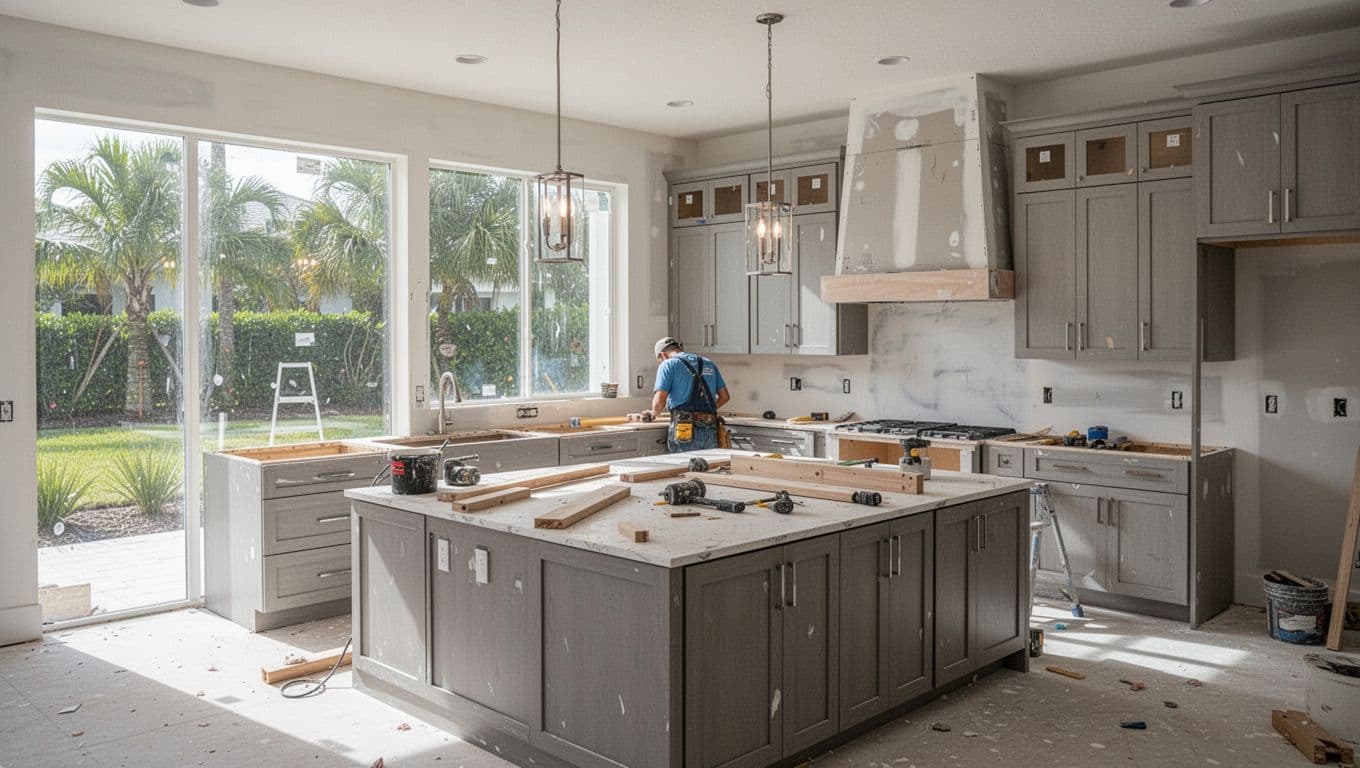
The mid-range category fits many Naples homeowners who want a noticeably different kitchen without paying for every premium option. A typical project may include semi-custom cabinets, quartz or granite countertops, a new sink and faucet, updated lighting, flooring, backsplash tile, and several new appliances.
Selected layout changes may fit this budget. For example, a contractor might remove a nonstructural cabinet wall, enlarge an island, or adjust a plumbing location. Moving multiple water lines, gas lines, or electrical circuits adds labor and may require more permit work.
For a family home, local Naples pricing guides often place this type of renovation around $35,000 to $60,000. A standard project with premium appliances or extensive electrical work can move toward $65,000.
A luxury remodel changes the room and its finish level
Luxury renovations often involve custom cabinetry, high-end stone, built-in appliances, larger islands, specialty storage, upgraded lighting, and structural changes. Some homeowners also create new openings, remove walls, or connect the kitchen to a dining or living area.
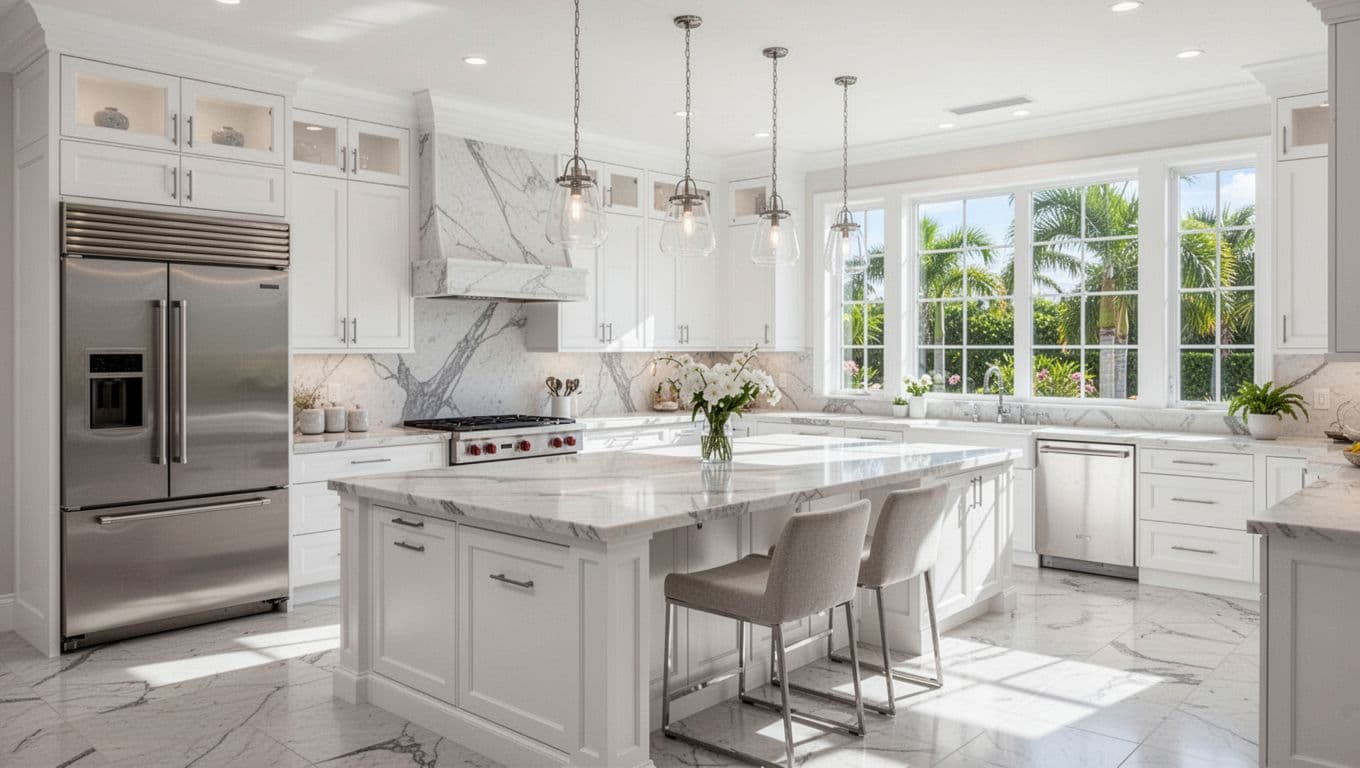
Appliance packages can create a major price difference. A standard stainless-steel package costs far less than built-in Sub-Zero and Wolf equipment, integrated refrigeration, professional ranges, and custom ventilation.
Luxury coastal kitchens in Naples frequently reach $90,000 to $150,000 or more. A full custom project with structural work and premium finishes can exceed that range.
A realistic breakdown of a Naples kitchen renovation budget
The total price matters, but the line items explain where your money goes. Ask every contractor to separate labor, materials, design, permits, and allowances instead of giving you one combined figure.
| Cost category | What should appear in the estimate |
|---|---|
| Demolition and disposal | Removal of cabinets, countertops, flooring, appliances, drywall, and construction debris |
| Cabinetry | Cabinet boxes, doors, panels, fillers, hardware, organizers, delivery, and installation |
| Countertops | Material, field measurement, fabrication, edge profile, sink cutouts, delivery, and installation |
| Appliances | Appliance purchases, delivery, installation, electrical changes, plumbing connections, and haul-away |
| Labor | Carpentry, cabinet installation, tile, flooring, drywall, painting, electrical, and plumbing |
| Design | Measurements, drawings, selections, revisions, and coordination with trades |
| Permits and inspections | Local applications, permit fees, inspections, and correction work if required |
| Contingency | An owner-held reserve for conditions discovered after demolition |
Cabinetry is often the largest single material expense. A Southwest Florida cabinet pricing guide lists installed stock cabinets around $100 to $200 per linear foot, semi-custom cabinets around $150 to $250, and custom cabinets around $250 to $400 or more. Remodeling can cost more than those basic benchmarks because installers may need to adjust existing walls, floors, soffits, or uneven surfaces.
Labor deserves close attention. A proposal should identify demolition, rough electrical, rough plumbing, cabinet installation, countertop coordination, tile, trim, painting, and cleanup. If the estimate only says "complete kitchen labor," ask for a clearer breakdown.
Design fees also vary. Some contractors include basic planning in their project fee. Others charge separately for measured drawings, cabinet layouts, finish selections, revisions, and project coordination. Confirm how many design revisions are included before work begins.
Permitting is another separate category. The fee depends on the property's jurisdiction and the work involved. A kitchen in the City of Naples may follow a different process from one in unincorporated Collier County. Ask who pulls the permits, who schedules inspections, and whether the estimate includes permit fees.
Materials that change the final price
Cabinet doors, countertops, appliances, flooring, and lighting can move a project from the lower end of the mid-range budget to the luxury tier. The room's size matters, but the number of cabinets and the finish level often matter more.
Cabinet choices deserve early attention. Stock cabinets control cost and usually work best for standard layouts. Semi-custom cabinets offer more sizes, finishes, and storage options. Custom cabinetry costs more because the shop builds around your exact walls, appliance dimensions, ceiling height, and storage requirements.
Ask whether the price includes finished sides, end panels, crown molding, toe kicks, fillers, rollout trays, trash pullouts, drawer organizers, and installation. These details can create a meaningful difference between a low allowance and the final cabinet invoice.
Countertops also require more than a material name. Quartz, granite, porcelain, and natural stone have different prices and installation requirements. The quote should identify slab thickness, edge treatment, backsplash coverage, sink cutouts, seams, and whether the backsplash material is included.
Appliances bring another large variable. A basic package may include freestanding units, while a higher-end design may require built-in refrigerators, custom panels, a professional range, a hood, or additional electrical circuits. Check appliance dimensions before finalizing cabinet orders.
Flooring should match the home's existing materials when possible. Replacing only the kitchen floor may create transition problems, especially in open-concept homes. Porcelain tile, luxury vinyl plank, and natural stone each carry different material, installation, subfloor preparation, and maintenance costs.
Lighting can be modest or extensive. Replacing a fixture is less expensive than adding recessed lights, under-cabinet lighting, pendant wiring, dimmers, and new circuits. Plan lighting before drywall closes so the electrician doesn't need to reopen finished surfaces.
Labor, design, permits, and project management
Labor costs rise when the renovation involves multiple trades. Cabinet replacement may require carpentry and countertop installation. A layout change can add electrical, plumbing, drywall, painting, flooring, and inspection work.
The contractor's project management method also affects the final price. A fixed-price proposal should identify allowances, exclusions, payment milestones, and change-order terms. With a cost-plus contract, ask how the management fee is calculated and which costs pass through at actual cost.
Neither structure removes the need for documentation. You should know what the contractor included, what you must purchase, and what happens when a selected material exceeds its allowance.
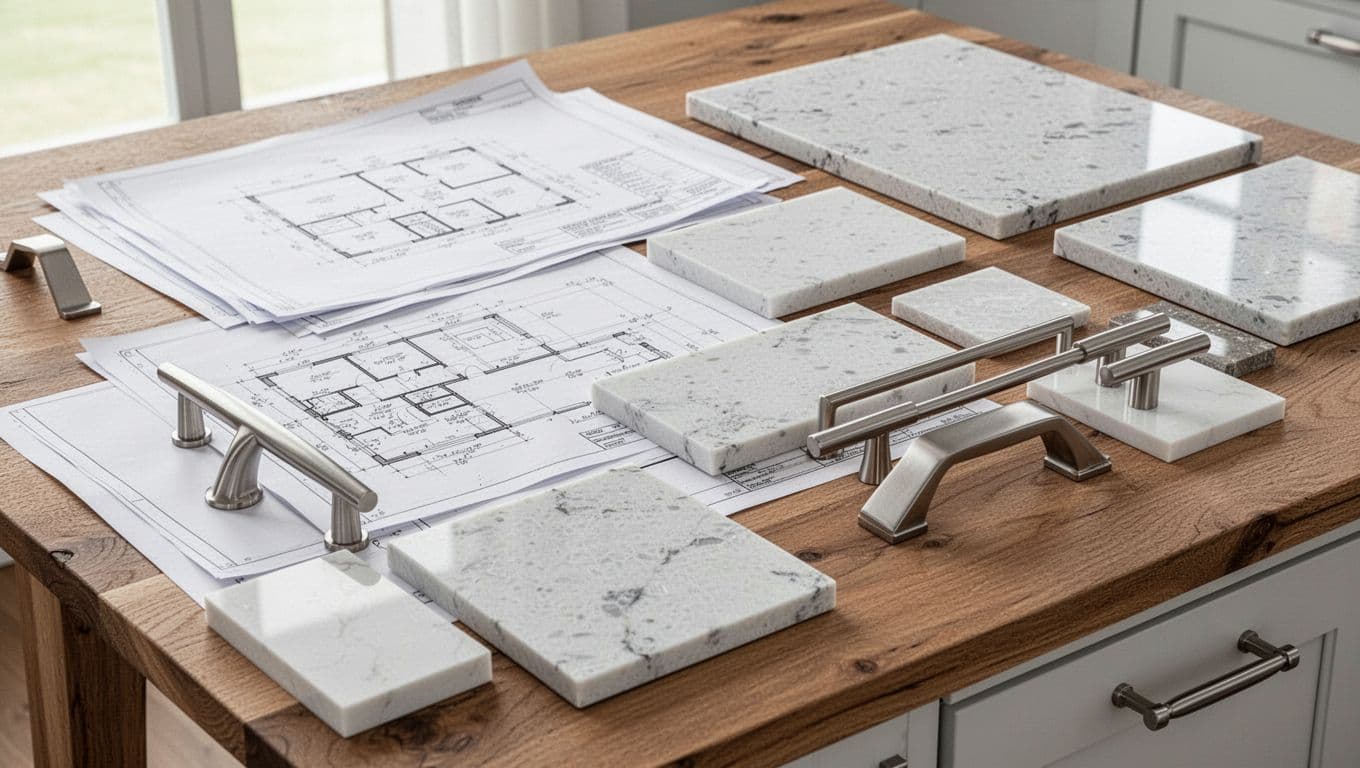
Design services can reduce costly mistakes. Accurate field measurements help prevent appliance and cabinet conflicts. Drawings also make it easier to compare estimates because each contractor can price the same layout and finish schedule.
Permit requirements depend on the renovation. Cosmetic work may involve little permit activity, while plumbing, electrical, structural, gas, or ventilation changes may require applications and inspections. Your contractor should identify the likely permit path before demolition starts.
Naples condos add another layer. The building may require board approval, insurance documents, work-hour restrictions, elevator reservations, and protection for shared corridors. Condo rules can affect both schedule and labor costs.
Older homes may reveal additional work once walls open. A contractor could find damaged wiring, outdated plumbing, uneven subfloors, or framing that needs repair. These conditions don't belong in a standard allowance unless the contractor has inspected them.
The Naples kitchen remodel cost becomes easier to control when the estimate identifies these items before construction. A low initial bid can become expensive when it leaves out demolition, disposal, permits, electrical changes, or finish repairs.
Hidden costs and contingency planning in Southwest Florida
Every existing home carries some uncertainty. The amount depends on the home's age, the original construction, the proposed layout, and how much of the room you open.
Plan a contingency reserve of 10% to 20% of the construction budget . A simple refresh may need less. A gut renovation, older property, condo, or project with plumbing and electrical changes deserves a larger reserve.
For a $45,000 renovation, that means setting aside about $4,500 to $9,000 outside the planned contract amount. Don't treat this reserve as money available for upgrades. Keep it for concealed conditions, inspection corrections, damaged subfloors, revised electrical work, or necessary repairs.
Several issues commonly affect Naples kitchen budgets:
- An uneven slab or subfloor can add floor preparation before tile or cabinetry installation.
- Moving a sink or dishwasher can require new supply lines, drains, shutoffs, and cabinet modifications.
- A larger range or hood may require new circuits, ventilation work, or changes to the exterior termination.
- Removing a wall can reveal structural, drywall, flooring, or ceiling repairs.
- Condo buildings may require extra protection, supervision, insurance paperwork, or restricted delivery schedules.
- Appliance changes can create cabinet, electrical, plumbing, or ventilation conflicts after the order is placed.
Your estimate should also state how the contractor handles unforeseen work. A clear change order should describe the issue, the added labor, the added materials, and the revised completion date.
How to get a reliable local kitchen remodel estimate
Start with a written scope before asking for prices. Include the layout, cabinet style, countertop material, appliances, flooring, backsplash, lighting, plumbing fixtures, paint, and expected completion standard.
Provide the same information to each contractor. Otherwise, you may compare a basic cabinet replacement with a complete renovation and assume the lower bid is better.
Ask each company to answer these questions:
- Does the estimate include demolition and debris removal?
- Who purchases cabinets, countertops, appliances, fixtures, and tile?
- Are delivery, storage, installation, and haul-away included?
- Which permits and inspections are included?
- What happens if the project reveals damaged wiring, plumbing, walls, or flooring?
- How many design revisions are included?
- Are labor and material warranties written into the contract?
- What payment schedule matches construction milestones?
- Is the contractor licensed and insured for the work?
- How are change orders approved and documented?
Compare allowances carefully. A $15,000 cabinet allowance may seem generous until you add finished panels, organizers, crown molding, hardware, delivery, and installation. The same issue applies to appliances, flooring, countertops, and lighting.
Homeowners planning projects across the region can also compare nearby pricing with this guide to Cape Coral kitchen remodel pricing. Local labor and material costs overlap across Southwest Florida, but jurisdiction, access, property type, and finish selections still affect each estimate.
If cabinets are your largest expense, review a Southwest Florida cabinet pricing guide before choosing a design. The per-linear-foot figures are only benchmarks, but they help you spot an allowance that doesn't match your plan.
You can reduce cost without weakening the project by keeping the existing sink and appliance locations, choosing semi-custom cabinets, limiting structural work, and selecting durable mid-range finishes. Avoid changing materials after ordering begins. Revisions can create restocking fees, schedule delays, and additional labor.
The best bid is the one you can understand. A detailed estimate may cost more than a vague proposal, but it gives you a clearer way to manage the budget.
Conclusion: Build the budget before choosing finishes
A realistic Naples kitchen remodel in 2026 can cost about $15,000 for a focused refresh, $30,000 to $65,000 for a standard renovation, or $75,000 to $150,000 or more for luxury work.
Your final budget should separate labor, materials, design, permits, and contingency funds. Set aside 10% to 20% for existing-home surprises, then compare itemized local estimates with the same scope.
The most dependable Naples kitchen remodel cost is the one supported by measured plans, clear allowances, documented change orders, and a reserve for conditions hidden behind the walls.