Pool Skimmer Repair Without Rebuilding a Gunite Shell
Explore Our Services
Contact Us Today!
(239) 322-9295
A damaged skimmer throat can often be repaired or replaced without rebuilding the entire gunite pool shell. The right approach depends on where the damage ends, whether the surrounding concrete is sound, and how the throat connects to the skimmer body.
For Fort Myers homeowners, a localized pool skimmer repair can preserve much of the existing pool while addressing the damaged area. A careful inspection comes first, because a crack at the waterline doesn't reveal the condition of everything behind it.
Key Takeaways
The skimmer throat is the opening that carries surface water into the skimmer. Damage there doesn't automatically mean the pool shell has failed.
When the surrounding structure is sound, a repair can focus on the throat and adjacent surfaces. Some pools need a larger skimmer assembly replaced, while others may need additional structural or plumbing work.
A useful repair plan identifies the damage, describes what will be opened and restored, and accounts for Southwest Florida's groundwater and weather conditions.
What the Skimmer Throat Does
The skimmer throat is the passage at the pool's waterline that connects the pool opening to the skimmer body. Water enters through this opening, carrying floating debris toward the basket.
In a gunite pool, the skimmer assembly sits beside the concrete shell and beneath the deck area. Tile, coping, interior finish, and surrounding concrete meet near the opening, so the visible throat is only one part of the assembly.
The throat and skimmer body
The throat directs water into the skimmer body, where the basket collects leaves and other debris. A movable flap, often called a weir, may sit at the opening and help retain debris when circulation stops.
Depending on the assembly and the damage, the throat may be repairable on its own, or the work may involve replacing more of the skimmer. The equipment's design and the condition of its connections determine the practical options.
The surrounding pool shell
The gunite shell is the pool's structural concrete. It supports the shape of the pool and remains in place during a localized throat repair when the surrounding structure is suitable.
Removing a small area of material to reach a damaged component is different from removing and rebuilding the entire shell. Even so, any disturbed area needs an appropriate repair and finished transition around the opening.
Signs That Call for a Closer Look
Damage around a skimmer can appear in several ways. The visible condition helps identify where to inspect, but it doesn't establish the full repair scope.
Changes at the opening
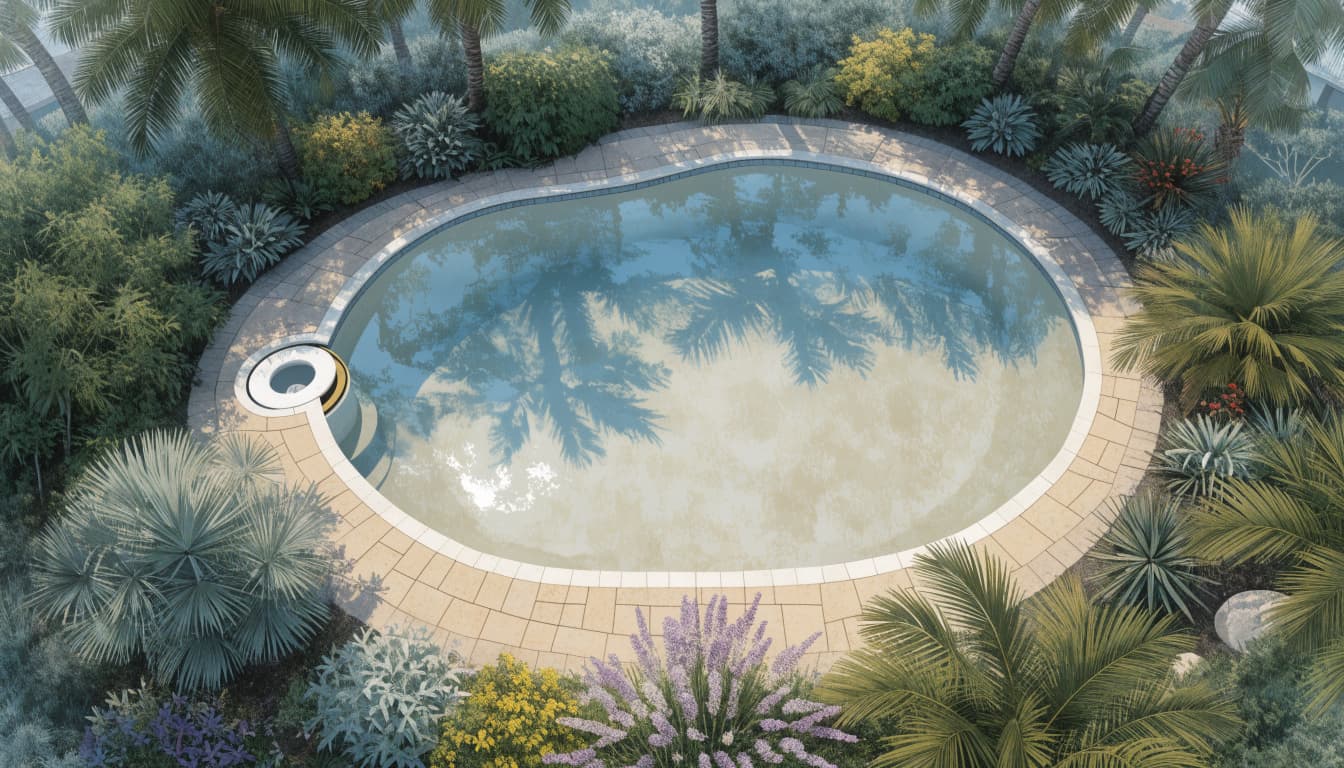
A cracked, distorted, or deteriorated throat deserves attention. You might also notice a gap at the edge of the opening or a weir that no longer moves freely.
These observations give a pool professional a place to start. A damaged weir, for example, may need a different response than deterioration that extends into the throat or skimmer body.
Loose tile, damaged grout, or separation in the finish near the skimmer also warrants inspection. Those surfaces can have their own issues, and their appearance alone doesn't establish that the shell has failed. Our guide to pool waterline tile repair covers the distinction between isolated tile damage and a larger repair.
Water loss and circulation concerns
Unexplained water loss can prompt an inspection of the skimmer area, especially when it appears alongside visible damage. However, evaporation, splashing, equipment, and other parts of the pool can affect the water level.
Air bubbles at the returns or a pump that struggles to prime can also have several causes. If the pump isn't moving water, turn it off and arrange service rather than allowing it to run dry.
How Pool Professionals Identify the Repair Area
Before choosing a repair, the pool, skimmer, and circulation system need an assessment. This helps separate a visible surface problem from damage that reaches the skimmer body, plumbing, or adjacent structure.
Inspection and targeted testing
A professional can examine the throat, waterline finish, nearby coping, skimmer basket area, equipment pad, and surrounding deck. The pool's repair history and notes about recurring water loss can help guide that assessment.
When a leak is suspected, testing may include dye at a suspected opening or pressure testing an isolated plumbing line. The choice depends on the symptoms and the areas that need investigation.
A repeatable test or directly observed failure gives the repair plan a firmer basis than a wet spot or falling water level alone. Rainwater, irrigation, and drainage can also leave the deck or nearby soil wet.
Looking beyond the skimmer
A crack in the finish near the opening doesn't automatically identify a structural crack. Likewise, a damaged throat doesn't rule out a separate plumbing or equipment issue.
The inspection should consider the pool as a whole while concentrating on the area of concern. That distinction matters because repairing the throat won't resolve an unrelated leak elsewhere in the system.
If conditions suggest broader movement or shell damage, the scope may need structural review before a localized repair can be planned.
How a Localized Skimmer Throat Repair Works
A localized repair focuses on the damaged component and the area needed to reach it. The goal is to restore the skimmer connection while keeping sound portions of the existing shell in place.
Accessing the damaged area
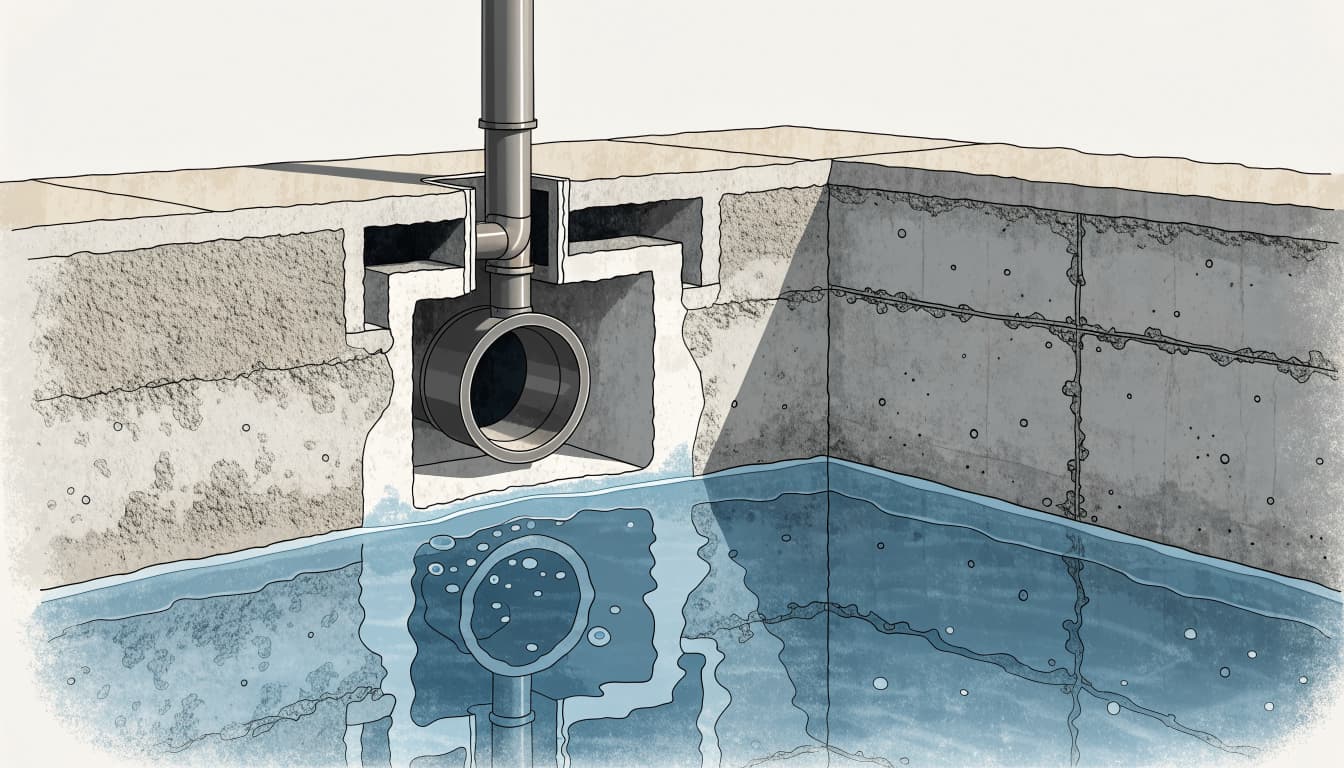
After inspection, the repair plan identifies how much of the surrounding area must be opened. Depending on the pool, access may affect portions of the finish, waterline tile, coping, deck, or material around the skimmer.
The extent isn't the same for every pool. The throat's design, the condition of the skimmer body, and the location of its connections all affect what can stay in place.
The plan may call for repair or replacement of the affected throat, or for a larger assembly if the damage extends beyond it. Conditions uncovered during access can also change the proposed scope.
Restoring the surrounding surfaces
Once the damaged area has been addressed, the disturbed surfaces need to be restored around the skimmer opening. This may include work at the waterline, coping, or deck, depending on where access was needed.
The repaired opening should fit the skimmer assembly and sit at the intended waterline. The project should also account for how the repaired area meets the existing pool finish.
A localized patch may look different from older tile or finish, particularly when the original material is discontinued or has changed color with age. Planning for that transition can prevent an unexpected appearance after the repair.
How Repair Differs From Rebuilding the Shell
A throat repair addresses a limited part of the pool and its immediate surroundings. A shell rebuild involves a much broader structural project, with substantially more disruption to the pool and yard.
Resurfacing is another separate scope. It addresses the pool's interior finish, while a localized skimmer repair addresses the affected component and surrounding area. The two can be combined when the finish is also due for replacement.
Keeping the existing shell is most practical when the damage is limited and the remaining structure is sound. Broader work may be appropriate when an assessment identifies widespread shell failure, significant movement, or repeated structural leaks.
Moving a skimmer is also different from replacing a damaged throat in its existing location. Relocation can involve structural changes, plumbing, finish work, and permitting review. Our guide to Fort Myers pool skimmer placement explains how location and return flow affect surface circulation.
Fort Myers Conditions That Affect the Plan
A successful repair needs to fit the property as well as the pool. In Southwest Florida, groundwater, rainfall, and access around a screened lanai can all influence how the work is organized.
Water level and groundwater
Some repairs require lowering the water level, while others may call for more extensive draining. That decision belongs in the repair plan, not in a homeowner's preparation before an assessment.
Groundwater and hydrostatic pressure matter when water is removed from a concrete pool. A qualified pool professional can assess the pool and plan for those conditions before draining begins.
Heavy rain or storm conditions can interrupt outdoor work and affect an open repair area. Site protection and drainage deserve attention as part of the proposed scope.
Deck access and the finished waterline
A skimmer lid needs to remain accessible for regular basket cleaning. Nearby pavers, landscaping, enclosure posts, and outdoor furniture can affect access during the repair and after the area is restored.
The throat also needs to align with the pool's finished waterline. If a renovation includes new tile, coping, or deck changes, those finishes should be planned together rather than treated as unrelated projects.
What to Look for in a Repair Estimate
A useful estimate describes the proposed work in enough detail to distinguish the known repair from work that may depend on what the crew finds after access.
Look for a description of the affected skimmer components, the surrounding surfaces included in the repair, and the planned restoration. The estimate should also identify any testing, cleanup, and related work included in the price.
Tile matching and finish restoration deserve attention. A small repair area can be noticeable against an older waterline band, while replacing more tile or resurfacing adds a separate scope.
Our Fort Myers pool renovation cost guide lists basic gunite resurfacing at an estimated $5,000 to $15,000 or more in 2026. That range is for resurfacing, not a quote for skimmer throat repair.
For perspective, the guide lists new custom gunite pool construction in Southwest Florida at roughly $60,000 to $150,000 or more, before unusual site conditions and extensive backyard features. These are different projects, so neither range establishes the cost of a localized repair.
Frequently Asked Questions
Can a cracked skimmer throat be replaced without removing the pool?
Often, yes. When the damage is limited and the surrounding shell is sound, a localized repair may address the throat while preserving the rest of the structure. The assembly and its connections affect the available approach.
Does water loss near the skimmer mean the shell is damaged?
Not necessarily. Water can leave a pool through several components, and evaporation or splashing also affects the level. Inspection and targeted testing help identify the source before the repair scope is chosen.
Will the tile or deck need to be disturbed?
Some surrounding surfaces may need to be opened to reach the damaged area. The amount depends on the skimmer, the extent of damage, and the access needed. The estimate should describe the proposed restoration.
Preserve the Pool You Have When Possible
A damaged skimmer throat doesn't automatically call for a new pool shell. When an inspection finds that the surrounding structure is sound, a focused repair can address the affected area and retain the existing pool.
The strongest plan starts with a clear diagnosis and includes the surfaces that need restoration. For help assessing a broader project, our Fort Myers pool renovation services can help you consider the pool as a whole.