When to Replace Waterline Tile in a Port Charlotte Pool
Explore Our Services
Contact Us Today!
(239) 322-9295
Waterline tile draws attention because it marks the pool's most visible edge. Florida sun, evaporation, chemical residue, and everyday use can make a clean pool look worn before its interior finish does.
For Port Charlotte homeowners, waterline tile replacement makes sense when stains, loose pieces, or obsolete colors distract from an otherwise enjoyable pool. It can be a focused cosmetic update, yet recurring damage may point to a failed bond below the tile.
Start with the condition of the tile, then match the scope of work to the pool's larger renovation needs.
When Waterline Tile Replacement Is the Right Call
Stains do not automatically require new tile. However, certain patterns show that cleaning or a small repair will only buy time.
Staining and mineral buildup
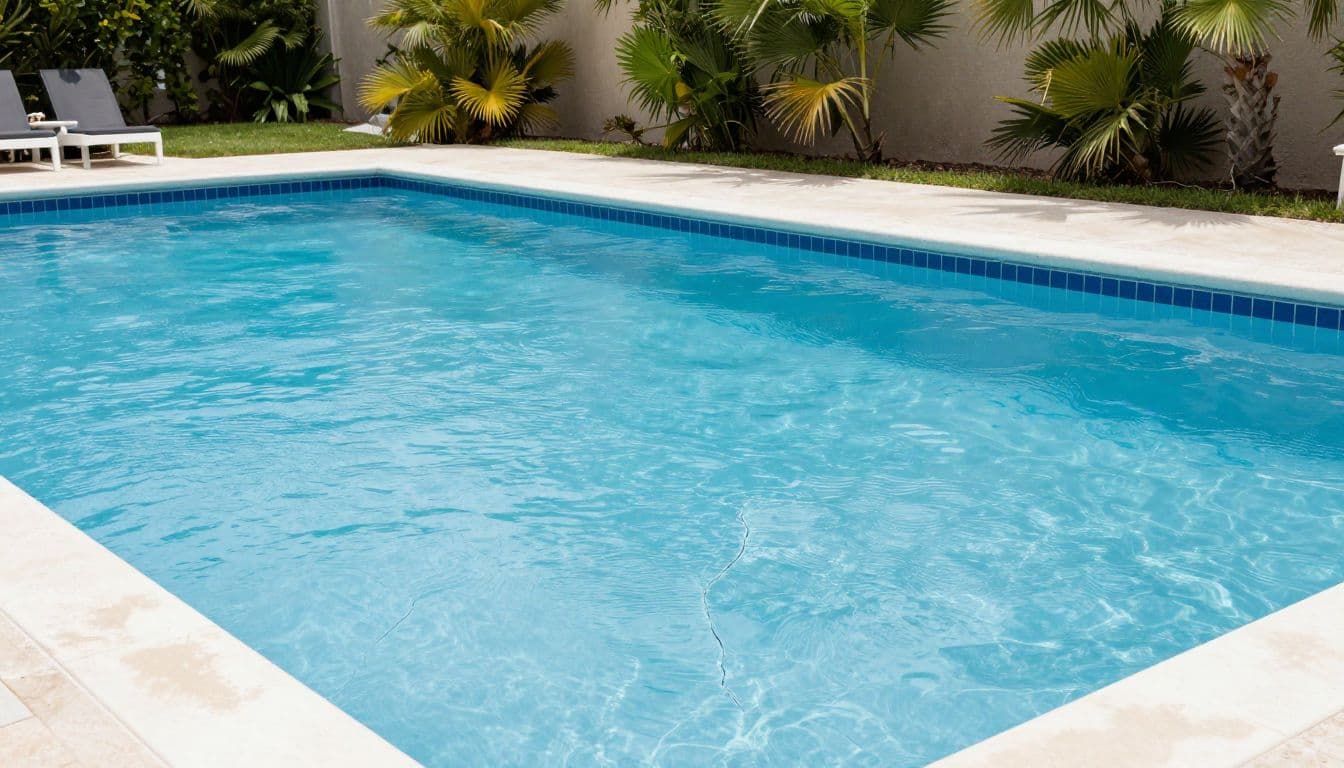
White, chalky scale often collects at the waterline as pool water evaporates. A pool technician can remove light deposits, but deeply etched tile, permanent discoloration, or thinning grout makes repeat cleaning a poor long-term plan.
Dark marks may stem from metals, organic debris, or old residue. Therefore, identify the source before choosing new tile or grout. The tile band also endures direct UV exposure and daily wet-dry cycles, which can fade some finishes and weaken aging grout.
Cracked or missing pieces
A single chip after impact may be a simple repair when matching tile is available. However, several cracked, missing, or loose tiles usually justify a wider replacement.
Heat expands exposed tile and coping, while moisture reaches small open joints. After a hurricane, fallen debris or damage near the coping can crack a short run of tile. Photograph new damage, then have the area inspected before resetting pieces.
Check the Bond and the Surface Behind the Tile
Loose tile changes the decision from appearance to condition. The setting material, substrate, and adjacent pool finish need attention before fresh tile goes in.
Bond failure needs a closer look
Tile that lifts with adhesive or mortar attached may indicate failure within the bond layers. A tile face that cracks after a direct hit can be more isolated. Still, only an on-site inspection can separate a local issue from a broader installation problem.
A few failed tiles in one spot can be repairable. Failures that spread along the waterline should be assessed before new tile covers the evidence.
When substrate or waterproofing may need repair
Cracks that run through several tiles, soft or crumbling backing, repeated failures after repairs, or unexplained water loss deserve further review. A pool can lose water through evaporation and splashing, so a lower level alone does not prove a leak.
A qualified pool renovation professional can inspect the tile bed, surrounding plaster, coping, skimmer area, and the pool's finish or waterproofing system. This step helps prevent a decorative update from hiding a condition that needs repair.
Decide Between a Spot Repair and a Full Tile Band
Repair is often reasonable when damage is isolated, the remaining tiles bond firmly, and replacements still match. Yet older colors and discontinued patterns can turn a small patch into the most noticeable part of the pool.
When a local repair is enough
A local repair suits a chipped tile, a small impact area, or a few loose pieces beside otherwise stable grout. First, check nearby tiles and the substrate rather than replacing only the pieces that fell away. Good preparation matters more than the size of the patch.
When full replacement is smarter
A full waterline tile replacement fits broad staining, repeated breakage, mineral-etched surfaces, or a visibly mismatched series of prior patches. It gives the pool one consistent line and lets the contractor correct worn grout across the whole band.
When resurfacing, replacing coping, or changing the interior color, tile work belongs in the same planning conversation. Removing old waterline tile can disturb the finish below it, so combining connected work can avoid redoing adjacent surfaces later.
Choose Tile That Holds Up in Port Charlotte
Tile needs to look right, but it also has to suit a wet, chlorinated setting. Pool-rated materials and compatible setting products matter more than a showroom sample alone.
Materials for sun, moisture, and saltwater
Choose porcelain, glass, or another tile rated for submerged pool use. Confirm the grout, setting material, and cleaning method match the tile maker's instructions. Saltwater systems generate chlorine on site, so water balance still affects grout, scale buildup, and the tile's appearance.
Smaller mosaics work well on curves, while larger formats create a quieter horizontal band on straight walls. View samples outdoors, because intense Florida sunlight can change how blue, gray, and green tiles read beside the water.
A style update can be a good reason
A dated tile band is a valid renovation reason when the pool is structurally sound. New waterline tile can tie together refreshed plaster, coping, pavers, and a renovated lanai without changing the pool's shape.
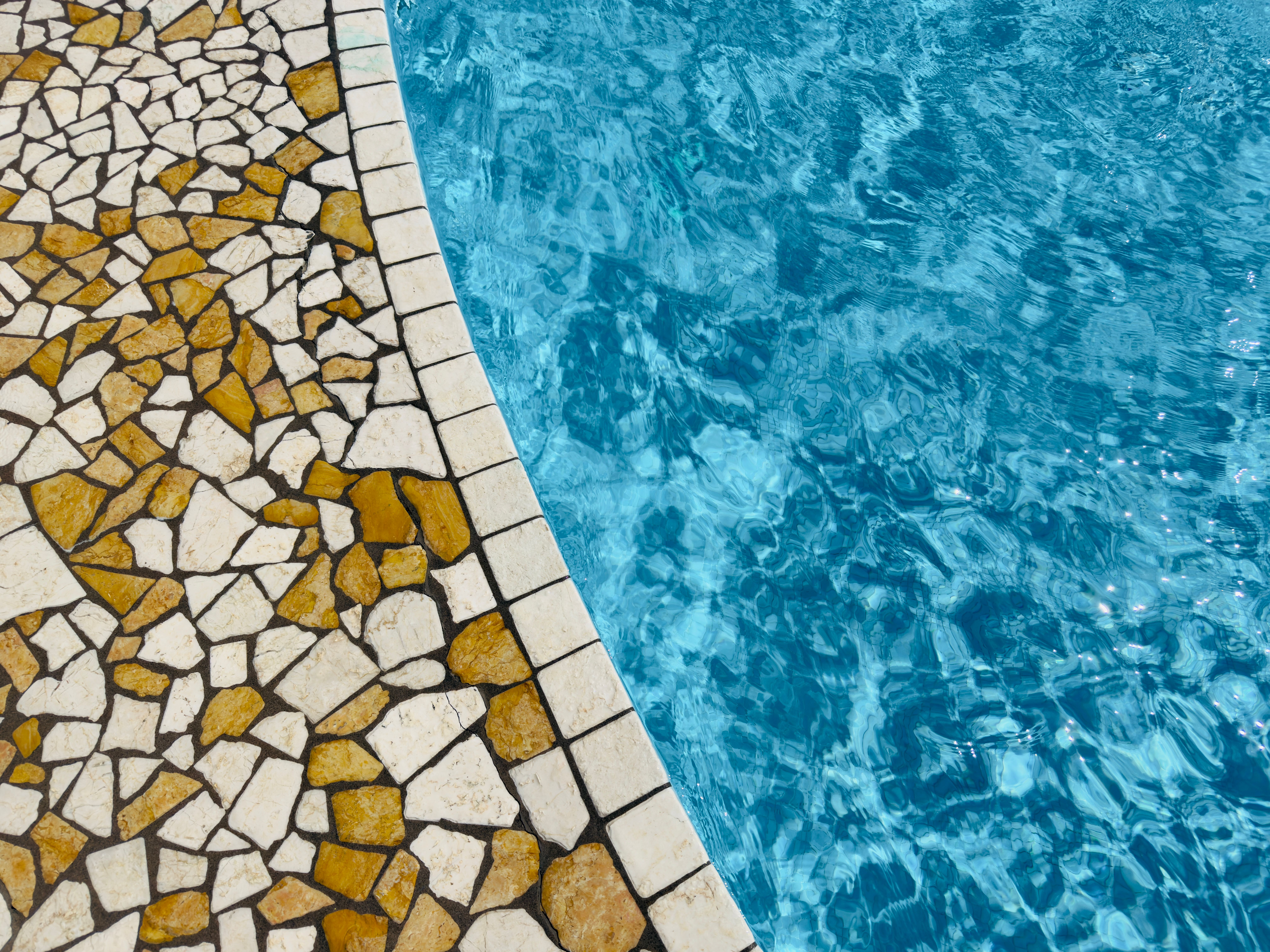
Photo by Christian Zimmermann
For projects that combine tile, finish, equipment, or deck work, pool renovation services in Southwest Florida can bring the scope into one plan.
A Sound Decision Starts With the Tile's Condition
Waterline tile is often a small detail with a large visual effect. Waterline tile replacement is a sensible refresh when the problem is surface-level, and it is a chance to investigate when tiles keep loosening or cracking.
An on-site assessment gives Port Charlotte homeowners a clear scope, whether that means a targeted repair or work that reaches the substrate. That clarity protects the look of the renovation and the work beneath it.